Israel has disclosed that Shayetet 13 commandos carried out an unprecedented operation thousands of kilometers from home in an area where the unit had never previously operated. The announcement, made alongside new details on submarine deployments and naval strikes during the war, points to a major expansion in the Israeli Navy’s long-range role.
Israel has revealed that its elite Shayetet 13 naval commandos carried out an unprecedented operation thousands of kilometers from Israeli territory during the recent multifront war, in a location where the unit had never operated before.
According to the disclosure, the operation was conducted without backup and without a viable extraction plan because of the extreme distance involved. Israeli officials said the mission was successful, but did not provide further details on the location, timing or operational objective.
Rare disclosure on deep-range operation
The announcement offered an unusual glimpse into one of Israel’s most secretive military units and underscored the growing reach of Israeli naval operations.
While the military withheld the mission’s exact profile, the fact that it highlighted the absence of an extraction option appeared intended to emphasize both the risk and the distance involved.
The message was clear: Israel is signaling that its naval commandos can now operate far beyond the traditional zones usually associated with the Israeli Navy.
Submarines deployed across multiple arenas
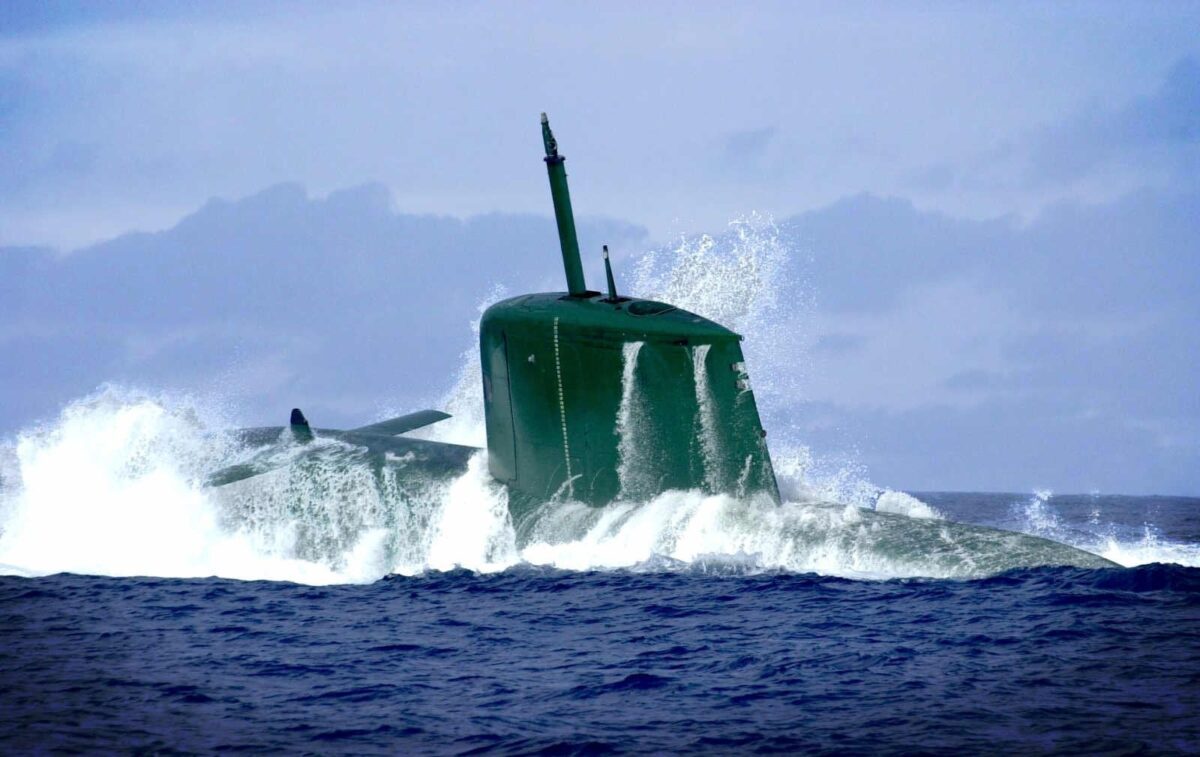
Alongside the Shayetet 13 disclosure, Israel also revealed that during the war with Iran, one Israeli submarine operated at the farthest distance in the fleet’s history.
The military added that submarines were deployed simultaneously across three separate operational arenas, each thousands of kilometers apart, indicating a level of maritime reach and distribution not previously made public.
The disclosure suggested that Israel was not merely operating close to home waters, but managing maritime activity across multiple distant theaters at the same time.
Navy played wider role during the war
The new details also highlighted a broader operational role for the Israeli Navy during the conflict.
According to the figures released, naval forces responded to around 40 aerial threats and intercepted dozens of drones launched from Iran and Lebanon. Israeli warships also carried out 53 strikes in Lebanon and six in Gaza.
In addition, Navy Intelligence was said to have supported planning for roughly 95 airstrikes in Iran, pointing to a significant intelligence and targeting role well beyond traditional maritime defense tasks.
Shift from coastal defense to long-range force
The cumulative picture is of a navy being reshaped into a long-range, multi-domain arm of the IDF, rather than a force focused mainly on coastal defense and offshore infrastructure protection.
The expanding threat environment has helped drive that shift. Iranian maritime pressure, threats to shipping lanes and offshore assets, and the widening geography of the conflict have all increased the strategic importance of naval power in Israel’s defense posture.
The disclosures were made as Vice Adm. Eyal Harel took command of the Israeli Navy, replacing Vice Adm. David Saar Salama, and appeared designed in part to frame the future direction of the service.
Military leadership signals broader expansion
IDF Chief of Staff Lt. Gen. Eyal Zamir said the military’s new multi-year plan includes expanding the Navy out of operational necessity and enhancing its ability to operate with greater lethality, at greater depths and over longer ranges.
Harel said the Navy would strike enemies wherever they are, or from wherever they threaten Israeli citizens, freedom of navigation and Israel’s strategic assets at sea. He added that naval operations would span nearby, deep and distant arenas around the world.
The statements reflected a doctrine built around long-range deterrence, covert action and wider maritime reach.
Fleet expansion to support new doctrine
The strategic shift is also backed by planned procurement. Israel is expected to receive its sixth submarine, INS Drakon, this summer after completing testing in Germany.
Looking ahead, the Navy is set to begin receiving three Dakar-class submarines in the early 2030s, replacing the oldest Dolphin-class boats. On the surface side, Israel also plans to bring in five new Reshef-class corvettes over the next several years to replace aging Sa’ar 4.5-class missile boats.
Together, the unprecedented Shayetet 13 mission, the far-distance submarine deployments and the coming fleet expansion all point to the same conclusion: Israel is building a navy designed to operate farther, strike harder and play a much larger role in future wars.

Loading comments...