Trump: No Iran Deal by Wednesday, Ceasefire May Not Be Extended — “We’ll Start Dropping Bombs Again” | Achla News
israel
Trump: No Iran Deal by Wednesday, Ceasefire May Not Be Extended — “We’ll Start Dropping Bombs Again”
President Trump said the U.S. may refuse to extend the ceasefire if Iran does not reach an agreement by Wednesday, warning that Washington could resume strikes while keeping its blockade on Iranian ports in place. Speaking on Air Force One and later at an event in Phoenix, Trump claimed talks are continuing and said he believes a deal is still possible. He also said the U.S. would work with Iran to remove enriched uranium and bring it to the United States, but Iranian officials publicly denied any plan to transfer enriched uranium abroad and demanded compensation for damage. Trump said his partnership with Prime Minister Netanyahu remains strong, and described Lebanon as separate from the Iran ceasefire.
U.S. President Donald Trump warned late Friday that Washington may not extend the ceasefire if no agreement is reached with Iran by Wednesday, and said the U.S. could resume military action if talks fail.
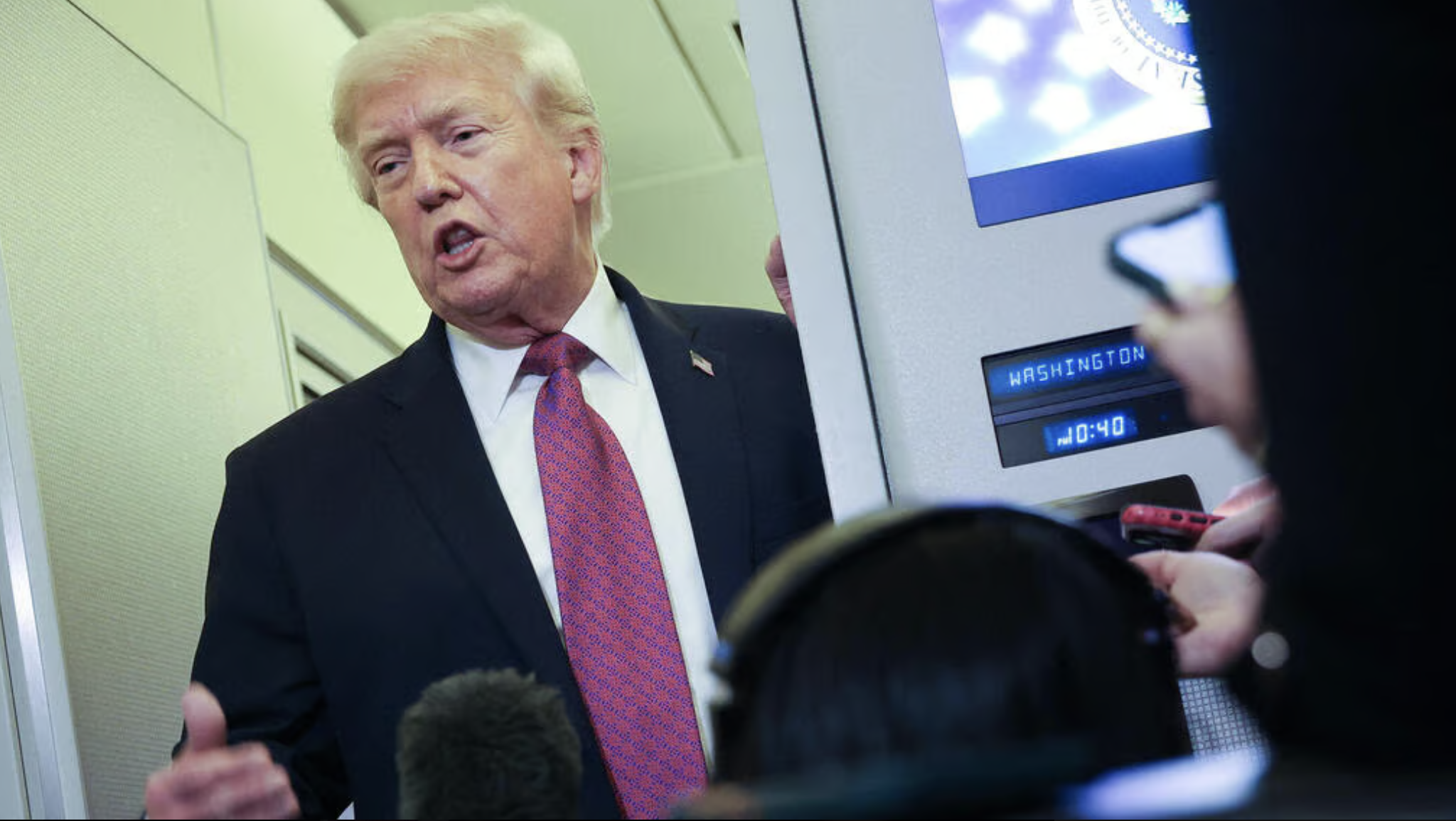
Speaking to reporters aboard Air Force One, Trump said, “Maybe I won’t extend it,” when asked about the deadline. He added that the U.S. naval blockade on Iranian ports will remain and said bluntly:
“We’re going to have to start dropping bombs again.”
In the same exchange, Trump said the U.S. had received “very good news” about the Middle East but declined to provide details. He said negotiations with Iran would continue through the weekend, and cited reporting that another round of talks could take place in Pakistan on Monday. Trump said he still believes an agreement can be reached.
Asked about contradictions between his statements and repeated Iranian denials, Trump said Tehran has “people they need to please,” and insisted the key point remains preventing Iran from obtaining nuclear weapons. “The main thing is that Iran will not have a nuclear weapon,” he said.
Trump was also asked whether there were tensions with Prime Minister Benjamin Netanyahu during ceasefire contacts, especially amid Israeli strikes in Lebanon. “We disagree on some things, but he’s been a very good partner,” Trump said. He described the U.S. role as dominant, adding: “We were the senior, and we are the senior. We’re the greatest military in the world.”
On whether Lebanon is connected to the Iran ceasefire, Trump said the link is not direct, though he suggested there may be a psychological effect. “It’s not really related, but you could say maybe it’s related psychologically,” he said, adding that the U.S. intends to help Lebanon “become a country again.”
Earlier Friday night, speaking at an event in Phoenix, Trump said Iran’s enriched uranium would be removed with U.S. involvement, using unusually vivid language to describe the effort. He claimed the material is buried deep underground and said the U.S. would work “together with Iran” to retrieve it and “bring it back home, to the U.S.” Trump again warned that if Iran ever gets a nuclear weapon, it would use it immediately.
Later, when asked aboard Air Force One about a timetable for such a move, Trump responded sarcastically and avoided specifics. He said that if an agreement is signed, a timeline can be given — but if not, the U.S. would still obtain the material “another way,” which he described as “much less friendly.”
Iran pushed back strongly. Iranian Foreign Ministry spokesman Esmail Baghaei denied that Tehran intends to transfer enriched uranium to the United States and said the option of sending it abroad has been rejected. He also said compensation for losses and damage to Iran is a central issue in the negotiations.
An Iranian source quoted in regional media also claimed that the temporary reopening of the Strait of Hormuz and a ceasefire in Lebanon were presented as part of the broader arrangement, and said Trump’s assertion that Iran agreed to hand over enriched uranium was false. The source said talks are still underway on disputed issues but described the outlook as unclear given what it called excessive U.S. demands.

Loading comments...