As someone who lives in both the United States and Israel, and frequently travels to Japan and other countries, I’ve been watching a major change taking place at airports.
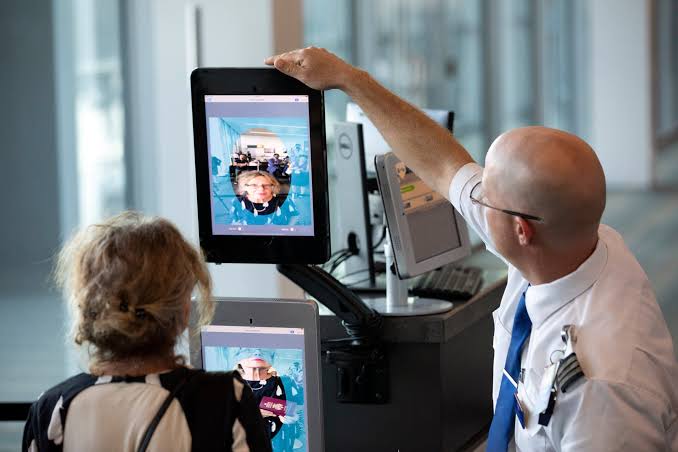
For travelers with modern passports from countries whose systems are compatible with one another, facial recognition and automated gates can make crossing a national border almost invisible.
But travelers with older passports — or passports that aren’t compatible with a country’s automated border system — may not be able to use the facial-recognition e-gates at all. Instead of walking through the digital fast lane in seconds, they can be sent to the slower, traditional immigration line for manual passport inspection by a border officer.
That is the part people should pay attention to.
We may be watching the creation of a new international “digital club.” Countries that trust each other’s technology, biometric standards and identity systems can gradually remove friction between themselves, while everyone outside that network faces a much harder border.
There are major benefits to this. America and Israel absolutely should use advanced technology to secure their borders, identify terrorists and criminals, and know exactly who is entering their countries.
But conservatives should also be asking: Who controls the data? How much biometric information is being collected? Which governments can access it? And how much power should an algorithm have over a law-abiding person’s ability to travel?
Strong borders and advanced security technology are necessary.
But national sovereignty and individual liberty matter too.
The future isn’t necessarily open borders. It may be something very different: borders that are almost invisible inside a trusted digital network — and increasingly difficult to cross if you’re outside it.

Loading comments...