America's latest in politics, culture, history, and national security.
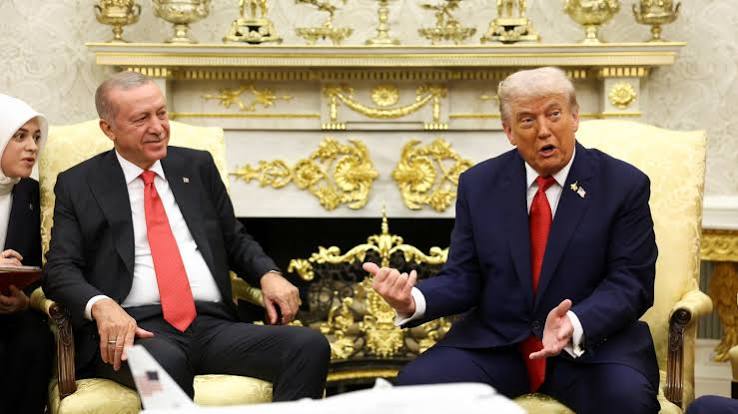
Turkish President Recep Tayyip Erdogan urged President Donald Trump to keep diplomatic channels with Iran open while criticizing Israel over intensified military operations in Gaza. The two leaders also discussed Gaza and a proposed trilateral defense arrangement involving Turkey, Saudi Arabia and Pakistan.
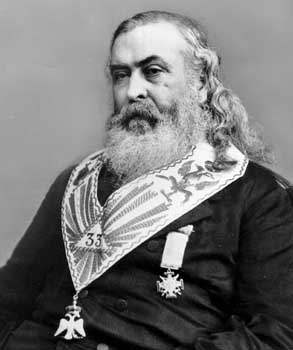
Albert Pike was not a “fake Freemason,” but one of the most misrepresented figures in Masonic history. Conspiracy theorists often portray him as the Grand Master of Freemasonry and a Satanist, mixing facts with later conspiracy theories.
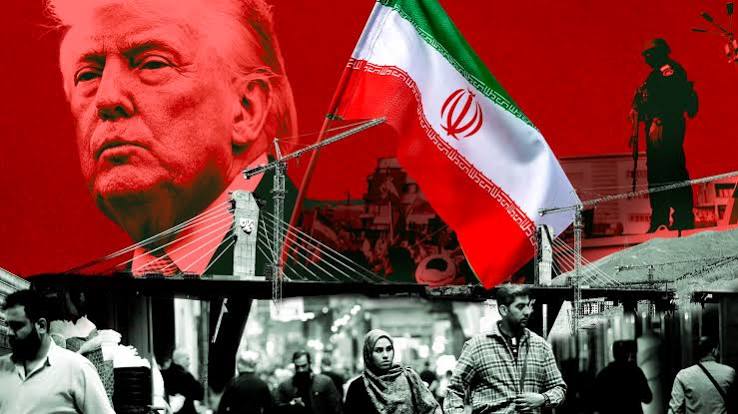
The Trump administration is signaling a major new round of economic pressure on Iran as a 60-day ceasefire is set to expire August 17. Treasury Secretary Scott Bessent warned of unprecedented economic isolation, while President Donald Trump highlighted the strength of the U.S. maritime blockade targeting Tehran.
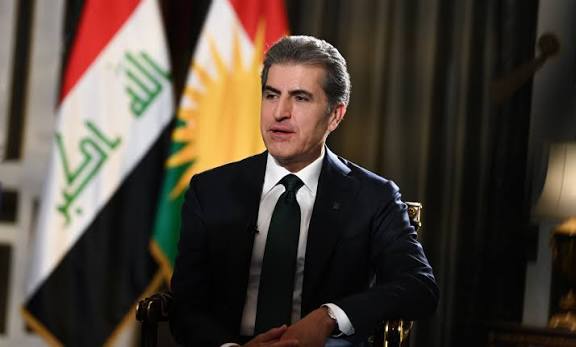
The Trump administration reportedly enlisted Kurdistan President Nechirvan Barzani to establish a secret line of communication with Iran’s Islamic Revolutionary Guard Corps as Washington sought to determine who actually had the authority to negotiate an end to the war.

A 25-year-old Florida financial analyst was arrested after OpenAI flagged ChatGPT conversations in which authorities say he described a detailed plan to kill his former girlfriend. He later pleaded guilty and received eight years of probation, including two years of electronic monitoring.
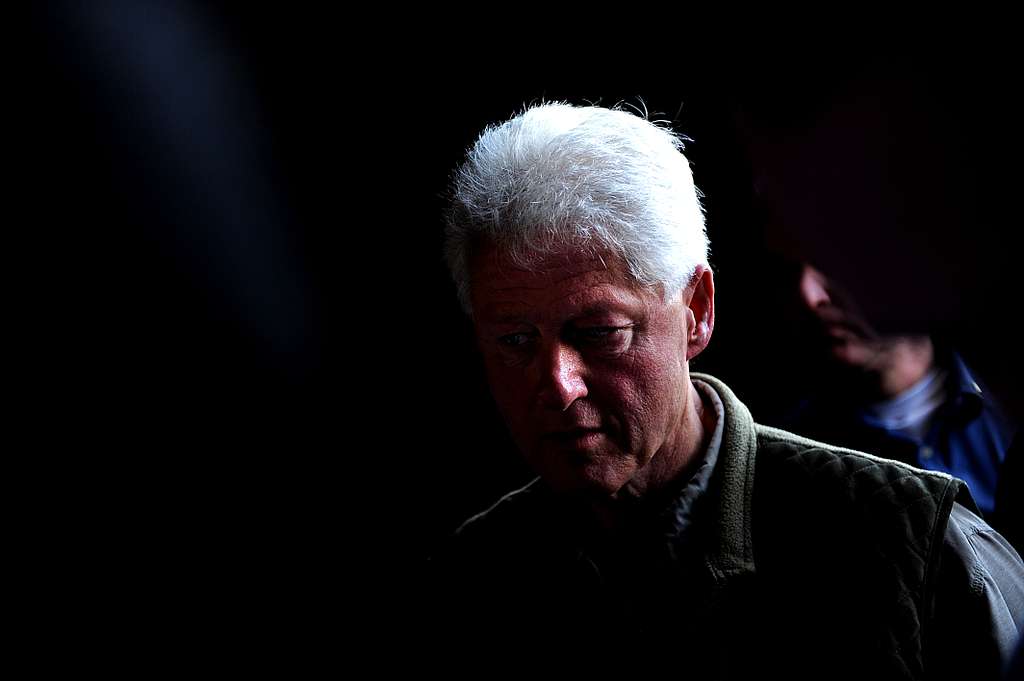
Bill Clinton rose from a difficult childhood in Arkansas to become the 42nd president of the United States and one of the most recognizable figures in Democratic politics. His presidency coincided with economic growth and budget surpluses, but his legacy remains inseparable from sexual scandals, impeachment, controversial globalization policies, Whitewater-era investigations and, decades later, renewed scrutiny over his documented association with Jeffrey Epstein. Alongside those facts is a much darker collection of so-called “Clinton body count” allegations—claims that have circulated for decades but have never established that Clinton ordered or committed the deaths attributed to him.
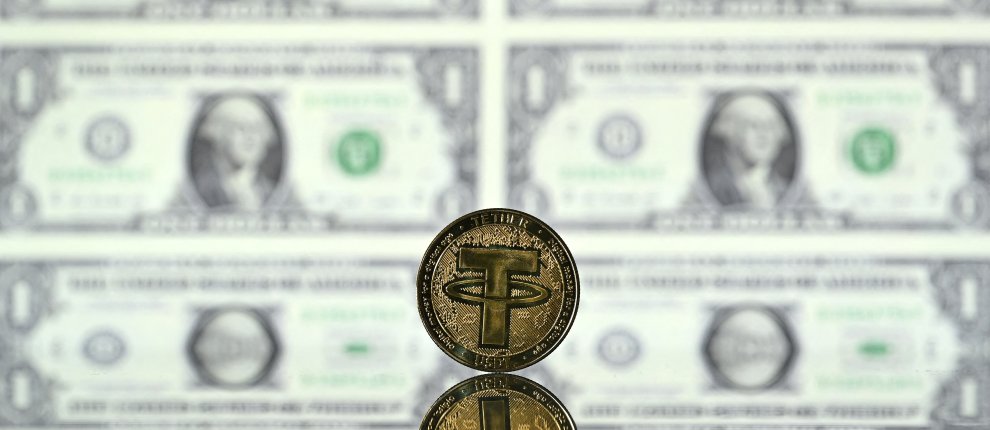
The Senate’s next procedural showdown over the CLARITY Act is now set for September 15, but the bigger story is not simply whether Bitcoin, Ethereum or XRP gets a regulatory boost. Washington is building the legal infrastructure for something potentially far more important: exporting the U.S. dollar into the digital economy through privately issued stablecoins. If that strategy succeeds, dollar stablecoins could create a new global source of demand for U.S. Treasury debt while extending American monetary influence into countries where traditional dollar banking remains difficult.
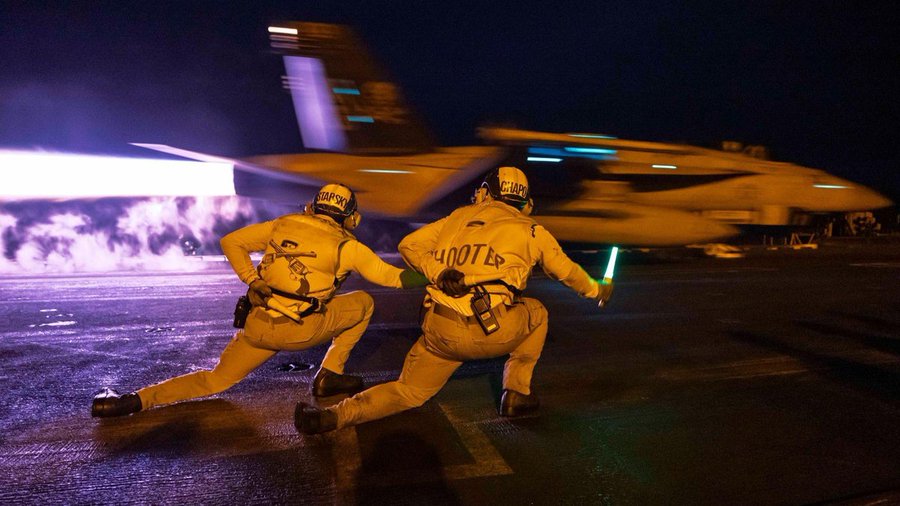
U.S. forces continue enforcing America’s “Steel Wall” blockade against Iran, with 59 commercial vessels redirected, three disabled and two boarded as of August 12.
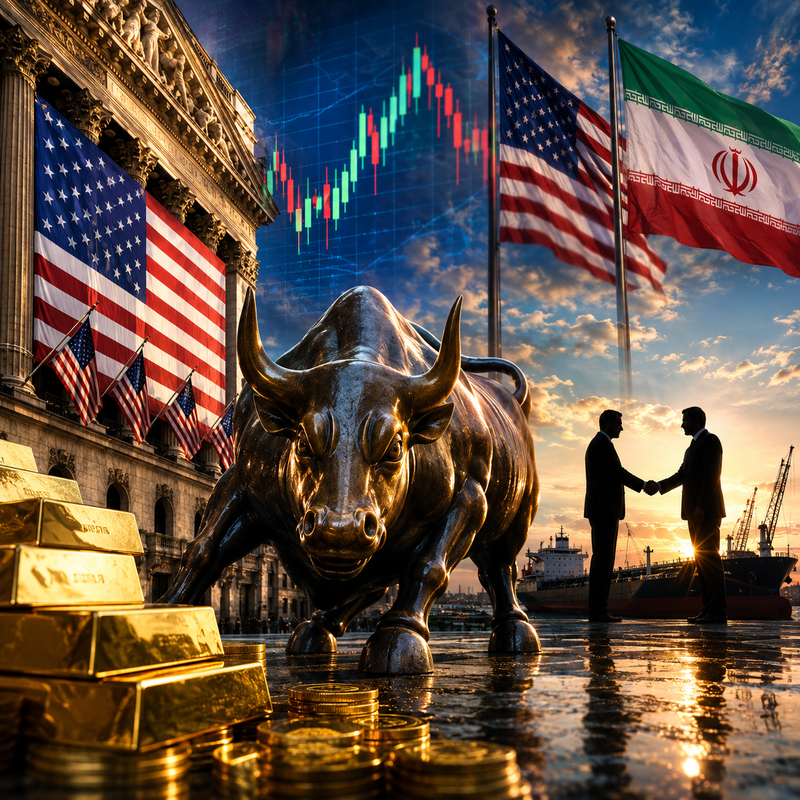
U.S. stocks are extending their August rally while gold has surged more than 11% from mid-July levels, as softer inflation and weak employment data reduce expectations for another Federal Reserve rate hike. Oil above $85 a barrel and the Iran war remain major inflation risks, but strong corporate earnings, AI investment and renewed demand for gold are driving markets higher.
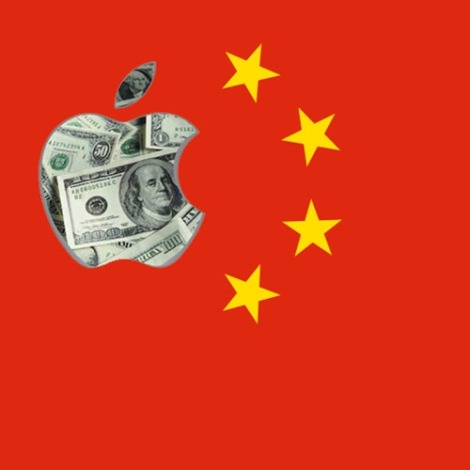
Apple went to China for cheap, scalable manufacturing. Over the following decades, its enormous supply chain, engineering support and supplier-development programs helped China build a manufacturing ecosystem capable of competing with the United States, South Korea and Japan. Now Chinese companies are advancing in smartphones, displays and memory chips — raising a difficult question for Washington: Did one of America's greatest technology companies help create the industrial rival now threatening U.S. technological leadership?
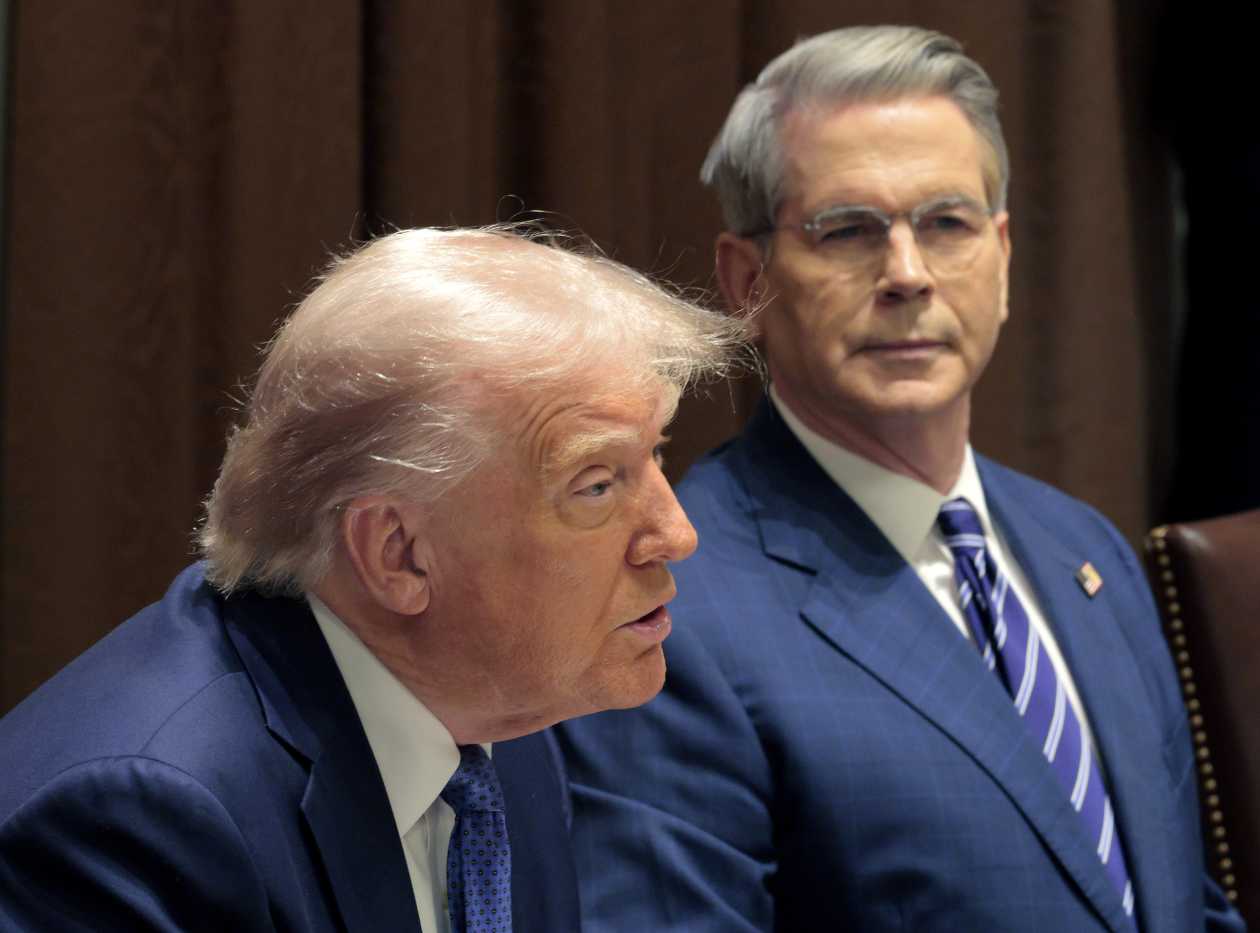
Why would Treasury Secretary Scott Bessent sell euros to support the Japanese yen instead of using dollars, the conventional tool for such an intervention? The answer may lie far beyond Japan. At the center of the strategy are rising U.S. Treasury yields, Japan’s enormous Treasury holdings, the danger of signaling deliberate dollar weakness, and the Trump administration’s need to keep financial markets stable heading into the midterm elections.
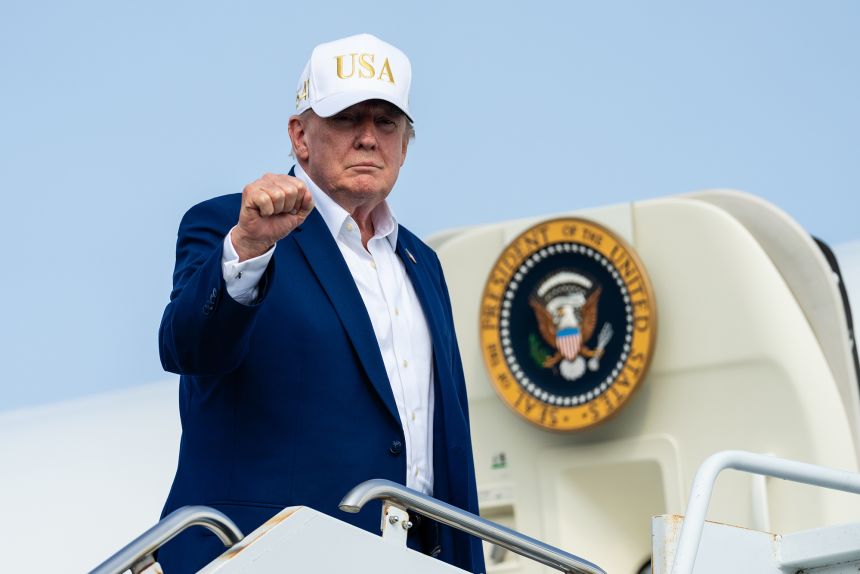
“Jihadists are getting elected all over the country,” Trump told reporters at the White House, warning about the rise of communism, jihadism and radical politics inside the Democratic Party.
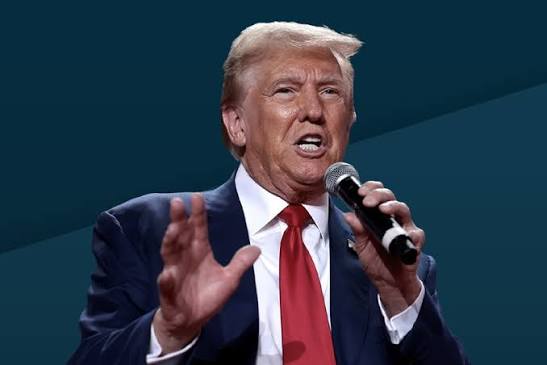
President Donald Trump says the United States has two major options for dealing with Iran: maintain crushing economic pressure and allow the regime to deteriorate from within, or launch another powerful military strike. Trump said Washington is controlling Iran’s access to money while negotiations continue, even as Pakistan and Qatar report progress toward a possible agreement.

Wisconsin state Rep. Francesca Hong entered the Democratic gubernatorial primary vote with a commanding polling advantage, alarming Jewish groups over her record on Israel, antisemitism, and ties to controversial far-left activists.
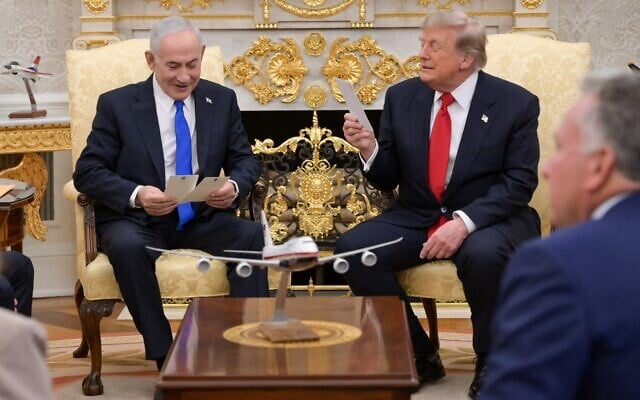
Israeli intelligence alerted U.S. officials to an Iranian threat against President Donald Trump’s aircraft, triggering an extraordinary Secret Service operation that secretly moved the president to another military plane before he left Turkey.
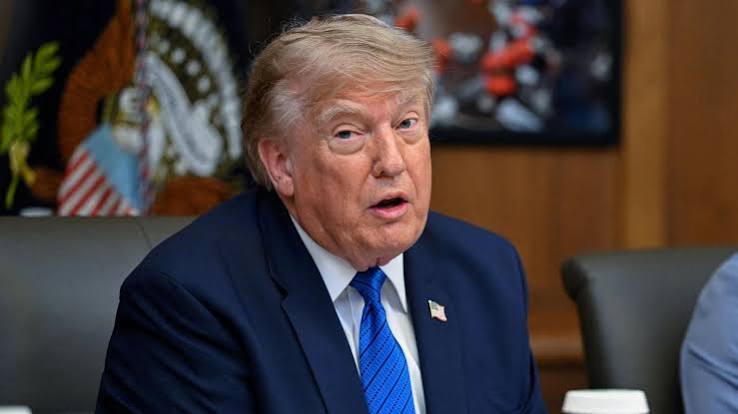
President Donald Trump said he believes the conflict involving Iran could end in the near future, citing progress in ongoing negotiations. He also dismissed reports of U.S. missile shortages and rejected speculation about tensions with Defense Secretary Pete Hegseth.
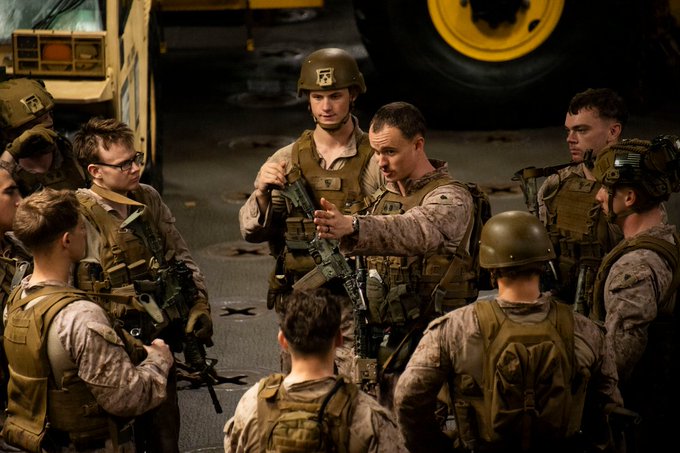
U.S. Marine Corps aviation units deployed aboard the USS Boxer are supporting U.S. Central Command's ongoing maritime enforcement operations targeting Iran. Since August 6, CENTCOM has redirected dozens of commercial vessels, disabled two ships, and conducted two boardings as part of the mission.
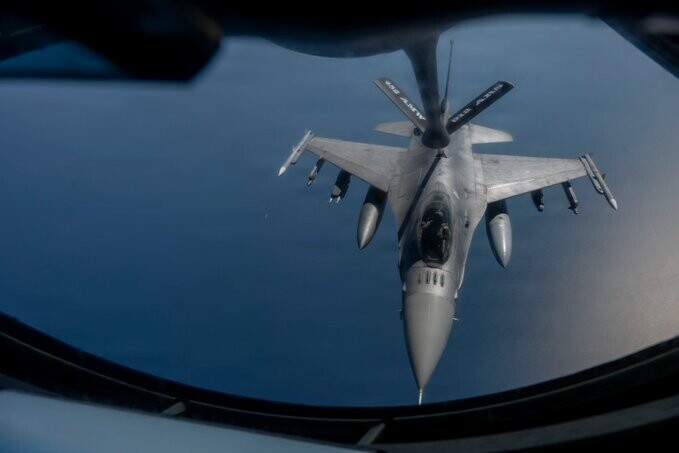
A U.S. Air Force F-16 was refueled during a patrol over Middle Eastern waters as American forces continued enforcing the blockade against Iran. CENTCOM reported that 48 commercial vessels had been redirected as of August 5.
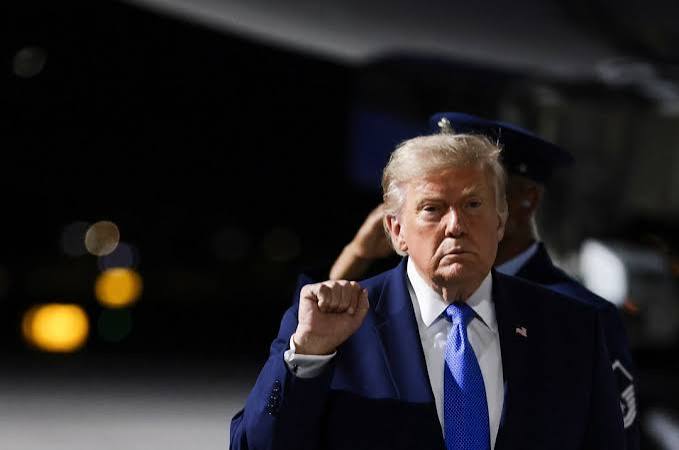
President Donald Trump said the United States would prefer a diplomatic agreement with Iran over military conflict but made clear that Tehran will never be allowed to obtain a nuclear weapon. Speaking in Nevada, Trump said U.S. forces have carried out heavy strikes while confirming ongoing contacts with Iran and warning that military options remain on the table if negotiations fail.
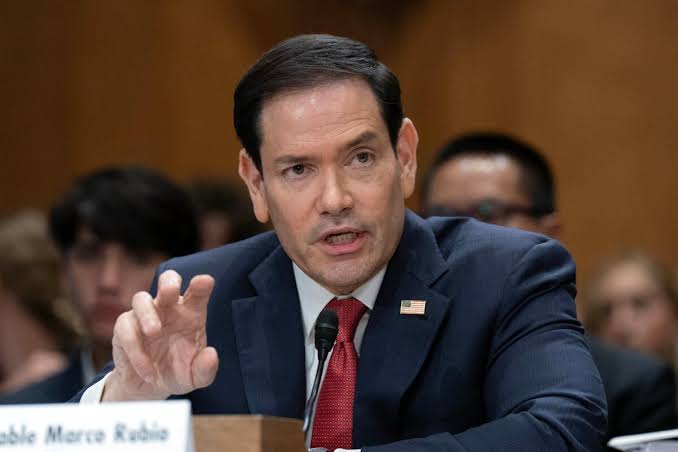
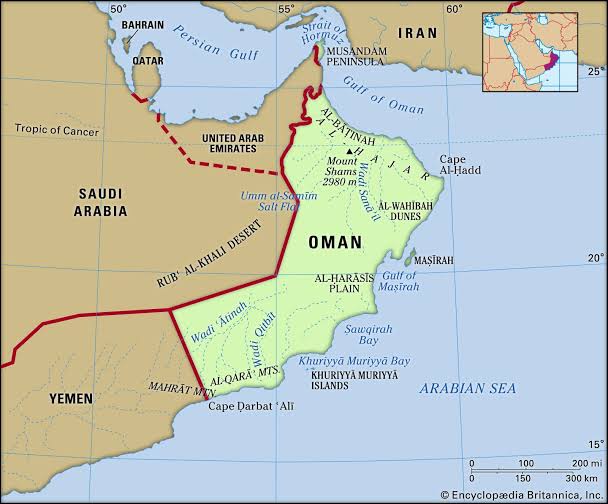
The Trump administration says an agreement to improve safe passage through the Strait of Hormuz may be close, while Iran says its talks with Oman are progressing at both technical and political levels. Hopes for reduced regional tensions pushed oil prices sharply lower and helped major U.S. stock indexes reach record highs.
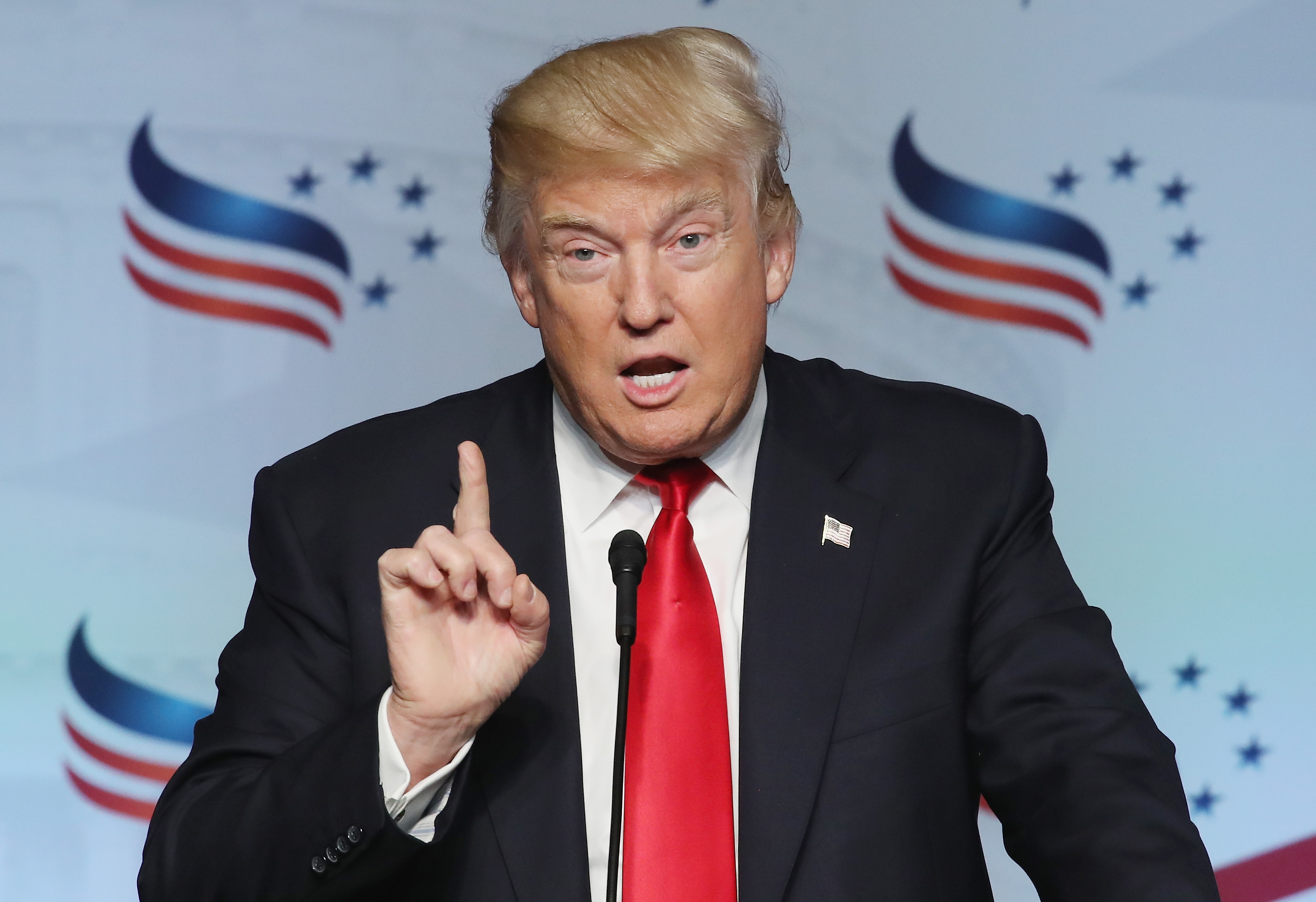
President Donald Trump said talks with Iran are underway and warned that Tehran has one final opportunity to reach an agreement before facing possible military action. Iran denied negotiating directly with Washington and threatened to attack U.S. warships if American forces interfere with shipping routes through the Strait of Hormuz.
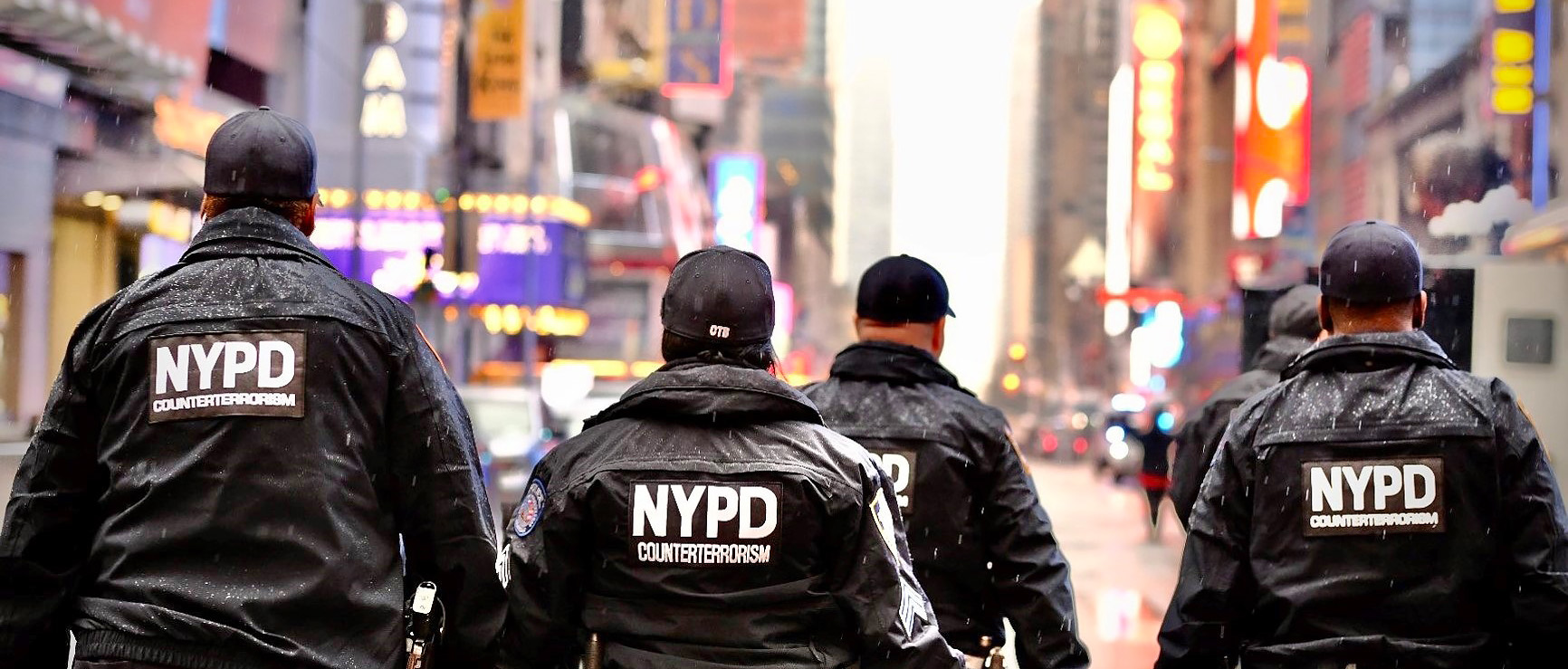
New NYPD data shows anti-Jewish hate crimes rose sharply in July, accounting for nearly 70% of all confirmed hate crimes in New York City. Jewish residents, who make up about 10% of the city's population, remained the primary target of bias-related offenses as officials warned that antisemitism continues to rise.
Israel’s Channel 12 reports that President Donald Trump canceled a planned strike on Iran after Tehran accepted a compromise to reopen the Strait of Hormuz. Iranian officials and the Mehr News Agency reject that account, instead portraying the decision as the result of American military pressure and missile shortages—claims that remain unverified.
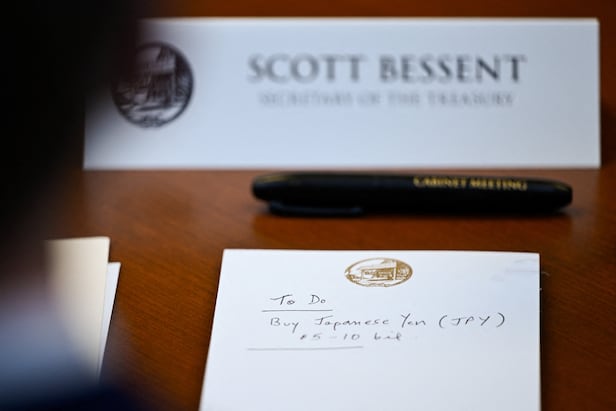
President Trump said the U.S. intervened to strengthen the yen.

New York City Mayor Zohran Mamdani is moving ahead with two of his biggest campaign promises.
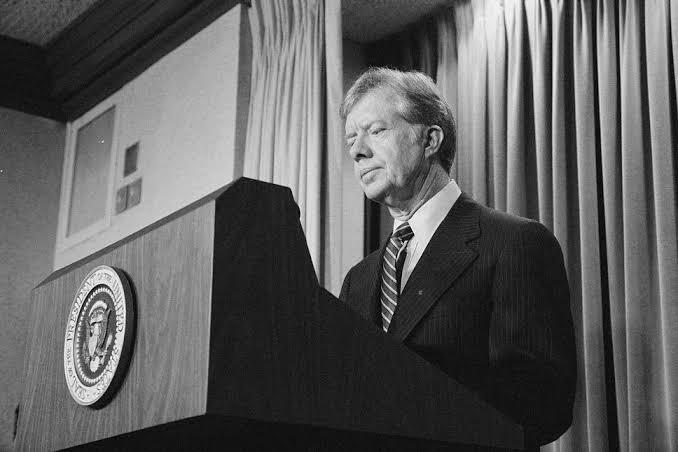
According to the declassified 1980 CIA intelligence assessment "Islam in Iran," along with declassified U.S. diplomatic records, in the months leading up to Iran's 1979 Islamic Revolution, Ayatollah Ruhollah Khomeini—then living in exile in France—secretly communicated with President Jimmy Carter's administration.
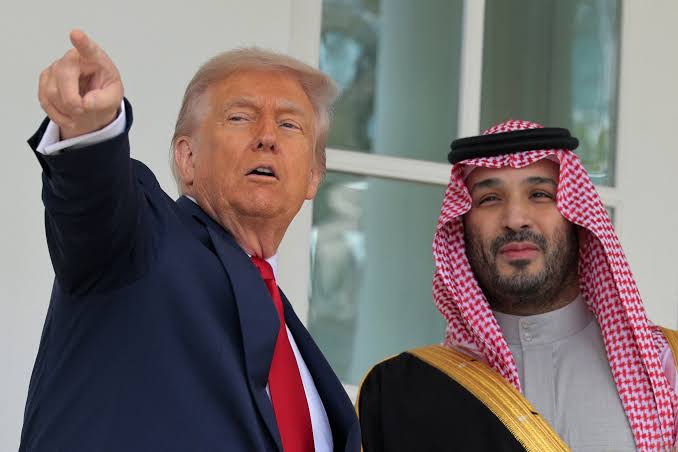
President Donald Trump announced that the United States called off a planned large-scale military strike against Iran after requests from several Middle Eastern countries, including concerns reportedly raised by Saudi Crown Prince Mohammed bin Salman. Trump said the decision depends on a swift agreement that guarantees the full reopening of the Strait of Hormuz and ends Iran's nuclear threat.
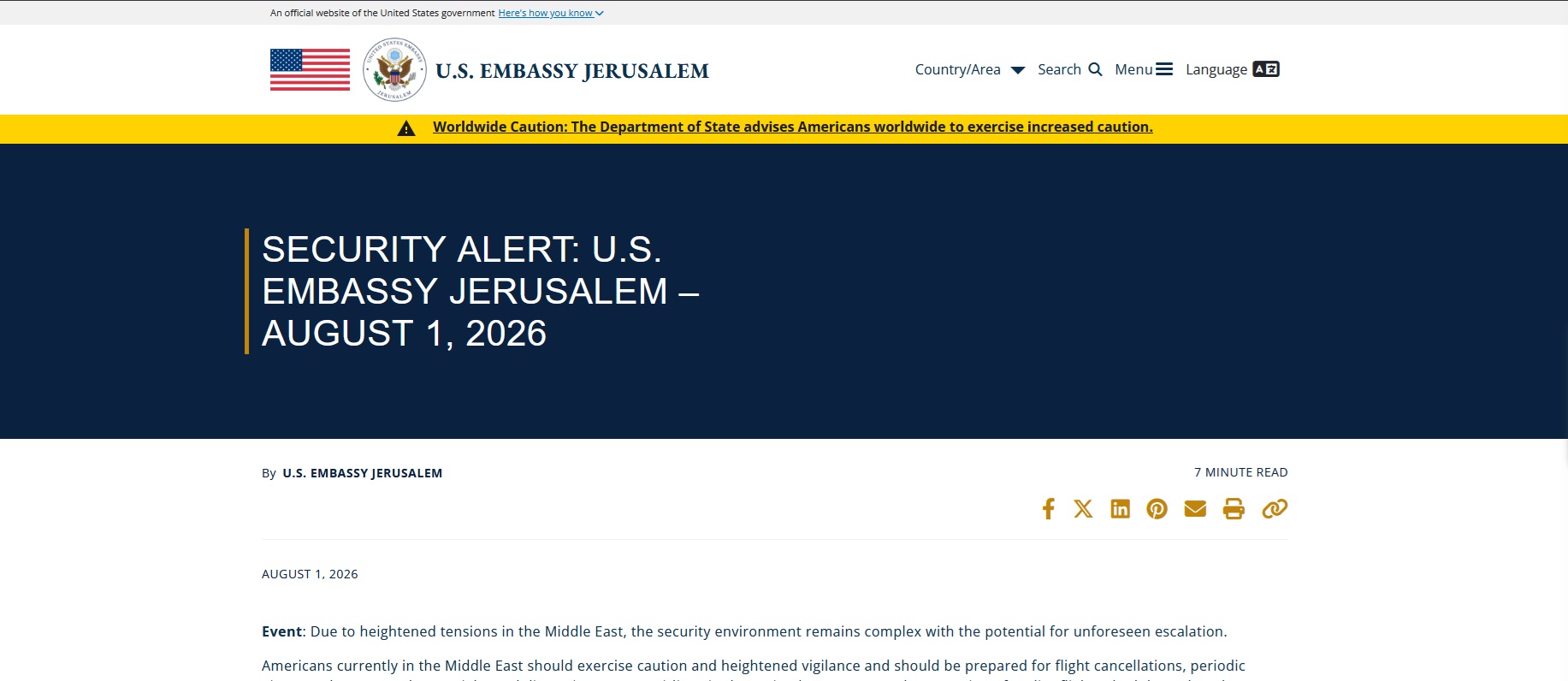
U.S. embassies across the Middle East are warning American citizens to prepare for possible evacuation as tensions with Iran intensify, flight disruptions spread, and concerns grow over a wider regional conflict.
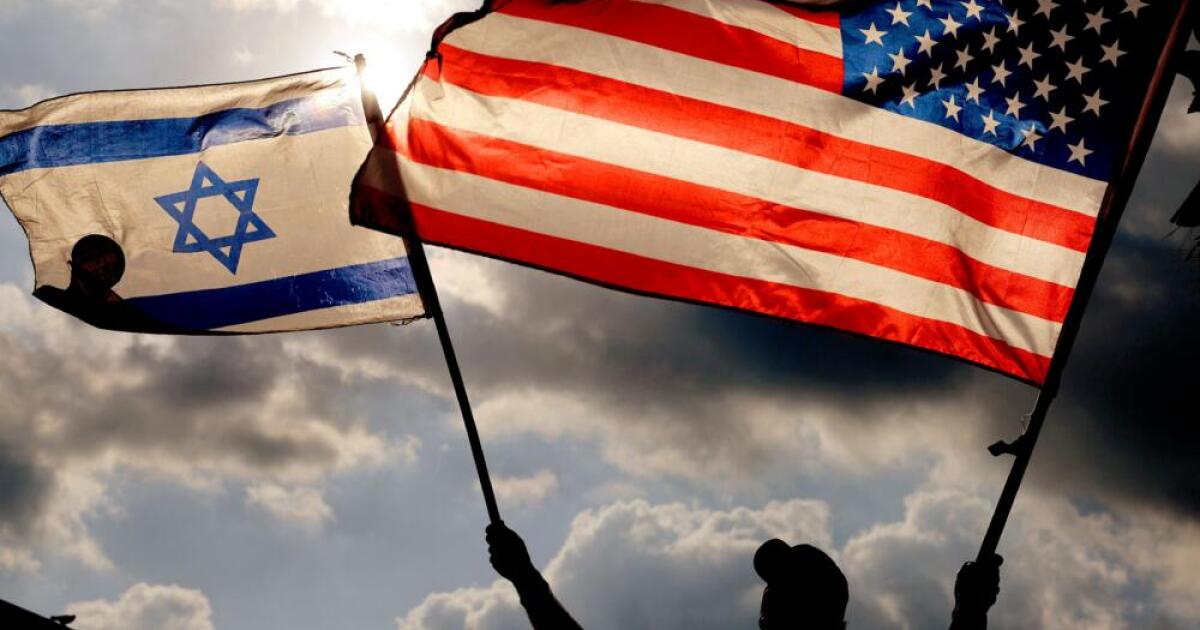
Multiple reports indicate the United States and Israel are preparing a major military operation targeting Iran's energy infrastructure. President Donald Trump has reportedly approved the operation, while Iran has threatened broad retaliation against Israeli and U.S. energy assets across the Middle East.
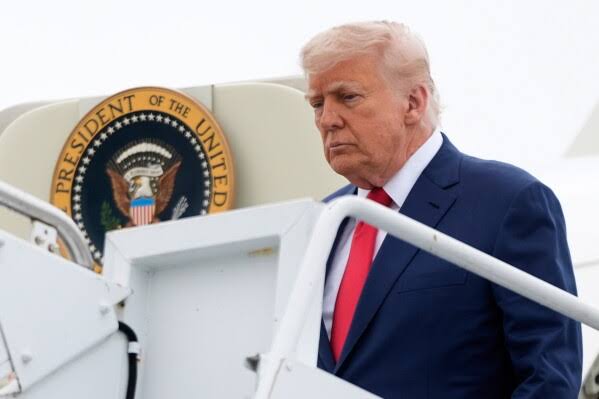
A newly published Gaza roadmap calls for Hamas and other armed factions to surrender their weapons, transfer control to a technocratic Palestinian administration, and dismantle tunnels and weapons facilities. Israeli forces would withdraw in phases as disarmament is verified, while an international force would help secure Gaza and oversee the transition.
U.S. Central Command says Iran is spreading false claims about shipping in the Strait of Hormuz, alleged American aircraft losses, and the status of the U.S. naval blockade. CENTCOM says no U.S. aircraft were damaged and American forces remain fully operational.