Markets, business, innovation, and the economic trends and history shaping the world.
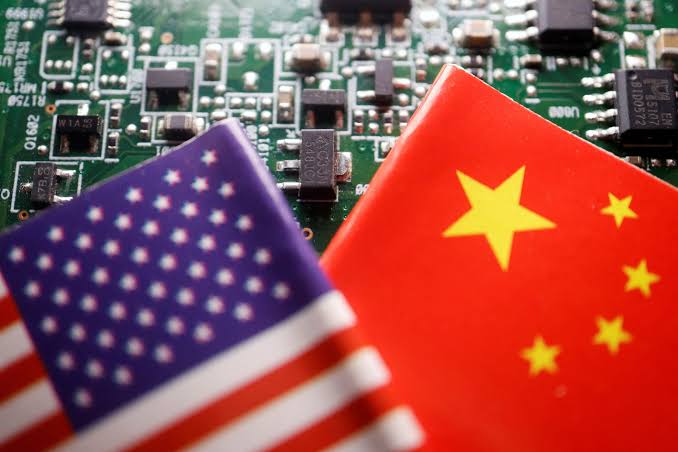
The recent decline in U.S. semiconductor stocks may be more than a routine pullback.
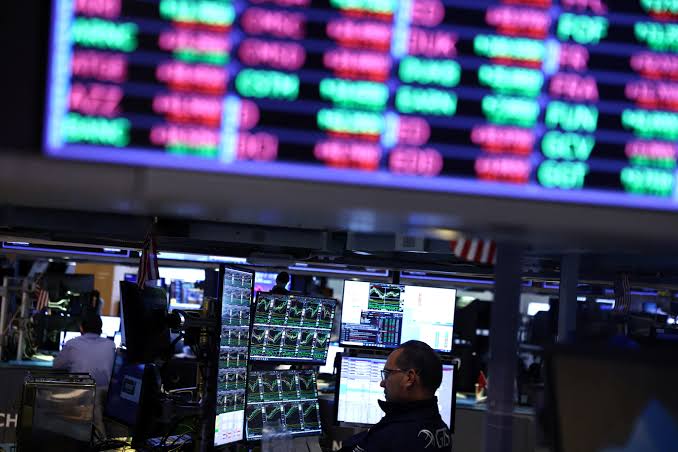
U.S. markets posted one of their strongest quarters in years, with the S&P 500 and Nasdaq recording their best quarterly gains since 2020. Despite the ongoing Iran conflict, investors remain confident in America’s economy, corporate earnings, and President Trump’s market-focused leadership.
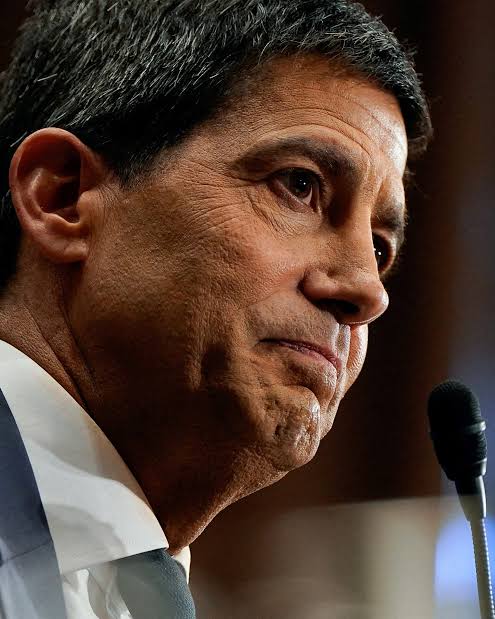
The Federal Reserve held rates steady at 3.50%–3.75% in June, while signaling a more hawkish path than markets expected. One interpretation is that Chairman Kevin Warsh may be projecting toughness on inflation while keeping the door open for future rate cuts.
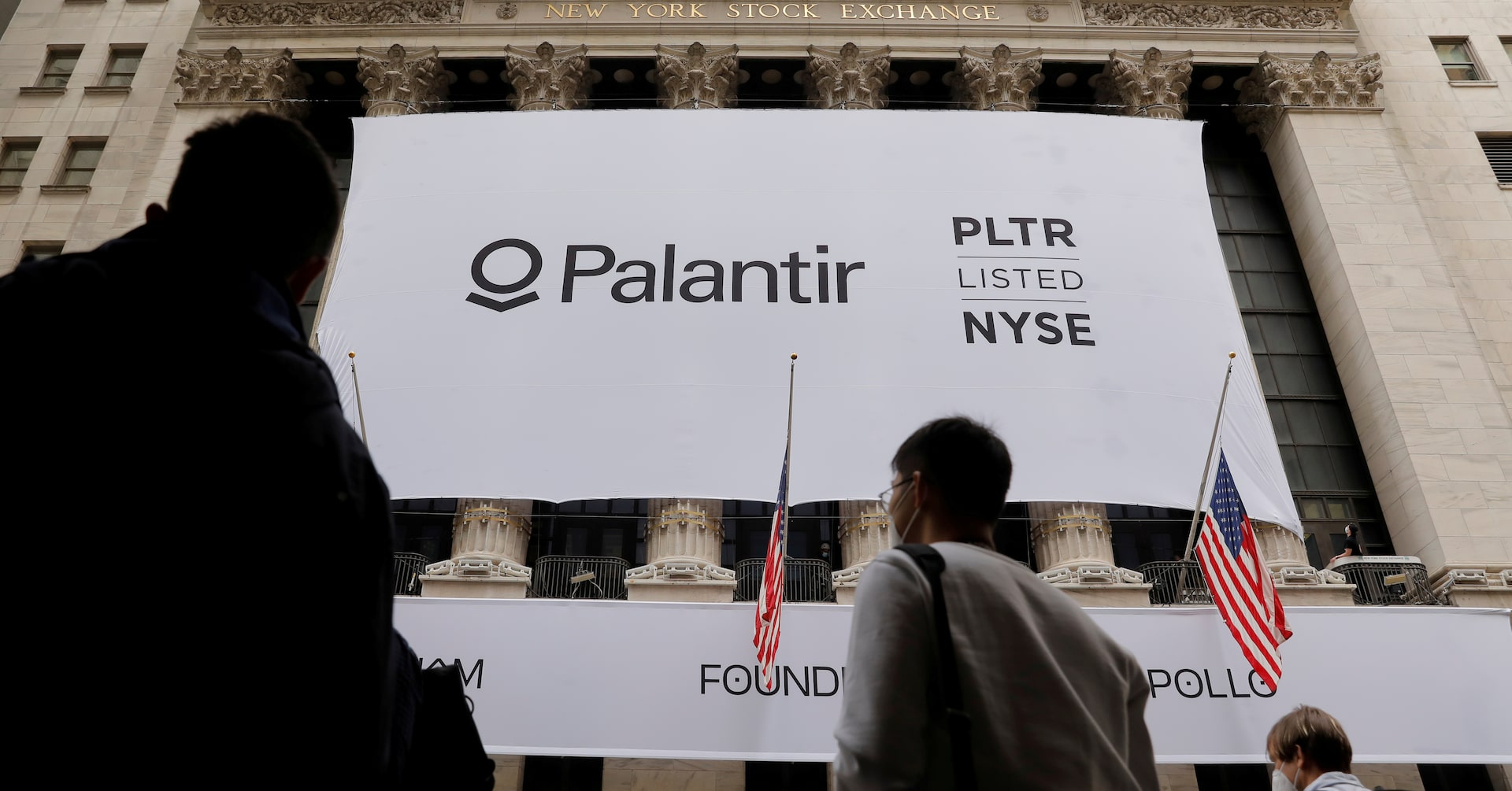
Palantir’s AI and data systems are increasingly tied to modern security operations, from counterterrorism to battlefield coordination. Supporters say the company helps America and its allies defend Western values against terror regimes and authoritarian powers. Critics warn the same tools could threaten privacy and individual freedom if abused by governments.
The U.S. dollar strengthened to its highest level in seven months as investors increasingly expect the Federal Reserve could resume raising interest rates later this year. Bloomberg's Dollar Spot Index jumped 0.4%, while the U.S.
As America races China for AI dominance, Elon Musk’s SpaceX may have a bigger long-term play: building data centers in space. If the technical challenges can be solved, space-based and ocean-based data centers could help the U.S. reduce pressure on local communities, ease power demands, and strengthen its position in the AI race.

Polymarket and other prediction markets are exploding in size, but their rise raises serious concerns about insider trading, political manipulation, terrorism-related incentives, and the dangerous gambling of real-world crises.
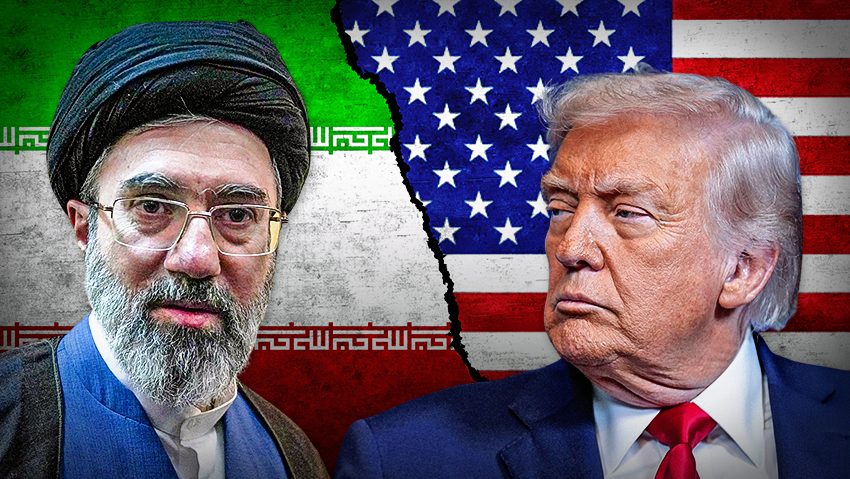
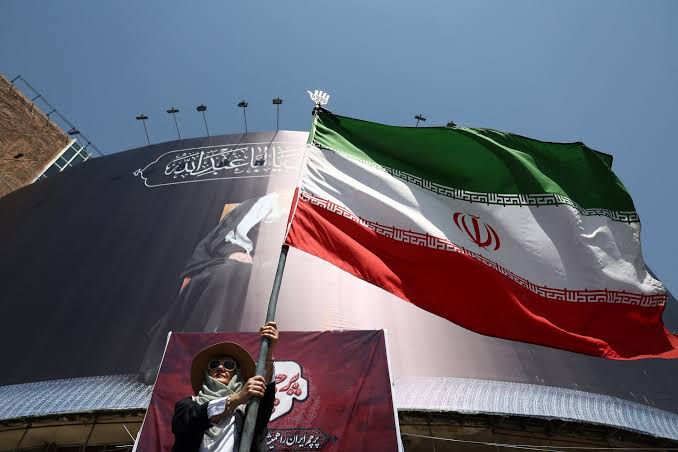
President Trump says the U.S. and Iran have reached a deal to end hostilities, reopen the Strait of Hormuz without tolls, and lift the U.S. naval blockade. Pakistan says the MOU will be signed June 19 in Switzerland, while Iran says frozen assets and sanctions relief will be negotiated over the next 60 days.
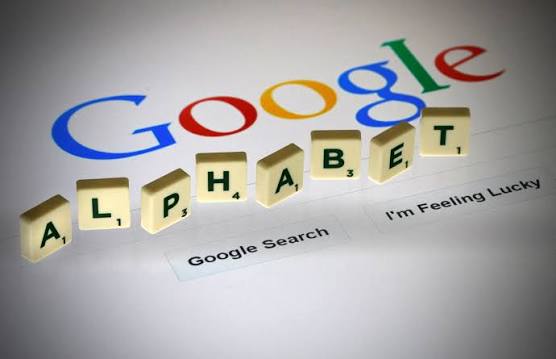
Google has unveiled the most significant overhaul of Search in more than two decades, transforming the traditional search engine into an AI-powered conversational platform. While much attention is focused on Gemini, AI-generated answers, and multimodal search, the bigger story is Google's plan to integrate advertising directly into AI responses. The move could redefine the company’s advertising empire and explain why many investors continue to view Alphabet as one of the most undervalued AI companies despite growing competition and regulatory pressure.

A report claims that areas with earlier iPhone access saw birth rates fall after 2007, with the sharpest declines among younger women. The source argues the trend may point to a deeper link between smartphone use, weaker real-world relationships, and long-term demographic decline.
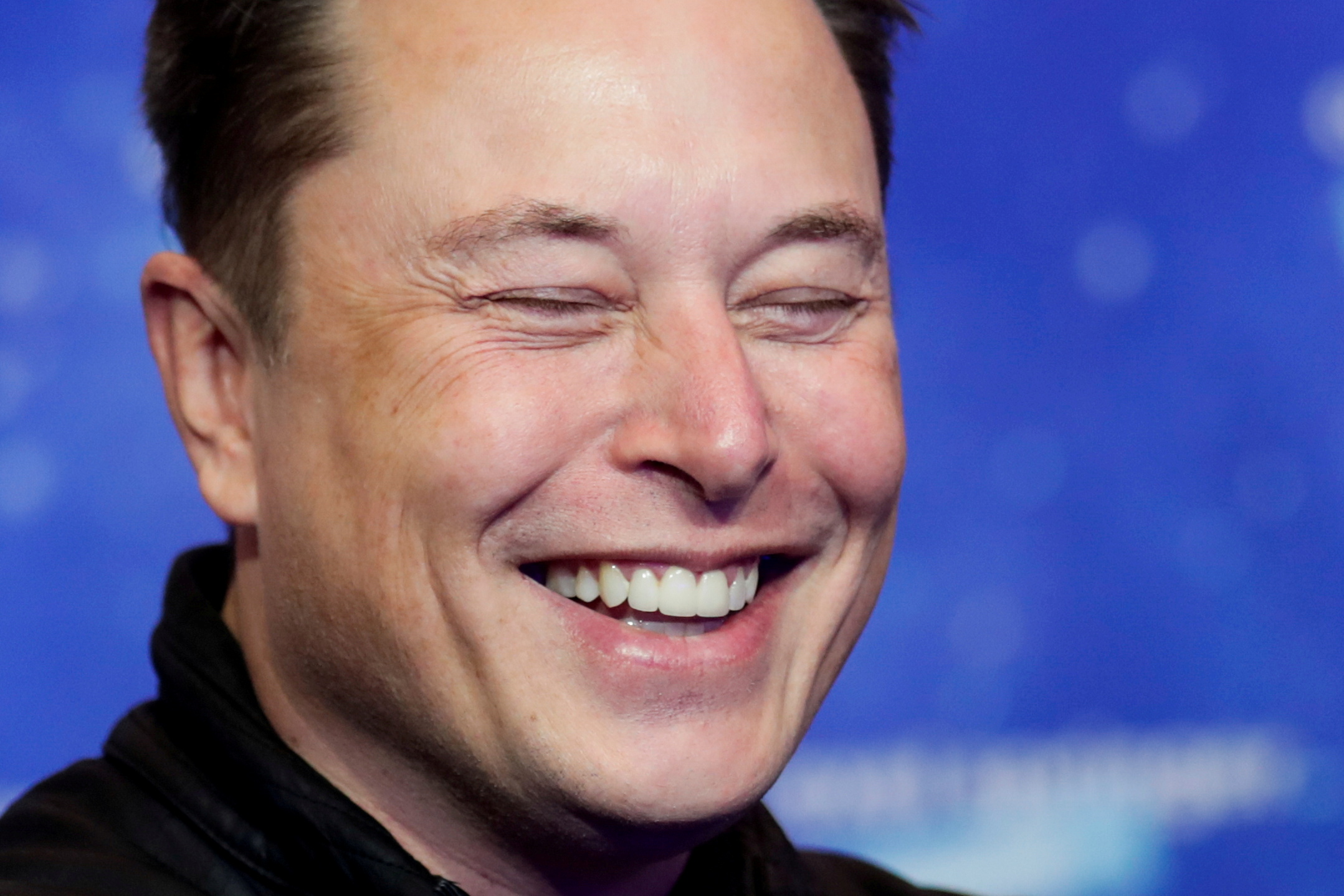
Elon Musk has officially become the first person in history to surpass a net worth of $1 trillion following SpaceX’s blockbuster market debut. From a pro-Trump, America First perspective, Musk’s achievement represents the power of innovation, private enterprise, and U.S. technological leadership, surpassing wealth levels once associated with legendary industrialist John D. Rockefeller.
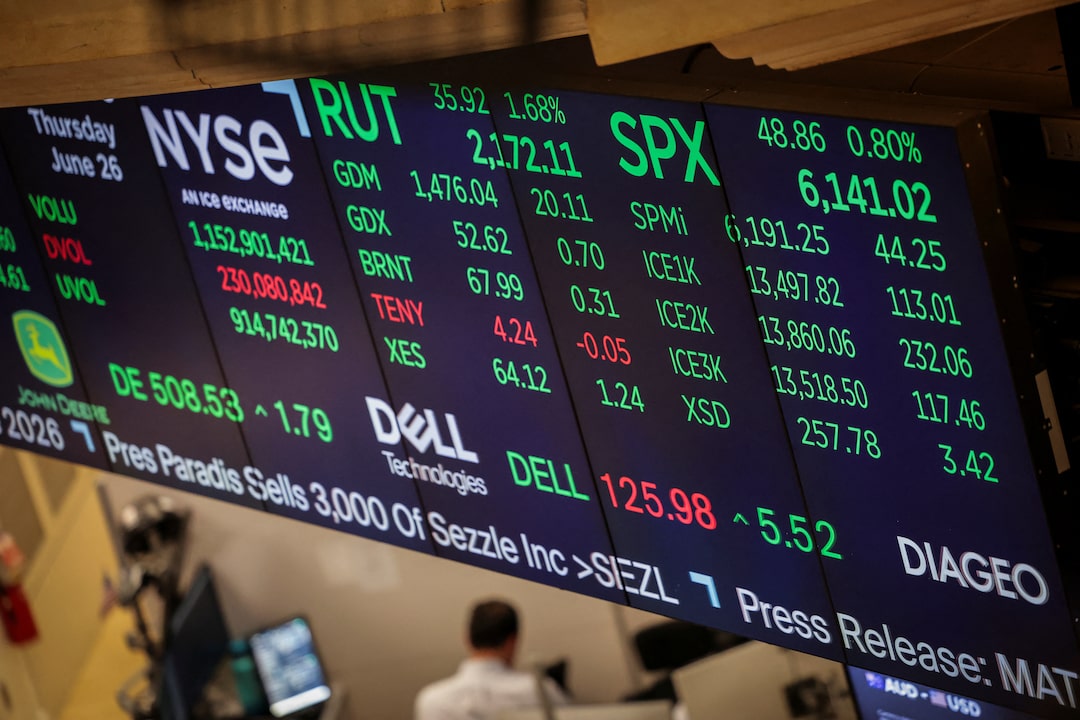
Oil prices fell sharply while U.S. stocks rose as markets reacted to reports that Washington and Tehran may be close to a short-term agreement. The proposed deal could reopen the Strait of Hormuz, address Iran’s nuclear program, and begin 60 days of technical talks, but conflicting Iranian reports and President Trump’s own warning show the deal is not final.
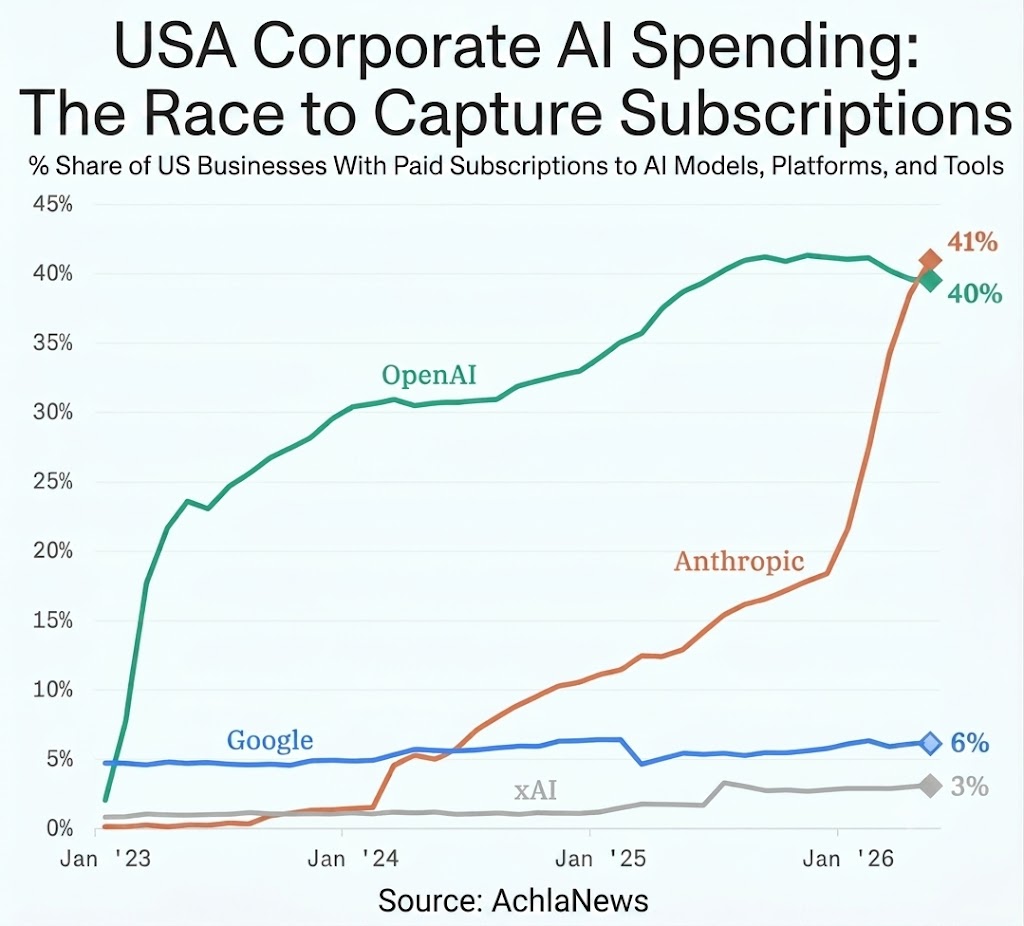
Google, OpenAI, and Anthropic are increasingly competing on price as the AI market matures. Recent subscription and token pricing cuts suggest that leading AI companies are fighting aggressively for both consumer and enterprise customers, raising questions about long-term profitability.
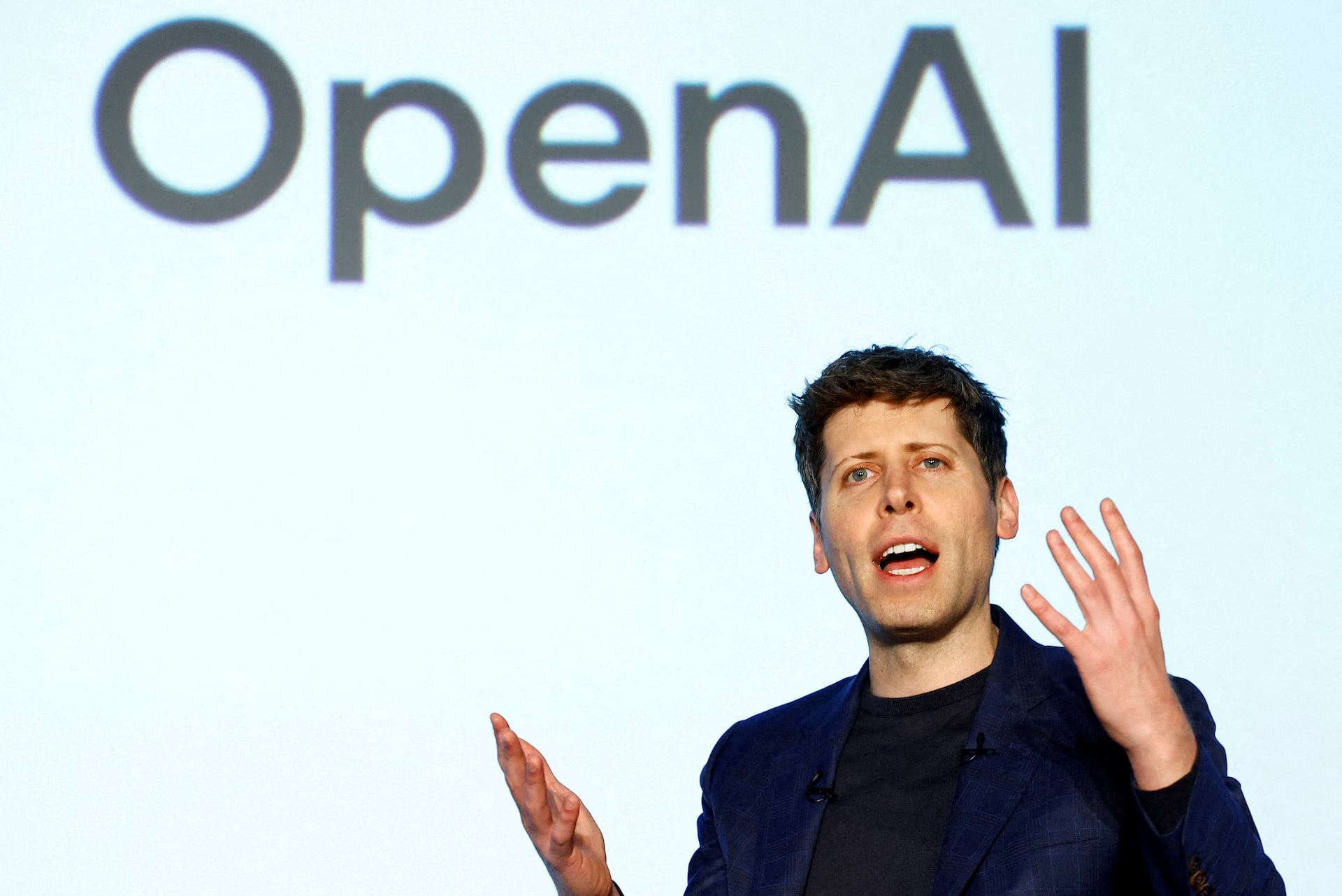
Talks between the Trump administration and OpenAI have renewed debate over whether Americans should share directly in the wealth created by artificial intelligence.
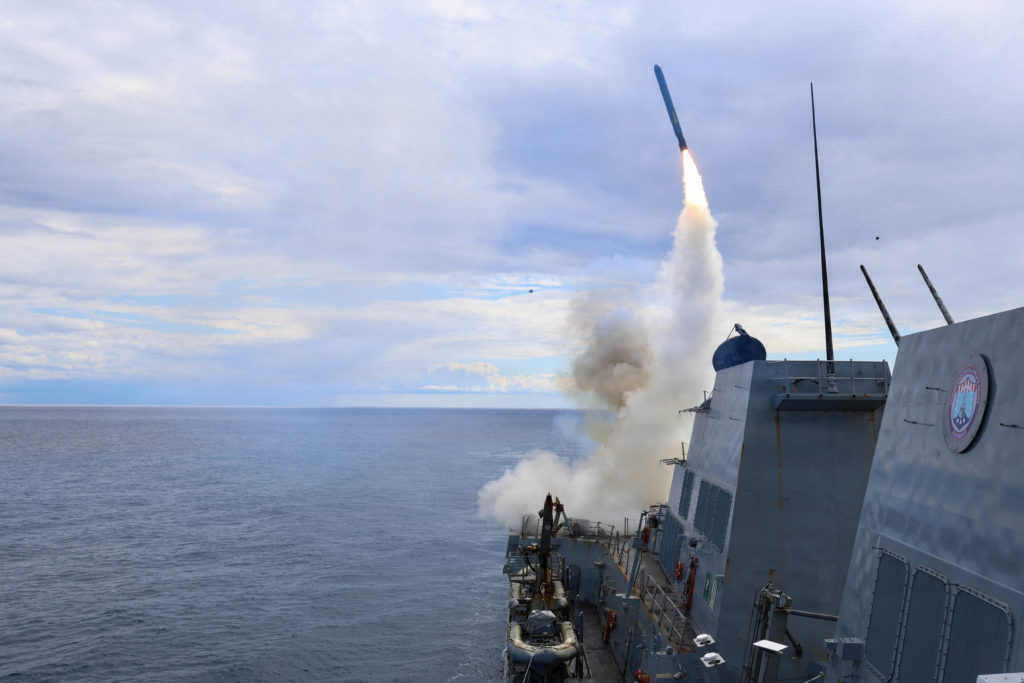
The United States and Iran exchanged major military attacks for a second consecutive day, pushing tensions in the Middle East to their highest level since the April ceasefire. President Donald Trump confirmed that U.S. forces launched dozens of Tomahawk missiles against Iranian military targets, while Iran responded with missile and drone attacks against U.S. bases across the region and announced an indefinite closure of the Strait of Hormuz. The confrontation is now raising concerns about global energy supplies, inflation, and the risk of a broader regional war.
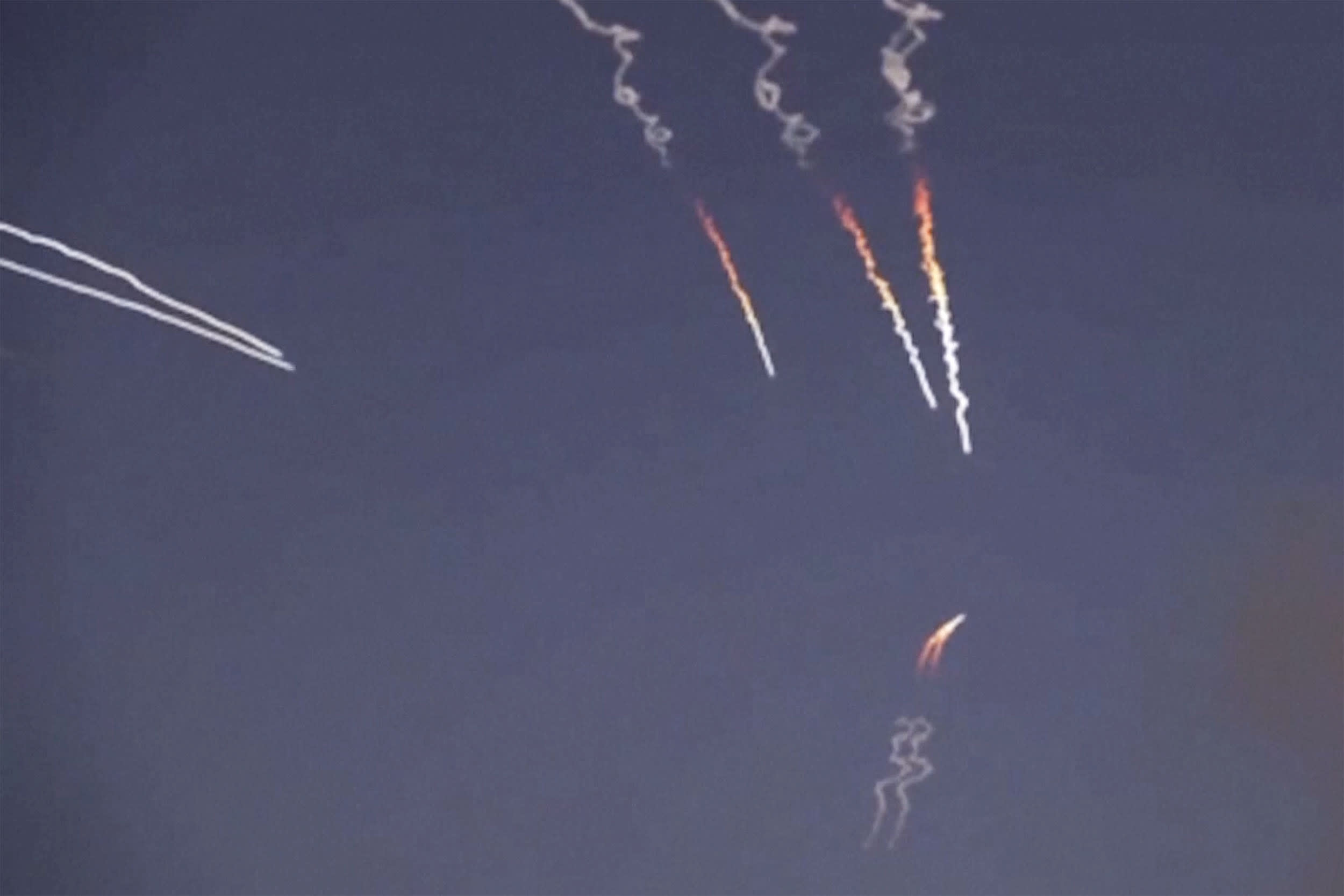
The United States launched a new round of military strikes against targets in Iran on Wednesday after diplomatic efforts to end the conflict stalled. President Donald Trump warned that additional attacks could follow, while Iran rejected American pressure and regional tensions continued to rise across the Middle East.
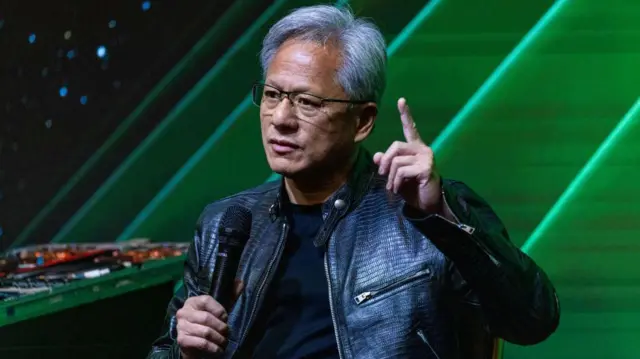
As competition with China intensifies across advanced technologies, America's leadership in artificial intelligence has become a national strategic priority. Nvidia's Jensen Huang recently highlighted Marvell as a potential future trillion-dollar company, signaling that the AI revolution is moving beyond chips and memory into its next critical phase: connectivity.
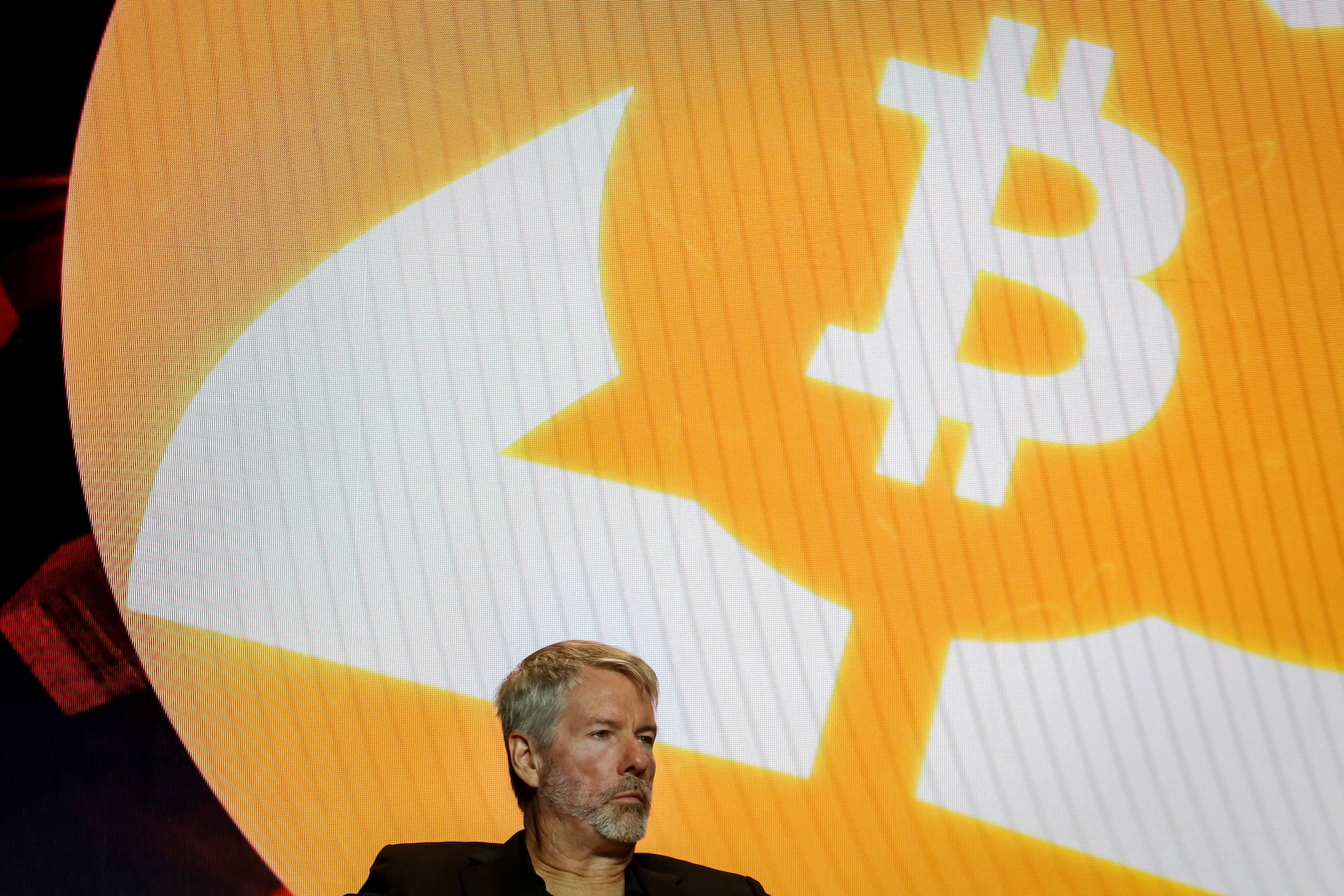
Despite Strategy’s renewed large-scale Bitcoin purchases after its earlier sale, the market may still face pressure in the months ahead. The issue is not whether Strategy remains bullish on Bitcoin, but whether its leveraged structure, dividend obligations, tighter liquidity, and competition from AI-driven investment opportunities can keep supporting Bitcoin prices in the short term. Strategy’s buying may help sentiment, but it may not be enough to stop further weakness over the next three months.
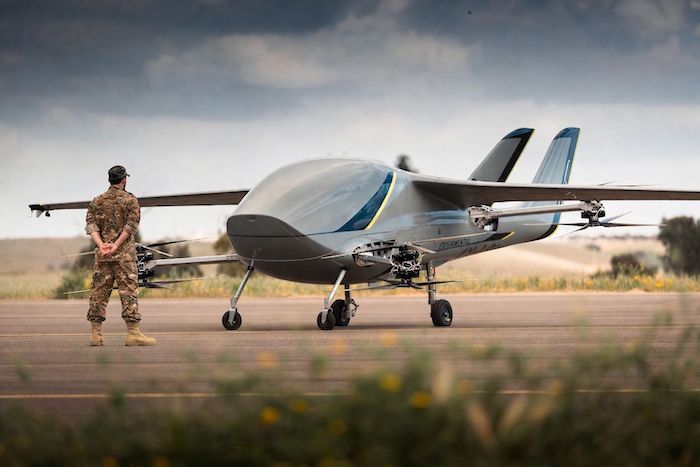
Israeli company AIR said it has completed the maiden flight of its production-line AIR Cargo drone, a large electric logistics UAV designed for commercial and defense missions. The company said the platform can carry up to 250 kilograms and is moving toward first customer deliveries in 2026.
Bitcoin fell sharply after Strategy reportedly sold a small amount of BTC, raising fears that key support near the company’s average purchase price could break.
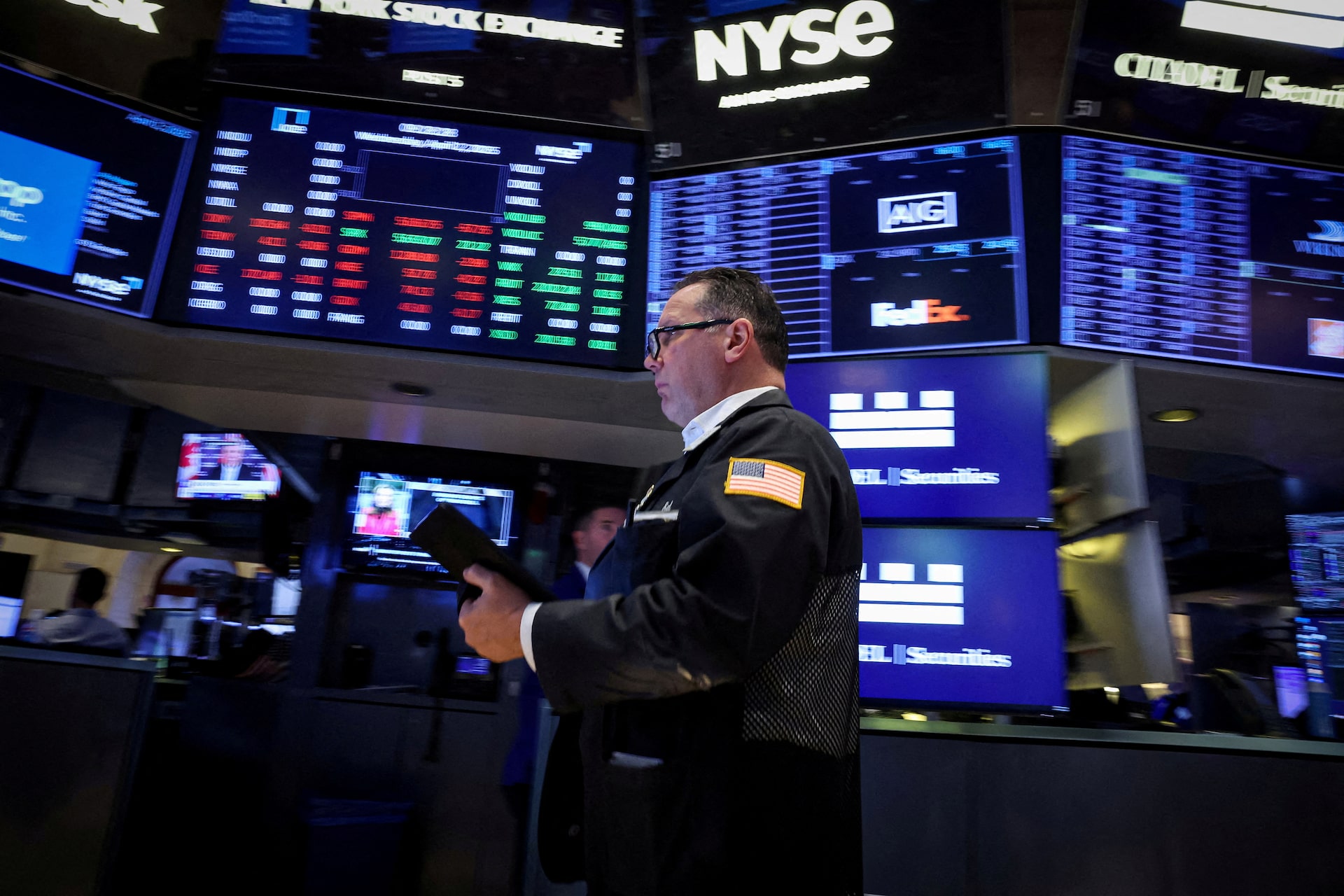
US markets fell sharply as renewed fighting with Iran pushed oil prices higher, lifted bond yields, and raised fears that inflation could force the Federal Reserve back into rate hikes.
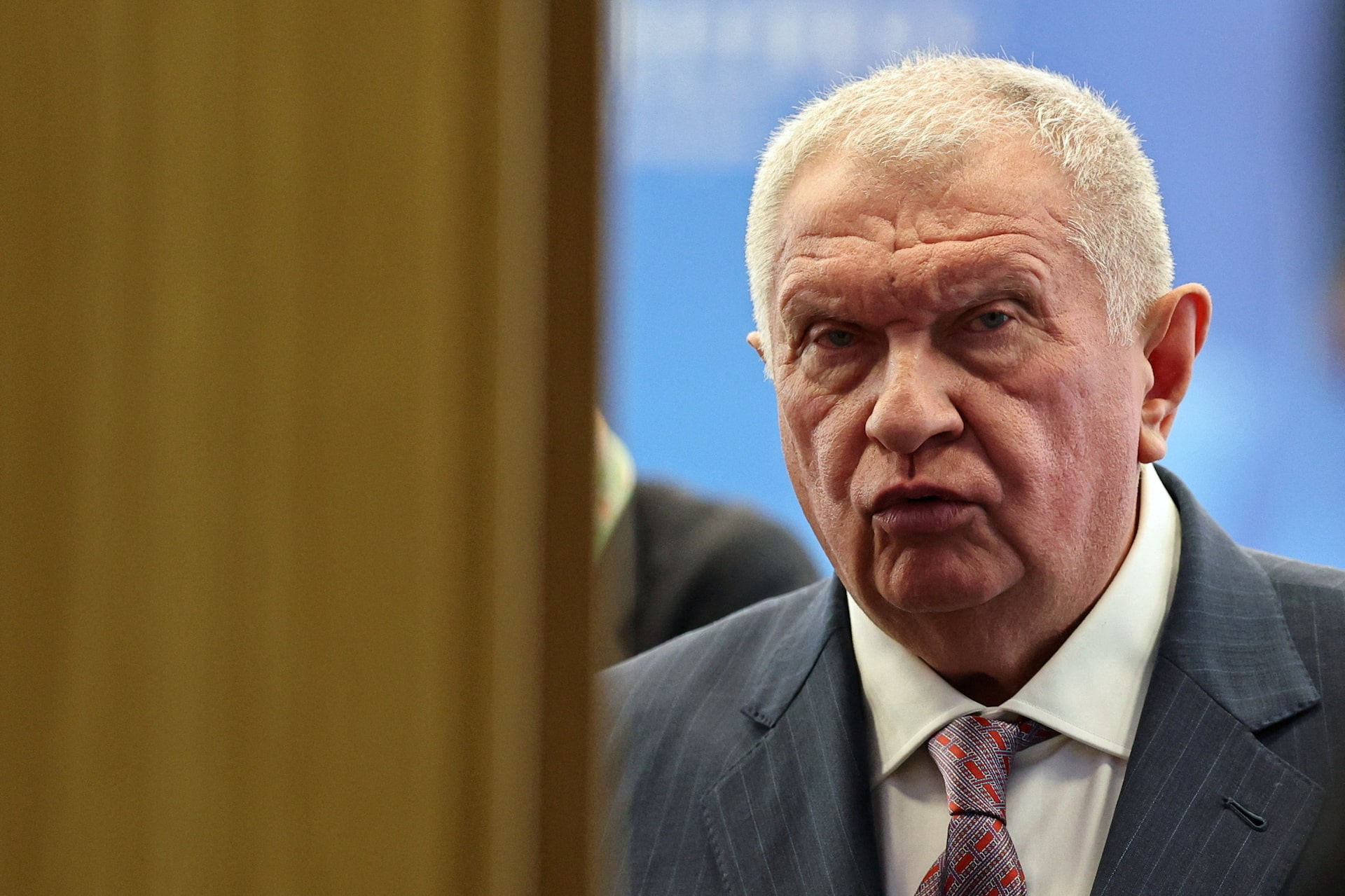
Rosneft CEO Igor Sechin argues that American oil and gas companies are among the biggest beneficiaries of the current Iran-related conflict, as higher crude prices boost profits and strengthen demand for U.S. energy exports. While the U.S. economy appears resilient enough to absorb some inflation pressure in the short term, history shows that prolonged energy crises can eventually hurt both consumers and the energy industry itself.
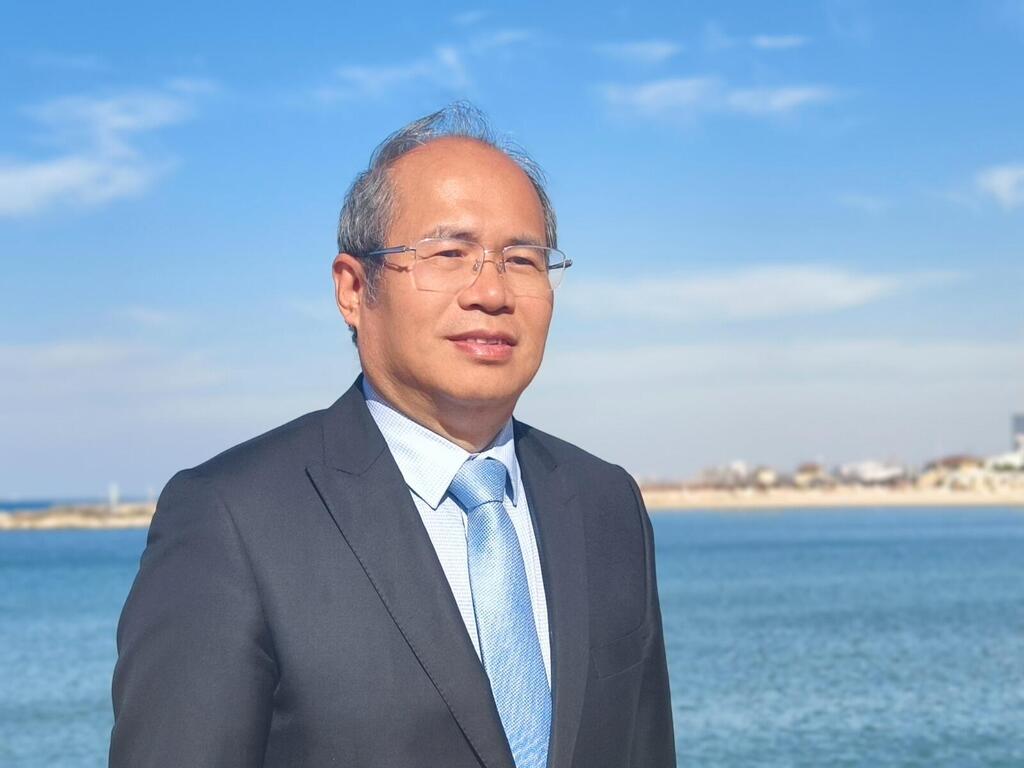
China’s ambassador to Israel, Xiao Junzheng, used an opinion piece to present China’s modernization as driven by technology and innovation, while calling for stronger cooperation with Israel in fields such as renewable energy, emissions reduction, desert development, AI, and advanced industry. The piece frames Israel’s “Startup Nation” reputation as a natural fit for expanded China-Israel tech ties.
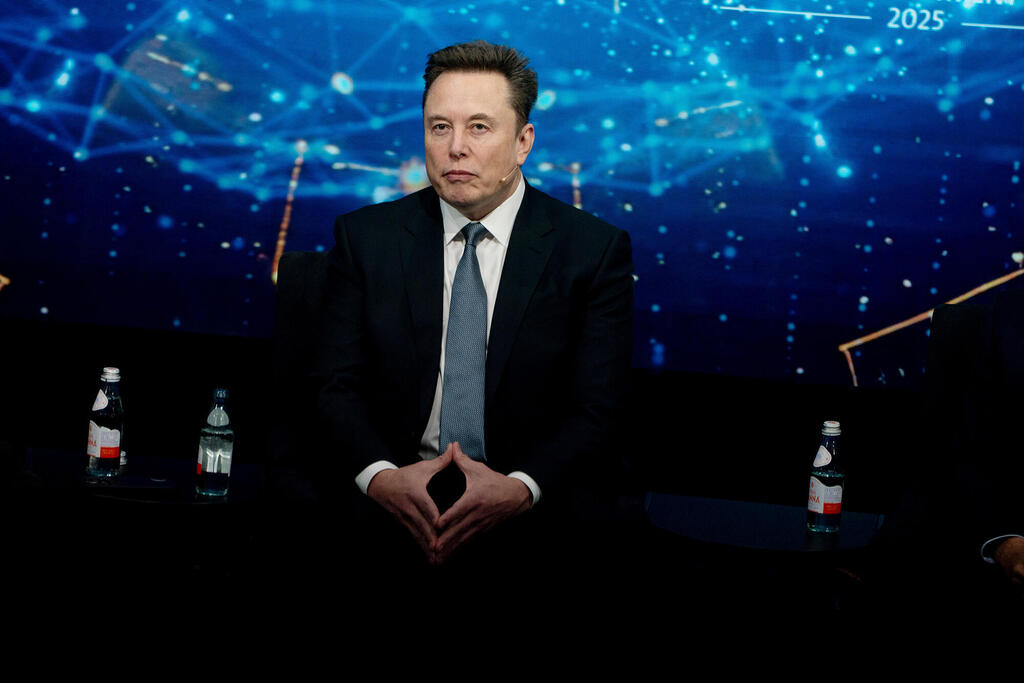
Elon Musk told Israel’s Smart Mobility Summit that Israel is “number one” in innovation per capita and predicted that artificial intelligence will power most transportation within the next five to ten years. Musk joined the Tel Aviv event by video after canceling an expected in-person appearance.

Rafael Advanced Defense Systems has introduced STORM SHIELD™, a compact electronic warfare system built to protect UAVs in contested airspace. The system is designed to detect radar threats, respond automatically, and use deception techniques to help unmanned platforms survive in dense air-defense environments.
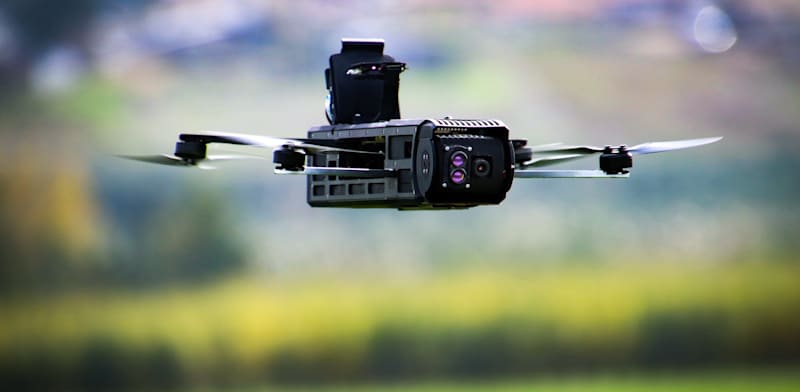
The IDF is setting up its own production line for FPV attack drones as Hezbollah increases its use of the weapons against Israeli forces in Lebanon. The move is meant to give Israel a larger, cheaper, and more secure supply of domestically produced drones while reducing reliance on Chinese components.
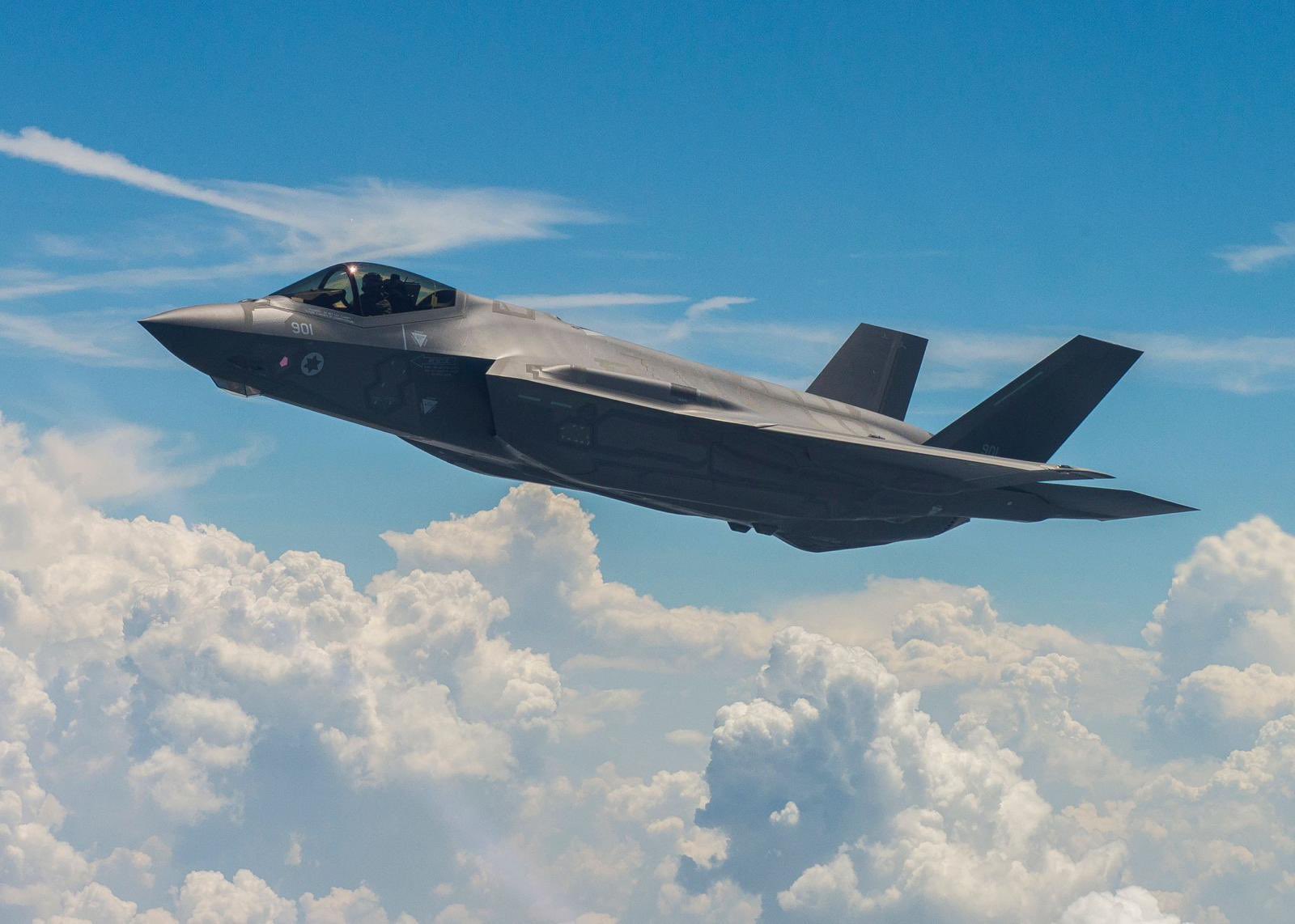
Israel’s Defense Ministry has signed a contract worth more than $34 million with Cyclone, a wholly owned Elbit Systems subsidiary, to develop extended-range capability for the F-35 “Adir” fighter jet. The project will adapt external fuel tank technology based on an existing Cyclone design originally built for the F-16.
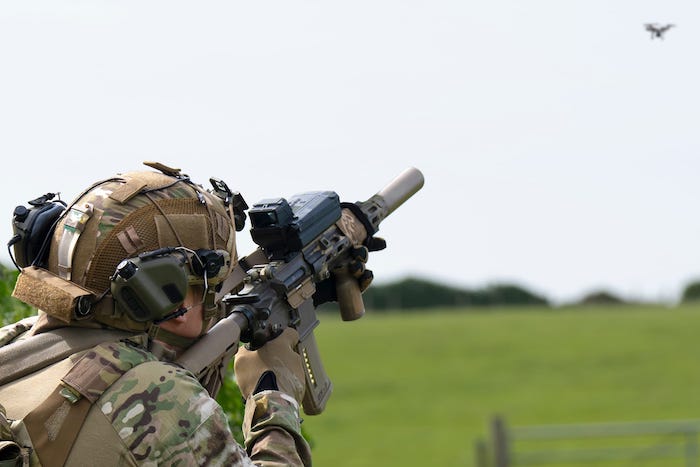
Israeli defense company Smart Shooter has secured a $10.7 million U.S. Army contract for its SMASH fire control systems, designed to help troops hit drones and other moving threats with greater accuracy. The deal follows earlier U.S. orders and comes as militaries look for faster answers to the growing small-drone threat.
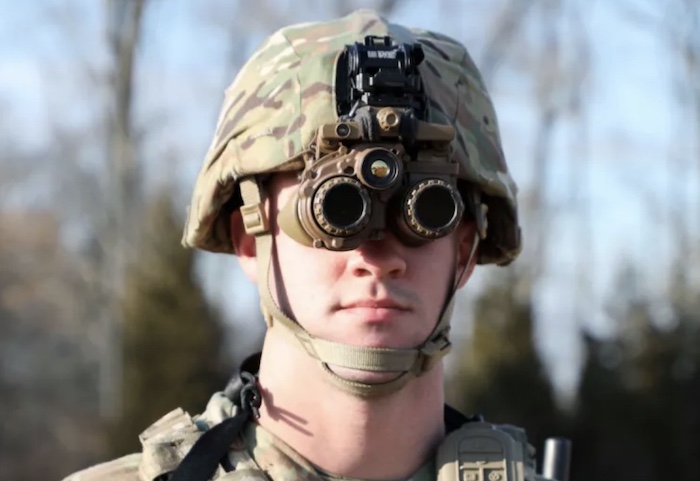
Elbit Systems of America, the U.S. arm of Israel’s Elbit Systems, has secured a $212 million U.S. Army order for advanced night vision systems. The deal keeps Elbit America as the sole supplier for this delivery order under the ENVG-B program, with deliveries expected through 2028.
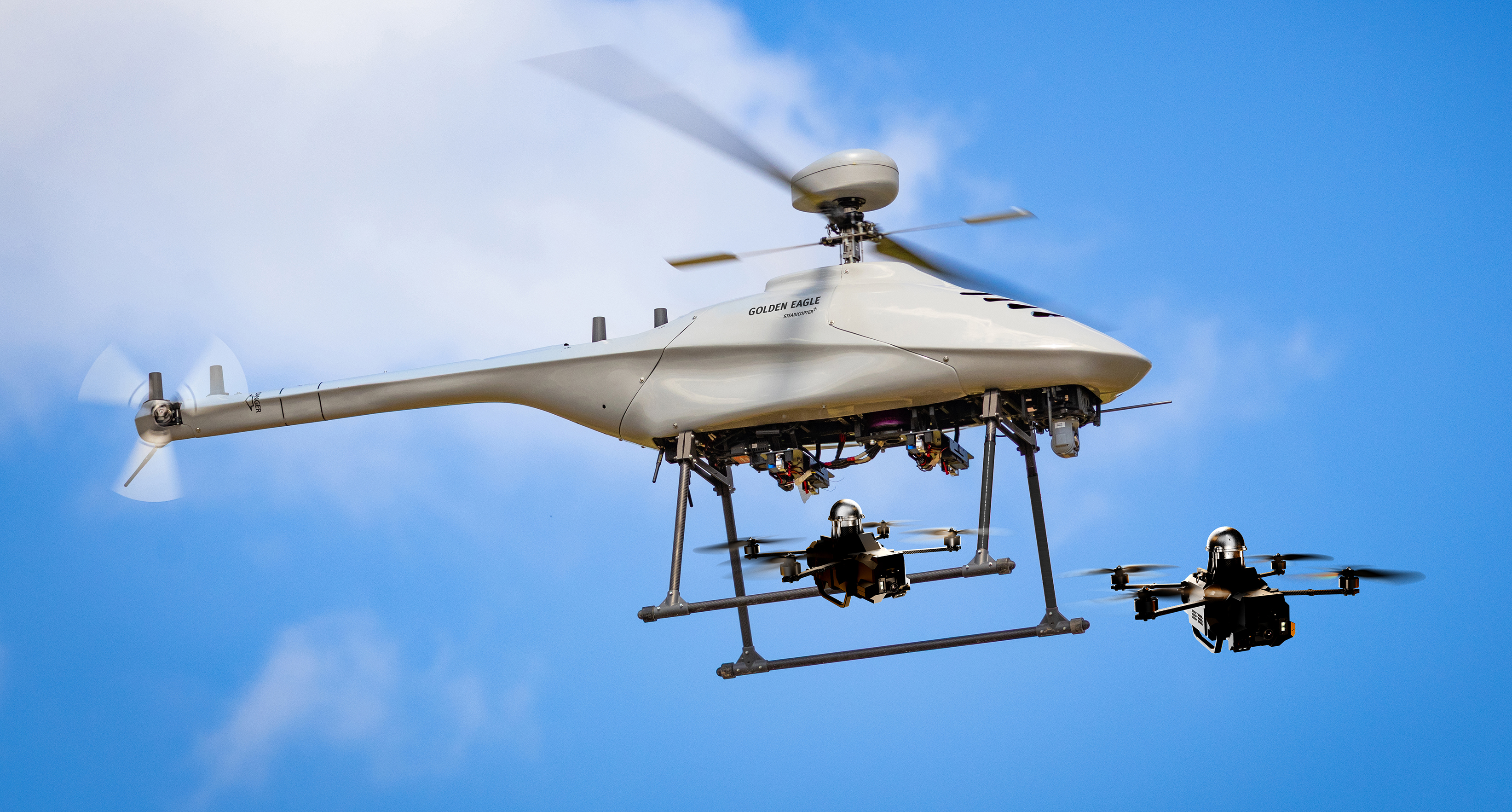
Steadicopter has unveiled a new “Mothership” concept for its Golden Eagle rotary unmanned aerial system. The setup is designed to carry and release small ISR drones, and potentially precision effectors, while keeping the main aircraft outside high-risk enemy engagement zones.
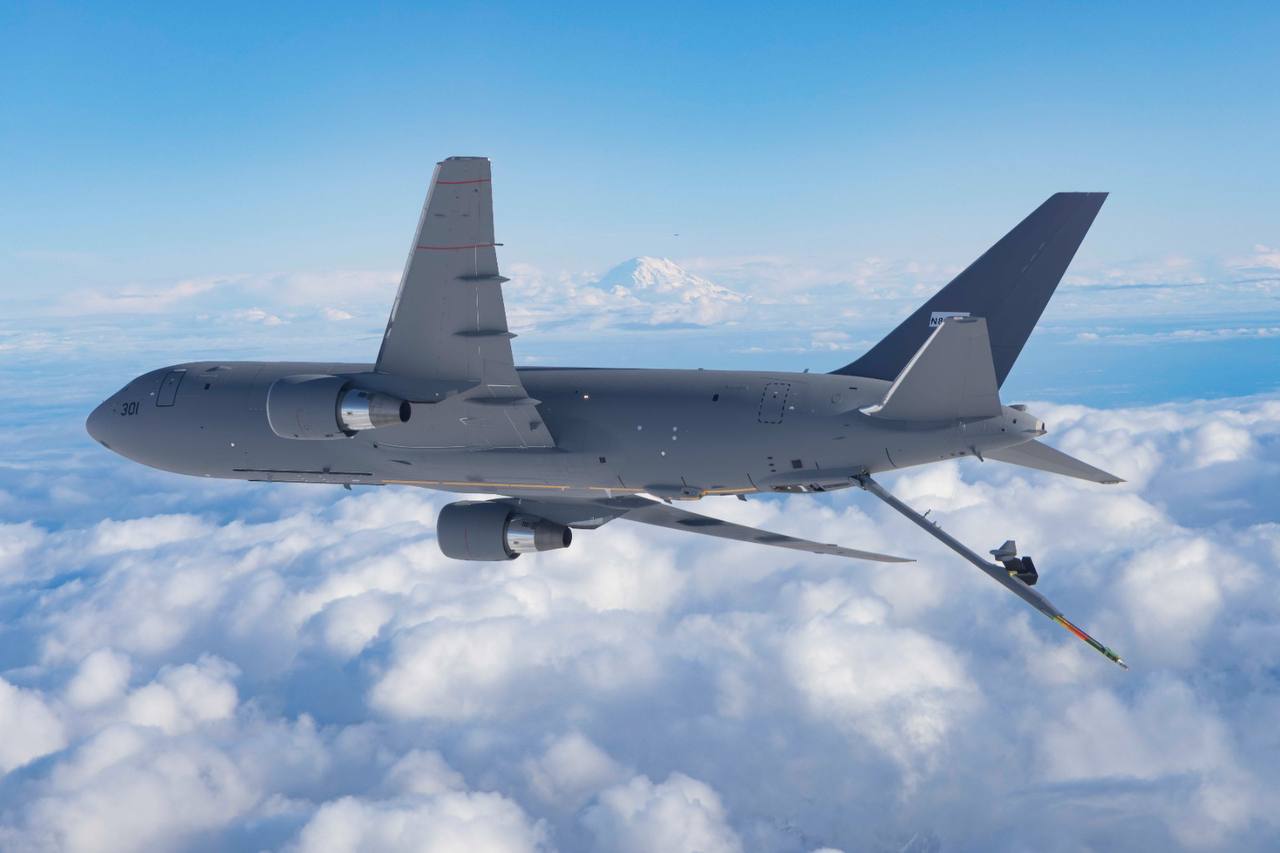
Israel’s Ministry of Defense announced that the new KC-46 “Gideon” refueling aircraft has completed its first test flight in the United States. The aircraft, manufactured by Boeing, is expected to be delivered to the Israeli Air Force in about a month. It is the first of six refueling planes purchased for the IAF and is expected to boost Israel’s long-range air capabilities.