China’s ambassador to Israel, Xiao Junzheng, used an opinion piece to present China’s modernization as driven by technology and innovation, while calling for stronger cooperation with Israel in fields such as renewable energy, emissions reduction, desert development, AI, and advanced industry. The piece frames Israel’s “Startup Nation” reputation as a natural fit for expanded China-Israel tech ties.
China’s Ambassador Pushes Innovation Ties With Israel
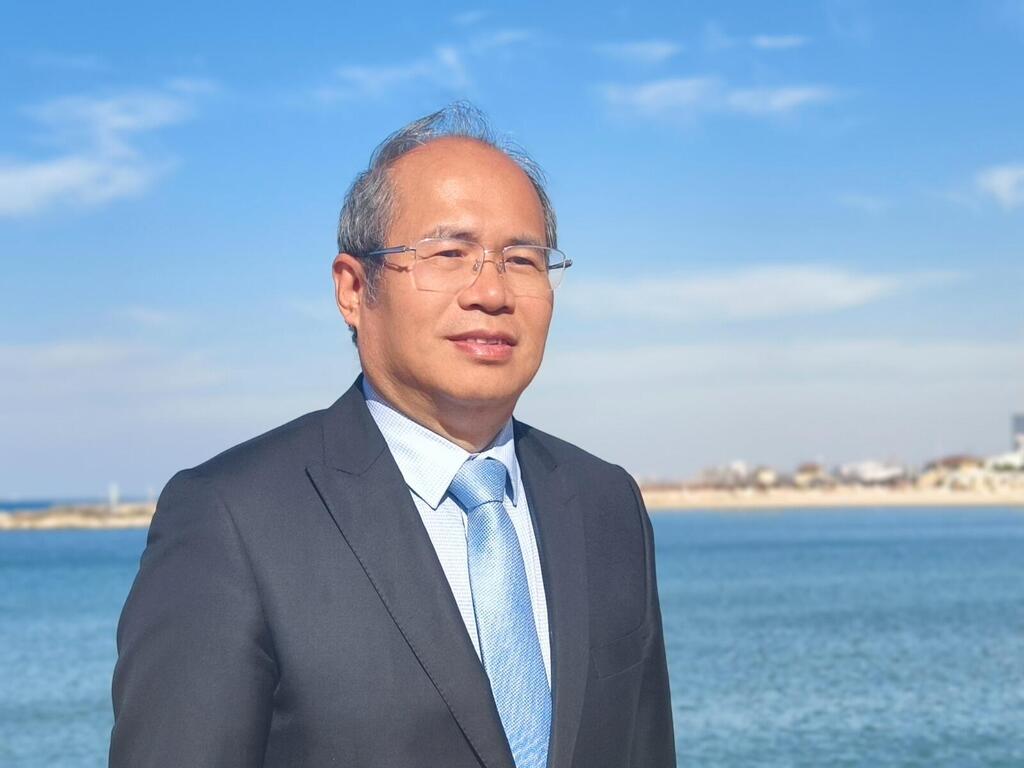
China’s ambassador to Israel, Xiao Junzheng, is calling for deeper technology cooperation between Beijing and Jerusalem, arguing that innovation has become a shared tool for both countries to deal with major development challenges.
In an opinion piece published by CTech, Xiao presented China’s modernization drive as a technology-led transformation built around artificial intelligence, advanced manufacturing, green energy, transportation, agriculture, and digital infrastructure.
He also pointed to Israel’s global reputation as the “Startup Nation,” saying innovation offers a practical path for expanded China-Israel cooperation.
China Frames Innovation as Its Main Growth Engine
Xiao argued that China’s development strategy is centered on innovation, rather than the older paths of heavy pollution, resource exploitation, or military expansion.
He credited China’s rapid growth to a national focus on technological upgrades, green development, industrial modernization, and open cooperation with other countries.
The ambassador highlighted areas where China says it has made major progress, including high-speed rail, renewable energy, smart manufacturing, autonomous vehicles, drones, robotics, biotechnology, space research, and artificial intelligence.
AI and Advanced Manufacturing at the Center
The opinion piece placed special focus on artificial intelligence, describing it as one of the main forces shaping the next stage of global productivity.
Xiao said China’s AI industry is expanding quickly and becoming more deeply connected to manufacturing, consumer electronics, transportation, and daily life.
He also pointed to China’s large base of engineers, university graduates, research workers, patents, and scientific publications as signs of the country’s growing innovation power.
China Seeks More Cooperation With Israel
Near the end of the article, Xiao turned directly to Israel, saying China wants to strengthen innovation cooperation with the Jewish state.
He listed renewable energy, energy conservation, emissions reduction, and desert development as possible areas for deeper cooperation.
The message was clear: Beijing sees Israel’s technology ecosystem as valuable and wants to build closer ties around practical innovation fields.
Opportunity and Strategic Caution
For Israel, the proposal comes with both opportunity and risk.
Israel has world-class technology in cyber, AI, agriculture, water, defense, desert innovation, and clean energy. That makes it attractive to major powers looking for advanced know-how.
At the same time, any deeper technology cooperation with China would need to be weighed carefully, especially as the United States continues to view Beijing as its main strategic competitor.
Israel’s challenge is to protect its security alliance with Washington while also managing economic and technology relationships with other major global players.
Israel’s Innovation Remains the Prize
The ambassador’s article is another reminder that Israel’s innovation economy is not just a business asset. It is a strategic asset.
Countries want access to Israeli talent, research, startups, and practical problem-solving because Israel has built a reputation for turning pressure into technology.
Whether in AI, defense tech, agriculture, water systems, or energy, Israel’s innovation base is now part of the global competition for influence, supply chains, and future power.

Loading comments...