Iran Backs Down After Israeli Pressure as Trump Pushes Ceasefire | Achla News
breaking
Iran Backs Down After Israeli Pressure as Trump Pushes Ceasefire
Iran has announced the suspension of its military operation against Israel following a brief but significant exchange of missile fire. While President Donald Trump is pushing for a ceasefire and broader regional negotiations, Tehran's decision to stand down appears to reflect successful Israeli deterrence rather than a genuine change in policy.
Iran appears to have backed down after its latest confrontation with Israel, announcing the end of its military operation while President Donald Trump urged both sides to stop firing and move toward a broader agreement.
According to Iranian state media, Iran's Khatam al-Anbiya central military command and the Islamic Revolutionary Guard Corps (IRGC) announced that military operations against Israel were being suspended. Tehran claimed it had delivered a 'painful punishment' to Israel but warned that any future Israeli action would trigger a much stronger response.
"If Israel carries out additional attacks or continues hostile actions in Lebanon, Iran will respond with much greater force and determination," the IRGC said in its statement.
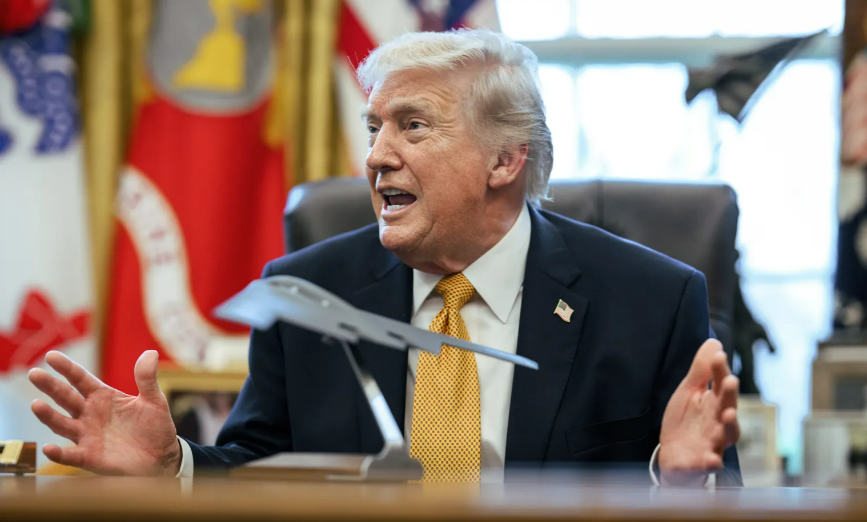
The announcement came roughly one hour after President Trump publicly called on both Israel and Iran to immediately stop firing. Trump later stated that both sides wanted an immediate ceasefire and claimed that final negotiations aimed at securing a broader peace agreement were already underway.
According to reports, Trump also held a phone conversation with Prime Minister Benjamin Netanyahu before issuing his public appeal. U.S. officials reportedly urged Israel not to further escalate tensions, arguing that a broader agreement with Iran could be within reach.
Iran Fires Missiles, Then Retreats
The latest confrontation began after Israel carried out strikes against Hezbollah terrorist infrastructure in southern Beirut. Iran, which has repeatedly warned that attacks on Hezbollah would draw a response, launched multiple missiles toward Israel in retaliation.
The IDF intercepted missiles fired from Iran, while air raid sirens sounded across parts of the region, including Jordan. Israel subsequently responded with strikes against Iranian military assets, including strategic air-defense systems.
The exchange marked Iran's first direct military attack on Israel since the ceasefire framework brokered by the United States earlier this year. Despite Tehran's aggressive rhetoric, Iran quickly moved to suspend operations after Israel demonstrated its willingness to respond forcefully.
The sequence of events reinforces a familiar reality in the region: when faced with determined Israeli military action, Iran often looks for a way to de-escalate rather than risk a broader confrontation.
Israel Has Not Yet Made a Final Decision
Israeli officials have not announced a final policy decision regarding the next phase of operations. Israeli media reported that the security cabinet was expected to meet to assess the situation and determine how to proceed.
One Israeli official said the military was awaiting clear direction from the political leadership regarding future action.
While Israel reportedly agreed to halt direct strikes against Iran following Trump's request, Jerusalem has made clear that Hezbollah attacks will not be tolerated. Israeli officials warned that if Hezbollah continues firing rockets and missiles at northern Israeli communities, further military action will follow.
Israeli forces are also expected to continue targeting Hezbollah terrorist infrastructure in southern Lebanon to prevent future attacks against Israeli civilians.
Iran's Retreat Signals Deterrence Still Works
Despite Tehran's declaration of victory, its decision to halt military operations tells a different story. The same Iranian statements that announced the suspension of operations also contained warnings and threats, underscoring that the regime's long-term hostility toward Israel has not changed.
Iran continues to fund, arm, and direct a network of terrorist organizations across the region, including Hezbollah, Hamas, and other Iranian-backed militias. Its strategic objectives remain intact.
The latest confrontation demonstrated that strong military deterrence remains effective. Iran launched missiles, Israel responded decisively, and Tehran ultimately chose to step back rather than continue escalating.
For Israel, the lesson is clear. Any future diplomatic progress must be backed by strength. Hezbollah cannot be allowed to rebuild its military infrastructure along Israel's northern border, and Iran cannot be permitted to use ceasefire negotiations as cover to regroup and prepare for future aggression.
Iran may be claiming success, but its decision to suspend operations suggests that Israeli pressure achieved its objective. Maintaining that pressure remains essential to securing long-term stability and protecting Israeli civilians.

Loading comments...