Iran Plays Games as Trump Says Deal Will Reopen Strait of Hormuz | Achla News
world
Iran Plays Games as Trump Says Deal Will Reopen Strait of Hormuz
President Trump says a U.S.-Iran agreement is set to be signed and would reopen the Strait of Hormuz, but Iran and the IRGC are already walking back the timeline, denying key details, and trying to keep pressure on global shipping while avoiding real accountability on the nuclear issue.
President Donald Trump said a deal with Iran to end the war and address Tehran’s nuclear threat was expected to be signed on June 14, adding that the Strait of Hormuz would be opened to all shipping immediately after the signing.
Trump said the agreement would be the opposite of the Obama-era Iran nuclear deal, describing it as a firm barrier against Iran obtaining a nuclear weapon. He also said no direct cash payment would be made to Iran under the arrangement.
Tehran Denies, Delays, and Changes Its Story
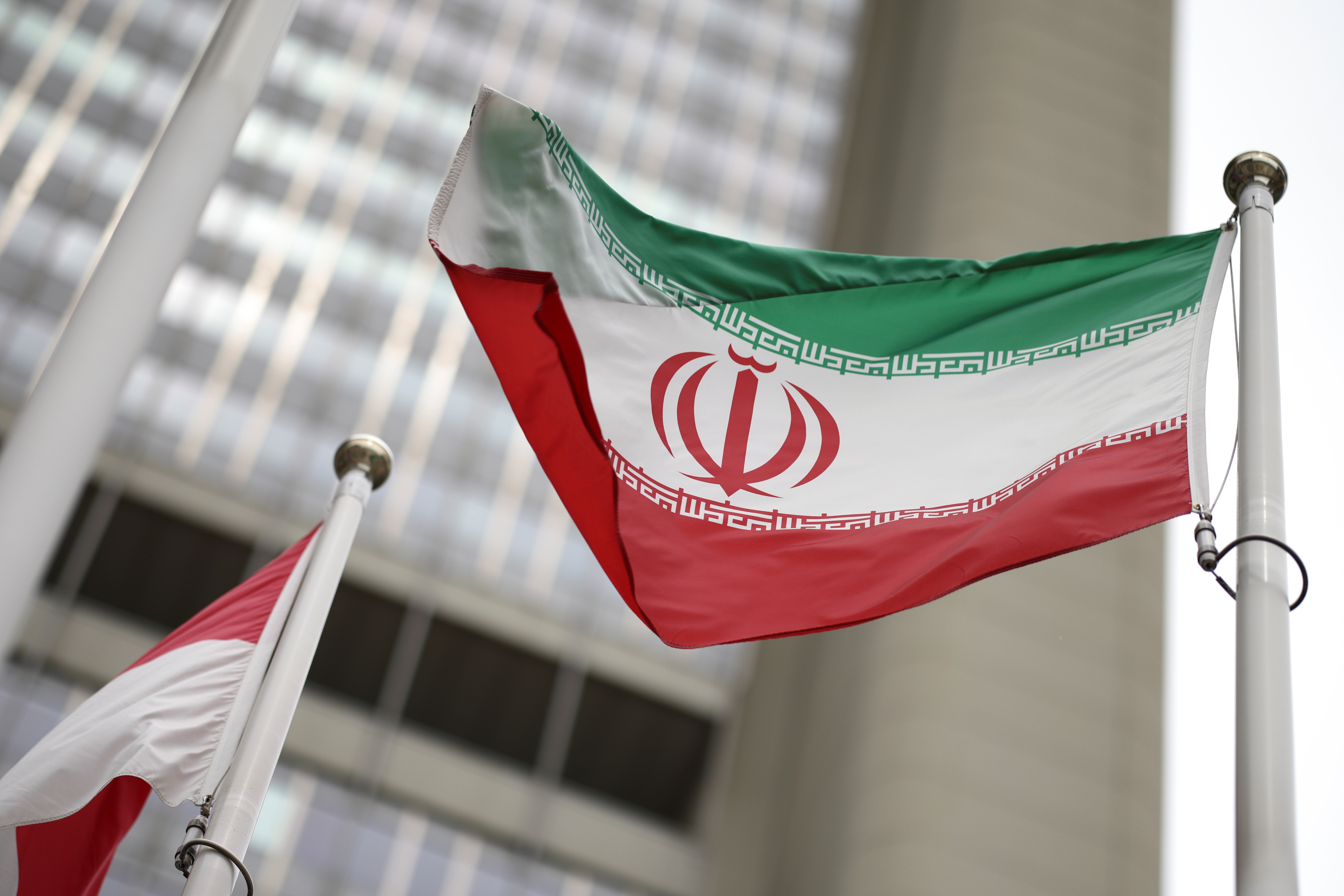
Iran quickly pushed back. Foreign Ministry spokesman Esmail Baghaei said the memorandum of understanding would not be signed on June 14, though he did not rule out a signing within days. Iran’s Islamic Revolutionary Guard Corps also denied that the deal had been finalized, accusing Trump of turning the date into a political show.
The message from Tehran was typical: deny the timeline, blur the facts, and keep every door open for more demands. Iranian officials say the current talks focus on ending the war, while claiming the nuclear issue will only be discussed later.
Hormuz Remains a Pressure Point
Iran also signaled that it still wants control over shipping through the Strait of Hormuz, including possible fees on vessels passing through the critical waterway. Baghaei said Iran and Oman should be able to take “necessary measures” for safe passage, while making clear that Tehran does not intend to back down just because Washington objects.
This is the same Iranian playbook: threaten global trade, deny responsibility, then demand concessions while pretending to be the reasonable side.
The Bottom Line
The United States says the agreement would extend the ceasefire, reopen Hormuz, and begin nuclear talks. Iran says the signing date is not final, the nuclear file is not yet on the table, and its position on Hormuz has not changed.
For Israel, the United States, and the region, the lesson is clear: Iran cannot be trusted with vague promises. Any deal must be enforced with pressure, inspections, and real consequences. The regime and the IRGC have spent years lying, stalling, and arming terror networks. Their words are not enough.

Loading comments...