Iran Publicly Backs Hezbollah After Lebanon Ceasefire Proposal Collapses
Iran has openly voiced support for Hezbollah after the terror group's rejection of a proposed ceasefire between Israel and Lebanon. The dispute has increased tensions in the region, with both sides resuming military operations and Iranian officials reaffirming their alliance with Hezbollah.
Iran has publicly aligned itself with Hezbollah after the Iran-backed terror organization rejected a proposed ceasefire agreement involving Israel and Lebanon, raising concerns that regional tensions could escalate further.
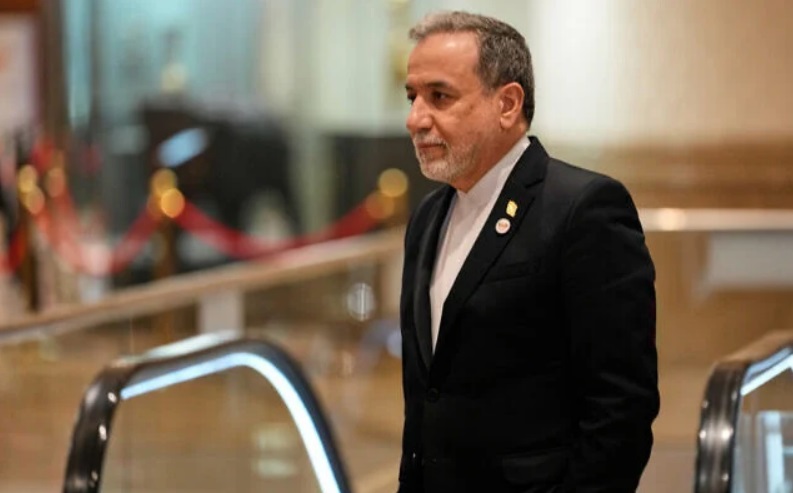
According to reports, Iranian Foreign Minister Abbas Araghchi said in an interview with Lebanese media on June 4 that the conflict cannot truly end until the fighting in Lebanon is resolved. He argued that any end to the war must include the withdrawal of Israeli forces from disputed areas.
Araghchi’s comments came shortly after Hezbollah Secretary-General Naim Qassem rejected a U.S.-mediated ceasefire proposal. Hezbollah opposed the agreement because it did not include provisions for an Israeli military withdrawal. Following the breakdown of the proposal, hostilities resumed, with Israeli forces continuing military operations against Hezbollah targets in southern Lebanon while the terror group responded with rocket and drone attacks.
The collapse of the ceasefire framework has raised doubts about diplomatic efforts aimed at reducing tensions along Israel’s northern border.
Lebanese President Joseph Aoun reportedly pushed back against Iran’s position, criticizing attempts to use Lebanon as a bargaining chip in broader regional negotiations and conveying his concerns to Iranian officials. Tehran, however, showed no signs of backing down.
On June 6, Araghchi responded on social media, criticizing Aoun’s remarks and accusing him of overlooking what Iran views as the primary source of instability in Lebanon. In his message, Araghchi urged Aoun to “save Lebanon from its real enemy,” referring to Israel, and suggested that criticism directed at Tehran ignored ongoing Israeli military operations and the displacement caused by the conflict.
Senior Iranian officials also moved to reinforce Tehran’s support for Hezbollah. Mohsen Rezaei, a military adviser to Iran’s Supreme Leader, described Hezbollah as a “steadfast ally” that had made significant sacrifices during the recent fighting. Rezaei declared that Iran would continue supporting Hezbollah and fulfilling what he described as its obligations toward the organization.
He also emphasized Iran’s position that Lebanon remains central to any future regional arrangements and called for the withdrawal of Israeli forces.
The renewed fighting highlights Iran’s continued support for Hezbollah and other Iran-backed terror networks operating throughout the region. As Hezbollah and Israel continue exchanging attacks, concerns are growing that the conflict could further undermine diplomatic efforts and increase the risk of a wider regional confrontation.

Loading comments...