Iran has publicly rejected reports of renewed negotiations with Washington while holding separate talks with Oman over the Strait of Hormuz. At the same time, Saudi Arabia says Iran-backed militias launched drones at key oil facilities, underscoring the continuing threat posed by Tehran’s regional terror network despite a temporary pause in U.S. strikes.
Iran has publicly rejected reports of renewed negotiations with Washington while holding separate talks with Oman over the Strait of Hormuz. At the same time, Saudi Arabia says Iran-backed militias launched drones at key oil facilities, underscoring the continuing threat posed by Tehran’s regional terror network despite a temporary pause in U.S. strikes.
Iran is publicly ruling out renewed negotiations with the United States, even as military activity around the Strait of Hormuz has temporarily slowed and regional governments seek to prevent a wider conflict.
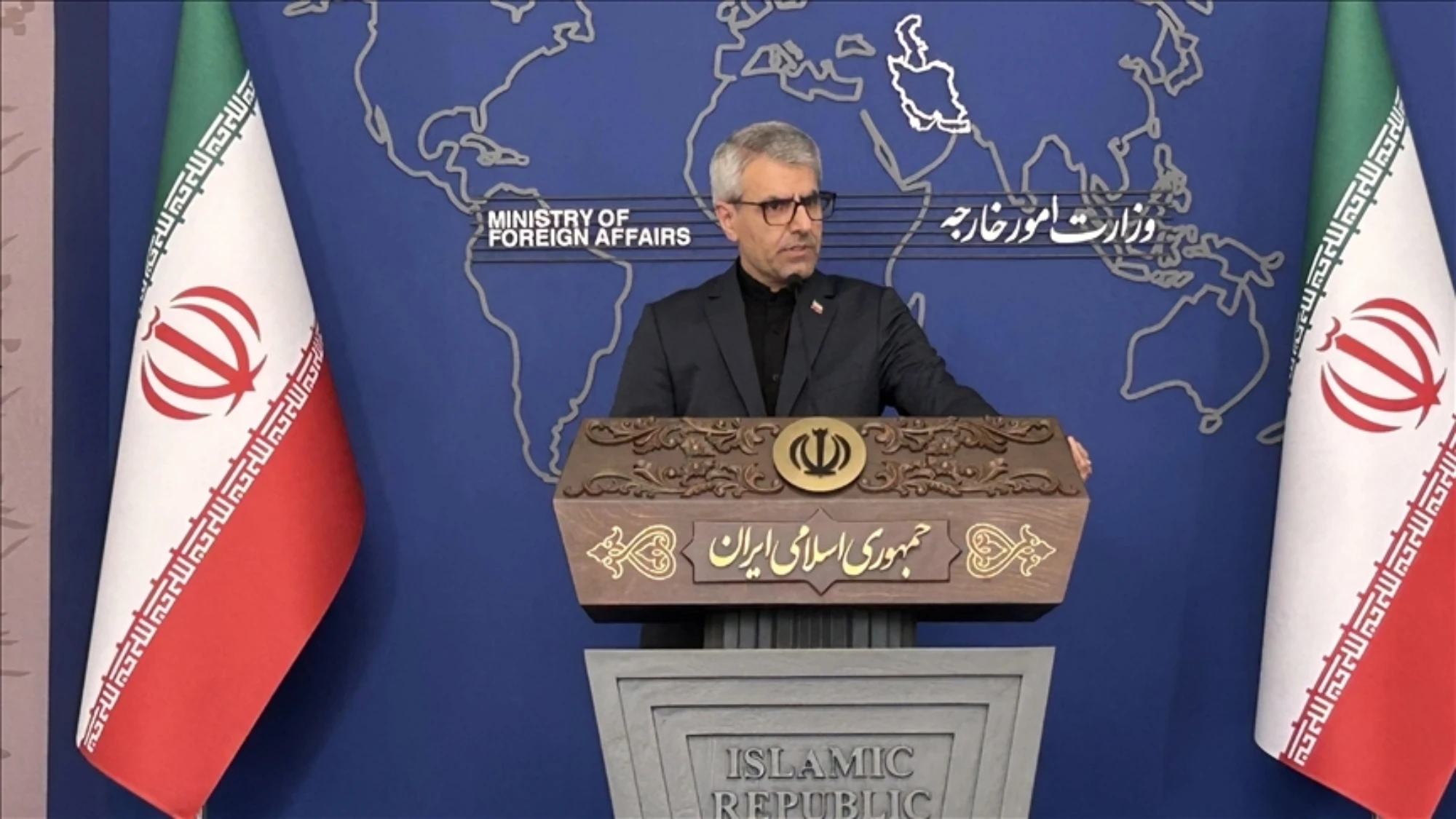
Iranian Foreign Ministry spokesman Esmail Baghaei said Tehran was not involved in talks with Washington and had not asked for negotiations to resume. His comments appeared aimed at dismissing reports that Pakistan, Qatar, and other mediators had proposed a ceasefire and a return to diplomacy.
“Iran has not asked the United States to resume negotiations,” Baghaei said, according to Iranian state media.
Baghaei accused the United States of becoming trapped in a prolonged conflict and said Washington could not decide on its own when war or peace would begin. He added that Iran’s decisions would be based on its own security and national interests.
U.S. Strikes Paused After Military Review
President Donald Trump reportedly ordered a temporary pause in American strikes against Iranian targets after senior U.S. commanders concluded that the existing operation had reached the limit of its immediate effectiveness.
According to Axios, U.S. Central Command chief Gen. Brad Cooper advised the Pentagon, Joint Chiefs of Staff, and White House that two weeks of strikes had significantly weakened Iran’s ability to attack shipping near the Strait of Hormuz.
Most of the designated targets had reportedly already been hit, while roughly 20 percent remained. Cooper reportedly concluded that continuing the same pattern of strikes would have limited military value unless the United States launched a broader operation.
Joint Chiefs Chairman Gen. Dan Caine also reportedly warned that shortages of air-defense interceptors could weaken protection for American forces and allies in the Middle East.
The pause does not amount to a permanent ceasefire. American officials have made clear that U.S. forces remain prepared to respond if Iran threatens American personnel, regional allies, or international shipping.
Iran and Oman Discuss the Strait of Hormuz
Iran confirmed that it is holding separate discussions with Oman over navigation and security in the Strait of Hormuz.
Baghaei insisted that those discussions had no connection to Washington and blamed American military action for instability in the waterway. He said Iran and Oman were seeking an independent mechanism for safe navigation that would respect both countries’ sovereignty.
The Strait of Hormuz remains one of the world’s most important energy routes. Any prolonged closure or disruption could threaten global oil supplies and place further pressure on the United States and its regional partners.
Saudi Arabia Intercepts Iran-Backed Drones
Even as direct U.S.-Iran military activity slowed, the wider Iranian threat continued through Tehran-backed militias across the region.
Saudi Arabia said its air defenses intercepted and destroyed multiple drones targeting oil facilities in the eastern part of the kingdom and near Riyadh.
Saudi Defense Ministry spokesman Turki al-Maliki said the drones were launched from Iraqi territory and blamed an Iran-backed terrorist militia for the attack.
Saudi Arabia has the legitimate right to defend its territory, population, and national assets, al-Maliki said, warning that the kingdom reserved the right to respond at an appropriate time and place.
Riyadh called on the Iraqi government to prevent its territory from being used as a launching ground for attacks against neighboring countries.
Iran-backed Houthi terrorists in Yemen also claimed separate attacks on Saudi oil supply and transportation facilities, including targets in the eastern region and near the Red Sea city of Yanbu. The Houthis said the operation was retaliation for alleged Saudi drone activity over Yemen.
Iran’s Proxy Network Remains the Central Threat
The developments show that even when direct military exchanges slow, Iran continues to pressure the region through drones, militias, shipping threats, and proxy terror groups.
Tehran may be rejecting talks in public to strengthen its negotiating position, but its regional network remains active. Iran-backed forces continue to threaten energy infrastructure, international shipping, American interests, and U.S. allies.
The United States and its partners cannot treat a temporary pause as lasting peace. Iran must be prevented from using proxy groups and strategic waterways to blackmail the region or threaten global energy security.

Loading comments...