Iran Says Hormuz Reopening Deal With Oman Is Near, Demands U.S. Concessions | Achla News
world
Iran Says Hormuz Reopening Deal With Oman Is Near, Demands U.S. Concessions
Iran says negotiations with Oman over reopening the Strait of Hormuz are close to an agreement, but Tehran is tying a full reopening to additional demands involving the United States. The proposed arrangement could also reshape shipping routes through one of the world’s most strategically important waterways.
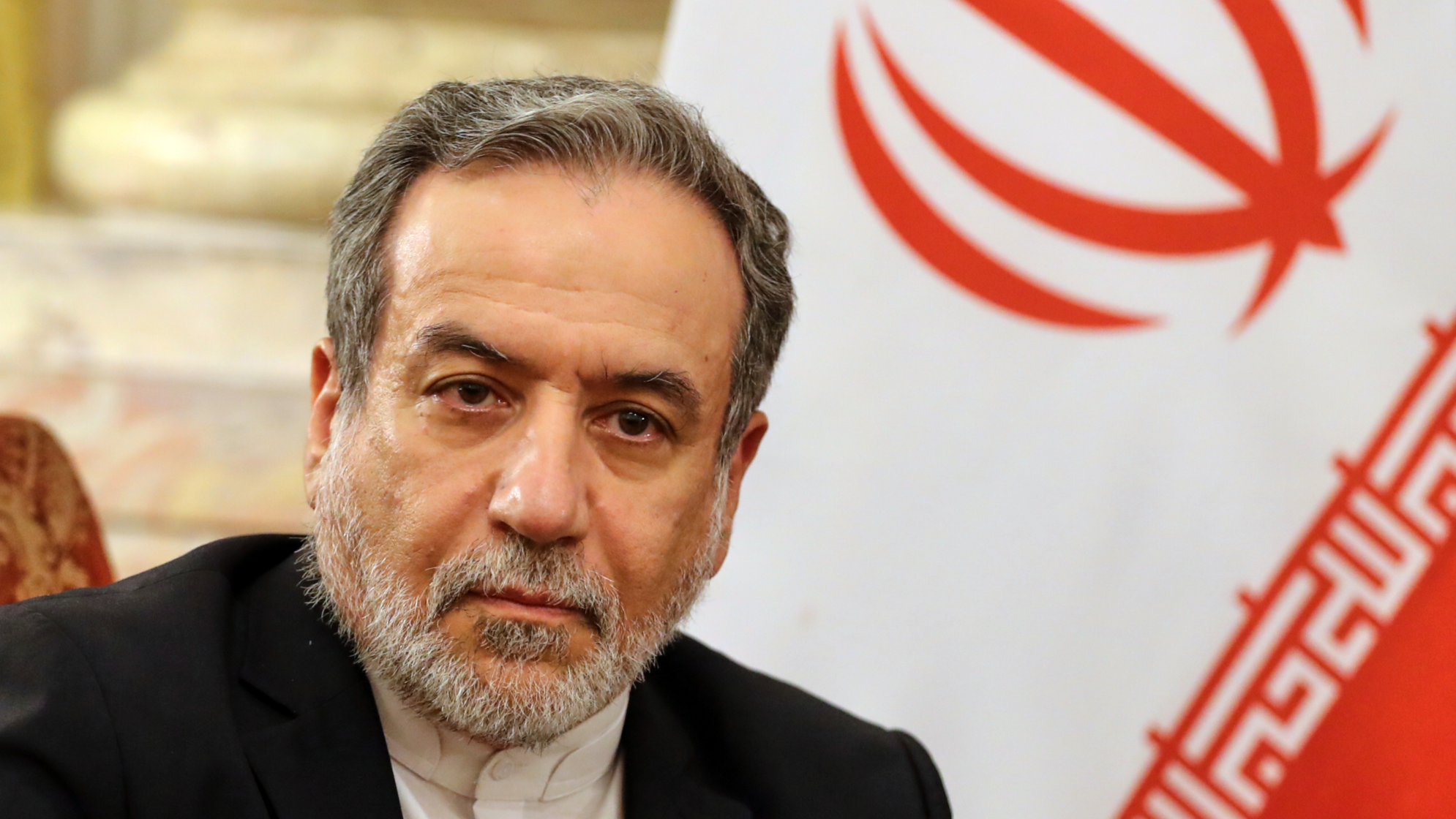
Iran and Oman are nearing an agreement aimed at restoring normal shipping through the Strait of Hormuz, Iranian Foreign Minister Abbas Araghchi said on August 8.
Araghchi, speaking alongside Iranian President Masoud Pezeshkian at a press conference, said negotiations between Tehran and Muscat were “very close” to producing an agreement.
However, he said Iran would not fully reopen the strait unless additional conditions were met, including compensation Tehran is demanding over what it describes as a U.S. violation of the Islamabad Memorandum of Understanding.
Iran Seeks New Shipping Routes
Araghchi said Iran no longer considers the previous Traffic Separation Scheme, or TSS, suitable for maritime traffic from Tehran’s perspective and wants a new arrangement established.
Iranian and Omani military officials are negotiating a temporary shipping route while the two countries work toward a final system. Until that arrangement is completed, existing routes are expected to remain the basis for vessel traffic.
Araghchi said the earlier memorandum was expected to return shipping through the strait to normal levels within a month. He claimed traffic had already recovered to about 60% of normal levels two weeks after the agreement was reached.
Tehran blamed subsequent restrictions on U.S. efforts to establish a new route. That accusation is Iran’s position and was not independently verified in the reports.
IRGC Sets Conditions for Reopening
An Islamic Revolutionary Guard Corps spokesman, Sardar Mohebi, separately said Iran wants Washington to accept Tehran’s conditions and stop interfering in regional negotiations before the strait is fully reopened.
Iran is therefore using access to a critical international shipping corridor as leverage while negotiations continue.
Draft Deal Would Divide Entry and Exit Routes
The Wall Street Journal reported on August 5 that Iran and Oman had agreed on key elements of a draft arrangement and had shared the proposal with the United States and other regional governments.
Under the reported draft, vessels entering the Strait of Hormuz would coordinate with Iran and use a route on the Iranian side, while ships leaving the strait would coordinate with Oman and travel through Omani waters.
The proposal would give Iran a degree of control over vessels entering the Persian Gulf through the strait. Tehran would reportedly be prohibited from imposing formal transit or service fees.
The arrangement could still leave room for voluntary payments connected to security, search-and-rescue operations or related costs.
Strategic Stakes Remain High
The Strait of Hormuz is one of the world’s most important maritime chokepoints, making any Iranian attempt to condition or restrict access a major security and economic concern for the United States, Israel and other regional partners.
While negotiations with Oman appear to be advancing, Iran’s insistence on attaching political conditions to reopening the waterway means the dispute is not yet resolved.

Loading comments...