Iran Threatens Regional Infrastructure as U.S. Strikes Expand Near Strait of Hormuz | Achla News
world
Iran Threatens Regional Infrastructure as U.S. Strikes Expand Near Strait of Hormuz
U.S. forces carried out additional strikes on Iranian military targets near the Strait of Hormuz as Tehran threatened retaliation across the Middle East. Iran has also reportedly instructed the Houthis to prepare attacks and a possible blockade at the Bab el-Mandeb Strait, raising fears of a wider conflict affecting global oil and shipping routes.
U.S. forces carried out a new round of strikes against Iranian military infrastructure near the Strait of Hormuz as Tehran threatened major retaliation across the Middle East.
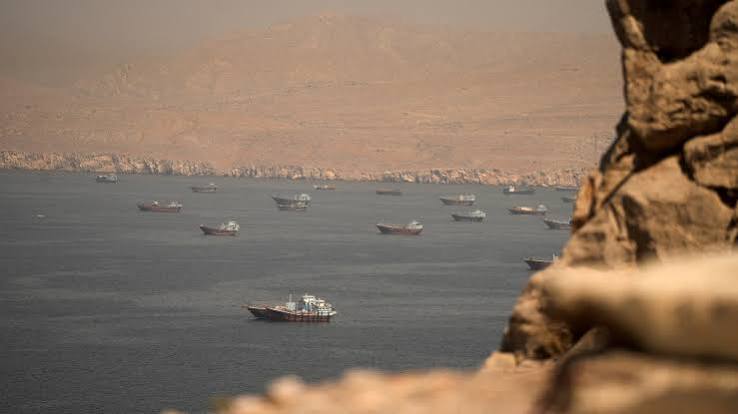
Iranian media reported on July 16 that American missiles struck areas near Qeshm Island. The scale of the attack and any casualties or damage were not immediately confirmed.
CENTCOM Targets Iranian Military Capabilities
U.S. Central Command said American forces struck Iranian command centers, air-defense sites, missile and drone facilities, and coastal surveillance systems in several locations, including Bandar Abbas.
CENTCOM said the operation was intended to weaken Iran’s ability to threaten commercial vessels passing through the Strait of Hormuz. Earlier strikes also targeted coastal-defense and cruise-missile positions on Greater Tunb Island.
“The U.S. military is holding Iran accountable at the Commander in Chief’s direction,” CENTCOM said.
Iran Calls Hormuz a Red Line
Iran’s senior military leadership warned that any expanded American attack on Iranian power plants, bridges, or other critical infrastructure would trigger retaliation against infrastructure throughout the region.
Tehran declared that foreign involvement in the Strait of Hormuz was a red line and warned neighboring countries not to allow the United States to use their territory, airspace, or waters for operations against Iran.
Iran also claimed that attacks against military bases or assets used in operations against its territory would be acts of self-defense. Those claims have not been independently verified.
Houthis Threaten Saudi Arabia and Red Sea Shipping
Iran-backed Houthi leader Abdul-Malik al-Houthi threatened to strike Saudi oil facilities, airports, and other critical infrastructure if fighting with Saudi Arabia escalates.
The Houthis also threatened Riyadh’s airport if additional attacks are carried out against Sanaa International Airport.
According to media reports, Iran has instructed the Houthis to prepare for maritime attacks and a possible blockade of the Bab el-Mandeb Strait if the United States strikes Iranian power infrastructure.
The Bab el-Mandeb connects the Red Sea with the Gulf of Aden and is one of the world’s most important shipping routes. A simultaneous threat to both the Strait of Hormuz and Bab el-Mandeb could disrupt oil exports, commercial shipping, and global energy markets.
Washington Weighs Wider Military Options
Additional reports say the Trump administration is considering expanding military operations against Iran. Options reportedly under discussion include further airstrikes, attacks on underground nuclear infrastructure, and possible action against Kharg Island, a major center for Iranian oil exports.
President Donald Trump has warned that Iranian power plants and bridges could become targets if Tehran refuses to change course and reach an agreement.
Any ground operation or attack on deeply buried nuclear facilities would carry significant military risks and could lead to American casualties and a broader regional war.
Iran’s Terror Network Raises the Stakes
Iran is once again using its regional terror network to threaten international trade and pressure the United States and its allies. The Houthis have already demonstrated their willingness to attack civilian shipping and destabilize the Red Sea.
The United States and its partners cannot allow Iran or its terrorist proxies to control the world’s most important maritime routes through missile threats, drone attacks, and economic blackmail.

Loading comments...