Iran Threatens to Keep Strait of Hormuz Closed Unless U.S. Meets Demands | Achla News
world
Iran Threatens to Keep Strait of Hormuz Closed Unless U.S. Meets Demands
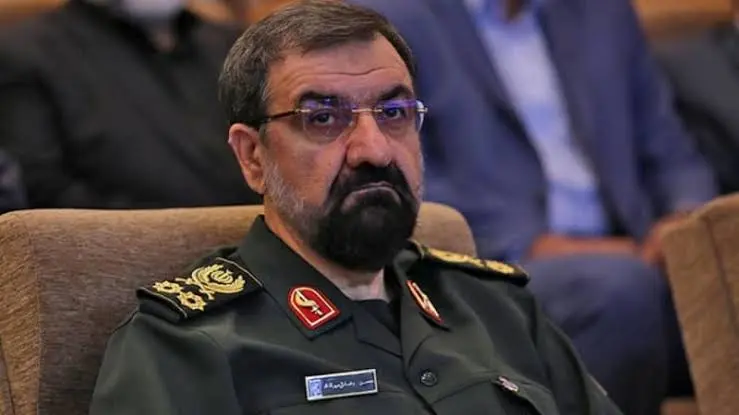
Iran’s new top national security official, Mohsen Rezaei, says Tehran will not reopen the Strait of Hormuz unless the United States changes course, releases frozen Iranian funds, and meets additional Iranian demands. U.S. military intelligence reportedly assesses that control of the strategic waterway has become a higher priority for Tehran than its nuclear program.
Iran is threatening to keep the Strait of Hormuz closed unless the United States meets a series of demands, as Tehran seeks greater control over one of the world’s most important energy shipping routes.
Mohsen Rezaei, the recently appointed secretary of Iran’s Supreme National Security Council, delivered the warning during an August 11 meeting with China’s ambassador to Iran.
“The Strait of Hormuz will never be opened until the United States changes its behavior and accepts Iran’s conditions,” Rezaei said.
Rezaei demanded the release of frozen Iranian funds and an end to regional wars, including the conflicts in Gaza and Lebanon. He also called for Washington to fulfill additional Iranian conditions that Tehran has conveyed through mediators.
Iran Shifts Strategic Focus Toward Hormuz
U.S. military intelligence reportedly assesses that Iran is now placing greater strategic importance on controlling the Strait of Hormuz than on its nuclear program.
The assessment underscores the growing importance of the narrow waterway in Tehran’s confrontation with Washington. The Strait connects the Persian Gulf with the Gulf of Oman and is a critical route for global oil and gas shipments.
U.S. military officials have also reportedly warned President Donald Trump that an American operation to seize the strait could result in significant U.S. casualties and that victory could not be guaranteed.
President Trump has maintained that U.S. forces control the Strait of Hormuz. Iran, meanwhile, has been negotiating with Oman over arrangements for managing the waterway as Tehran attempts to expand its influence there.
Veteran IRGC Commander Takes Security Post
Rezaei brings decades of experience at the highest levels of Iran’s security establishment. He became commander-in-chief of the Islamic Revolutionary Guard Corps in 1981 at age 27, during the Iran-Iraq War, and remained in command until 1997.
His latest warning signals that Tehran intends to use the Strait of Hormuz as strategic leverage against the United States while tying access to the waterway to broader political and financial demands.
Any prolonged Iranian attempt to restrict navigation through the strait would have consequences far beyond the Middle East, threatening international shipping and energy markets while raising the risk of a direct confrontation with the United States.

Loading comments...