Israel Building IDF Drone Factory as Hezbollah FPV Threat Grows | Achla News
israel
Israel Building IDF Drone Factory as Hezbollah FPV Threat Grows
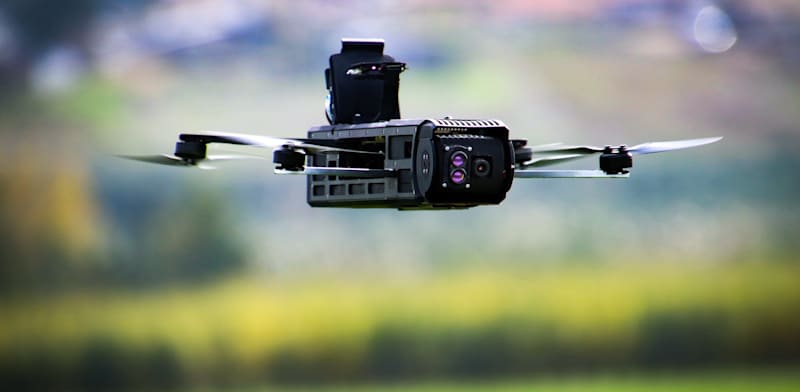
The IDF is setting up its own production line for FPV attack drones as Hezbollah increases its use of the weapons against Israeli forces in Lebanon. The move is meant to give Israel a larger, cheaper, and more secure supply of domestically produced drones while reducing reliance on Chinese components.
Israel is building a new military production line for FPV attack drones as the threat from Hezbollah’s drone attacks continues to grow along the northern front.
According to Israel Army Radio, the IDF is setting up a factory that will produce one-way FPV drones for use across multiple combat zones. The goal is to move from limited supply to large-scale production and give Israeli forces more of these weapons on the battlefield.
The drones are expected to start reaching the army in large numbers as early as July. The first production target is about 1,000 drones per month, with plans to expand output later to much higher numbers.
Hezbollah’s Drone Threat Forces a Faster Response
The decision comes as Hezbollah, backed by Iran, has stepped up its use of FPV drones against IDF forces in southern Lebanon.
These small, fast, highly maneuverable drones have become one of the most important weapons on modern battlefields. They have been used heavily in Ukraine and are now playing a growing role in the fight against Hezbollah.
For Israel, the challenge is not only producing more drones, but also catching up quickly in a field where enemy forces have already shown how damaging low-cost FPV weapons can be.
Reducing Dependence on Chinese Components
One major concern for the IDF is the supply chain. Israel already has domestic manufacturers producing FPV drones, but some of those systems rely on Chinese-made parts.
That creates both security concerns and supply risks. By bringing production into the IDF’s Technology and Logistics Division, Israel aims to lower costs, increase output, and shift toward Israeli-made components.
The move reflects a wider lesson from recent wars: countries that can produce drones quickly and locally have a major advantage when battlefield demand rises fast.
Fiber-Optic Drones Complicate the Fight
Hezbollah’s use of fiber-optic-guided FPV drones has made the threat harder to stop. Unlike standard radio-controlled drones, fiber-optic systems are more resistant to electronic jamming.
That means Israel cannot rely only on electronic warfare. The IDF also needs physical defenses, detection systems, and its own attack and interceptor drones.
The growing use of fiber-optic drones shows how fast this part of warfare is changing. Every new defense leads to a new method of attack, and armies are being forced to adapt in real time.
IDF Expands Counter-Drone Defenses
Israel is already working on several defenses against Hezbollah’s FPV threat.
IDF vehicles have been seen using protective netting meant to stop or weaken drone strikes before they hit troops or sensitive equipment. Israel is also working to adapt active protection systems on armored vehicles so they can help defeat incoming drone threats.
Other efforts reportedly include improved drone-detection equipment and interceptor drones built specifically to take down hostile FPV systems.
A New Battlefield Priority
The IDF’s new drone factory shows that FPV warfare is no longer a side issue. It is now a central battlefield need.
For Israel, local production means faster supply, better control over sensitive components, and more flexibility in a long war against Iran-backed terror forces.
Hezbollah’s drone attacks have already forced changes in how Israeli forces protect vehicles, move in the field, and defend frontline positions. Now the IDF is moving to answer the threat not only with defenses, but with a much larger drone arsenal of its own.

Loading comments...