Israel Reportedly Sets October 27 Election as Netanyahu Faces Major Political Test | Achla News
world
Israel Reportedly Sets October 27 Election as Netanyahu Faces Major Political Test
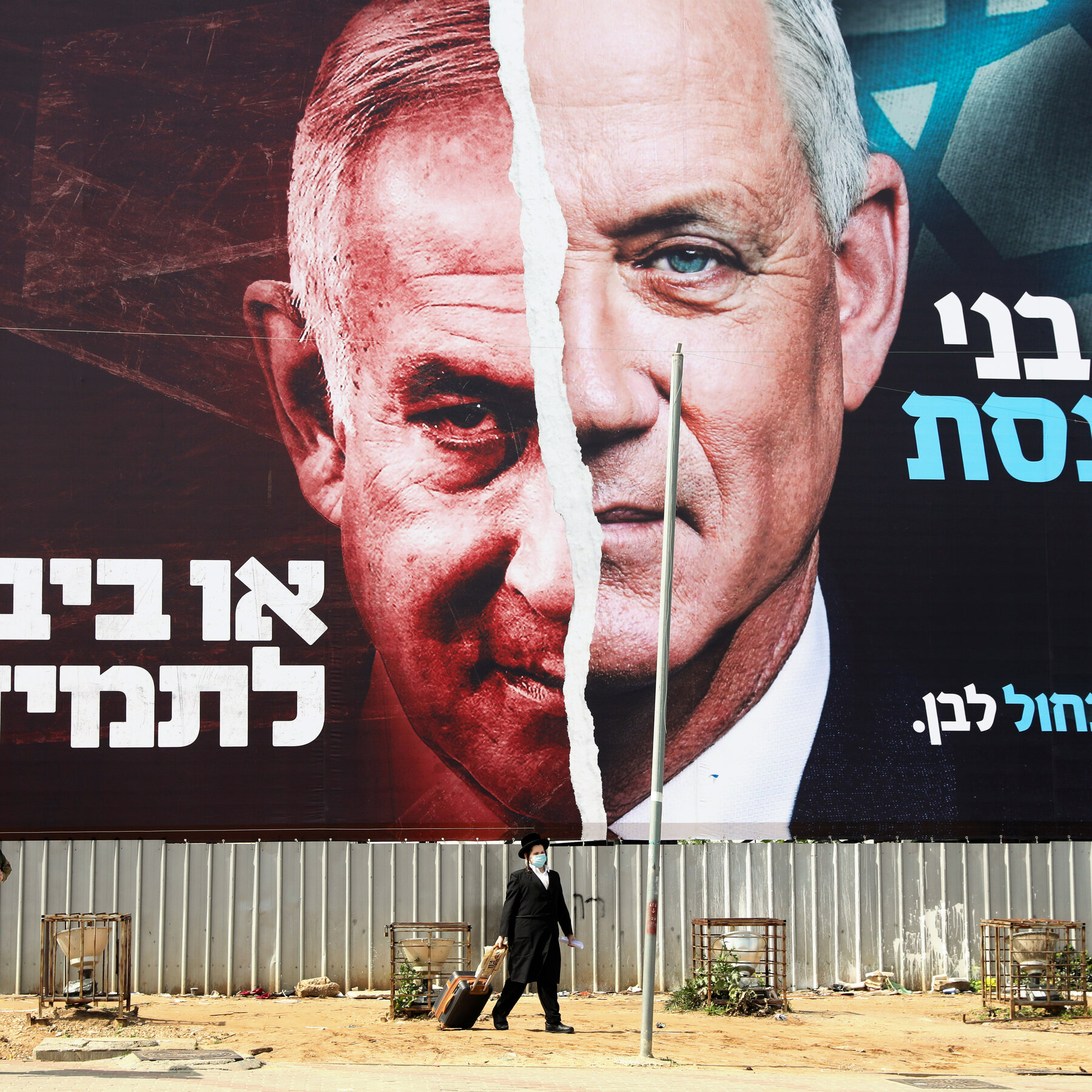
Israel’s Knesset has reportedly scheduled a general election for October 27, setting up a decisive political battle over Prime Minister Benjamin Netanyahu’s leadership, Israel’s security strategy, judicial reform, military service, and the future of Gaza.
Israel’s Knesset has reportedly scheduled a general election for October 27, setting up a decisive political battle over Prime Minister Benjamin Netanyahu’s leadership, Israel’s security strategy, judicial reform, military service, and the future of Gaza.
Election Expected to Test Netanyahu’s Leadership
Israel’s Knesset has reportedly announced that the current parliament will complete its term before a general election is held on October 27 under the country’s election timetable.
The election is expected to become a major test of Prime Minister Benjamin Netanyahu, Israel’s longest-serving leader, who has already declared his intention to seek another term.
Israeli voters do not directly elect the prime minister. They vote for political parties, with the Knesset’s 120 seats distributed proportionally. Israel’s president then gives the politician considered most likely to assemble a coalition the opportunity to form a government. A governing coalition requires the support of at least 61 lawmakers.
Security and Iran at the Center of the Campaign
Netanyahu is expected to campaign on his national-security record and his argument that he is the leader best positioned to confront Iran and its regional terror network.
“We are systematically dismantling Iran’s axis of evil and terrorist forces,” Netanyahu said, according to the report.
He has also spoken about forming a broad national government that would include parties from across Israel’s political spectrum.
However, the supplied report claims that public support for Netanyahu has fallen sharply amid criticism of the outcome of the conflict with Iran and dissatisfaction with subsequent diplomatic arrangements. It cites polling that allegedly showed his approval rating dropping from 40.5 percent in early March to 29.4 percent in June.
The same report says a Hebrew University of Jerusalem survey found that more than 92 percent of respondents believed Iran had emerged as the winner of the conflict. Those polling figures could not be independently confirmed.
Eisenkot Emerges as a Leading Challenger
Former IDF chief of staff Gadi Eisenkot is reportedly emerging as one of Netanyahu’s strongest political rivals.
Eisenkot entered opposition politics after resigning from the government in June 2024, arguing that Israel had failed to meet its objectives in Gaza. The report says his centrist Yashar party is polling narrowly ahead of Netanyahu’s Likud in some surveys.
“Israel must establish realistic security principles and decide, from a position of strength, how to end the wars on every front while protecting the country for years to come,” Eisenkot said, according to the report.
Another survey cited in the supplied material reportedly showed Eisenkot leading Netanyahu by 41 percent to 40 percent in a direct leadership comparison.
Military Service, Judicial Reform, and Gaza
Several major domestic and security issues are expected to shape the election campaign:
Mandatory military service for ultra-Orthodox Haredi men
The government’s judicial reform program
Responsibility for the security failures surrounding Hamas’s October 7, 2023 terrorist attack
The future administration and security control of Gaza
Israel’s long-term strategy toward Iran and its terrorist proxies
The report also claims that the government plans to advance legislation concerning the detention of Haredi draft refusers and additional judicial measures before the election campaign intensifies.
A High-Stakes Vote for Israel
The election could determine not only Netanyahu’s political future but also Israel’s approach to Gaza, Iran, Hamas, Hezbollah, and the broader Iran-backed terror network.
For Israeli voters, the central question will be which leadership can restore public confidence, strengthen deterrence, defeat terrorist threats, and protect the country after years of war and political division.

Loading comments...