Energy prices have long carried significant political consequences in the United States. Rising fuel costs affect nearly every sector of the economy, from transportation and manufacturing to food prices and consumer spending. As Americans feel the impact, public frustration often follows.
The timing is especially important as the country moves toward the upcoming midterm elections. Political pressure traditionally intensifies during election seasons, and continued increases in gasoline prices could influence public opinion and potentially affect President Donald Trump's approval ratings.
While the United States maintains overwhelming military capabilities, elected leaders must also balance foreign policy objectives with domestic political realities. Public support remains an important factor in sustaining any prolonged military campaign.
Iran's Deepening Economic Crisis
Iran faces a very different challenge. Rather than political polling, the country's greatest vulnerability continues to be its deteriorating economy.
According to Iran's own Statistical Center, official inflation has reached 88.6 percent. Many independent observers believe the actual figure could be even higher, reflecting years of economic mismanagement, international sanctions, and declining purchasing power.
Basic necessities have become dramatically more expensive. Official figures indicate that flour prices have surged by 124 percent, placing additional strain on Iranian families already struggling with rising living costs.
At the same time, the country continues to experience recurring electricity shortages and energy supply problems, disrupting daily life and adding to growing public frustration.
For ordinary Iranians, these economic hardships have become an everyday reality. Inflation erodes savings, rising food prices reduce purchasing power, and unreliable electricity further weakens confidence in the regime's ability to manage the country's internal affairs.
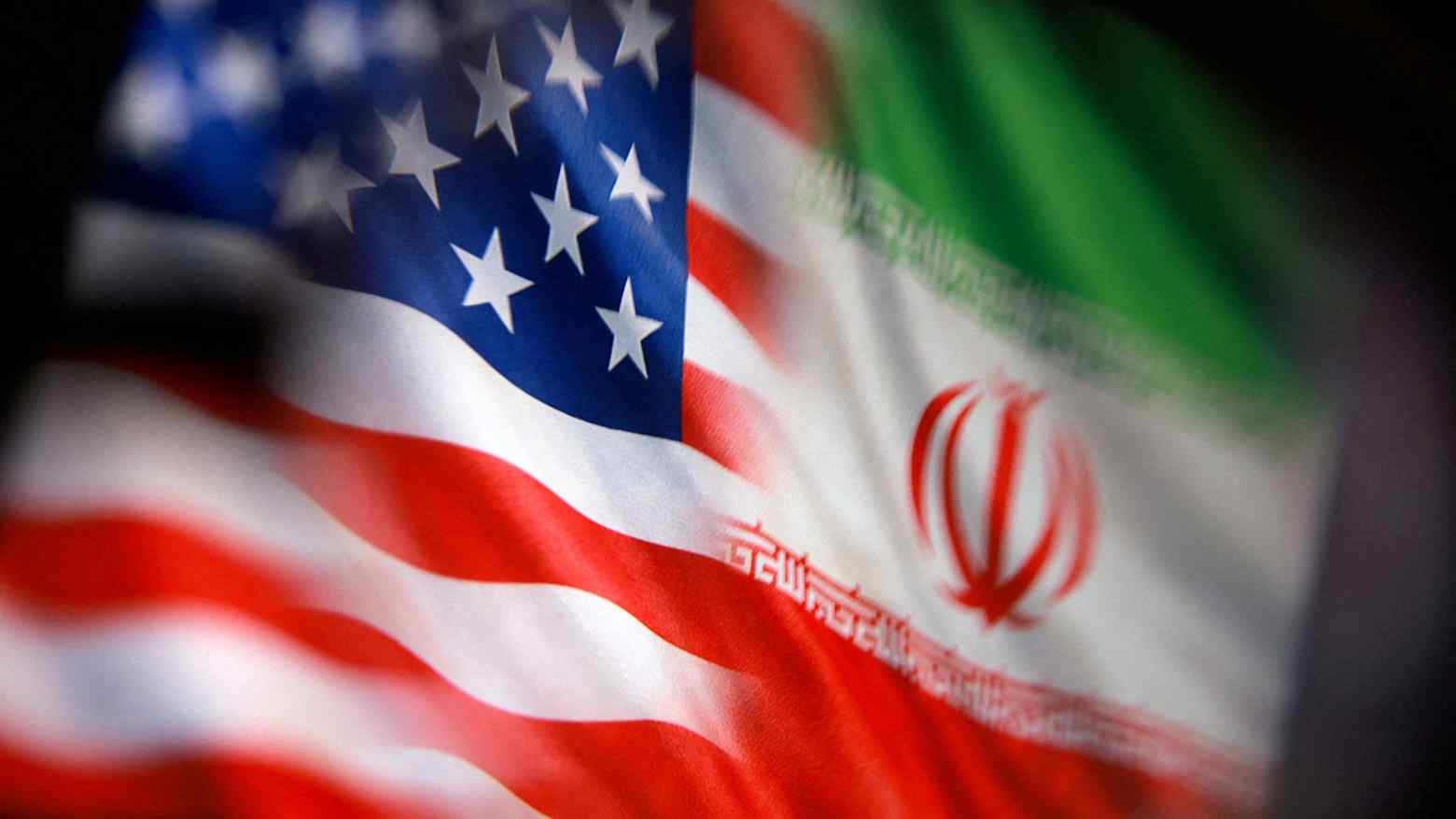
The contrast between the two countries is striking.
The United States is confronting primarily political pressure. Rising gasoline prices, voter sentiment, and election-year dynamics all have the potential to influence decision-making in Washington.
Iran, by contrast, is battling structural economic problems that directly affect millions of citizens. Inflation, food insecurity, and energy shortages represent long-term challenges that cannot be solved quickly.
Both governments therefore face domestic constraints, but the nature of those constraints differs significantly. One is measured through public opinion and electoral politics, while the other is measured through inflation, living standards, and economic stability.
The Bigger Strategic Question
Military operations remain important, but domestic resilience may ultimately prove just as decisive. Every additional month of conflict increases financial costs, political pressure, and economic strain on both sides.
For the United States, policymakers must weigh national security objectives against the economic concerns of American voters. For Iran's leadership, the challenge is maintaining internal stability while confronting one of the region's most severe economic crises.
The coming months may reveal which form of pressure becomes more consequential. Washington is watching gasoline prices and the political calendar. Tehran is confronting inflation, food costs, and growing economic hardship.
The battlefield tells only part of the story. The larger contest may ultimately be determined by which country's domestic pressures reach a critical point first—and whether Iran's regime can withstand its worsening economic crisis before political pressure builds in Washington.

Loading comments...