Pentagon Seeks $80 Billion to Cover Iran War Costs as Congress Divided Summary: The Pentagon is seeking approximately $80 billion in supplemental funding to cover the costs of the U.S. | Achla News
world
Pentagon Seeks $80 Billion to Cover Iran War Costs as Congress Divided Summary: The Pentagon is seeking approximately $80 billion in supplemental funding to cover the costs of the U.S.
The Pentagon is seeking approximately $80 billion in supplemental funding to cover the costs of the U.S. war against Iran, significantly exceeding previous public estimates. While the Trump administration argues the money is needed to replenish depleted munitions and strengthen America's defense industrial base, the request faces resistance from lawmakers concerned about the cost of the conflict and growing federal spending.
Pentagon Seeks $80 Billion to Cover Iran War Costs as Congress Divided
The Pentagon has informed senators that it needs roughly $80 billion, primarily to fund military operations related to the war against Iran and replenish weapons stockpiles depleted during the conflict.
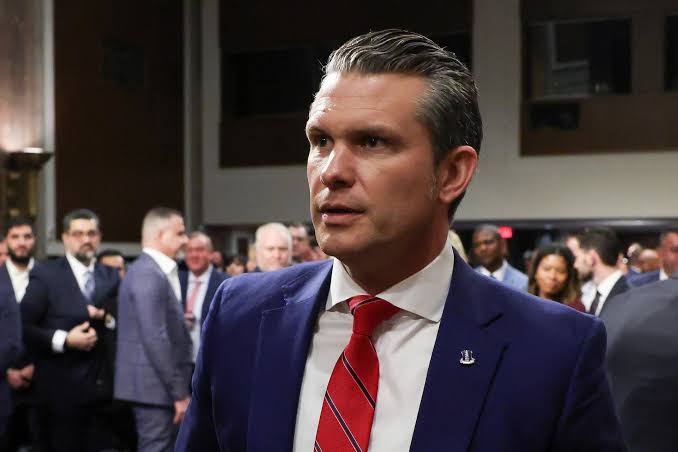
Defense Secretary Pete Hegseth has been lobbying lawmakers on Capitol Hill ahead of an expected supplemental funding request from the White House Office of Management and Budget. According to officials familiar with the discussions, Deputy Defense Secretary Stephen Feinberg has already briefed senators and congressional committees on the proposal.
The funding request comes as Congress remains divided over President Donald Trump's decision to confront Iran militarily and the emerging agreement intended to end the conflict. Senate Majority Leader John Thune said lawmakers will evaluate the supplemental request once it formally arrives.
Republican leaders argue much of the funding is necessary to replenish U.S. munitions stockpiles and rebuild military readiness following operations in the Middle East. Senator Jim Banks described the package as an investment in America's defense industrial base rather than simply funding another war.
Democrats, however, questioned both the cost of the conflict and its impact on American taxpayers. Senator Patty Murray criticized spending billions on a war that many Americans oppose, while Senator Brian Schatz warned the final cost could exceed the Pentagon's current estimate.
The proposed $80 billion is substantially higher than the approximately $29 billion estimate Hegseth presented to Congress last month, though it is lower than the Pentagon's initial projection of roughly $200 billion made during the early stages of the conflict. The updated figure primarily covers replacement of munitions, equipment repairs, and operational expenses.
Some lawmakers have suggested combining the defense package with disaster relief funding for states affected by wildfires and severe weather, as well as agricultural assistance, in an effort to build bipartisan support.
During Senate testimony last month, Hegseth defended the potential cost of the campaign by asking lawmakers, "What is the cost of Iran obtaining a nuclear weapon?" He acknowledged that preventing a nuclear-armed Iran carries significant financial costs but argued the investment is necessary for U.S. national security.
Separately, President Trump stated on Truth Social that allowing Iran to rebuild its nuclear program would ultimately cost the United States "astronomical" amounts of money in the future, arguing that preventing Iran from obtaining nuclear weapons now is far less expensive than confronting a future nuclear crisis.

Loading comments...