Report: Trump Administration Used Secret Kurdistan Channel to Reach Iran’s IRGC | Achla News
world
Report: Trump Administration Used Secret Kurdistan Channel to Reach Iran’s IRGC
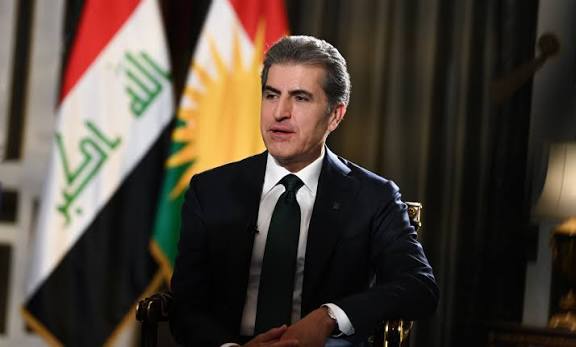
The Trump administration reportedly enlisted Kurdistan President Nechirvan Barzani to establish a secret line of communication with Iran’s Islamic Revolutionary Guard Corps as Washington sought to determine who actually had the authority to negotiate an end to the war.
The Trump administration used Kurdistan President Nechirvan Barzani as a secret backchannel to Iran’s Islamic Revolutionary Guard Corps during efforts to negotiate an end to the war, Axios reported.
The unusual channel was established amid concerns in Washington that Iran’s diplomatic negotiators might not have the authority to make a deal, with the IRGC increasingly controlling critical national security and foreign policy decisions in Tehran.
Washington Sought Answers From the IRGC
Around May 10, Director of National Intelligence Tulsi Gabbard contacted Barzani and asked him to determine whether IRGC commander Gen. Ahmad Vahidi supported negotiations being conducted by Iranian Parliament Speaker Mohammad Bagher Ghalibaf and Foreign Minister Abbas Araghchi.
Barzani was well positioned for the sensitive mission because of his relationships with both Washington and senior Iranian figures. He lived in Iran during the Iran-Iraq War, studied at the University of Tehran and speaks Farsi.
Barzani then sought direct contact with Vahidi. On May 14, an IRGC official reportedly arrived at Barzani’s office in Erbil carrying an encrypted phone that was used to establish a secure conversation with the Iranian commander.
During the call, Barzani asked whether Vahidi backed the Iranian officials involved in negotiations. Vahidi reportedly confirmed his support and indicated that the IRGC favored resolving the crisis through negotiations.
Barzani relayed the message to Gabbard, who passed the information to the White House.
Secret Erbil Talks Were Considered
The Trump administration later proposed secret US-Iran negotiations in Erbil, with Barzani serving as host.
Iranian officials did not immediately reject the idea, but security concerns became a major obstacle. They reportedly feared that Israeli intelligence could target Iranian representatives either in Iraqi Kurdistan or while they were traveling to the proposed meeting.
The Erbil meeting ultimately never took place.
IRGC Influence Grew During the War
The backchannel emerged as the war dramatically reshaped Iran’s leadership structure. The killing of Supreme Leader Ali Khamenei and other senior Iranian officials, followed by weeks of fighting, strengthened the IRGC’s role in national security and foreign policy.
Uncertainty surrounding new Supreme Leader Mojtaba Khamenei, including questions about his condition and absence from public view, further complicated Washington’s efforts to determine where decision-making authority rested inside the Iranian regime.
The United States and Iran eventually reached a memorandum of understanding, but the arrangement quickly collapsed.
Pakistani and Qatari mediators have continued carrying messages between Washington and Tehran, but no major breakthrough has been reported.
Barzani has since sent messages to the White House offering to help restart negotiations between the United States and Iran, according to a person familiar with the outreach.
The episode highlights the IRGC’s central position inside Iran’s power structure and the Trump administration’s effort to establish direct communication with the figures capable of making decisions for the regime.

Loading comments...