Starmer Resigns As UK Pushes Under-16 Social Media Ban | Achla News
world
Starmer Resigns As UK Pushes Under-16 Social Media Ban
Keir Starmer announced he will resign as UK prime minister while his government advances a sweeping social media ban for children under 16, raising sharp debate over safety, privacy, and whether the policy is an orwellian deep state overreach.
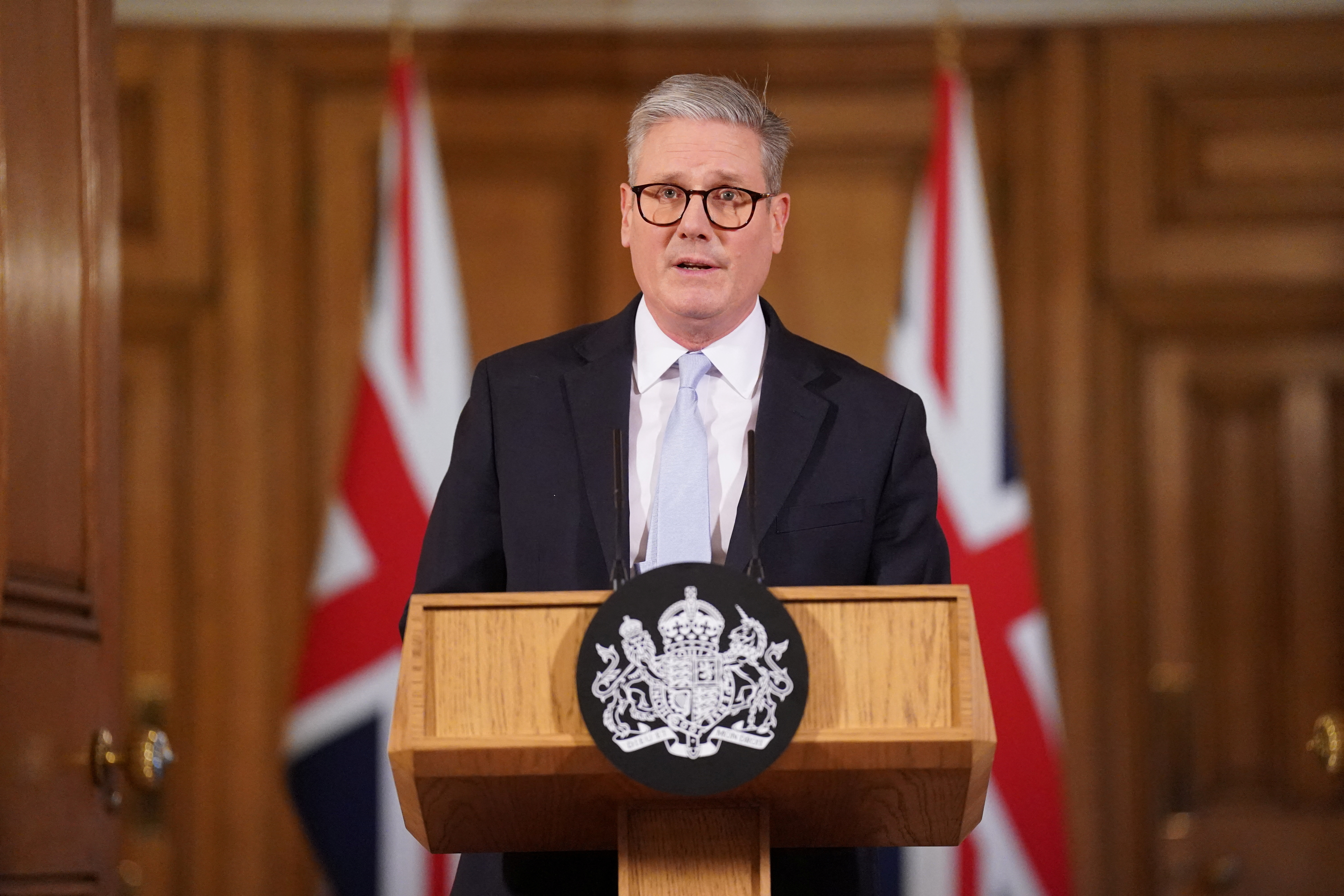
UK Prime Minister Keir Starmer announced outside 10 Downing Street that he is resigning, saying he accepts that his party no longer sees him as the right person to lead into the next election.
According to the report, Starmer is expected to stay in office during a transition period while Labour chooses a new leader. The move could clear the way for Andy Burnham to become Britain’s next prime minister.
The resignation comes as the UK government pushes a major social media ban for children under 16. Platforms named in the proposal include TikTok, Snapchat, YouTube, Instagram, Facebook, and X, while WhatsApp is reportedly excluded.
The government says the move is needed to protect children and support parents. But the plan would rely on age-check systems such as photo ID matching, facial age estimation, banking checks, credit card checks, digital identity services, and other verification tools.
That is where the policy becomes deeply troubling. Protecting children online is a serious goal, but forcing broad identity checks across the internet raises a direct question: is this child safety, or is it orwellian deep state control dressed up as protection?
Amnesty International criticized the plan, saying the government is using the wrong solution. The group argues that social media companies should be regulated for unsafe design, addictive features, profiling, autoplay, infinite scroll, and harmful recommendation systems instead of simply cutting young people off from digital spaces.
The core issue is clear: children need protection online, but citizens should not be forced to surrender privacy just to use the modern internet. The government should target the platforms and their surveillance-based business models, not build a sweeping digital ID system that could expand far beyond children’s safety.

Loading comments...