Trump Says Iran Deal Is Signed, But Hormuz Fees, Sanctions Relief, and Nuclear Talks Still Face Hurdles | Achla News
world
Trump Says Iran Deal Is Signed, But Hormuz Fees, Sanctions Relief, and Nuclear Talks Still Face Hurdles
President Donald Trump announced that the United States and Iran have already signed a memorandum of understanding (MOU) aimed at ending the conflict and reopening the Strait of Hormuz. While financial markets rallied and oil prices fell sharply, significant disagreements remain over sanctions relief, frozen Iranian assets, Hormuz transit fees, Iran's nuclear program, and ongoing fighting involving Hezbollah and Israel. The official signing ceremony is scheduled for June 19 in Geneva, but the next 60 days of negotiations could determine whether the agreement survives.
Speaking during the G7 Summit in France, President Donald Trump said the United States and Iran have already signed a peace MOU and that Vice President JD Vance will attend the formal signing ceremony in Geneva on June 19.
Trump described the agreement as a major breakthrough, saying Iran has agreed not to obtain nuclear weapons and that the Strait of Hormuz will reopen to international shipping.
"The most important thing is that Iran will not have a nuclear weapon," Trump said.
Dispute Over Hormuz Transit Fees
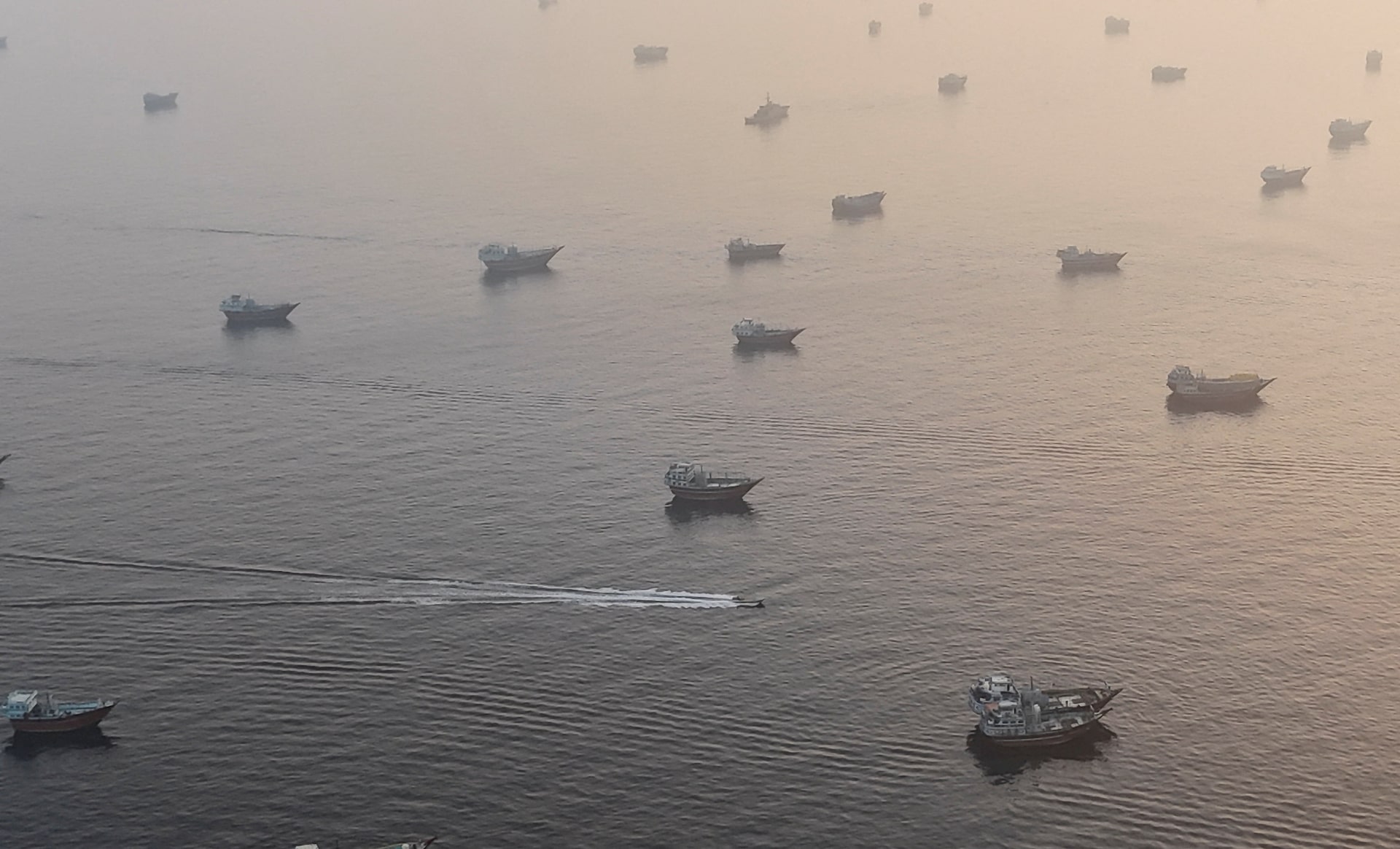
Despite Trump's claim that the Strait of Hormuz will be completely toll-free, Iranian media reports suggest Tehran believes it retains the right to charge shipping fees after the initial 60-day period outlined in the agreement.
The Strait of Hormuz is one of the world's most critical energy chokepoints, carrying roughly 20% of global seaborne oil shipments. Any disagreement over its operation could quickly become a flashpoint in future negotiations.
Sanctions Relief and Frozen Assets Remain Contentious
Iran is reportedly demanding the release of billions of dollars in frozen overseas assets as part of the agreement. Iranian officials have suggested that portions of these funds should be unlocked immediately.
The Trump administration has rejected automatic sanctions relief, insisting that any easing of sanctions will depend on verifiable Iranian actions related to dismantling its nuclear program.
Washington's position remains based on a step-by-step process in which Iran must demonstrate compliance before receiving economic benefits.
The Real Test: Iran's Nuclear Program
While both sides have agreed to continue negotiations for 60 days, the central issue remains unresolved.
The United States is seeking complete and verifiable dismantlement of Iran's military nuclear capabilities, including highly enriched uranium stockpiles. Iran continues to insist that it maintains the right to peaceful nuclear activity and has not publicly accepted all American demands.
Analysts warn that the current MOU may function more as an extended ceasefire than a final peace settlement unless significant progress is achieved during upcoming negotiations.
Israel Raises Concerns
Israeli officials have reportedly expressed concern about the agreement, arguing that critical issues involving Iran's nuclear ambitions and support for regional terror proxies have not been fully resolved.
Prime Minister Benjamin Netanyahu reaffirmed that Israel will continue defending itself against threats from Hezbollah terrorists and will maintain its security posture in southern Lebanon.
Israel has repeatedly stated that it will not permit Iran or its terror proxies to establish military threats along its borders.
Fighting Continues in Lebanon
Despite the U.S.-Iran agreement, clashes continued between Israeli forces and Hezbollah terrorists in southern Lebanon.
Hezbollah launched rockets and other attacks against Israeli positions, while the IDF carried out precision strikes against Hezbollah operatives and infrastructure.
The ongoing violence highlights the fragile nature of the broader regional situation and raises questions about whether Iran-backed terror networks will fully comply with any future settlement.
Markets React Positively
Global markets responded enthusiastically to the agreement.
Dow Jones Industrial Average reached another record high.
Nasdaq surged more than 3%.
S&P 500 posted strong gains.
Brent crude oil fell below recent wartime highs.
WTI crude dropped to its lowest level since early March.
Investors appear to be betting that a reopened Strait of Hormuz and reduced regional tensions could stabilize global energy supplies and ease inflation pressures.
What Happens Next?
The official signing ceremony is expected on June 19 in Geneva. However, the agreement's long-term future depends on difficult negotiations over Iran's nuclear program, sanctions relief, frozen assets, and regional security issues.
For Israel, the primary question remains unchanged: whether Iran will genuinely abandon its nuclear ambitions and stop supporting terror organizations throughout the Middle East.

Loading comments...