U.S. and Iran Launch High-Level Switzerland Talks as Trump Warns Hezbollah and Strait of Hormuz Tensions Rise | Achla News
world
U.S. and Iran Launch High-Level Switzerland Talks as Trump Warns Hezbollah and Strait of Hormuz Tensions Rise
Senior U.S. and Iranian officials have begun high-level negotiations in Switzerland aimed at implementing a 60-day ceasefire framework while addressing Iran's nuclear program. The talks come amid continued Hezbollah attacks from Lebanon, Israeli military operations, Iranian threats to re-close the Strait of Hormuz, and a new warning from President Donald Trump that Iran will face even stronger U.S. strikes if it fails to restrain Hezbollah.
Senior delegations from the United States and Iran met Saturday in Bürgenstock, Switzerland, to begin implementing a memorandum of understanding (MOU) designed to move toward a permanent end to hostilities. The meeting, originally scheduled earlier in the week, was delayed before mediators confirmed both sides would resume negotiations.
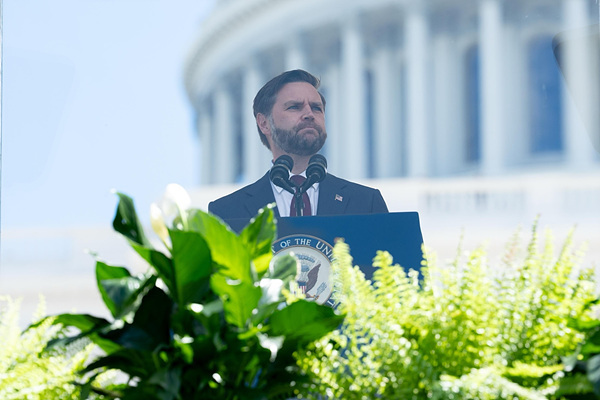
Vice President JD Vance is leading the U.S. delegation alongside Special Envoy Steve Witkoff and Jared Kushner. Iran's delegation includes Parliament Speaker Mohammad Bagher Ghalibaf and Foreign Minister Abbas Araghchi.
Ceasefire and Nuclear Program at the Center of Talks
According to officials, the first phase of negotiations focuses on enforcing the ceasefire across all fronts, particularly the fighting involving Hezbollah terrorists in southern Lebanon. Discussions are also expected to address Iran's nuclear program, including the possible restoration of International Atomic Energy Agency (IAEA) inspections.
U.S. officials are reportedly seeking renewed international monitoring of Iran's nuclear facilities, while Tehran is pushing for the release of frozen Iranian assets and expanded oil exports as part of any broader agreement.
Trump Warns Iran Over Hezbollah
President Donald Trump issued a direct warning to Tehran on Truth Social, demanding that Iran immediately stop its heavily funded proxy, Hezbollah, from escalating attacks from Lebanon.
"Iran must immediately stop their highly paid PROXIES in Lebanon from causing trouble. If they don’t, we’ll hit Iran very hard again, just like we did last week, only harder!!!"
The warning reflects Washington's concern that continued Hezbollah attacks could derail both the ceasefire framework and ongoing negotiations.
Israel Continues Operations Against Hezbollah
Despite diplomatic efforts, Israeli military operations against Hezbollah terrorist infrastructure in southern Lebanon have continued. Israeli officials have made clear that Israel will not withdraw from security zones while Hezbollah remains a threat, underscoring Israel's determination to protect its northern communities.
The continued fighting has become one of the biggest challenges facing the ongoing U.S.-Iran negotiations.
Iran Threatens Strait of Hormuz Closure
Iran announced it would reimpose restrictions on the Strait of Hormuz, claiming the ceasefire agreement had been violated due to continued fighting in Lebanon.
However, U.S. Central Command and Energy Secretary Chris Wright rejected Tehran's claims, stating that commercial shipping continues to move through the strategic waterway under U.S. military protection.
According to Wright, dozens of vessels have safely transited the Strait over the past two days, with oil shipments remaining close to pre-conflict levels. He said the United States has established secure shipping lanes and continues escort operations despite ongoing Iranian threats.
Next 60 Days Will Be Critical
The Switzerland negotiations represent the first major step in implementing the 60-day framework signed by both sides. While significant disagreements remain over Hezbollah, sanctions relief, frozen Iranian assets, and Iran's nuclear activities, both delegations have continued face-to-face discussions.
The outcome of these talks could determine whether the region moves toward lasting stability or faces renewed escalation across multiple fronts.

Loading comments...