US Intelligence: Iran Has Gained Long-Term Leverage Over the Strait of Hormuz | Achla News
world
US Intelligence: Iran Has Gained Long-Term Leverage Over the Strait of Hormuz
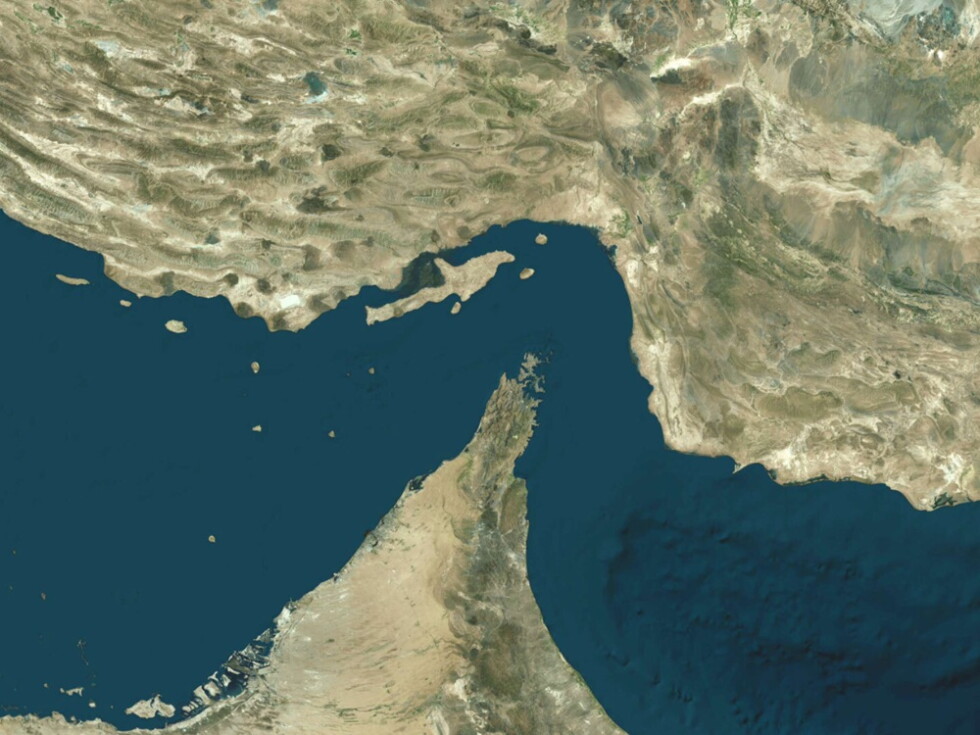
According to a CNN report citing multiple sources familiar with US intelligence assessments, Iran has demonstrated it can disrupt shipping through the Strait of Hormuz, giving Tehran significant strategic leverage over one of the world's most important maritime trade routes. US officials reportedly believe Iran could use this capability again if future negotiations collapse, while concerns are also growing over the possibility of Iran directing the Houthis to threaten the Bab el-Mandeb Strait.
According to CNN, citing multiple sources familiar with recent US intelligence assessments, Iran has emerged from the latest conflict with a new strategic advantage: the demonstrated ability to disrupt shipping through the Strait of Hormuz, one of the world's most critical energy corridors.
US intelligence reportedly believes Tehran has proven it can use the strait as an economic pressure tool, giving the Iranian regime leverage that extends well beyond the current conflict. Officials are said to be concerned that Iran may be more willing to use this capability again if tensions with Washington escalate in the future.
Strategic Leverage After the Conflict
Despite reports of a framework agreement aimed at reopening the waterway and paving the way for renewed nuclear talks, intelligence officials reportedly assess that Iran's ability to threaten global shipping has fundamentally changed the regional balance. One source told CNN that Tehran now views the Strait of Hormuz as one of its most powerful strategic assets.
US officials also reportedly concluded that Iran gained confidence after successfully threatening Gulf energy infrastructure during the conflict, reinforcing its reliance on asymmetric warfare rather than conventional military power.
Remaining Military Capabilities
According to the assessments, Iran still possesses significant military assets, including missiles, drones, missile launchers, naval mines, and hundreds of fast attack boats capable of operating in and around the Strait of Hormuz. Intelligence officials also believe Iran has restored portions of its military production faster than previously expected.
Growing Concern Over the Houthis
Another major concern involves Iran's ability to direct its Yemen-based Houthi allies to threaten the Bab el-Mandeb Strait, another vital global shipping route connecting the Red Sea to the Indian Ocean. Sources told CNN that while the Houthis have largely limited attacks to Israeli-linked vessels, broader attacks on international shipping would represent a significant escalation.
Officials reportedly believe Iran has so far refrained from expanding Houthi operations in order to avoid undermining ongoing diplomatic negotiations with the United States. However, intelligence assessments indicate that option remains available if diplomacy fails.
Questions Over US Strategy
The intelligence assessments have also raised questions about early US strategic assumptions during the conflict. According to the report, some officials believed Iran would avoid closing the Strait of Hormuz because doing so would severely damage its own economy and provoke pressure from China and Gulf states. Those assumptions were reportedly challenged after Iran demonstrated its willingness to disrupt maritime traffic.
While US officials continue pursuing agreements intended to keep the waterway open, intelligence analysts reportedly remain divided over whether any future deal can permanently eliminate the risk of Iran once again using the Strait of Hormuz as a geopolitical weapon.

Loading comments...