U.S.-Iran Conflict Escalates as Oil Prices Surge and Hormuz Risks Grow | Achla News
world
U.S.-Iran Conflict Escalates as Oil Prices Surge and Hormuz Risks Grow
Fighting between the United States and Iran is expanding across the Middle East, raising fears of a wider war and prolonged disruption in the Strait of Hormuz. Brent crude has climbed back above $90 per barrel as Iran threatens regional shipping and U.S. allies.
The confrontation between the United States and Iran is entering a more dangerous phase following reported American casualties, attacks on regional infrastructure, and growing threats against critical energy routes.
The Wall Street Journal reported on July 19 that President Donald Trump’s restraint is being tested and warned that the conflict could trigger a cycle of escalating retaliation. The Associated Press separately assessed that Washington and Tehran are increasingly crossing one another’s red lines.
Infrastructure and Nuclear-Site Claims
According to reports, U.S. forces have struck Iranian infrastructure, including bridges and desalination-related facilities. Iran also claimed that a nuclear power plant under construction in the country’s southwest was hit in an American attack. That claim has not been independently confirmed.
President Trump has warned that Iran could face additional strikes on bridges and power plants unless it agrees to a deal this week.
Iran Expands Its Regional Attacks
Iran has also widened its campaign across the Middle East. Tehran has reportedly targeted desalination facilities in water-scarce U.S.-allied countries and warned that civilian commercial vessels refusing to follow Iranian orders may not be safe in the Strait of Hormuz.
Iranian attacks have reportedly reached Qatar, the United Arab Emirates, Kuwait, Bahrain, Oman, Saudi Arabia, Jordan, and Iraq. Iran may also seek to activate its Houthi proxy in Yemen to disrupt Red Sea shipping.
This expanding Iran-backed terror network now threatens American forces, regional allies, civilian shipping, and critical infrastructure across much of the Middle East.
Oil Prices Jump Above $90
Global oil prices surged as markets reacted to the possibility of a broader war and continued disruption around the Strait of Hormuz.
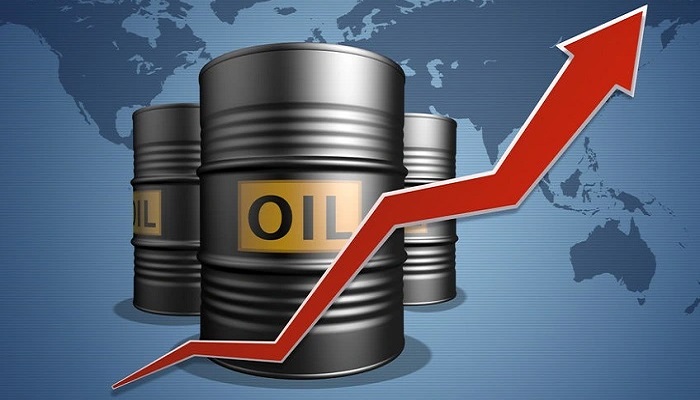
Brent crude futures for September delivery rose 3.12 percent to $90.85 per barrel as of 6 p.m. Eastern Time. It was the first move above $90 since June 11. West Texas Intermediate crude also climbed 3.1 percent to $85.05 per barrel.
The Strait of Hormuz is one of the world’s most important energy corridors, carrying roughly 20 percent of global oil supplies. Any prolonged closure or serious disruption could reduce inventories, drive prices sharply higher, and place additional pressure on the global economy.
Risk of a Larger War
Possible American responses could include seizing Iran’s Kharg Island, a central hub for Iranian oil exports, or supporting Kurdish forces against the regime. Either move could push the conflict into a new and far more dangerous stage.
The Associated Press reported that an attempt to seize islands near the Strait of Hormuz or take control of Kharg Island would likely require a significantly larger U.S. naval deployment and tens of thousands of ground troops.
Iran’s attacks on American forces, U.S. allies, commercial shipping, and vital water infrastructure cannot be treated as isolated incidents. Tehran is testing how far it can expand its aggression through direct attacks and terror proxies without facing decisive consequences.
The United States and its regional partners now face a critical challenge: protect international shipping, restore deterrence, and prevent Iran from holding the global economy hostage through the Strait of Hormuz.

Loading comments...