US-Iran Negotiations Stall as Tehran Refuses to Drop Hormuz Transit Fee Demands | Achla News
world
US-Iran Negotiations Stall as Tehran Refuses to Drop Hormuz Transit Fee Demands
Negotiations between the United States and Iran remain deadlocked as Tehran refuses to abandon its demand to control transit fees through the Strait of Hormuz. According to The Wall Street Journal, Washington has offered access to billions of dollars in frozen Iranian funds in exchange for concessions, but Iranian officials continue to insist that the strategic waterway remains under Tehran's authority.
According to The Wall Street Journal, indirect negotiations between the United States and Iran held in Doha have made little progress. U.S. negotiators reportedly proposed allowing Iran to access billions of dollars in frozen assets if Tehran agreed to abandon its demand to collect transit fees and loosen its control over shipping through the Strait of Hormuz.
The proposal reportedly included the possible release of part of roughly $100 billion in frozen Iranian funds, including approximately $6 billion currently held in Qatar for humanitarian purposes. However, discussions have stalled as Iran has refused to ease its position regarding the strategic waterway.
Iran Maintains Hardline Position
Iranian Deputy Foreign Minister Kazem Gharibabadi stated after returning from Doha that the Strait of Hormuz remains under Iran's authority, rejecting any suggestion that the United States has a role in determining its status.
Iran's Khatam al-Anbiya Central Headquarters also warned that oil tankers and commercial vessels departing from designated shipping routes or violating navigation regulations would face an immediate and firm response.
Oman Proposes Alternative
Oman, which has been mediating the negotiations, has reportedly proposed a voluntary contribution system under which shipping and energy companies could help fund maritime services instead of paying mandatory transit fees. The proposal differs from Iran's preferred system and has not gained Tehran's support.
According to regional analysts, Iran continues to seek terms that preserve its leverage over one of the world's most important energy shipping routes.
Shipping Traffic Declines
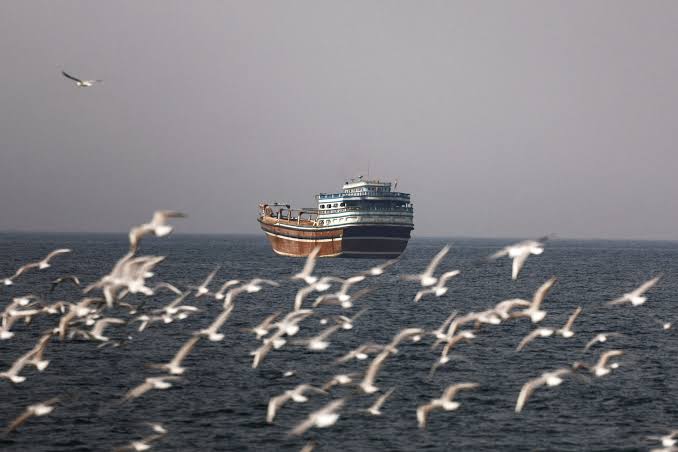
The prolonged stalemate is already affecting commercial shipping. Market intelligence firm Kpler reported that daily vessel traffic through the Strait of Hormuz fell from 75 ships a week earlier to 43 vessels, highlighting growing uncertainty in one of the world's most critical maritime corridors.

Loading comments...