U.S. Renews Strikes on Iran as Trump Vows More Powerful Response | Achla News
breaking
U.S. Renews Strikes on Iran as Trump Vows More Powerful Response
The United States launched a new round of military strikes against targets in Iran on Wednesday after diplomatic efforts to end the conflict stalled. President Donald Trump warned that additional attacks could follow, while Iran rejected American pressure and regional tensions continued to rise across the Middle East.
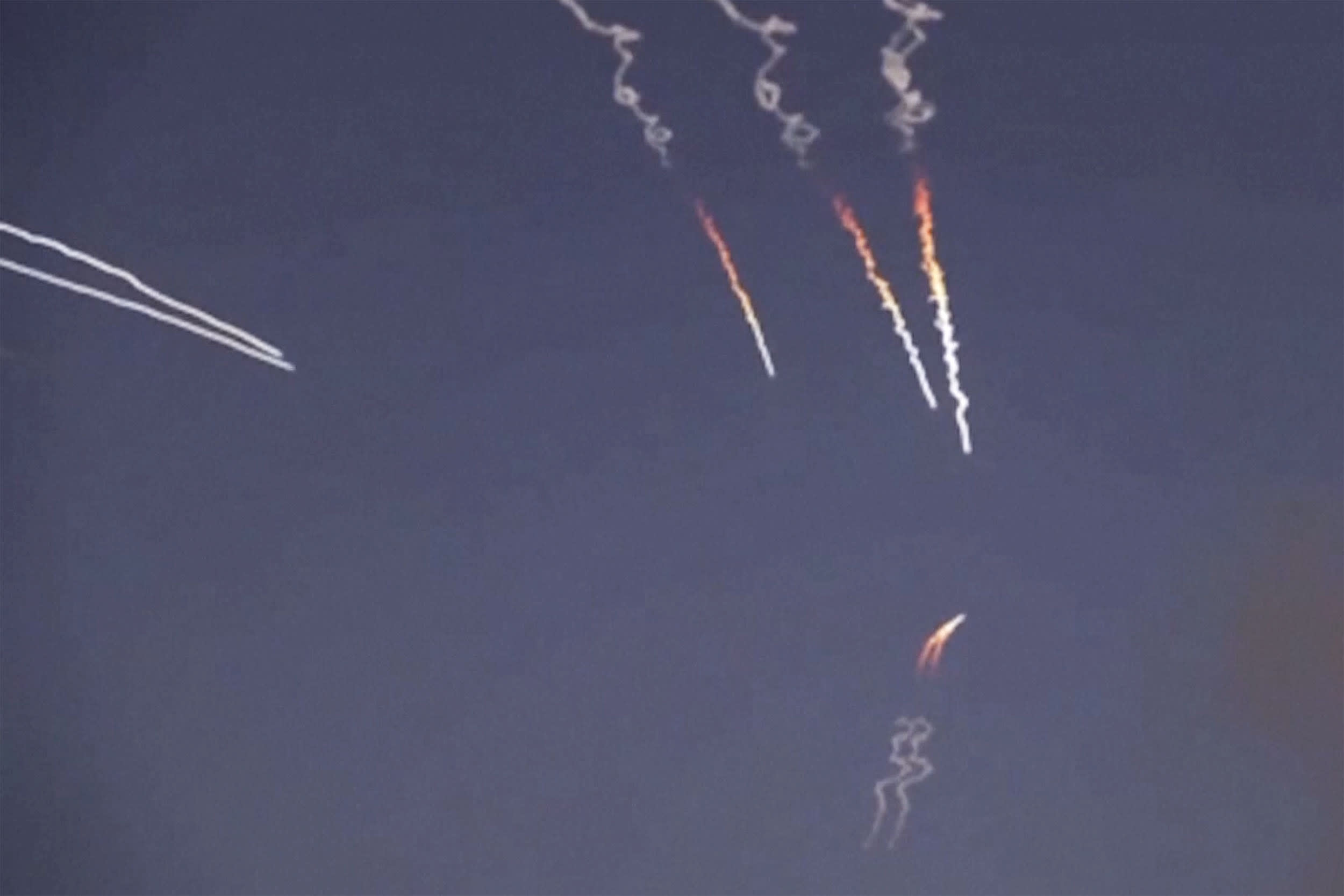
The United States carried out a fresh wave of strikes against targets inside Iran on Wednesday, marking the second consecutive day of military action as the conflict entered a new and dangerous phase.
According to U.S. Central Command, American forces began what were described as "additional self-defense strikes" against multiple Iranian targets. The operation was launched in response to what Washington called continued Iranian aggression.
Iranian media reported explosions near the Strait of Hormuz, including areas around Qeshm, Kargan, and Sirik. The region has become a major focus of military activity due to its strategic importance for global energy shipments.
Trump Signals More Strikes Ahead
President Donald Trump said the United States would continue responding forcefully after negotiations failed to produce a breakthrough.
"We hit them hard yesterday. We're going to hit them again hard today," Trump told reporters.
Trump accused Iranian negotiators of delaying progress and suggested Tehran was not negotiating in good faith despite previous signs that a deal could be reached.
Defense Secretary Pete Hegseth also indicated that military operations could continue beyond Wednesday, describing future actions as strong and decisive.
Diplomatic Efforts Continue Despite Escalation
While military activity intensified, diplomatic channels remained open. Reports indicated that Qatari mediators traveled to Tehran in an effort to bridge remaining differences between the two sides.
United Nations Secretary-General Antonio Guterres urged restraint and warned against a broader regional war. Iran's U.N. ambassador, Amir Saeid Iravani, responded by rejecting American threats and insisting that lasting agreements cannot be achieved through force.
Regional Tensions Continue to Grow
The conflict has had significant regional consequences. Iran previously retaliated against American military actions by targeting U.S. positions in Jordan and Bahrain. Both countries reported intercepting incoming aerial threats, while Kuwait said its air defenses engaged hostile targets.
Iran also warned neighboring states against allowing the United States or Israel to use their territory for military operations against the Islamic Republic.
Meanwhile, the U.S. military reported disabling a tanker in the Gulf of Oman that was allegedly transporting Iranian oil in violation of American sanctions and blockade measures.
Impact on Global Markets and Security
The conflict has disrupted energy markets and increased concerns about regional stability. The Strait of Hormuz remains one of the world's most important shipping routes, handling a significant portion of global oil exports.
Oil prices rose as investors reacted to renewed fighting, while global stock markets faced additional pressure from geopolitical uncertainty.
Russia and China both called for de-escalation, with Beijing urging all parties to avoid further escalation and seek a diplomatic resolution.
Lebanon Front Remains Active
Iran has maintained that any long-term agreement must address fighting involving Hezbollah in Lebanon. The Iran-backed terrorist group opened a front against Israel earlier in the conflict by launching rocket attacks toward Israeli territory.
Israel responded with extensive military operations against Hezbollah infrastructure and terrorist positions. Despite ceasefire efforts, exchanges of fire have continued along the northern border.
Reports from Lebanon indicated that Israeli strikes in southern Lebanon resulted in casualties on Wednesday as military operations against Hezbollah targets continued.

Loading comments...