U.S.-Saudi Rift Deepens After Riyadh Blocks Military Access During Iran War | Achla News
world
U.S.-Saudi Rift Deepens After Riyadh Blocks Military Access During Iran War
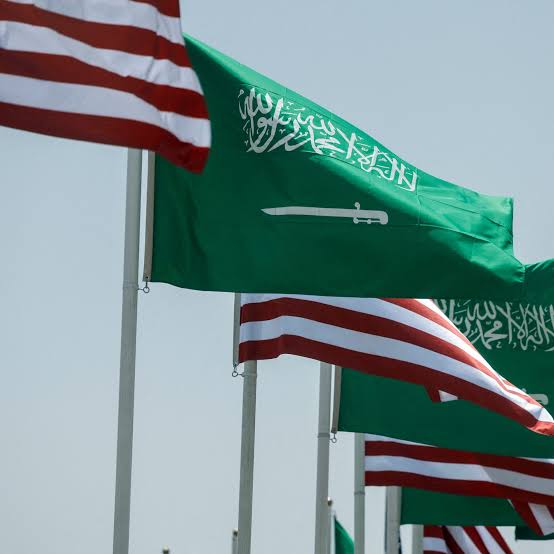
A major diplomatic crisis erupted between Washington and Riyadh after Saudi Arabia reportedly refused to allow U.S. forces to use its bases and airspace for “Operation Freedom,” fearing Iranian retaliation against its oil infrastructure. The move forced the U.S. to cancel the operation and led to White House threats to suspend key air defense missile supplies to the kingdom.
A serious rupture has opened between the United States and Saudi Arabia after Riyadh reportedly blocked American military access to Saudi bases and airspace during the war with Iran.
According to the report, more than 100 U.S. fighter jets were prepared to launch from bases and aircraft carriers across the Middle East as part of “Operation Freedom.” But Saudi Arabia refused to cooperate, citing fears that Iran would retaliate by striking the kingdom’s oil facilities.
The Saudi decision forced Washington to cancel the operation shortly after President Donald Trump had announced it. The move triggered anger inside the White House and raised concerns about the future of America’s long-standing Gulf security framework.
The crisis worsened after Secretary of State Marco Rubio visited several Gulf states but skipped Saudi Arabia. Riyadh viewed the move as a deliberate insult, especially after Crown Prince Mohammed bin Salman declined an invitation to the G7 summit in France over disagreements with Washington’s handling of the war.
Saudi officials had warned the White House before the conflict that a major campaign against Tehran could lead to the closure of the Strait of Hormuz, chaos in energy markets, and direct damage to Gulf infrastructure. Iran later launched missile and drone attacks that reportedly hit key energy sites, including Saudi Arabia’s Ras Tanura oil complex.
After the strikes, bin Salman shifted toward de-escalation with Tehran through Pakistani mediation and refused to assist with Trump’s tanker defense operation, fearing a wider regional war.
The White House responded by threatening to suspend shipments of critical air defense missile interceptors that Saudi Arabia relies on against Iran and the Houthis. Riyadh eventually lifted the restrictions, but the U.S. did not restart “Operation Freedom.”
The Pentagon is now reportedly reviewing whether to shift forces toward countries seen as more reliable and supportive of U.S. security goals in the region.
The crisis highlights a growing strategic divide: Washington is taking a harder line against Iran, while Saudi Arabia fears paying the price through attacks on its energy infrastructure and domestic stability.

Loading comments...