Regimes Built Armies They Could Control
Many Middle Eastern regimes feared coups more than foreign enemies. Modern Arab history is filled with military takeovers, and rulers learned that a strong army could become a threat to the palace.
Instead of building truly effective national armies, several regimes built forces designed to protect the ruling family. Loyalty often mattered more than battlefield skill.
In Gulf states, military power was often divided between regular forces, royal guards, and internal security units so no single force could dominate the state.
Outsourcing Security Has Limits
Oil-rich states bought advanced weapons, hired foreign advisers, and relied heavily on foreign protection. But money can buy aircraft, tanks, and training systems. It cannot easily buy national will, battlefield unity, or a citizen army ready to fight for survival.
Foreign contractors and mercenaries may be useful, but they do not replace a people defending their own homeland.
Geography and Weak Mobilization
Much of the Gulf region is exposed desert and flat coastline. Critical oil facilities, ports, refineries, and desalination plants are vulnerable. Large-scale desert warfare also demands serious logistics, discipline, and command structure.
Without strong national forces and deep mobilization systems, wealthy states remain dependent on outside powers.
Israel Lives in a Different Reality
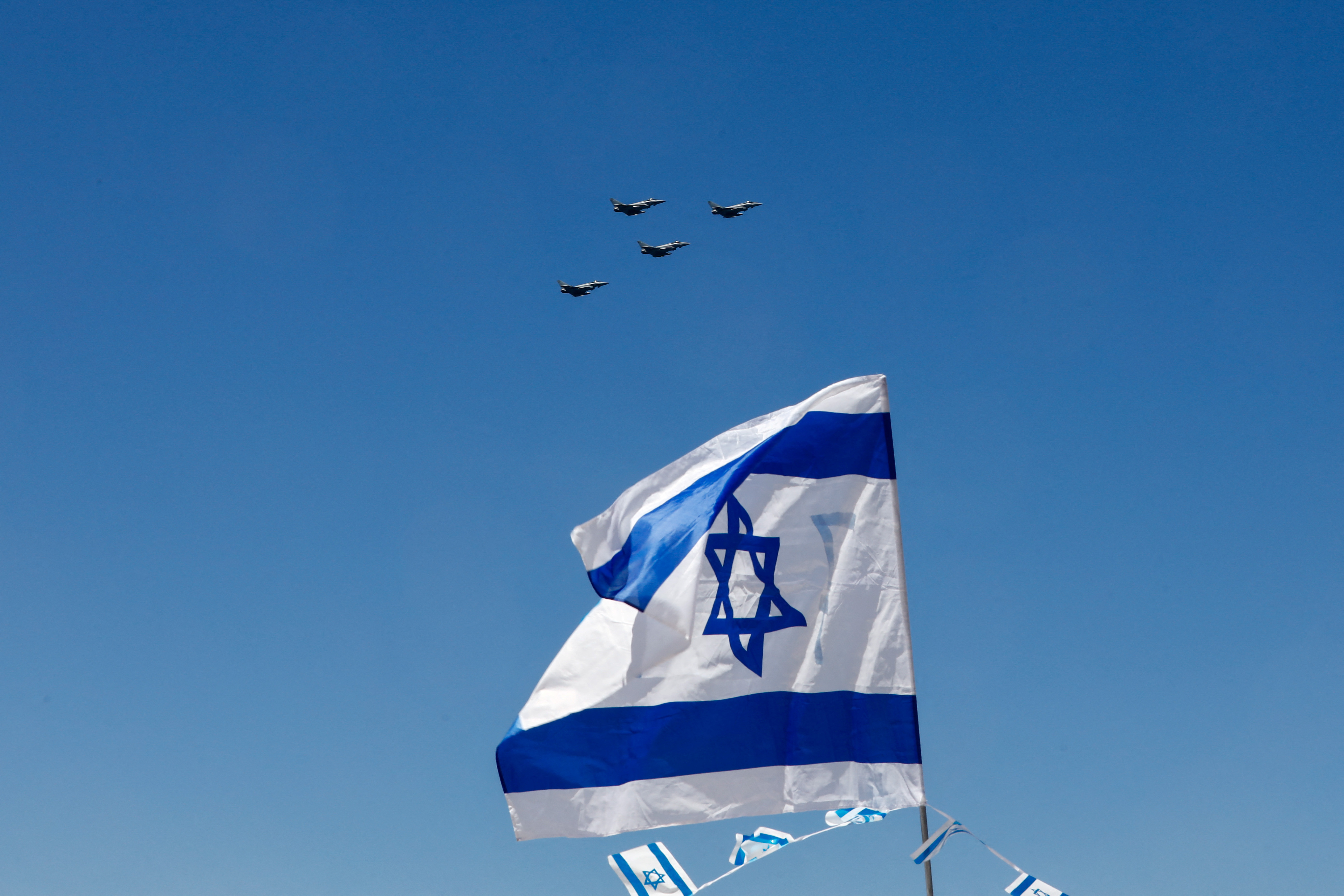
Israel was built under constant threat. From its first day, defeat meant national destruction. That created a society where military readiness, reserve service, intelligence, technology, and national unity became central to survival.
While many regimes tried to avoid empowering their own armies, Israel built a defense system around its citizens.
The Bottom Line
The gap is not just money or population. It is purpose, structure, and will.
Israel’s enemies have often been divided by coups, sectarian conflict, tribal politics, proxy wars, and dependence on foreign forces. Israel, meanwhile, built a country ready to defend itself because it had no other choice.
That is why a small Jewish state has survived against much larger enemies for generations.
Members-only
Continue reading with a paid membership.
Upgrade to Patriot or Founding Member to unlock this section and other members-only posts.
See membership plans
Loading comments...