Iran-backed Houthi missile and drone attacks have killed at least 38 Yemeni government troops and wounded civilians inside Saudi Arabia, raising fears that Yemen and the Red Sea are becoming a dangerous new front in the…
Iran-backed Houthi missile and drone attacks have killed at least 38 Yemeni government troops and wounded civilians inside Saudi Arabia, raising fears that Yemen and the Red Sea are becoming a dangerous new front in the wider conflict with Iran.
The fragile ceasefire in Yemen has effectively collapsed after Iran-backed Houthi terrorists launched major missile and drone attacks against Yemeni government forces and targets near the Saudi border.
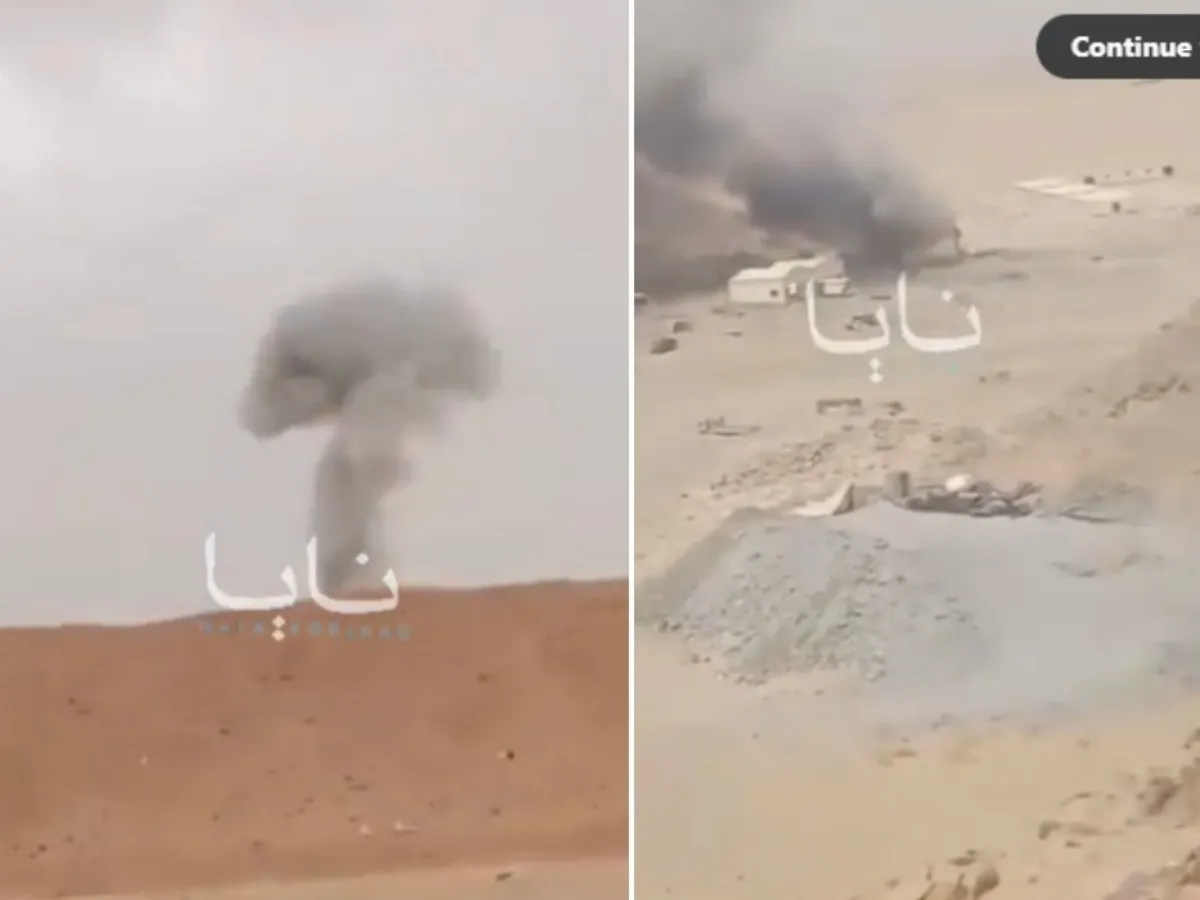
At least 38 Yemeni government soldiers were killed and dozens more were wounded when Houthi missiles struck military positions in Marib and Hadramout on August 6. Al Hadath reported that the death toll may have reached 45.
One of the missiles reportedly struck as troops were gathered for a morning formation, increasing the number of casualties. The attack was among the deadliest confrontations since a United Nations-brokered truce took effect in April 2022.
Civilians Wounded in Saudi Arabia
The Houthis also attacked Saudi Arabia’s southern Najran region, injuring 11 civilians, including a four-year-old child. Saudi state media reported that the wounded included seven Saudi citizens, two Egyptians, one Yemeni and one Pakistani.
The high number of civilian casualties was unusual and showed that the renewed Houthi campaign is no longer limited to military positions inside Yemen.
Houthi Attacks Expand Across the Red Sea
The Houthis claimed they acted in response to what they described as a Saudi military buildup. Houthi military spokesman Yahya Saree said the group had targeted concentrations of Saudi-backed forces with ballistic missiles and drones.
The terror group also claimed attacks on two Saudi oil tankers, the Wafa near the Red Sea port of Yanbu and the Daisy in the Gulf of Aden. The Houthis said the vessels were targeted as part of a declared maritime blockade against Saudi Arabia.
These attacks threaten major shipping routes connecting the Red Sea, the Gulf of Aden and global energy markets. Any sustained campaign against Saudi ports, oil facilities or commercial vessels could disrupt international trade far beyond Yemen.
A New Front in the Iran Conflict
The renewed fighting is increasing concern that Yemen has become another active front in Iran’s regional war through its network of armed proxies.
Saudi officials have warned that the Houthis and Iran-backed militias in Iraq may be preparing coordinated attacks against Saudi energy facilities, airports, ports and other civilian or economic targets under the direction of Iran’s Islamic Revolutionary Guard Corps.
Tehran continues to voice ideological support for the Houthis while denying that it provides direct military assistance. However, the group’s use of ballistic missiles, drones and coordinated maritime operations reflects the broader threat posed by Iran’s proxy network across the Middle East.
Mountain Warfare Makes the Houthis Difficult to Defeat
Airstrikes alone are unlikely to remove the Houthi threat. The group has spent years building military positions, weapons storage sites and command networks across Yemen’s rugged mountain regions.
The terrain gives Houthi forces natural protection and allows them to disperse personnel, hide missile launchers and move equipment through areas that are difficult to monitor or reach. Even sustained air campaigns can damage infrastructure without fully dismantling the group’s operational network.
This makes the Houthis a particularly difficult enemy and increases the risk of a prolonged regional confrontation.
Four Years of Calm Unravel
Yemen’s civil war began after the Houthis seized the capital, Sanaa, in 2014 and forced the internationally recognized government into exile. A Saudi-led coalition intervened in 2015 to restore the government, but the war eventually settled into a costly stalemate.
Large-scale fighting declined after the 2022 truce. Although the formal agreement expired later that year, both sides generally avoided returning to full war.
That restraint has now broken down. The latest attacks on government forces, Saudi territory and commercial shipping show that the ceasefire exists in name only.
With the Houthis expanding their missile, drone and maritime campaign, Yemen and the Red Sea are rapidly becoming a new front in the Iran conflict. Saudi Arabia and its allies now face a difficult challenge: stopping an entrenched Iran-backed terror force that can strike military bases, civilians, shipping lanes and energy infrastructure from protected mountain territory.

Loading comments...