Iran Says It Will Charge Ships to Use the Strait of Hormuz After 60-Day MOU Period, Raising Global Energy and Inflation Concerns | Achla News
world
Iran Says It Will Charge Ships to Use the Strait of Hormuz After 60-Day MOU Period, Raising Global Energy and Inflation Concerns
Iranian Parliament Speaker Mohammad Bagher Ghalibaf announced that ships will be allowed to transit the Strait of Hormuz without fees only during the 60-day period outlined in Iran's ceasefire memorandum of understanding (MOU) with the United States. After that, Iran says it plans to impose transit fees while reaffirming its claim of control over the strategic waterway. The announcement has intensified concerns over global energy security, inflation, and Iran's growing leverage over international trade.
Iranian Parliament Speaker Mohammad Bagher Ghalibaf, who has been leading Iran's negotiations with the United States, said on Monday that the free passage of commercial vessels through the Strait of Hormuz applies only during the 60-day period specified in the ceasefire MOU between Washington and Tehran.
According to Iranian state and semi-official media, once that period expires, Iran intends to introduce transit fees for ships using the Strait of Hormuz. Ghalibaf argued that the payments would compensate Iran for services provided in the waterway and insisted that Iran will never relinquish what it considers its sovereign rights over the Strait, which it says is shared with Oman.
Ghalibaf also stated that no additional negotiations with the United States are planned until the current MOU is fully implemented. He warned that Iran is prepared to respond if it believes the agreement is violated.
Why the Strait of Hormuz Matters
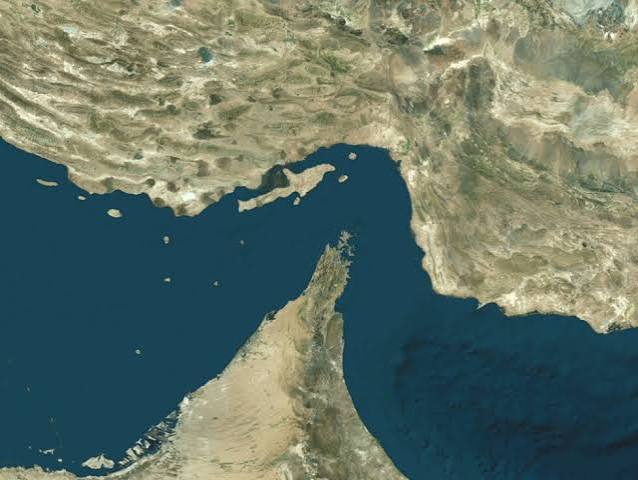
The Strait of Hormuz is one of the world's most important maritime chokepoints, carrying a significant share of global oil and liquefied natural gas exports. Any attempt by Iran to impose transit fees or use the waterway as political leverage threatens international commerce and could increase shipping costs, energy prices, and inflation worldwide.
The Strait of Hormuz should remain permanently open and toll-free under the principle of freedom of navigation. The Iranian regime should not be allowed to tax or control one of the world's most critical international shipping routes.
Economic Impact on the United States and the Free World
Keeping the Strait permanently toll-free would help stabilize global energy markets, reduce pressure on fuel prices, and ease inflation affecting American families and consumers across the free world. Lower energy costs strengthen economic growth, support supply chains, and reduce the financial burden on households and businesses.
A stable economy and lower inflation are also expected to be major issues heading into the U.S. midterm elections, making uninterrupted and unrestricted global energy transportation an important strategic interest for both the United States and its allies.
Israel Remains Prepared to Act
Meanwhile, Israeli Prime Minister Benjamin Netanyahu reiterated that Israel will strike Iran again if necessary to prevent future threats and ensure Iran never acquires nuclear weapons. During a visit to Israeli forces in southern Lebanon, Netanyahu also said Israel will continue taking action against Hezbollah terrorists until the threat to Israel's northern communities has been eliminated.

Loading comments...