Shipping Through Hormuz Plunges After U.S.-Iran Clash Near Key Oil Route | Achla News
world
Shipping Through Hormuz Plunges After U.S.-Iran Clash Near Key Oil Route
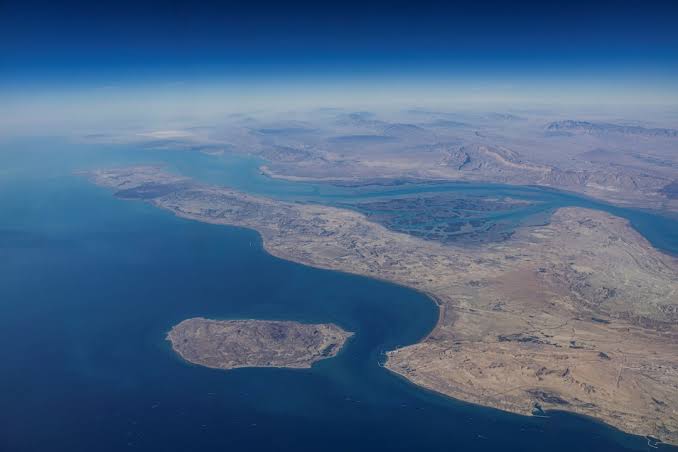
Ship traffic through the Strait of Hormuz has dropped sharply after a reported attack on a vessel, U.S.-Iran military exchanges, and Iran’s new warning that ships must use routes approved by Tehran.
Shipping through the Strait of Hormuz has fallen sharply after a weekend of military tension between the United States and Iran near one of the world’s most important oil routes.
According to reports citing HFI Research, only five ships entered the Persian Gulf through the southern Oman route on June 28 under U.S. Navy escort: four tankers and one container ship. Kpler data said no vessels exited through that route the same day.
The slowdown followed a reported strike on a vessel passing through the strait on June 27, and worsened after U.S.-Iran military exchanges threatened a fragile ceasefire arrangement.
U.S. Central Command said it struck multiple Iranian missile and drone storage sites on June 26 in response to Iran’s attack on a commercial vessel in the Strait of Hormuz. Iran’s Islamic Revolutionary Guard Corps then claimed retaliatory attacks on eight U.S. military bases in Kuwait and Bahrain.
The United States and Iran later agreed to halt military strikes, with technical talks reportedly planned in Doha, Qatar. But shipping through Hormuz remains at very low levels.
By the afternoon of June 29, Kpler data showed only two ships had entered or exited the Persian Gulf through the Oman route.
Iran has now warned that ships using routes not approved by Tehran could be blocked. Iranian Deputy Foreign Minister Kazem Gharibabadi said Iran would move forward with its own plan to manage the Strait of Hormuz even without Oman’s cooperation, though he also said Oman appeared ready to discuss the issue.
Iran says the shipping lanes through the strait must be reset and insists vessels should use routes designated by Tehran. The United States rejects any Iranian attempt to impose fees or restrict free passage through the international waterway.
Oman has also stated that ships passing through the Strait of Hormuz should not face any tolls.
The standoff shows how quickly Iran can threaten global energy security by pressuring one of the world’s most critical maritime chokepoints. The United States is making clear that freedom of navigation is not up for negotiation.

Loading comments...