U.S. Forces Disable Iranian Oil Tanker After Repeated Attempts to Breach Maritime Blockade | Achla News
world
U.S. Forces Disable Iranian Oil Tanker After Repeated Attempts to Breach Maritime Blockade
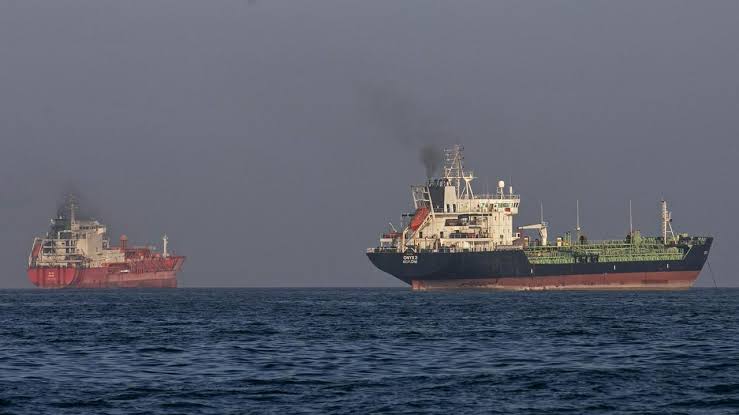
The U.S. military announced Thursday that it fired on and disabled an Iranian oil tanker in the Gulf of Oman after the vessel repeatedly attempted to cross a maritime blockade outside the Strait of Hormuz.
The U.S. military announced Thursday that it fired on and disabled an Iranian oil tanker in the Gulf of Oman after the vessel repeatedly attempted to cross a maritime blockade outside the Strait of Hormuz.
According to U.S. Central Command (CENTCOM), the tanker M/T Rabin attempted to breach the blockade at least four times. After repeated warnings to the crew went unanswered, U.S. forces fired on the ship's engine room, rendering the vessel unable to continue.
Second Iranian Tanker Stopped Since Blockade Resumed
The incident is the second known interception since U.S. forces resumed maritime blockade operations on July 15 in response to Iran's renewed efforts to restrict access through the Strait of Hormuz. Earlier this month, another Iranian tanker, identified as the Belma, was stopped while reportedly heading toward Kharg Island, Iran's main oil export terminal.
CENTCOM also stated that twelve Iranian commercial vessels have been instructed to alter their routes since the blockade was reinstated.
Trump: Military Option Ready While Talks Continue
President Donald Trump said the United States remains engaged in negotiations with Iran but warned that military action could be launched immediately if diplomacy fails.
"We are fully prepared to act immediately," President Trump told reporters at the White House, while adding that discussions with Iran are still ongoing and that a negotiated solution remains his preferred outcome.
The developments underscore growing tensions around one of the world's most strategically important shipping lanes, as Washington continues efforts to deter Iranian actions that threaten regional security and global energy supplies.

Loading comments...