America's latest in politics, culture, history, and national security.
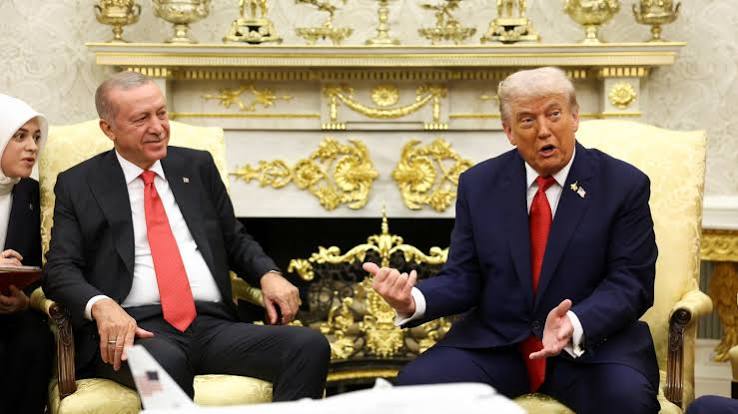
Turkish President Recep Tayyip Erdogan urged President Donald Trump to keep diplomatic channels with Iran open while criticizing Israel over intensified military operations in Gaza. The two leaders also discussed Gaza and a proposed trilateral defense arrangement involving Turkey, Saudi Arabia and Pakistan.
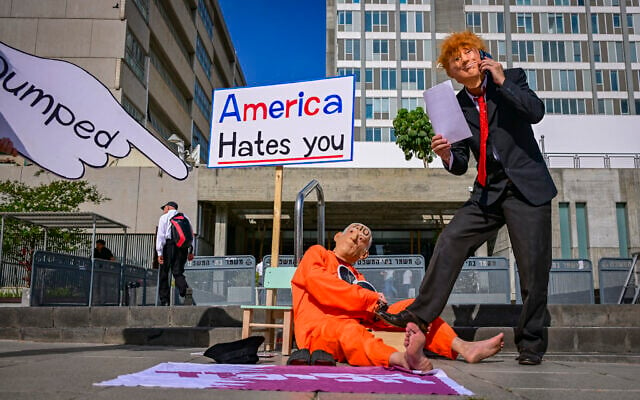
A new survey conducted by the Hebrew University of Jerusalem and the Agam Institute found widespread public dissatisfaction with the outcome of Israel's war against Iran and the subsequent US-Iran agreement. The poll indicates declining confidence in Prime Minister Benjamin Netanyahu's handling of the conflict while showing continued public support for strong military action against Hezbollah.
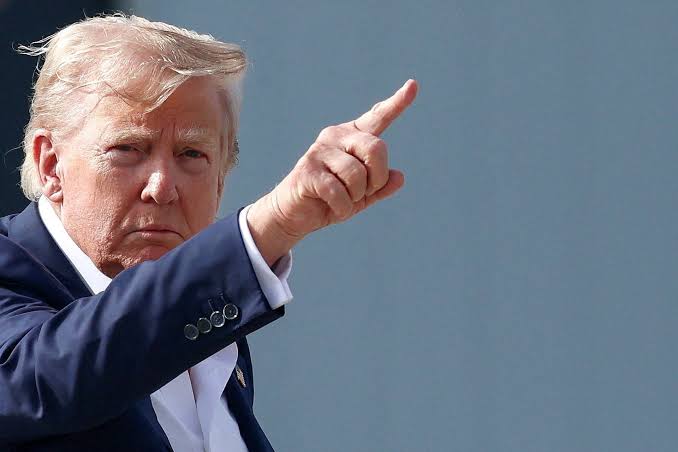
President Donald Trump issued sharp warnings to Iran during ongoing U.S.-Iran negotiations, threatening stronger military action if Tehran refuses to reach an agreement. He also demanded that Iran rein in Hezbollah, warning of severe consequences if its proxy forces continue to provoke instability.
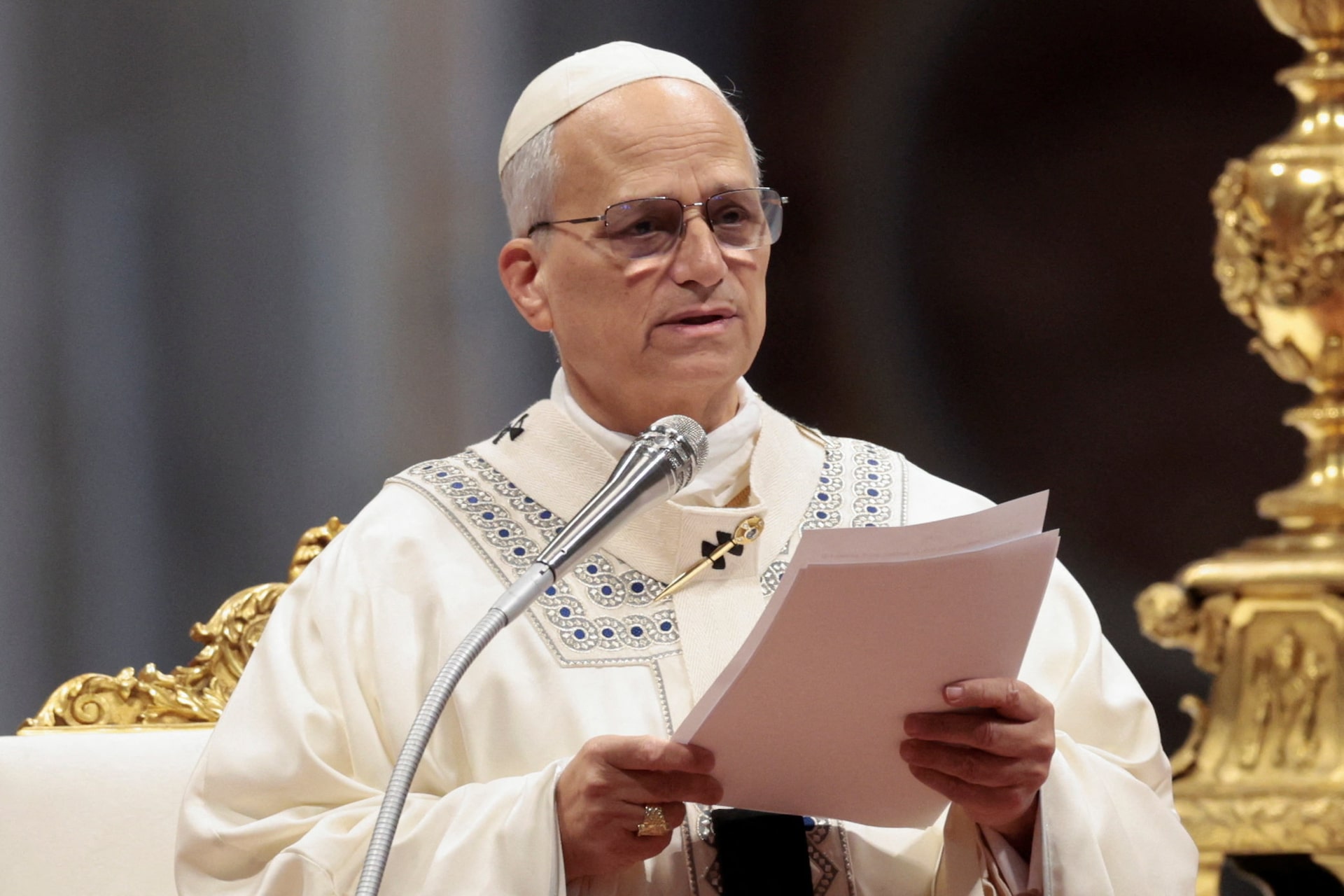
Pope Leo XIV praised the reported U.S.-Iran peace memorandum as a positive result of diplomacy and urged continued dialogue to achieve a just and lasting peace in Ukraine.
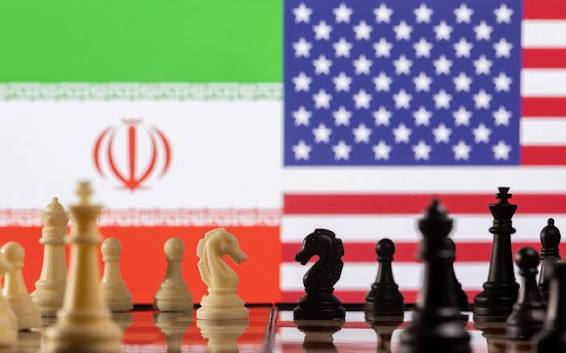
Reports of a potential U.S.-Iran agreement are raising serious concerns in Israel, especially as Hezbollah continues attacking northern communities. Supporters of President Trump hope he will take a firm line, but many fear the deal could give Iran economic relief while allowing its terror proxies to rebuild.
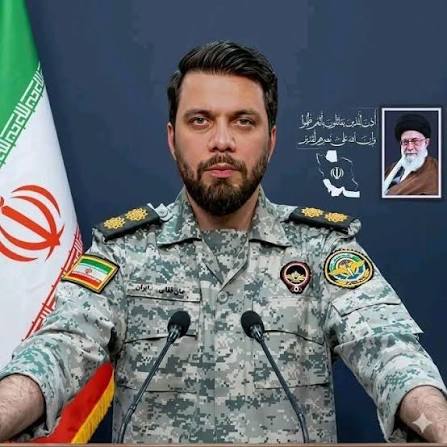
Iran’s Revolutionary Guard rejected Donald Trump’s claim that an agreement ending hostilities with Iran would be signed on June 14, accusing him of trying to turn the date into a personal publicity event tied to his birthday.
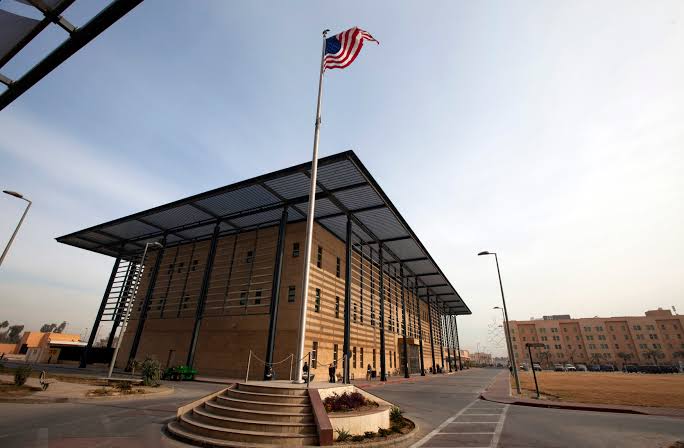
The U.S. Embassy in Baghdad issued a security alert urging American citizens in Iraq to leave immediately, warning that travel disruptions and airspace closures could happen without notice amid rising regional tensions.
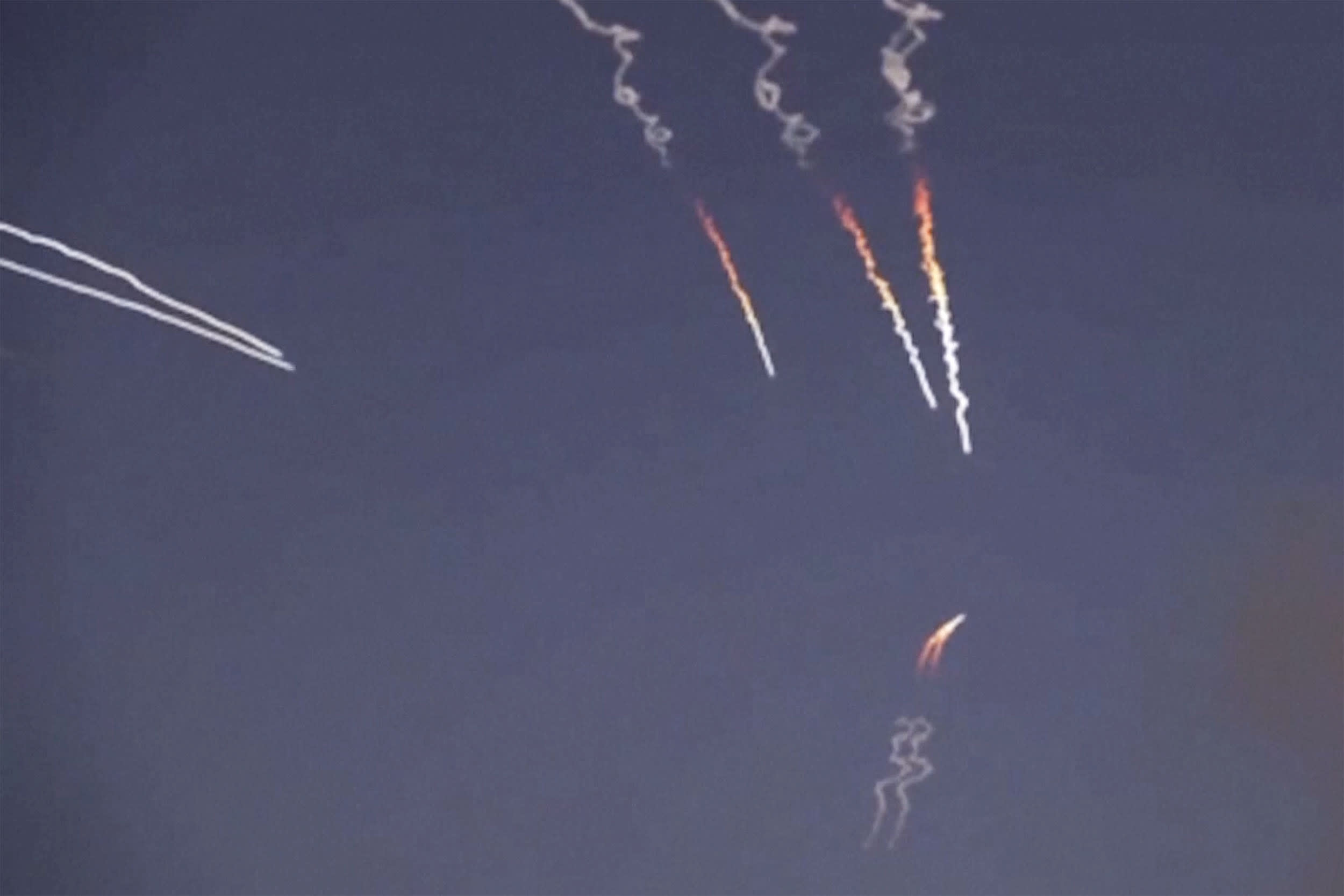
The United States launched a new round of military strikes against targets in Iran on Wednesday after diplomatic efforts to end the conflict stalled. President Donald Trump warned that additional attacks could follow, while Iran rejected American pressure and regional tensions continued to rise across the Middle East.
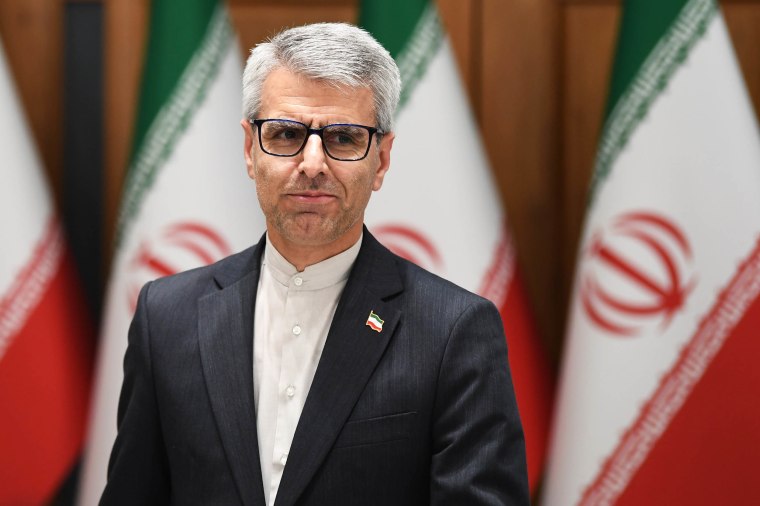
Iran claims that repeated ceasefire violations by the United States and Israel are damaging diplomatic efforts aimed at ending the current conflict. Tehran says military action and diplomacy are being pursued simultaneously, insisting that Iran will continue defending itself while remaining engaged in negotiations.
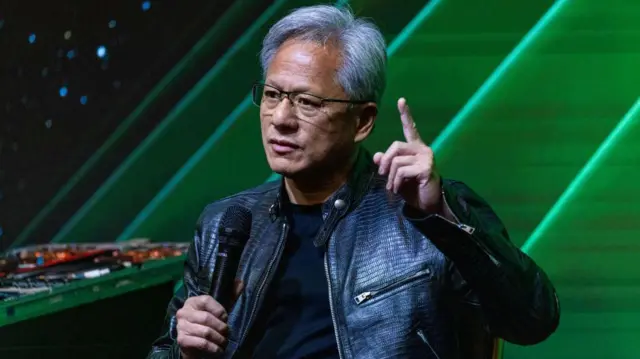
As competition with China intensifies across advanced technologies, America's leadership in artificial intelligence has become a national strategic priority. Nvidia's Jensen Huang recently highlighted Marvell as a potential future trillion-dollar company, signaling that the AI revolution is moving beyond chips and memory into its next critical phase: connectivity.
Bitcoin fell sharply after Strategy reportedly sold a small amount of BTC, raising fears that key support near the company’s average purchase price could break.
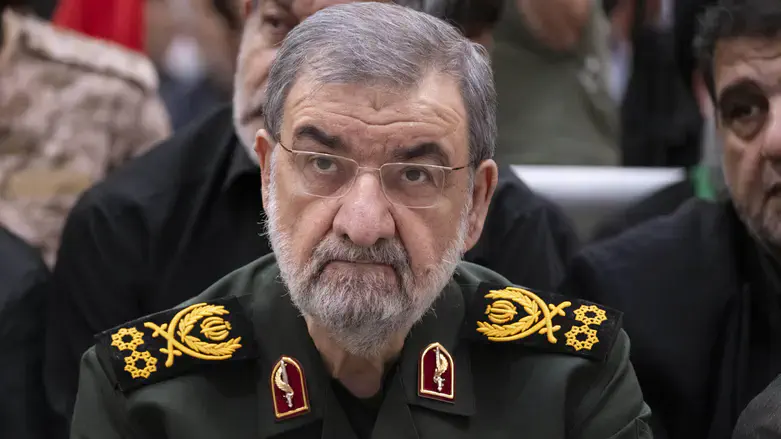
A senior adviser to Iran’s supreme leader says nuclear talks with the US are stalled and demanded the release of $24 billion in frozen Iranian assets as a condition for progress. He rejected a Trump-Khamenei summit and warned Iran could expand attacks if war resumes.
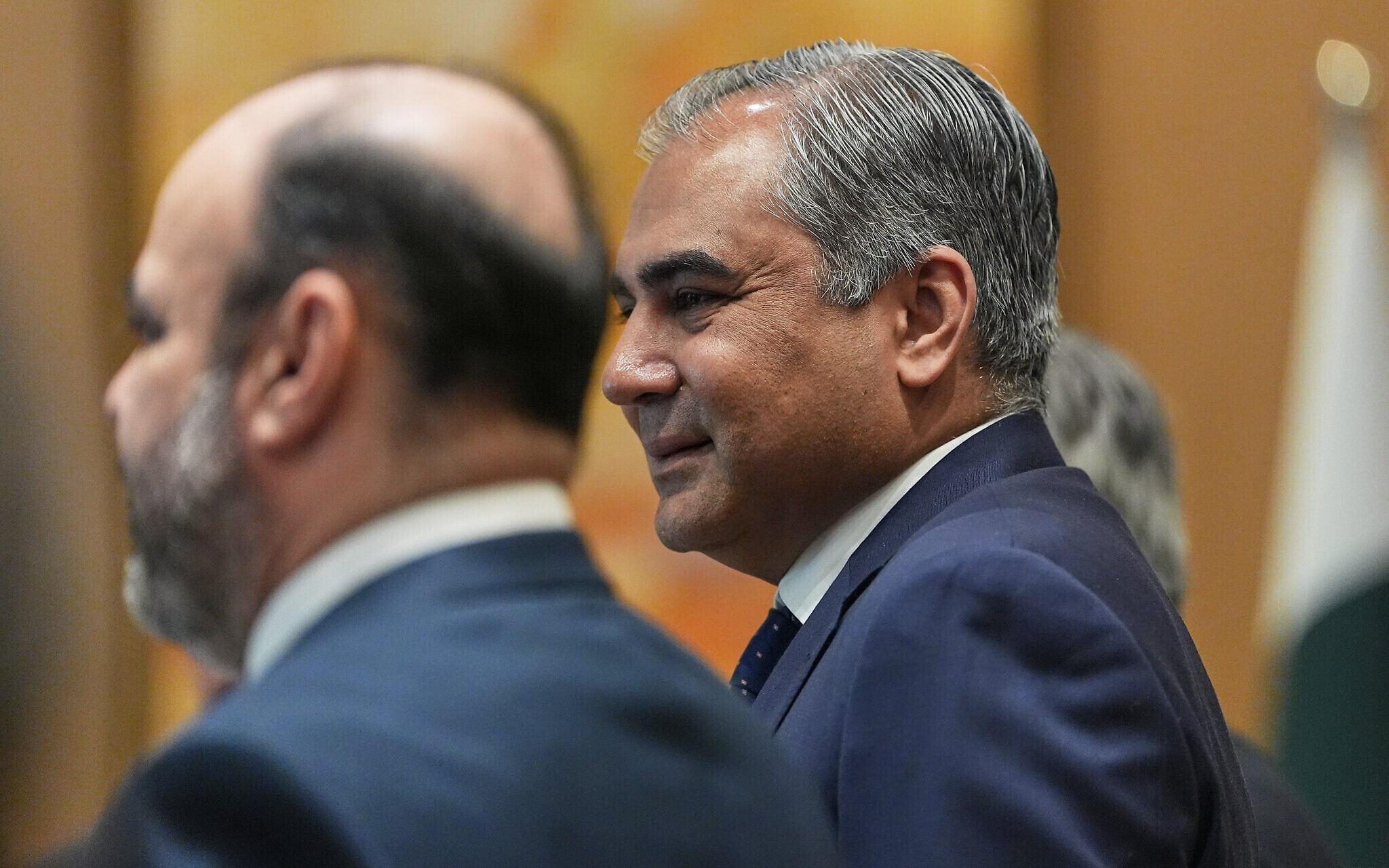
Pakistan’s interior minister is heading to Iran with new proposals aimed at keeping US-Iran talks alive and preventing the conflict from reigniting.
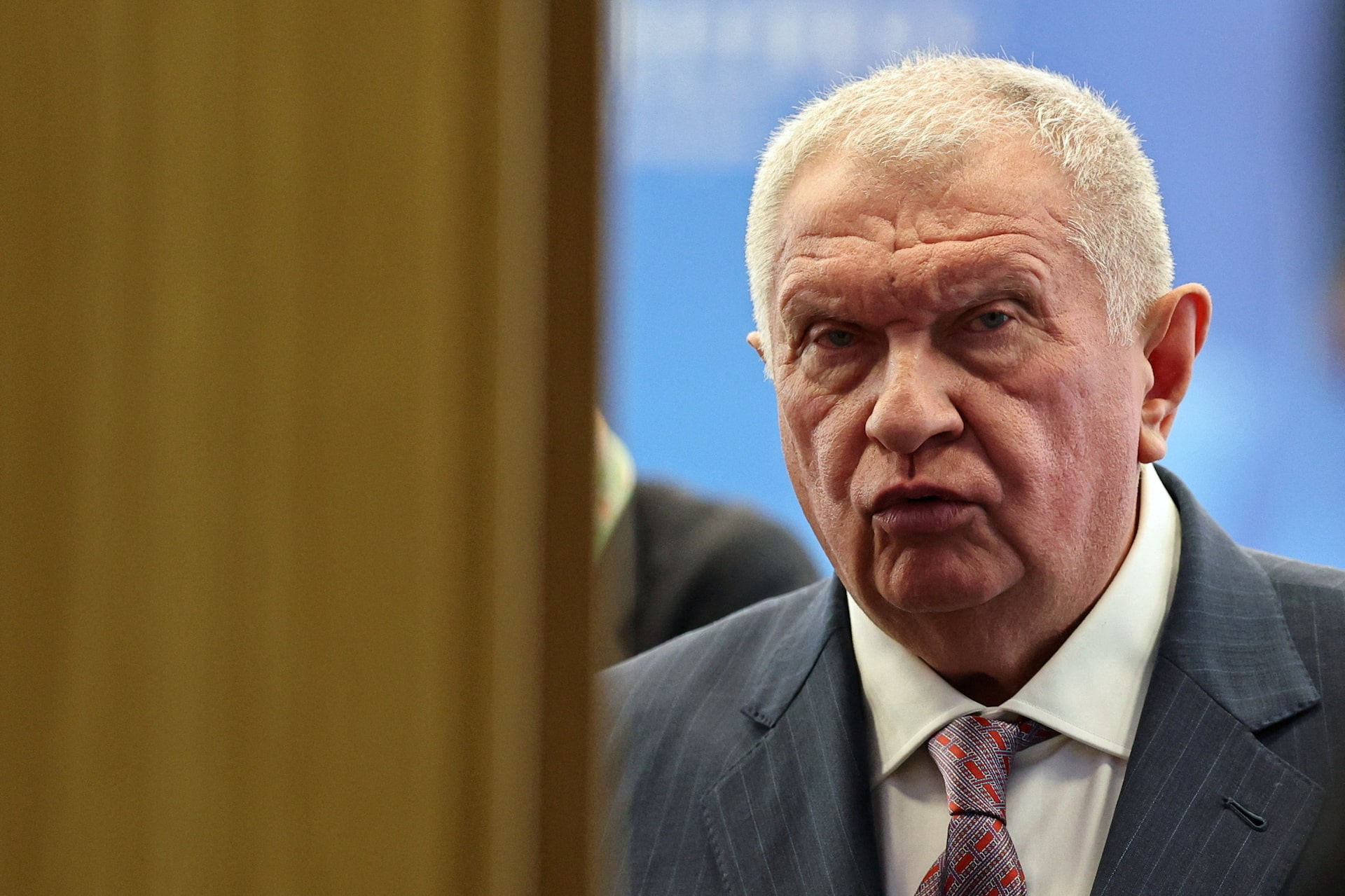
Rosneft CEO Igor Sechin argues that American oil and gas companies are among the biggest beneficiaries of the current Iran-related conflict, as higher crude prices boost profits and strengthen demand for U.S. energy exports. While the U.S. economy appears resilient enough to absorb some inflation pressure in the short term, history shows that prolonged energy crises can eventually hurt both consumers and the energy industry itself.