America's latest in politics, culture, history, and national security.
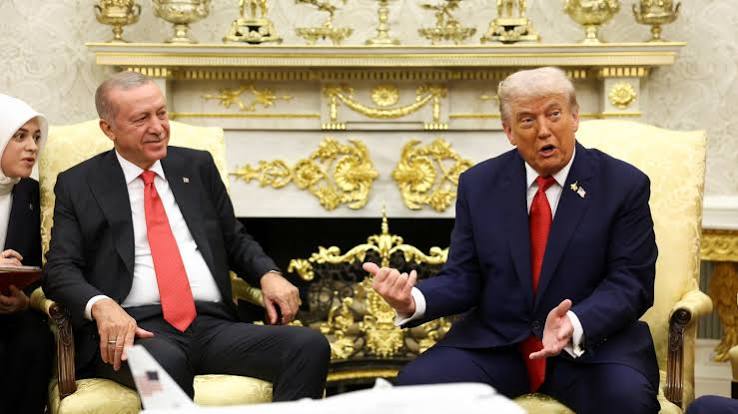
Turkish President Recep Tayyip Erdogan urged President Donald Trump to keep diplomatic channels with Iran open while criticizing Israel over intensified military operations in Gaza. The two leaders also discussed Gaza and a proposed trilateral defense arrangement involving Turkey, Saudi Arabia and Pakistan.
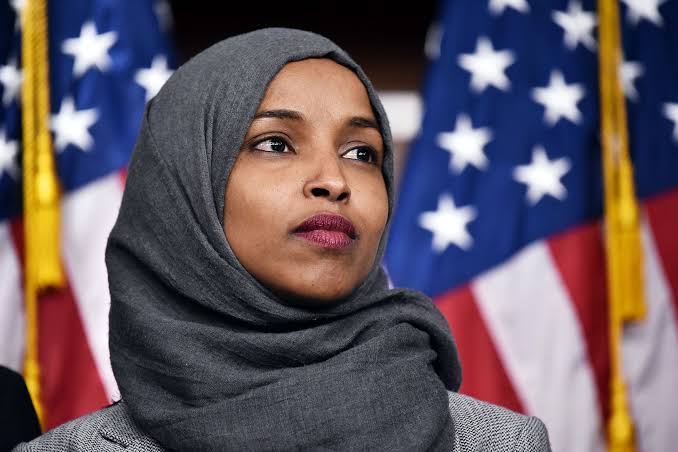
Rep. Ilhan Omar's Independence Day message praising the Constitution and "true patriotism" ignited renewed criticism from many conservatives, who argue her record and past remarks are out of step with the values celebrated on the Fourth of July.

Bloomberg columnist Marc Champion argues that Iran's leadership is using Ayatollah Ali Khamenei's funeral as a carefully staged political event to restore the regime's legitimacy, tying his death to Shiite martyrdom traditions and promoting a renewed anti-Israel and anti-American narrative despite the country's deep economic crisis and international isolation.
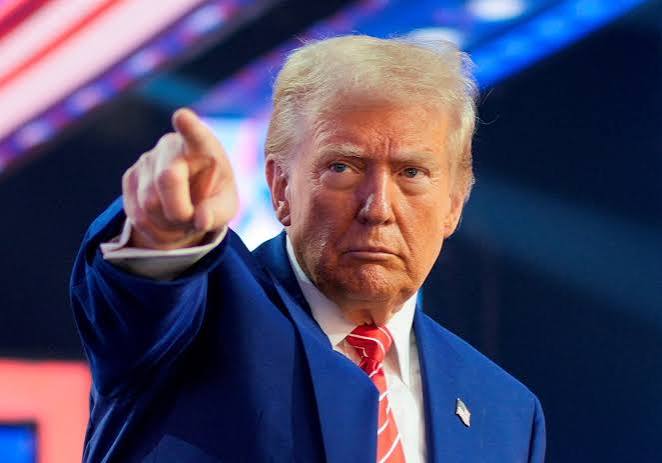
President Donald Trump said Iran requested time to hold funeral ceremonies for former Supreme Leader Ayatollah Ali Khamenei because Tehran was eager to negotiate. Trump also indicated he could meet Israeli Prime Minister Benjamin Netanyahu at the White House as early as next week.
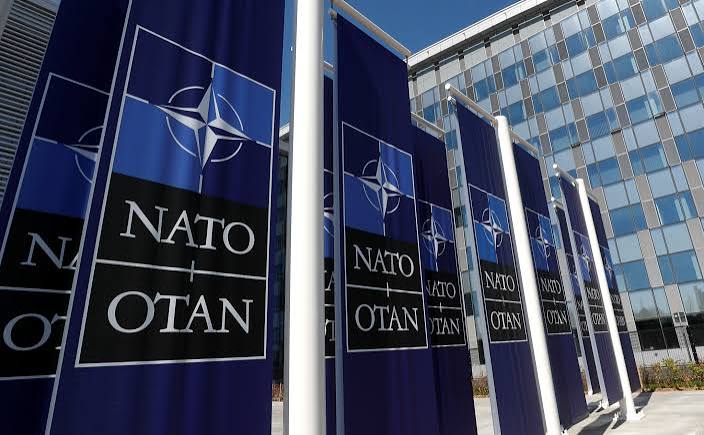
President Donald Trump is expected to back NATO’s Article 5 collective defense principle at the upcoming Ankara summit, despite past criticism of the alliance. NATO members are also moving to boost defense spending and fill gaps left by possible reductions in U.S. forces in Europe.
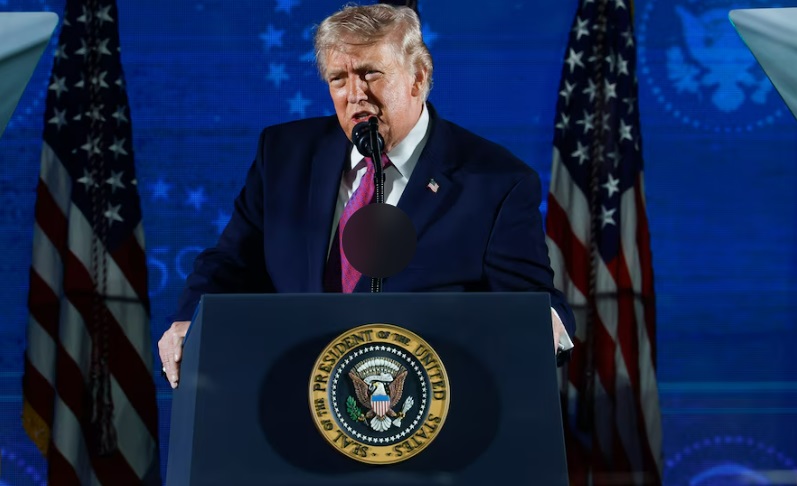
President Donald Trump used a Fourth of July eve speech at Mount Rushmore to warn that the threat of communism is growing inside America, directly targeting the far-left wing of the Democratic Party ahead of the midterm elections.
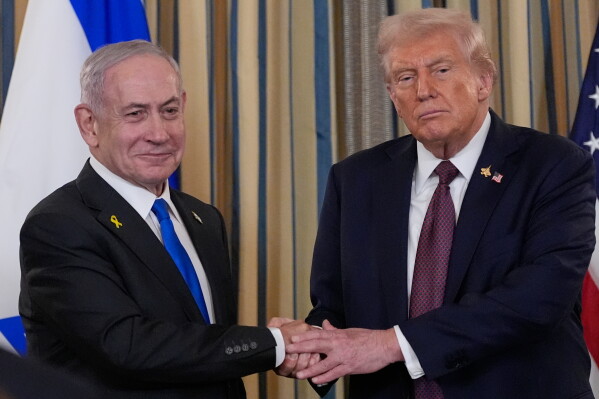
Reports indicate President Donald Trump and Israeli Prime Minister Benjamin Netanyahu are expected to meet in Washington in the coming days, with renewed negotiations over Iran and regional security expected to dominate the agenda. While the two leaders have had occasional differences in approach, both remain focused on advancing stability and protecting Israel's security.
As we celebrate America's Independence Day, it's worth reflecting on a simple question: What does it mean to be an American?
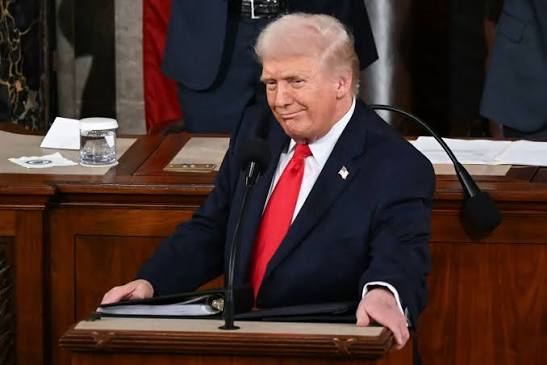
President Donald Trump says Iran has been militarily weakened by U.S. strikes and has agreed to nearly all key American demands in ongoing negotiations. Tehran has denied some of Trump’s claims, including reports of direct meetings with U.S. officials in Qatar.
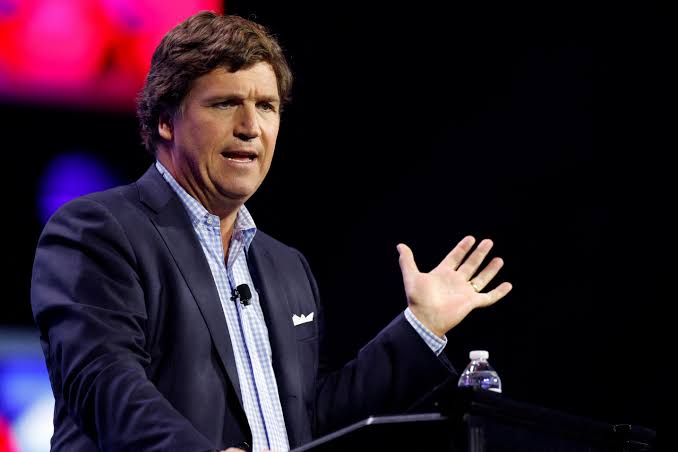
Tucker Carlson says America needs a third party, accusing Democrats and Republicans of marching together on foreign policy and Middle East wars.

Negotiations between the United States and Iran remain deadlocked as Tehran refuses to abandon its demand to control transit fees through the Strait of Hormuz. According to The Wall Street Journal, Washington has offered access to billions of dollars in frozen Iranian funds in exchange for concessions, but Iranian officials continue to insist that the strategic waterway remains under Tehran's authority.
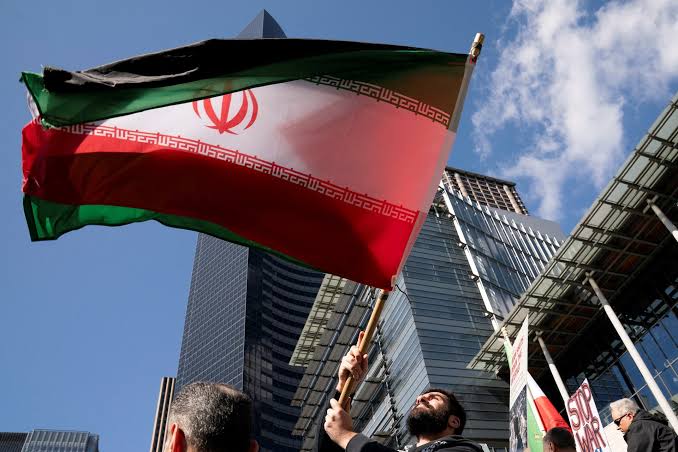
President Donald Trump said talks involving Iran are moving in the right direction, while U.S.-backed pressure continues over Tehran’s nuclear ambitions, threats to shipping in the Strait of Hormuz, frozen assets, and regional issues tied to Lebanon.
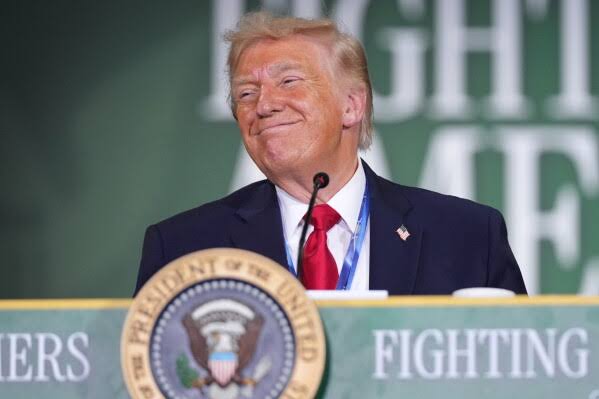
President Donald Trump announced that the Republican Party will hold its first-ever midterm convention in Dallas, Texas, on September 9–10, calling it a historic event to celebrate the America First agenda and the “Great American Comeback.”
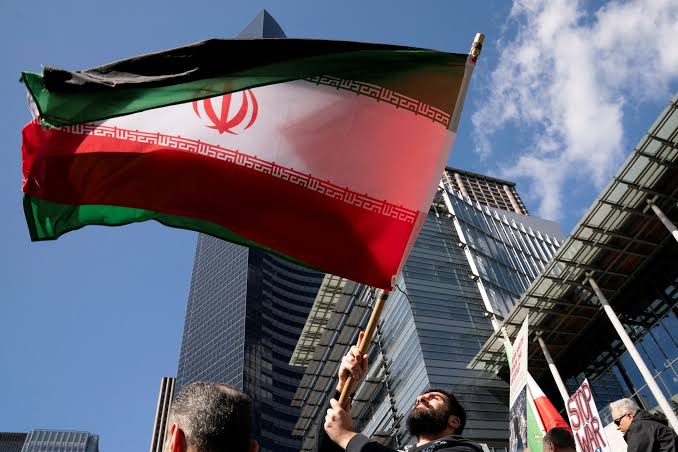
President Trump says U.S. representatives are heading to Doha for talks on Iran’s denuclearization, while Tehran denies a direct follow-up meeting is scheduled and continues pressing for control over shipping routes in the Strait of Hormuz. The issue comes as Israel warns that Iran’s terror proxy Hezbollah remains a major threat in Lebanon.
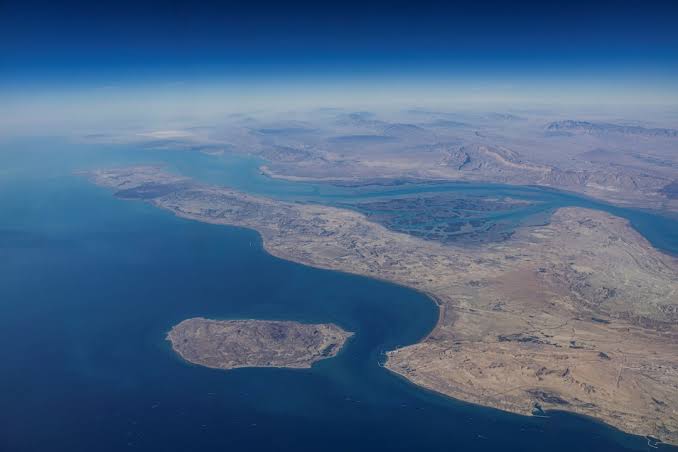
Ship traffic through the Strait of Hormuz has dropped sharply after a reported attack on a vessel, U.S.-Iran military exchanges, and Iran’s new warning that ships must use routes approved by Tehran.
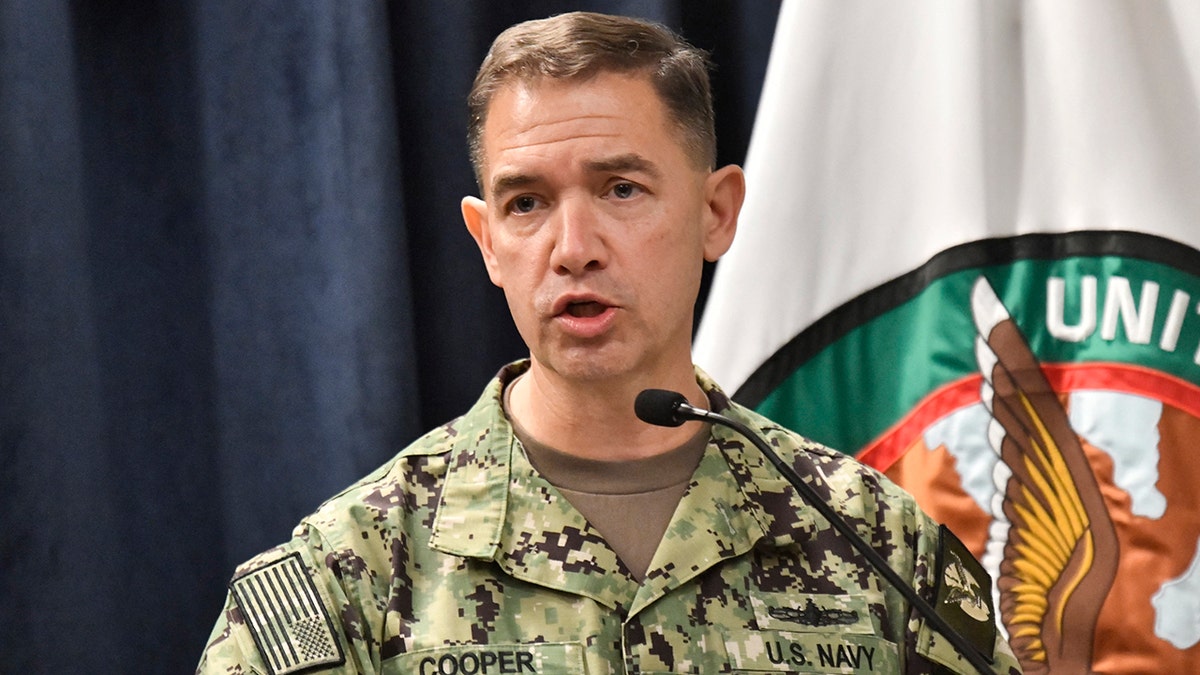
CENTCOM Commander Adm. Brad Cooper met with senior Israeli and Lebanese officials during his Middle East trip, discussing implementation of a newly signed framework agreement while reaffirming the U.S. military's commitment to regional security. Cooper also visited American troops deployed in Israel, where more than 50,000 U.S. service members remain on alert across the region.
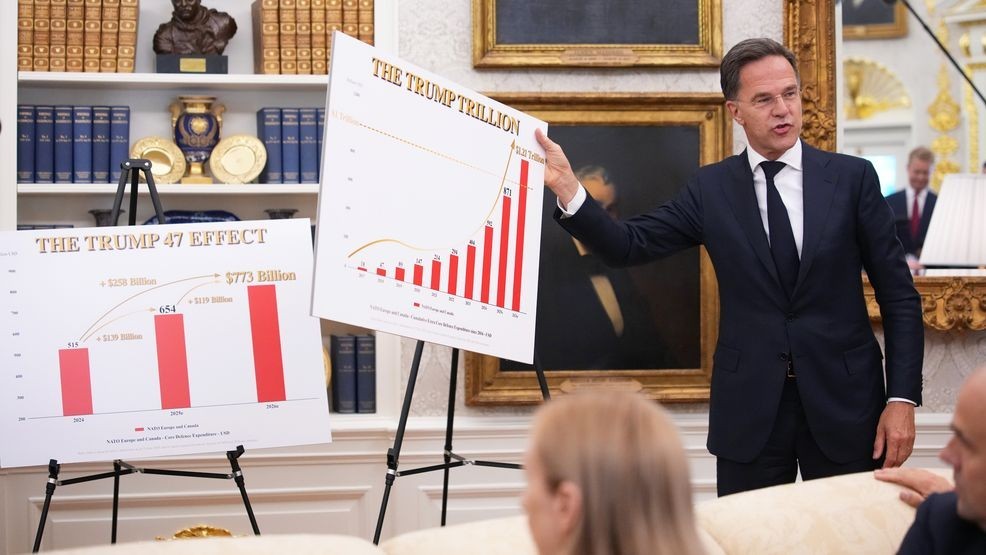
During a White House meeting with NATO Secretary General Mark Rutte, President Donald Trump made clear that America's relationship with NATO is not primarily about financial contributions but about loyalty. In an extraordinary effort to strengthen ties ahead of the upcoming NATO summit, Rutte arrived prepared with a presentation highlighting how Trump's leadership has driven higher European defense spending while benefiting American workers and defense companies.
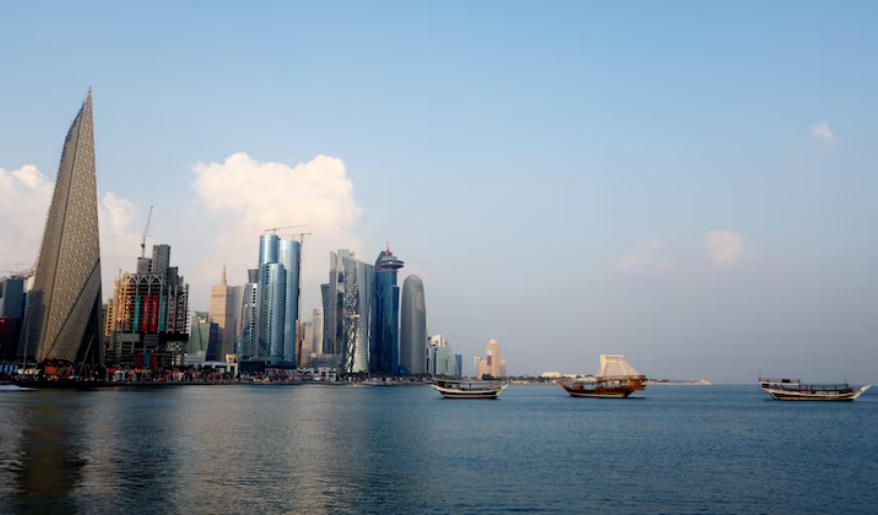
The United States and Iran have agreed to suspend military attacks for now and will meet in Doha, Qatar, on June 30 to discuss tensions surrounding the Strait of Hormuz. The latest developments underscore how rapidly the situation can shift, with negotiations swinging as sharply as a highly leveraged stock market investment.
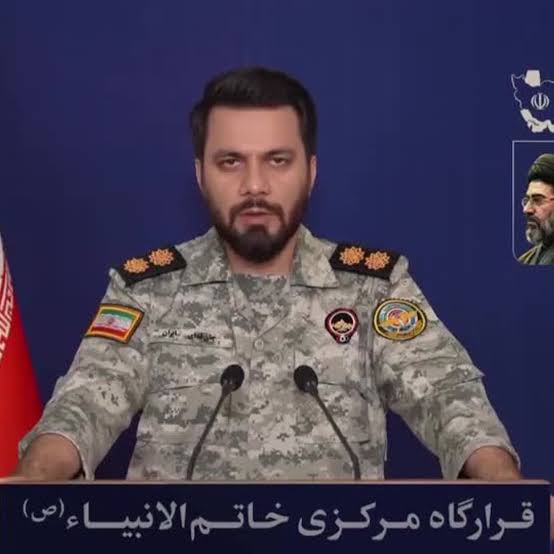
The United States carried out another round of airstrikes against Iranian military targets after Iran violated the ceasefire agreement by attacking commercial shipping near the Strait of Hormuz, according to U.S. officials. President Donald Trump warned that continued Iranian aggression could force the United States to "militarily complete the job," saying the Islamic Republic "will no longer exist" if that happens.
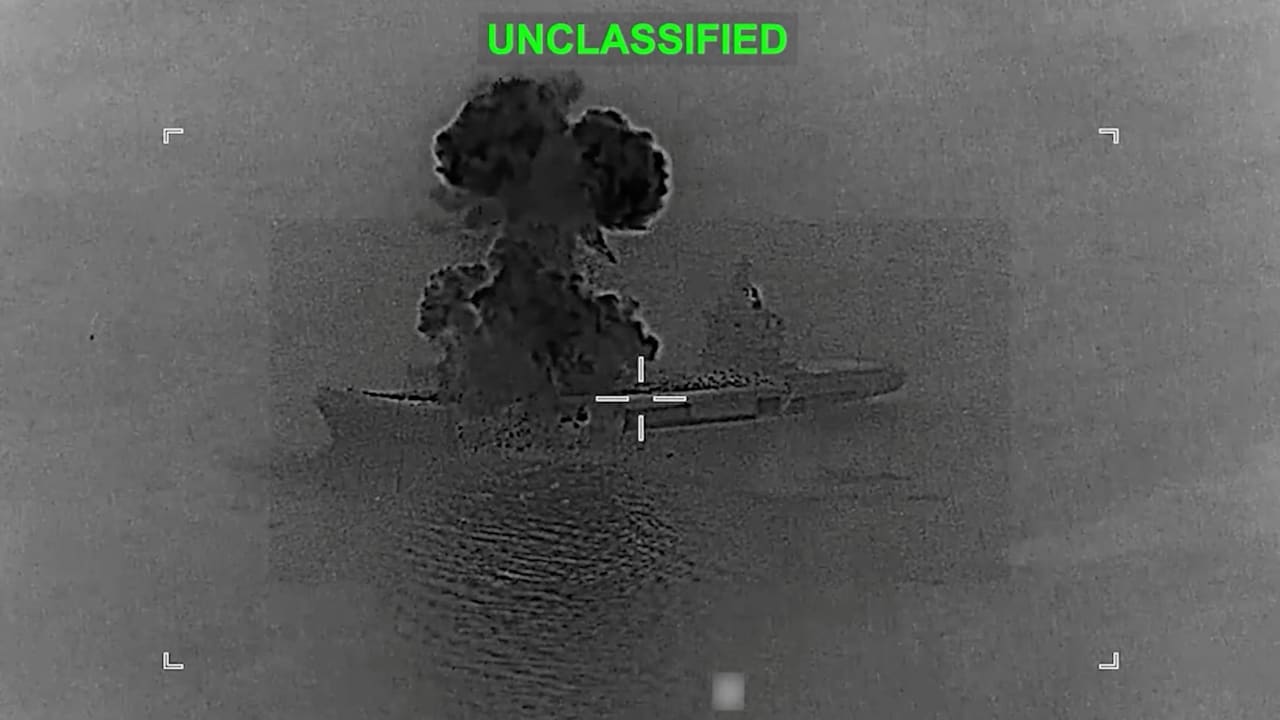
According to U.S. Central Command, an Iranian one-way attack drone struck the Panama-flagged tanker M/T Kiku near the Strait of Hormuz while it was carrying more than two million barrels of crude oil.
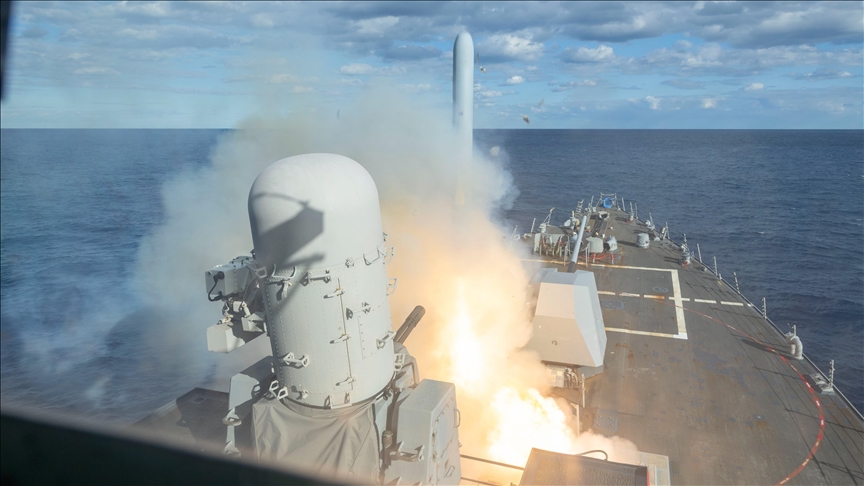
The United States carried out airstrikes against Iranian missile, drone, and radar facilities after Iran attacked a commercial vessel in the Strait of Hormuz, an incident Washington says violated the recent ceasefire agreement. President Donald Trump condemned the attack and warned that Iran would face consequences.
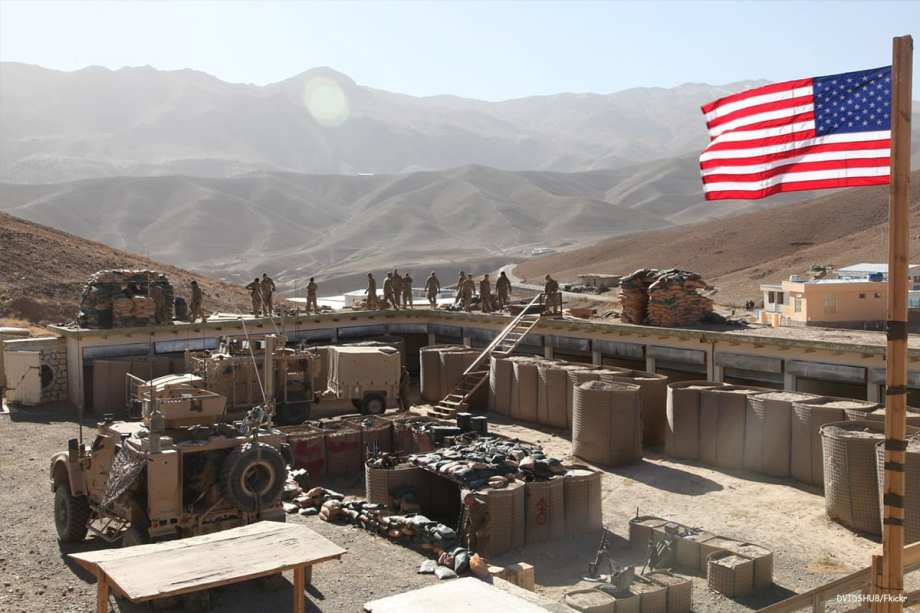
The United States is reportedly considering moving some Middle East military assets westward, including possibly to Israel, after Iranian missile and drone attacks caused major damage to U.S. bases in the Gulf.
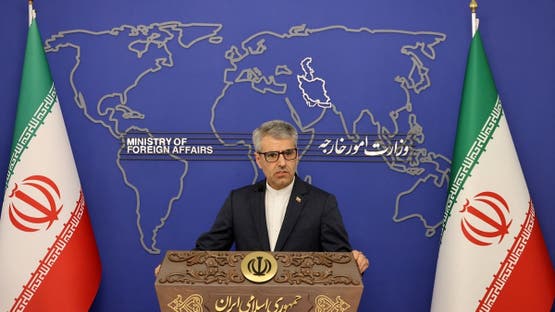
Iran's Foreign Ministry says conflicting statements from U.S. officials about a memorandum intended to end the recent conflict are deepening Tehran's mistrust. Iranian officials argue that both sides must honor the agreement as written and avoid interpretations they believe contradict its text.
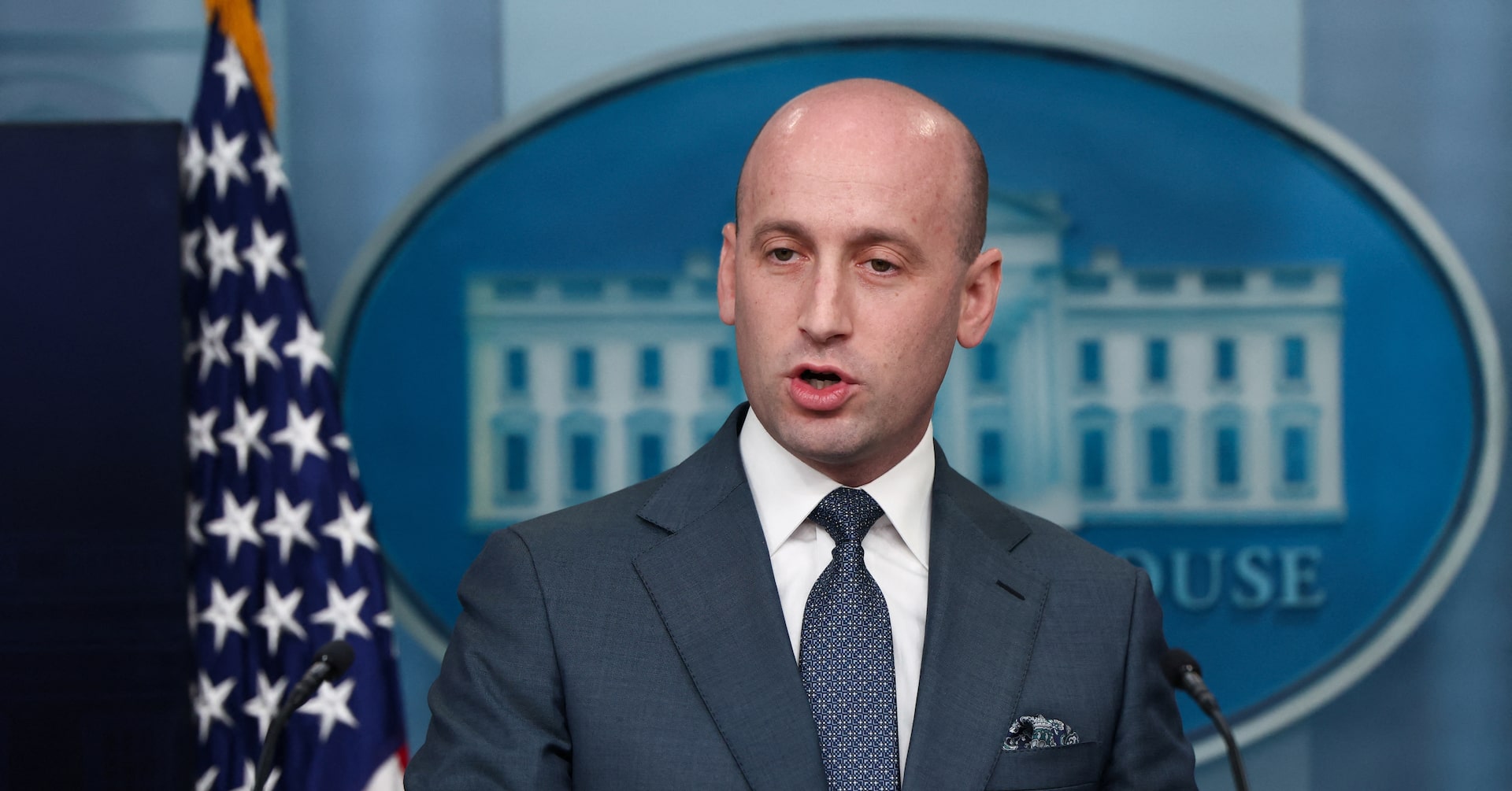
White House Deputy Chief of Staff for Policy Stephen Miller warned that the Democratic Party has fundamentally changed, arguing that progressive and democratic socialist candidates are increasingly taking control through primary elections. Speaking on Fox News' "Hannity," Miller said the party no longer resembles previous generations of Democrats and issued a stark warning about what he believes is at stake for America's security, borders, and traditional values.
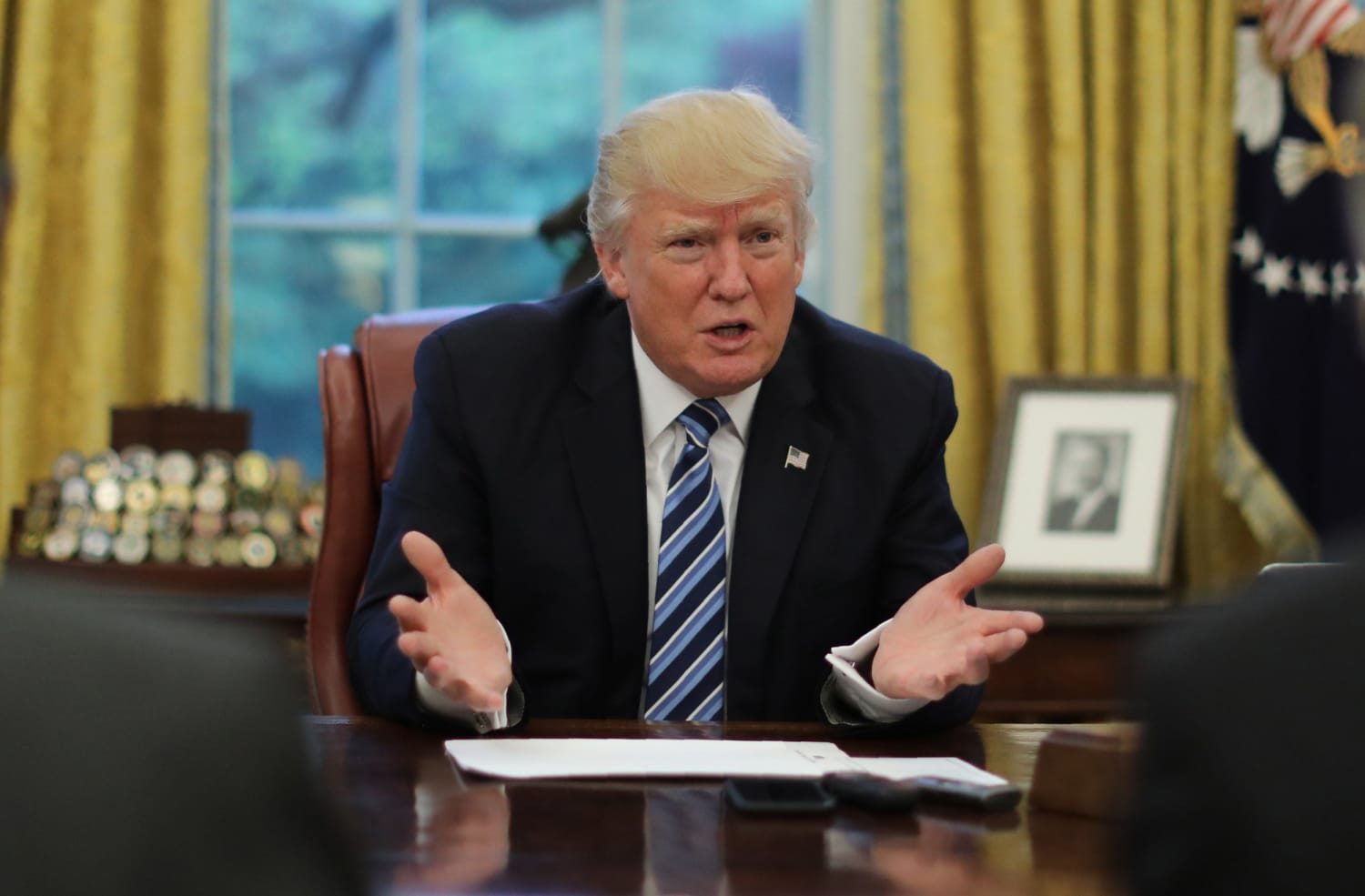
President Donald Trump said Iran has informed him that ships will not face tolls, insurance costs, or other charges to pass through the Strait of Hormuz, a critical waterway for global oil traffic.
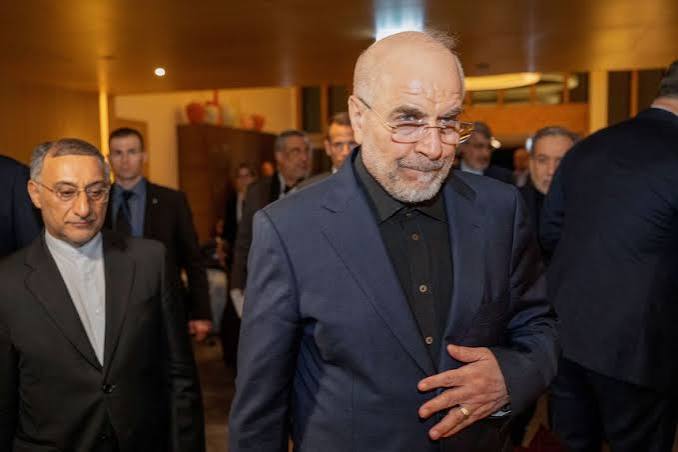
Iranian Parliament Speaker Mohammad Bagher Ghalibaf described the Islamabad Memorandum of Understanding (MOU) ending hostilities with the United States as a victory for Iran, insisting it reflected the resilience of the Iranian people rather than pressure from Washington. He also reaffirmed Iran's demand for a ceasefire in Lebanon and the eventual withdrawal of foreign forces from the Middle East.
President Trump says Iran agreed to allow IAEA inspections of its nuclear sites, but Tehran is publicly denying it — a familiar regime tactic of lying at home while bending under pressure abroad.
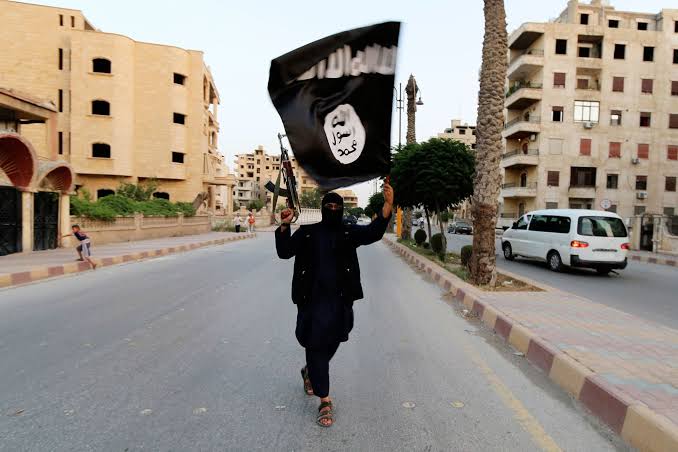
U.S. Central Command says American forces killed senior ISIS leader Ali Husayn al-‘Ulaywi in a precision airstrike in northwest Syria on June 19.

Two DSA-backed anti-Israel candidates won Democratic congressional primaries in New York City, strengthening Mayor Zohran Mamdani’s far-left political network and signaling a broader push against pro-Israel Democrats.
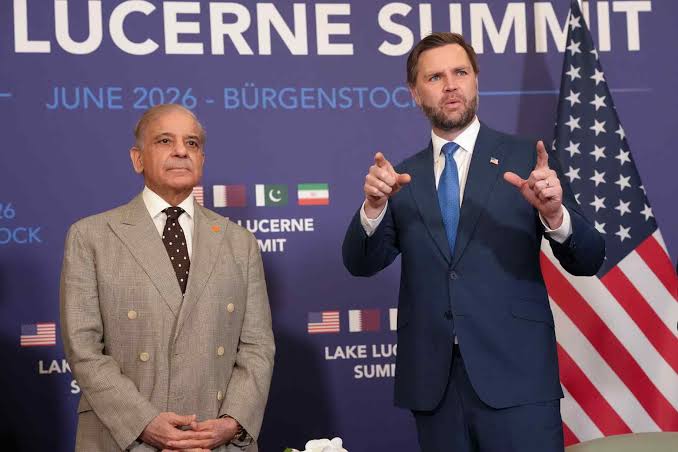
U.S. and Iranian officials left their Switzerland talks with major disagreements still unresolved, including frozen assets, IAEA nuclear inspections, oil sanctions, and Iran’s role in Lebanon and the Strait of Hormuz.
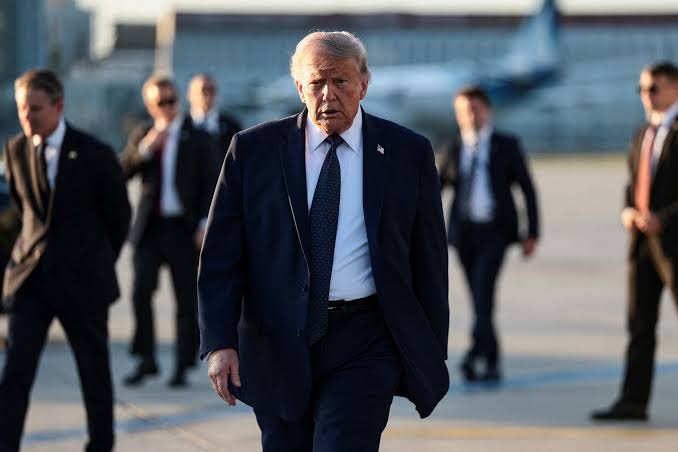
President Donald Trump announced that Iran has agreed to long-term, high-level nuclear inspections as part of ongoing negotiations. He also said the US will keep the Strait of Hormuz open, provide tightly controlled humanitarian sanctions relief, and continue talks toward a broader agreement, while Iranian officials disputed parts of the US account.