America's latest in politics, culture, history, and national security.
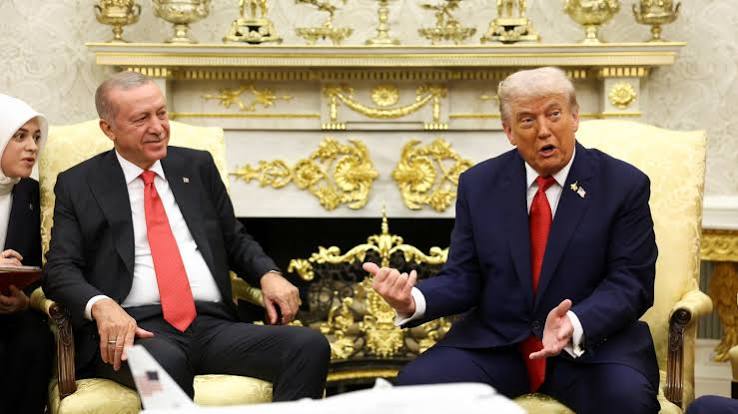
Turkish President Recep Tayyip Erdogan urged President Donald Trump to keep diplomatic channels with Iran open while criticizing Israel over intensified military operations in Gaza. The two leaders also discussed Gaza and a proposed trilateral defense arrangement involving Turkey, Saudi Arabia and Pakistan.
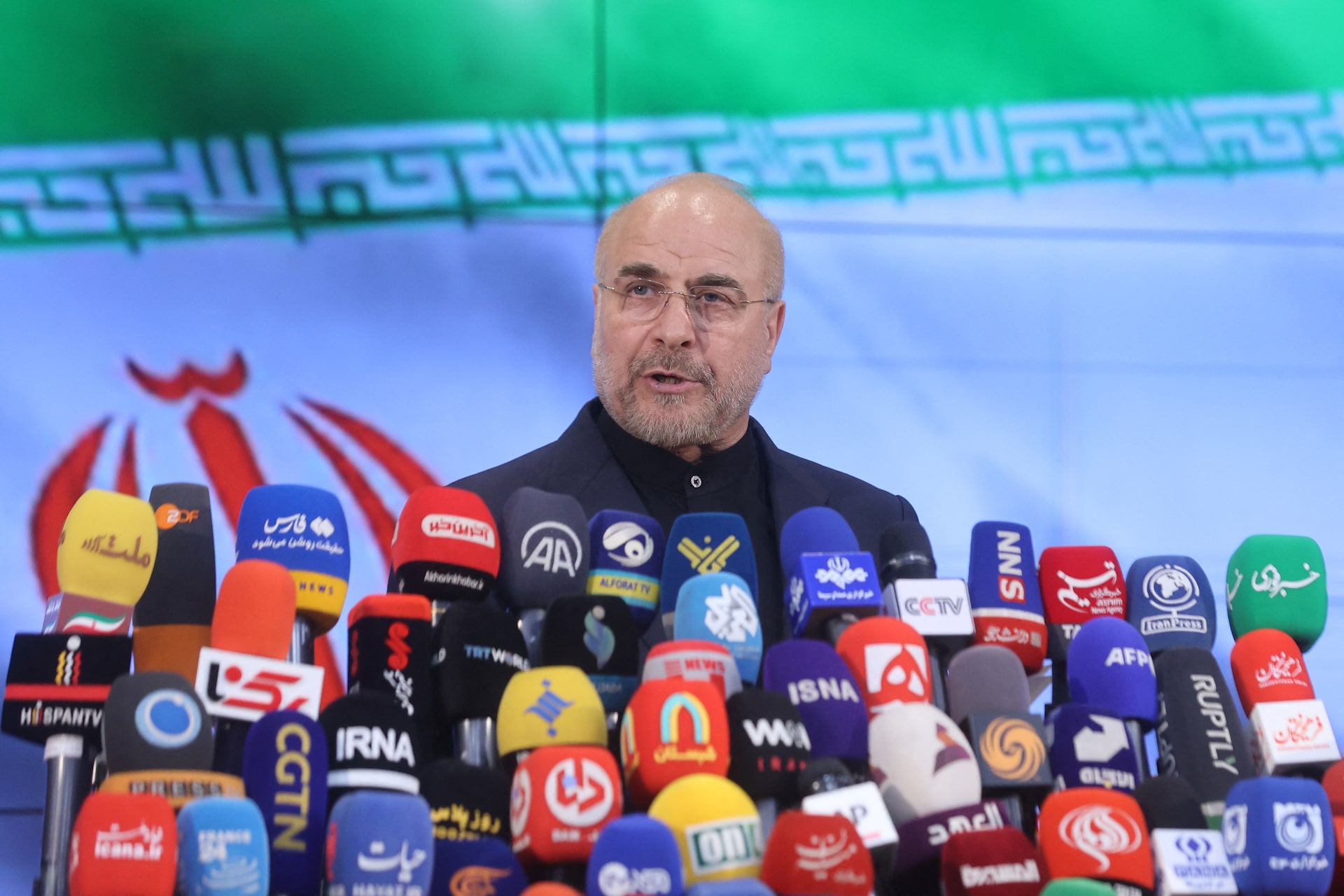
Senior American and Iranian officials are expected to attend a memorandum of understanding (MOU) signing ceremony in Geneva on June 19. U.S. Vice President J.D. Vance plans to attend, while President Donald Trump may also appear. Iran is expected to be represented by Parliament Speaker Mohammad Bagher Ghalibaf and Foreign Minister Abbas Araghchi.
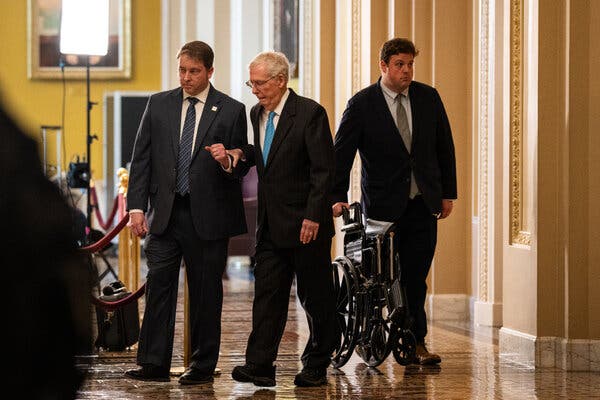
Sen. Mitch McConnell was admitted to the hospital Sunday morning, according to his spokesperson. His team says he is receiving excellent care, but no diagnosis or further condition details have been released.
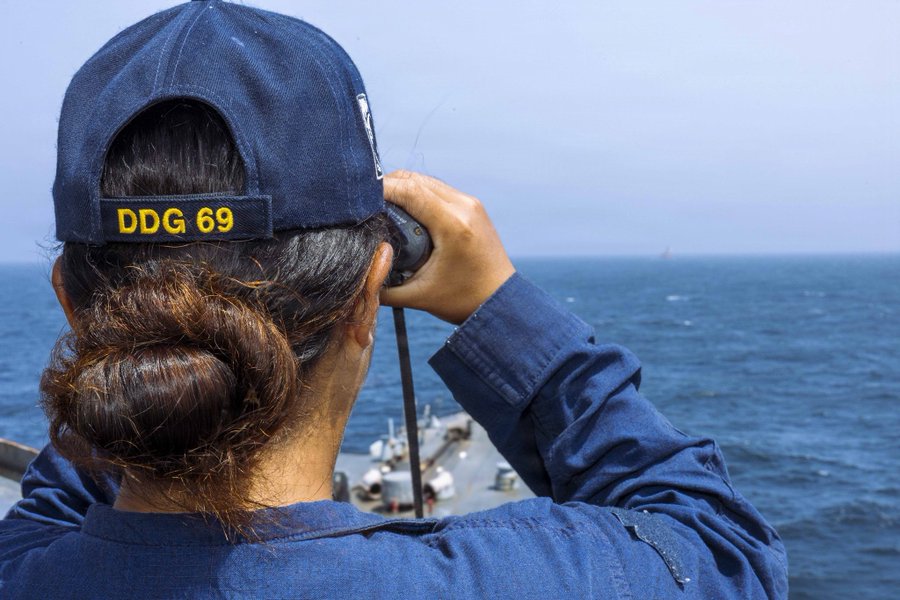
A U.S. Navy sailor aboard the guided-missile destroyer USS Milius (DDG-69) stands watch during maritime operations supporting U.S. enforcement measures against Iran. According to U.S. Central Command, 142 commercial vessels have complied with redirection orders while nine vessels were disabled after failing to comply.
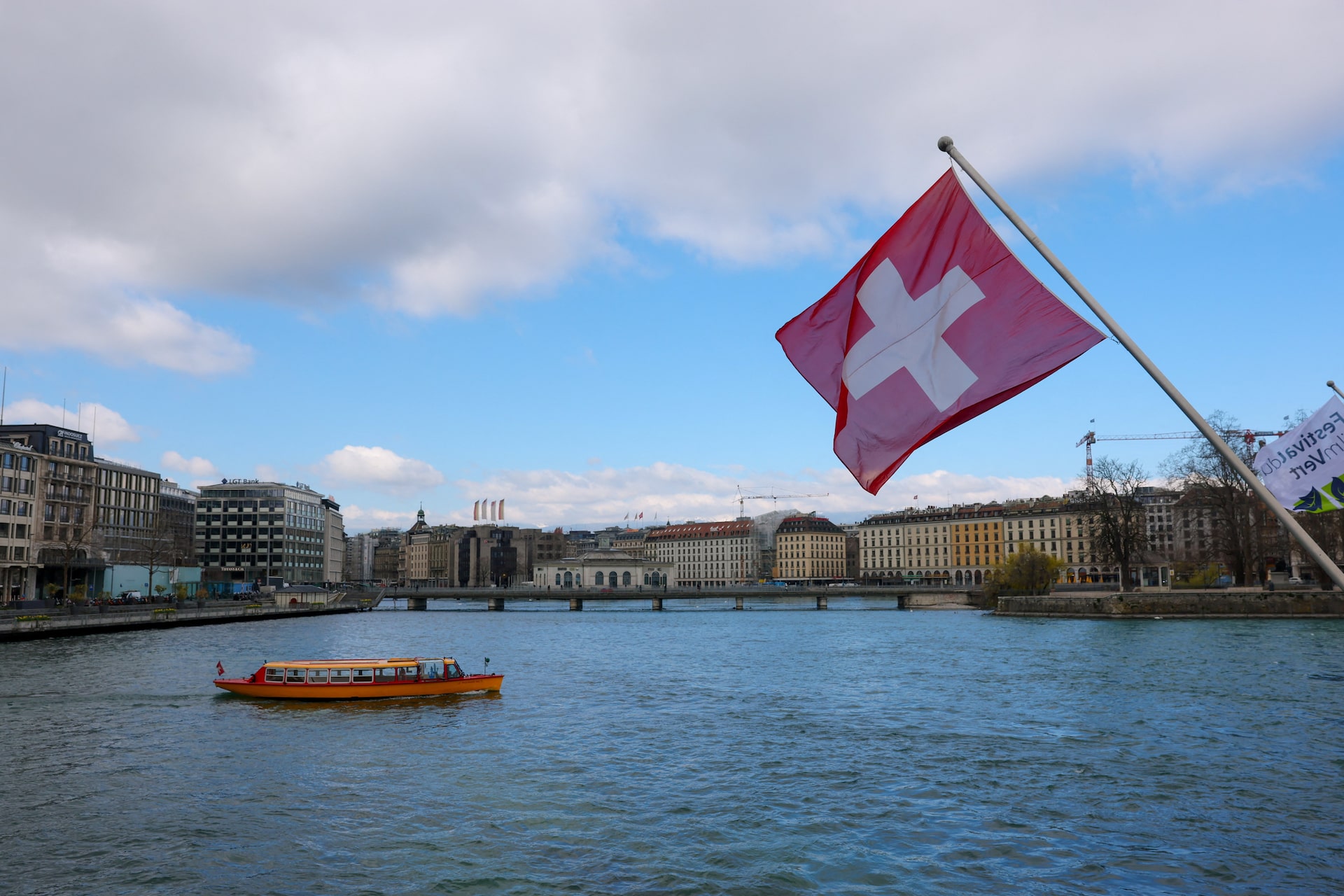
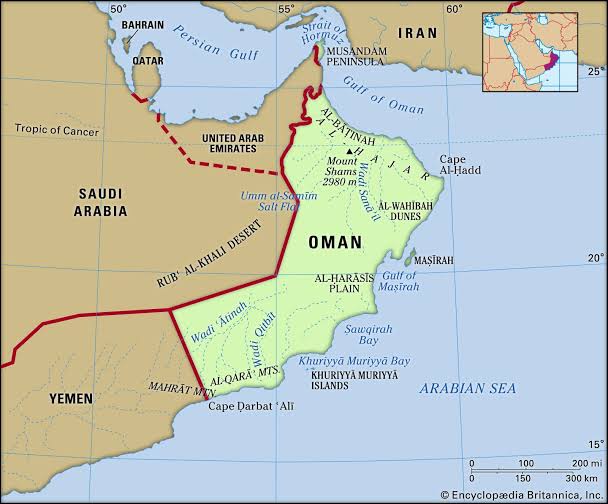
If a ceasefire memorandum of understanding is signed on June 19, the most likely scenario could include the reopening of the Strait of Hormuz and renewed nuclear restrictions on Iran. However, sanctions relief and the release of frozen Iranian assets may also become part of the package. The situation remains highly unpredictable and none of the reported details have been officially finalized.
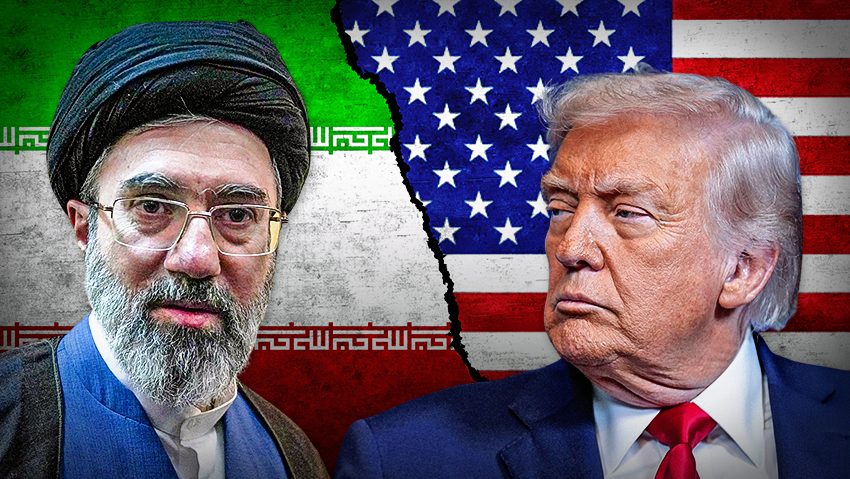
President Trump says the U.S. and Iran have reached a deal to end hostilities, reopen the Strait of Hormuz without tolls, and lift the U.S. naval blockade. Pakistan says the MOU will be signed June 19 in Switzerland, while Iran says frozen assets and sanctions relief will be negotiated over the next 60 days.
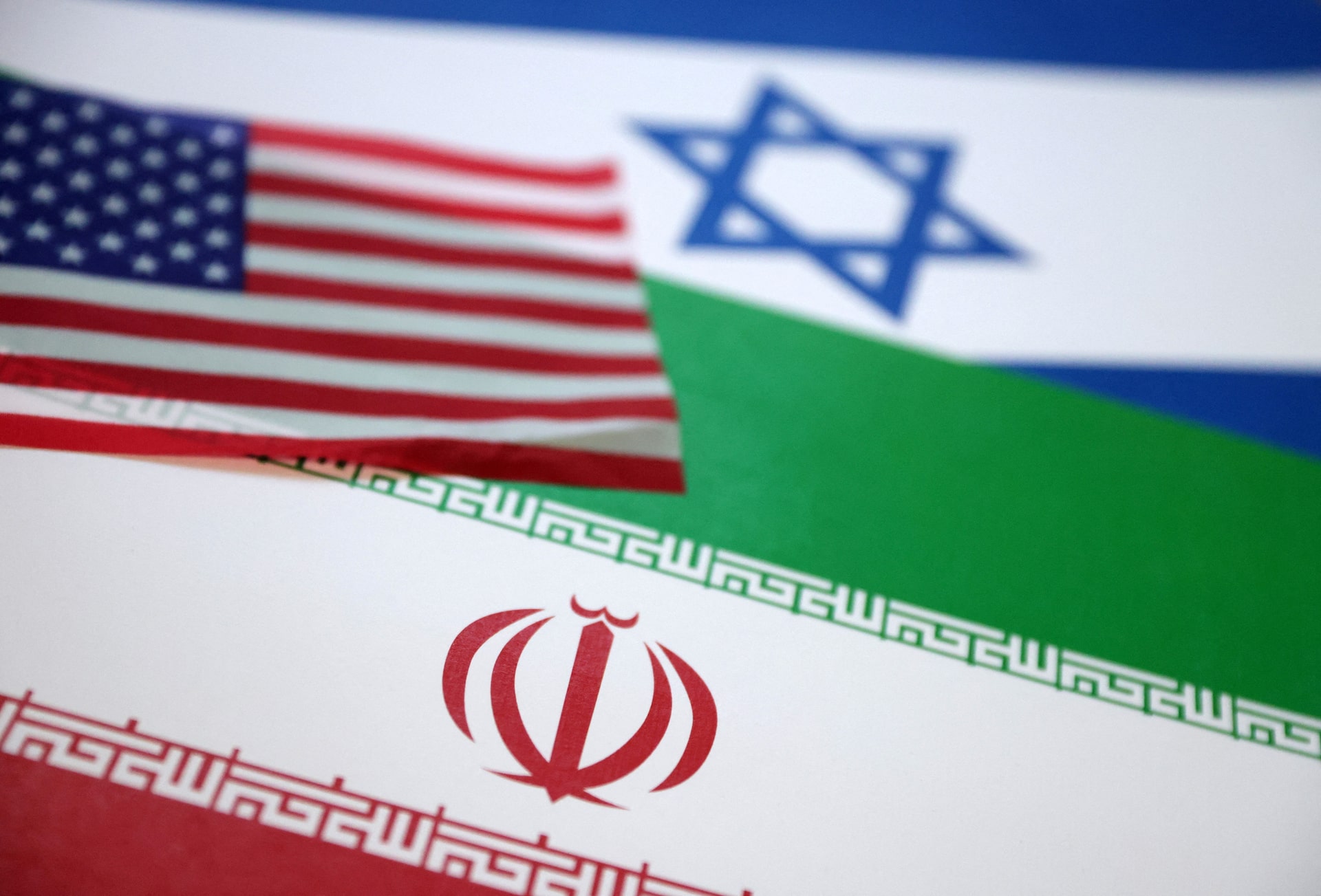
President Trump says the U.S. is close to a peace agreement with Iran, but conflicting signals remain. Iran says its security leadership supports ending the war through talks, while Iranian officials warn that Israel’s strike in Beirut could damage the process. U.S. officials say they are confident, but also warn Iran will face consequences if it violates any deal.
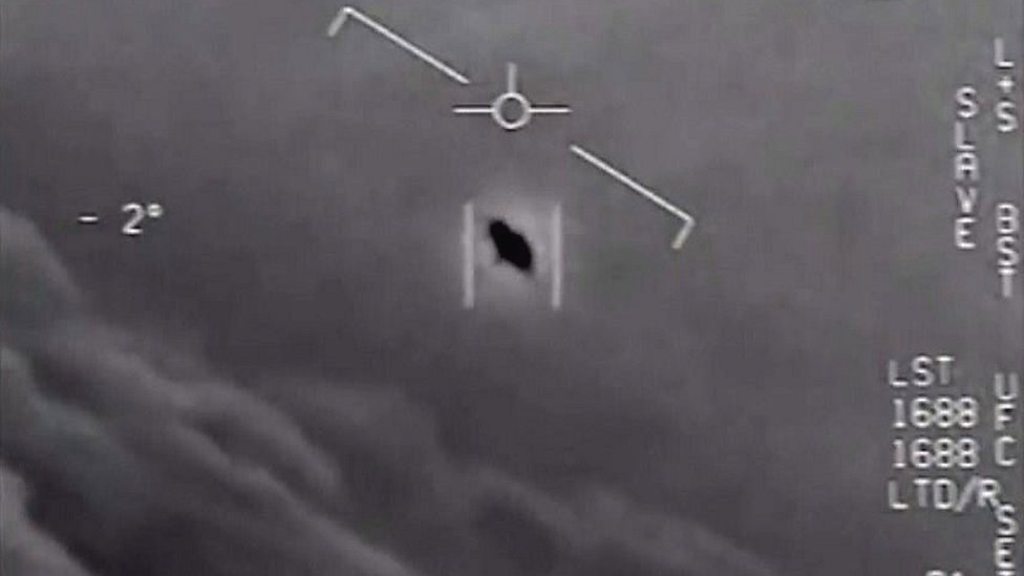
President Trump’s renewed push to release UFO and UAP-related files has drawn massive public attention. Supporters say Americans deserve transparency, while critics argue the timing may also serve a political purpose amid pressure at home and rising space competition with China and Russia. While experts say the newly released files provide no proof of extraterrestrial life, the disclosures have also revived attention to the extraordinary claims made by former Canadian Defense Minister Paul Hellyer, who spent years arguing that governments were withholding information about UFOs and possible alien civilizations.
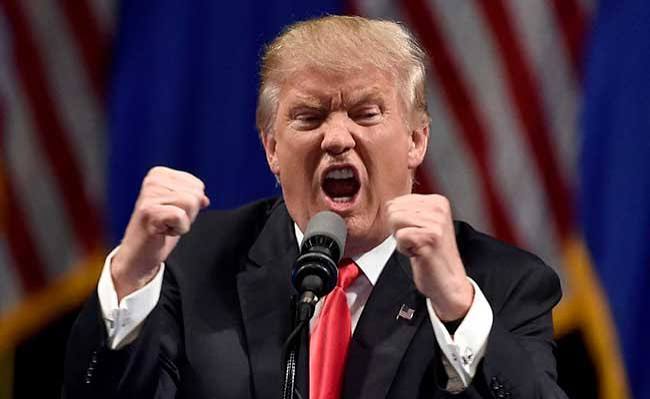
President Donald Trump reportedly reacted angrily after details from a draft U.S.-Iran agreement were leaked to the media, portraying Washington as taking a softer approach toward Tehran. According to reports, Trump ordered an immediate messaging campaign to counter claims that the deal would provide Iran with economic benefits before significant concessions on its nuclear program and regional activities.
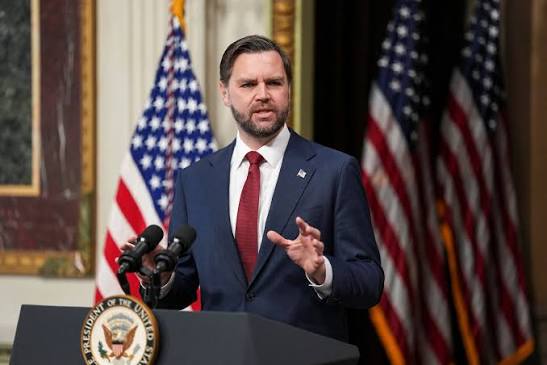
Vice President JD Vance claimed that every major conflict in history, including World War I and World War II, ended through negotiation. Historical records show that is false. Germany and Japan surrendered unconditionally in World War II, and many other wars ended through surrender or military defeat, not negotiated compromise.
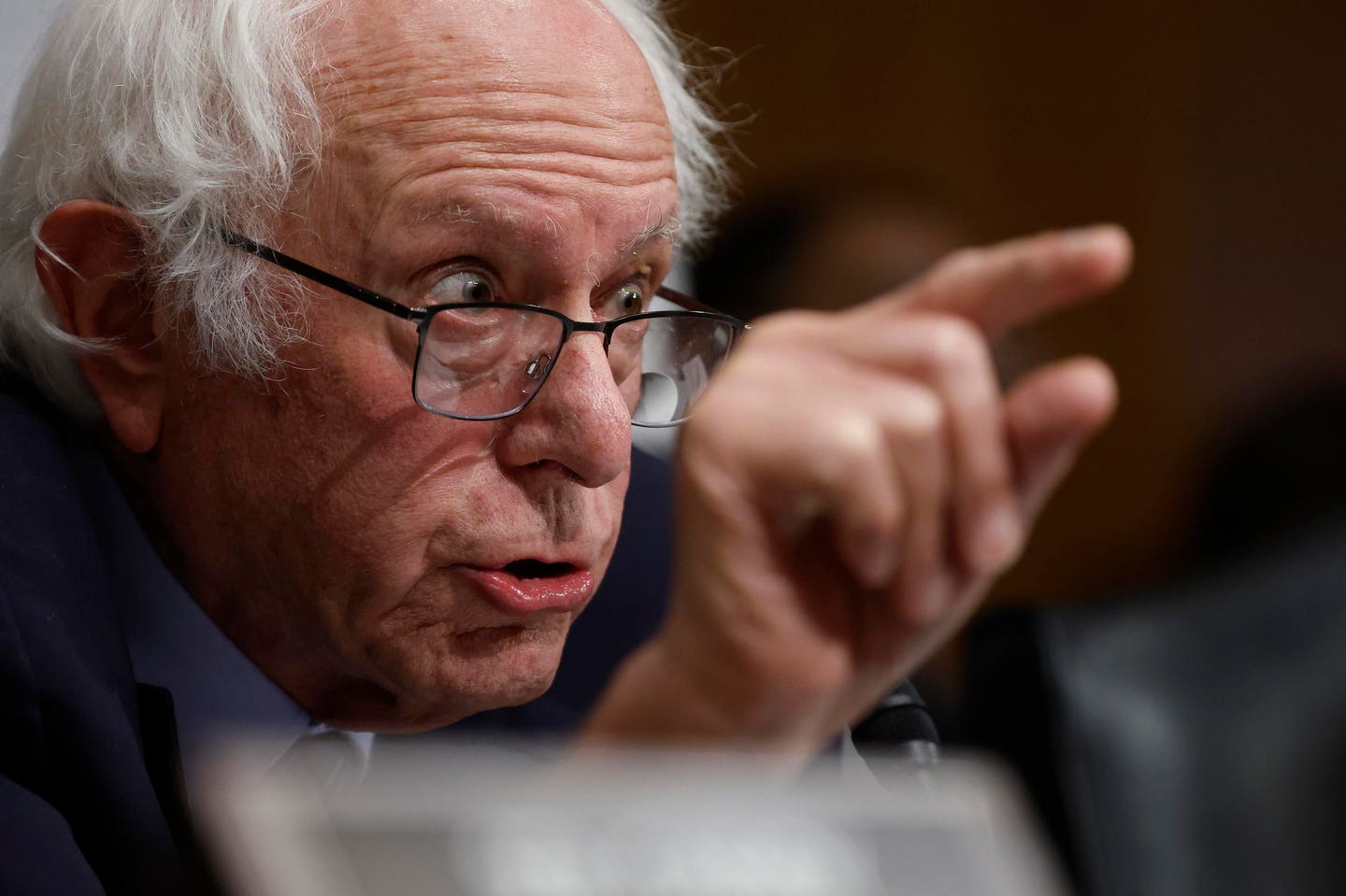
Sen. Bernie Sanders is once again criticizing billionaire wealth after Elon Musk became the world’s first trillionaire following SpaceX’s historic IPO. However, Sanders’ comments have revived criticism from opponents who point to his own millionaire status and past controversy over purchasing a vacation home while presenting himself as a champion of working-class Americans.
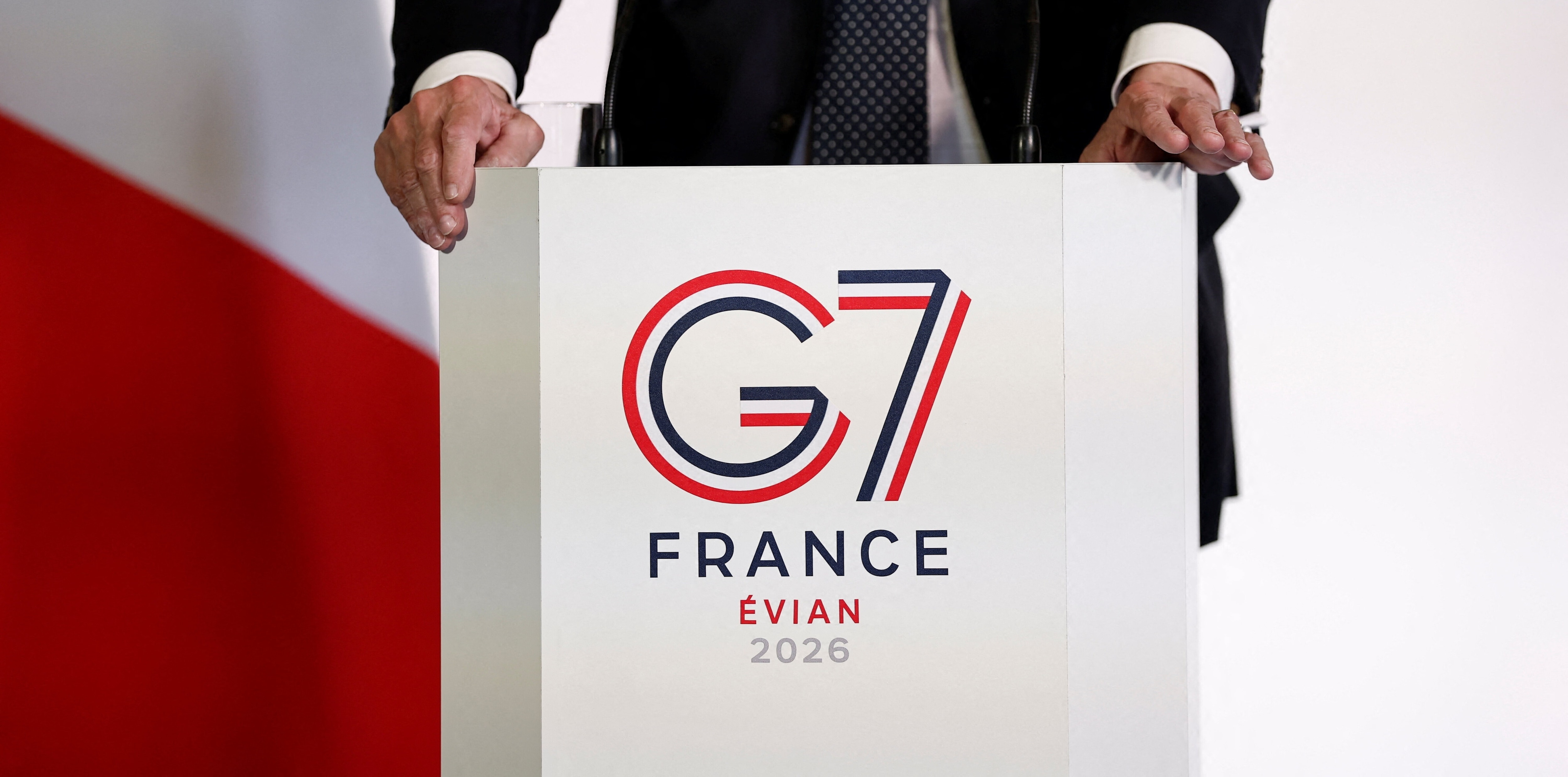
G7 leaders and invited nations are gathering in France as the West faces major tests over Iran, the Strait of Hormuz, Ukraine, and global economic pressure. President Trump, frustrated by Europe’s refusal to back the U.S. militarily during the Iran war, is expected to push hard on whether the G7 can still act with real unity.
President Trump says a U.S.-Iran agreement is set to be signed and would reopen the Strait of Hormuz, but Iran and the IRGC are already walking back the timeline, denying key details, and trying to keep pressure on global shipping while avoiding real accountability on the nuclear issue.
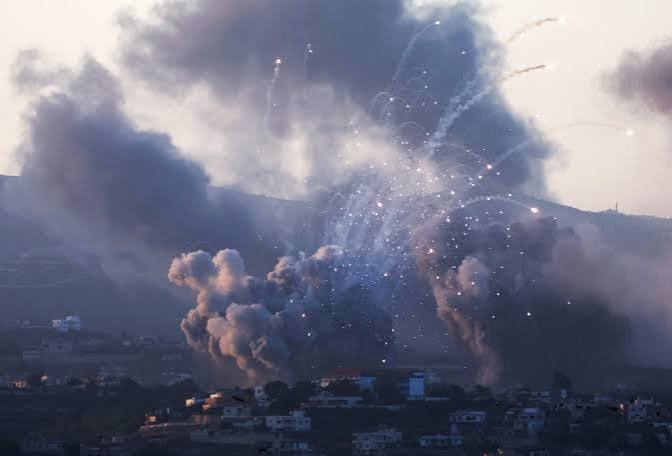
The United States and Iran appear close to signing a ceasefire Memorandum of Understanding (MOU), potentially opening the door to broader negotiations after months of conflict. However, Washington, Tehran, and Israel continue to present sharply different views on key issues, including Iran’s nuclear program, sanctions relief, the future of the Strait of Hormuz, and regional security. At the same time, Israel is maintaining military pressure against Hezbollah in southern Lebanon, signaling that major regional disputes remain unresolved despite progress toward a U.S.-Iran agreement.
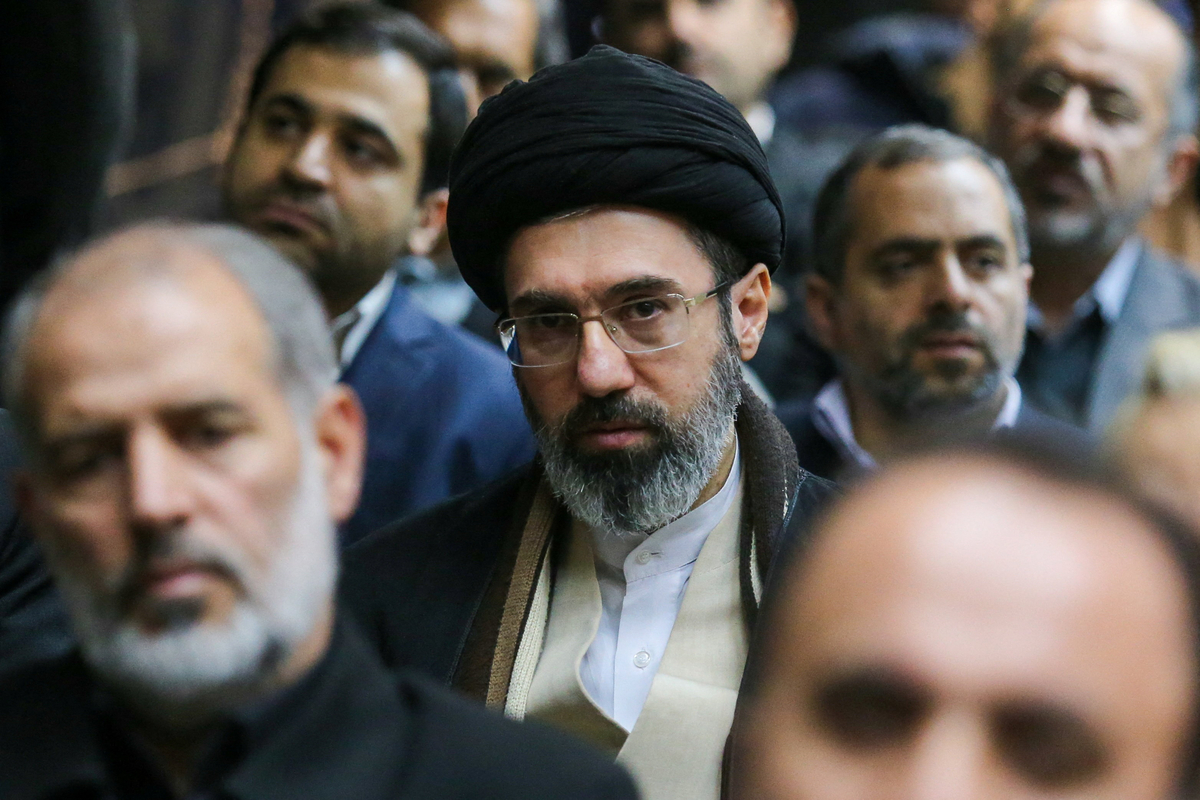
Iran’s foreign minister says Tehran’s top leadership has approved a proposed ceasefire MOU with the United States, while major disputes remain over the Strait of Hormuz, maritime control, and future nuclear talks.
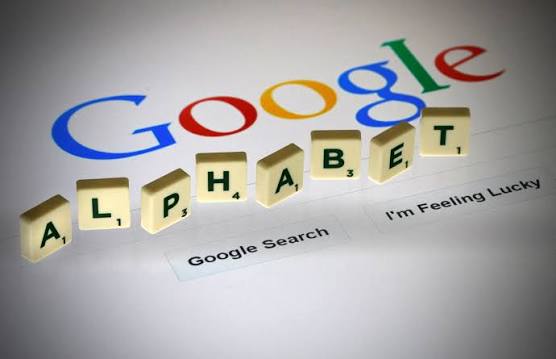
Google has unveiled the most significant overhaul of Search in more than two decades, transforming the traditional search engine into an AI-powered conversational platform. While much attention is focused on Gemini, AI-generated answers, and multimodal search, the bigger story is Google's plan to integrate advertising directly into AI responses. The move could redefine the company’s advertising empire and explain why many investors continue to view Alphabet as one of the most undervalued AI companies despite growing competition and regulatory pressure.
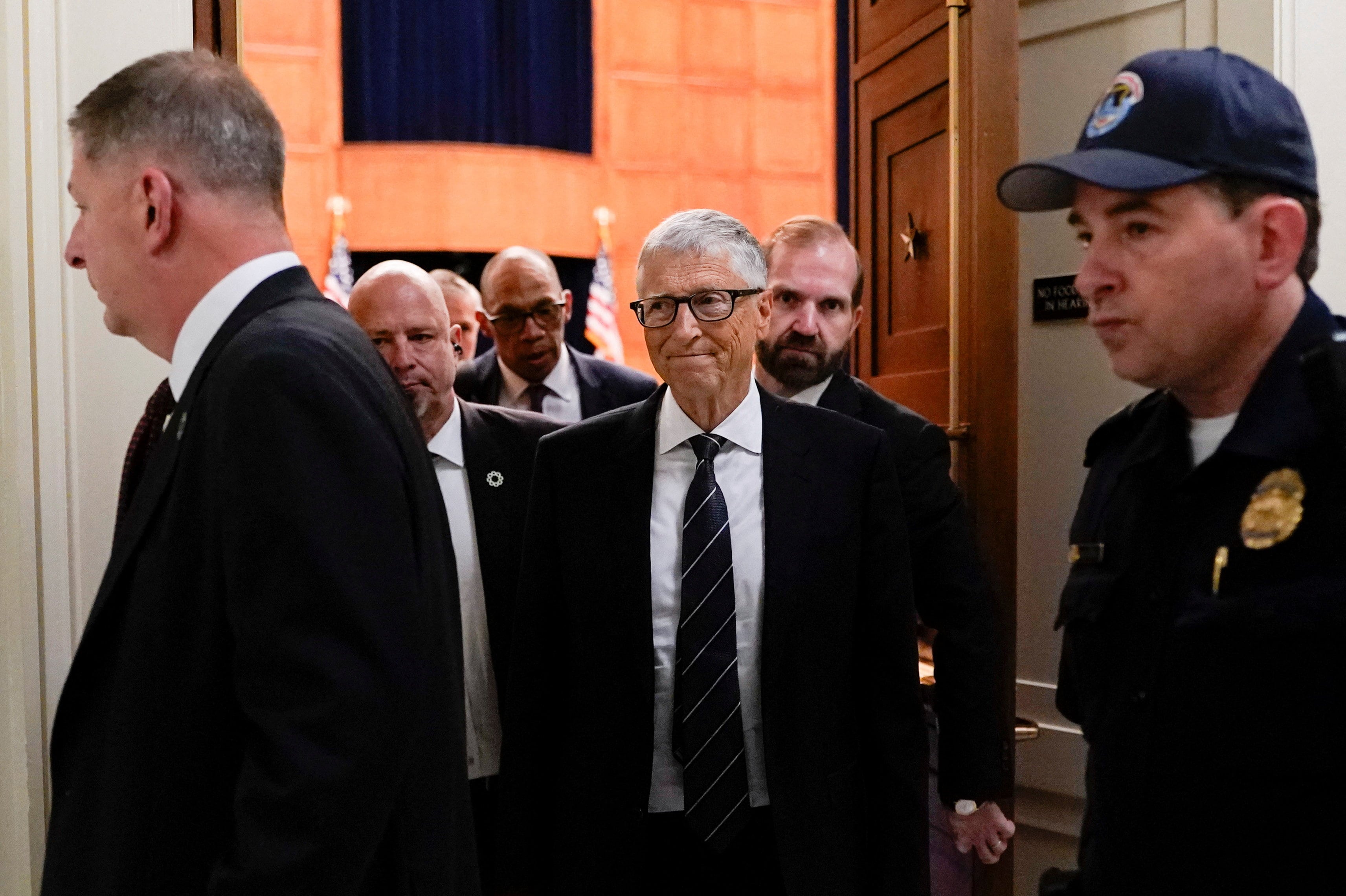
Bill Gates is facing renewed scrutiny over his past relationship with convicted sex offender Jeffrey Epstein following testimony before the House Oversight Committee. New attention is also being directed at Dr. Melanie Walker, a longtime Gates associate who reportedly maintained close ties to Epstein and served as a connection between the financier and Gates-linked circles. Lawmakers continue to question why Gates maintained contact with Epstein years after his 2008 conviction.
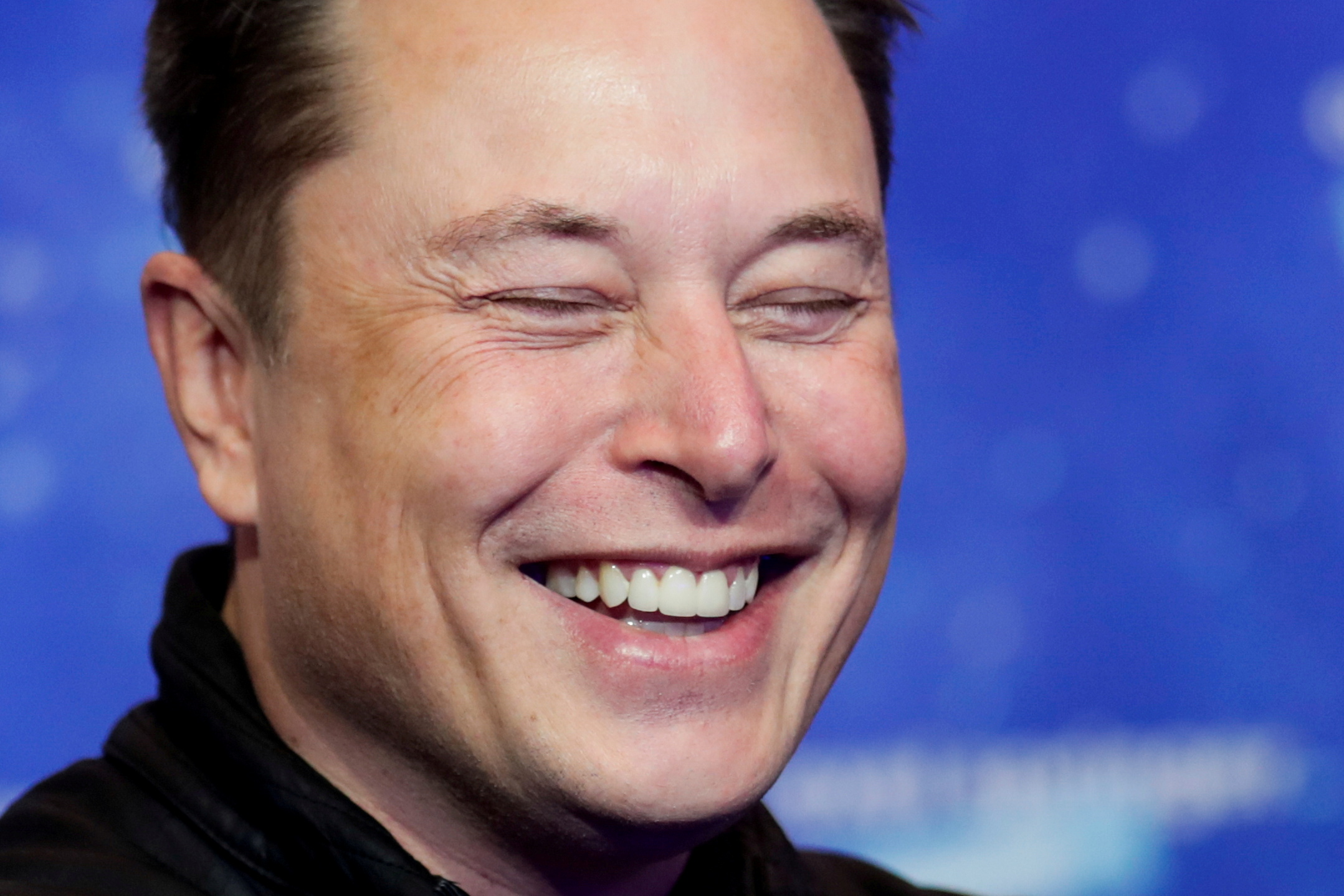
Elon Musk has officially become the first person in history to surpass a net worth of $1 trillion following SpaceX’s blockbuster market debut. From a pro-Trump, America First perspective, Musk’s achievement represents the power of innovation, private enterprise, and U.S. technological leadership, surpassing wealth levels once associated with legendary industrialist John D. Rockefeller.
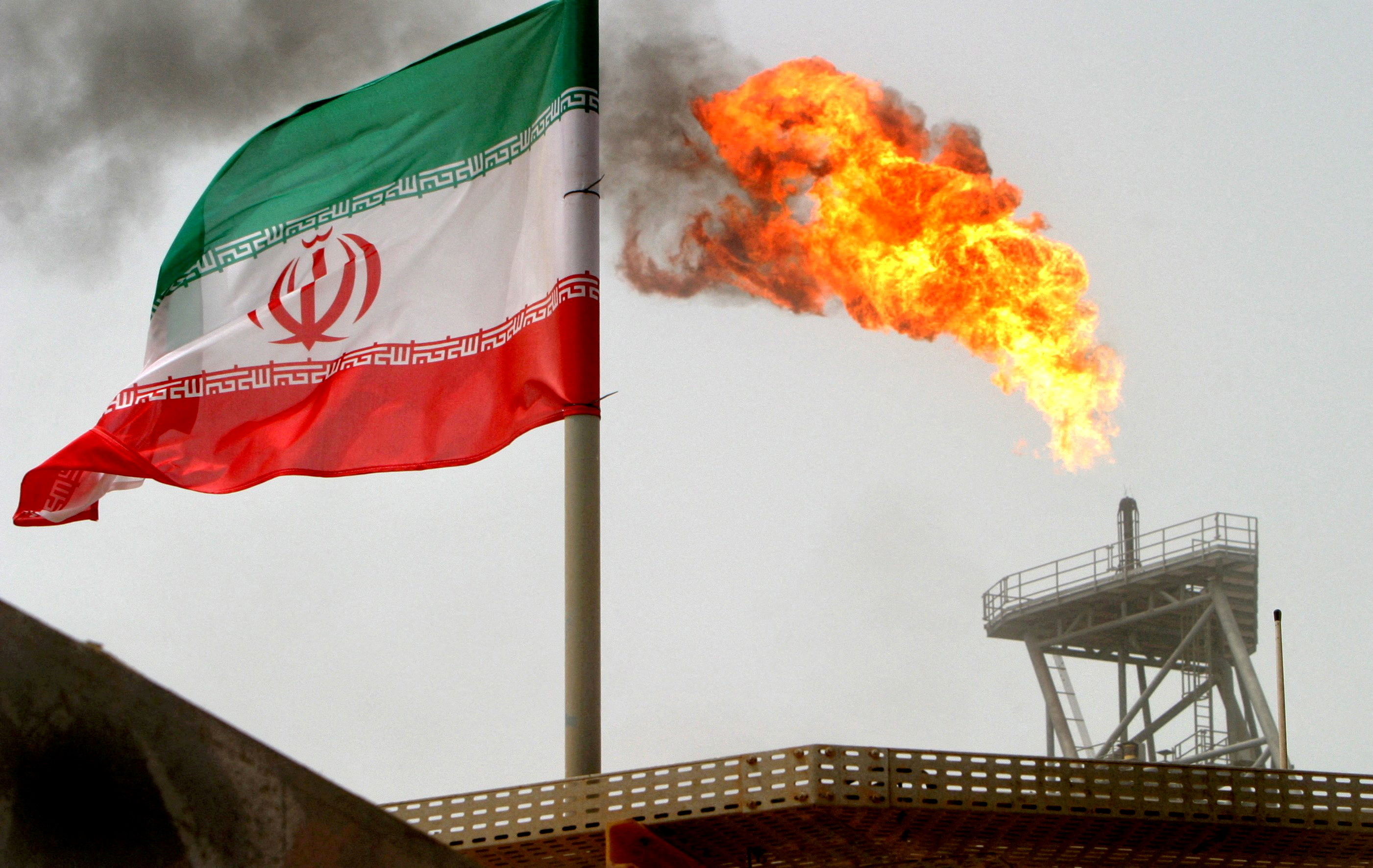
A senior US administration official says a new agreement with Iran is approximately 85% complete and could be signed within days. The proposed deal would require Iran to dismantle key parts of its nuclear program, surrender its enriched uranium stockpile, and take steps toward regional stability in exchange for phased economic relief. Technical negotiations are still needed to determine how Iran's nuclear material will be removed and destroyed.
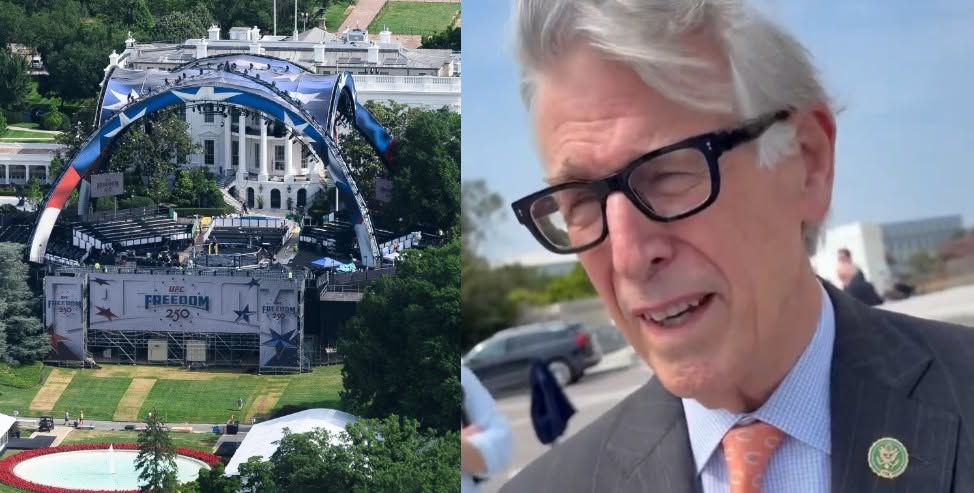
Rep. Don Beyer criticized a proposed UFC event at the White House, but supporters of President Trump argue the event would celebrate American sports, patriotism, and connect the White House with everyday Americans.
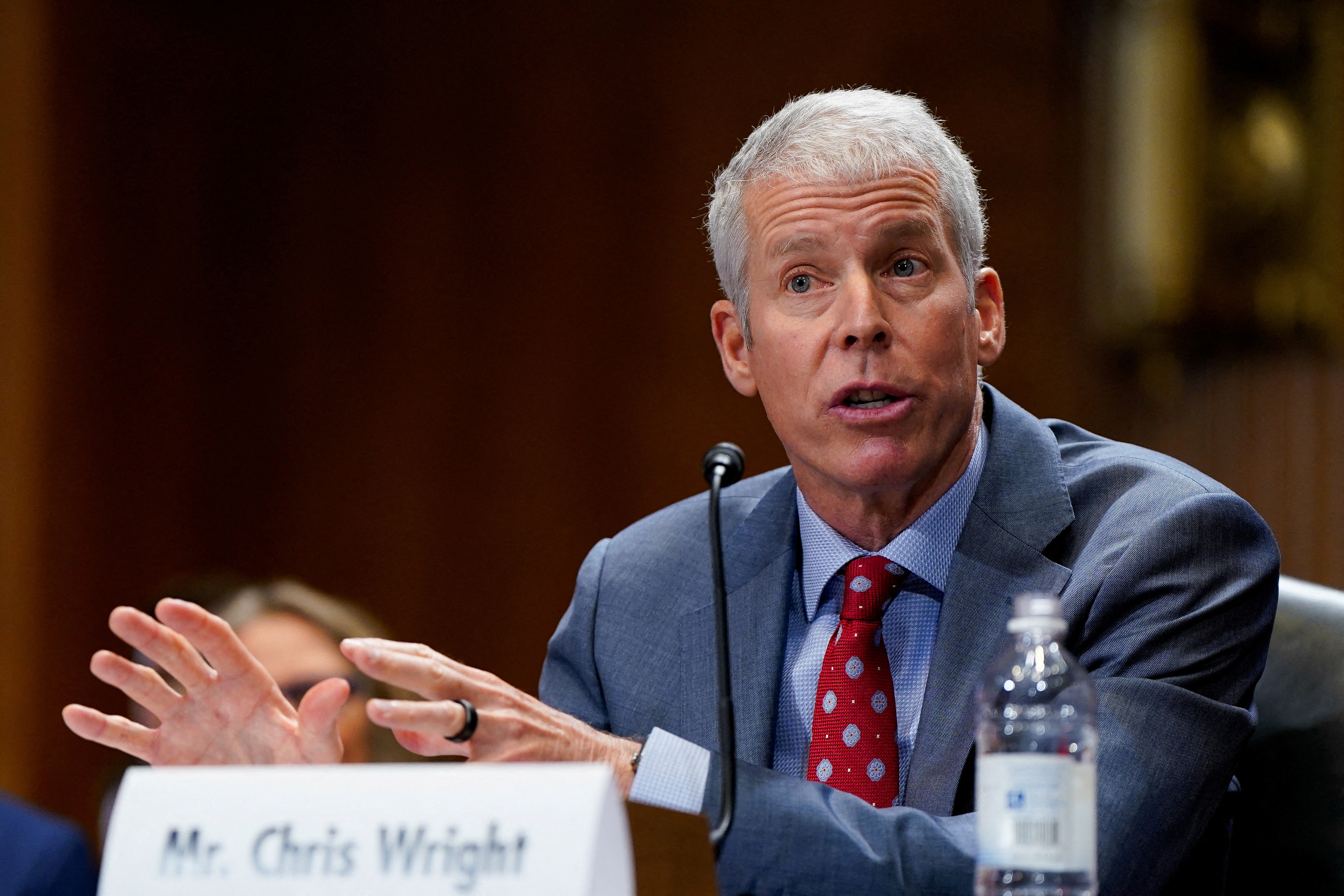
U.S. Energy Secretary Chris Wright says oil and fuel shipments through the Strait of Hormuz have partially recovered to about 7 million barrels per day. At the same time, Iran is threatening new restrictions and fees, claiming it will not return the waterway to its pre-war status.
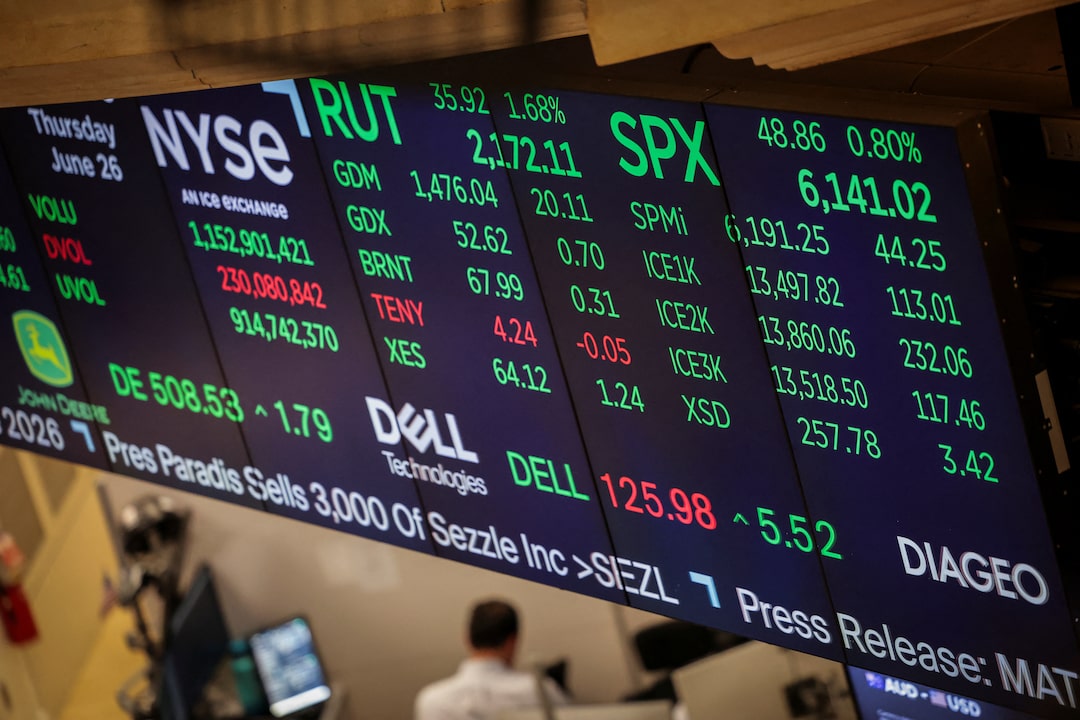
Oil prices fell sharply while U.S. stocks rose as markets reacted to reports that Washington and Tehran may be close to a short-term agreement. The proposed deal could reopen the Strait of Hormuz, address Iran’s nuclear program, and begin 60 days of technical talks, but conflicting Iranian reports and President Trump’s own warning show the deal is not final.
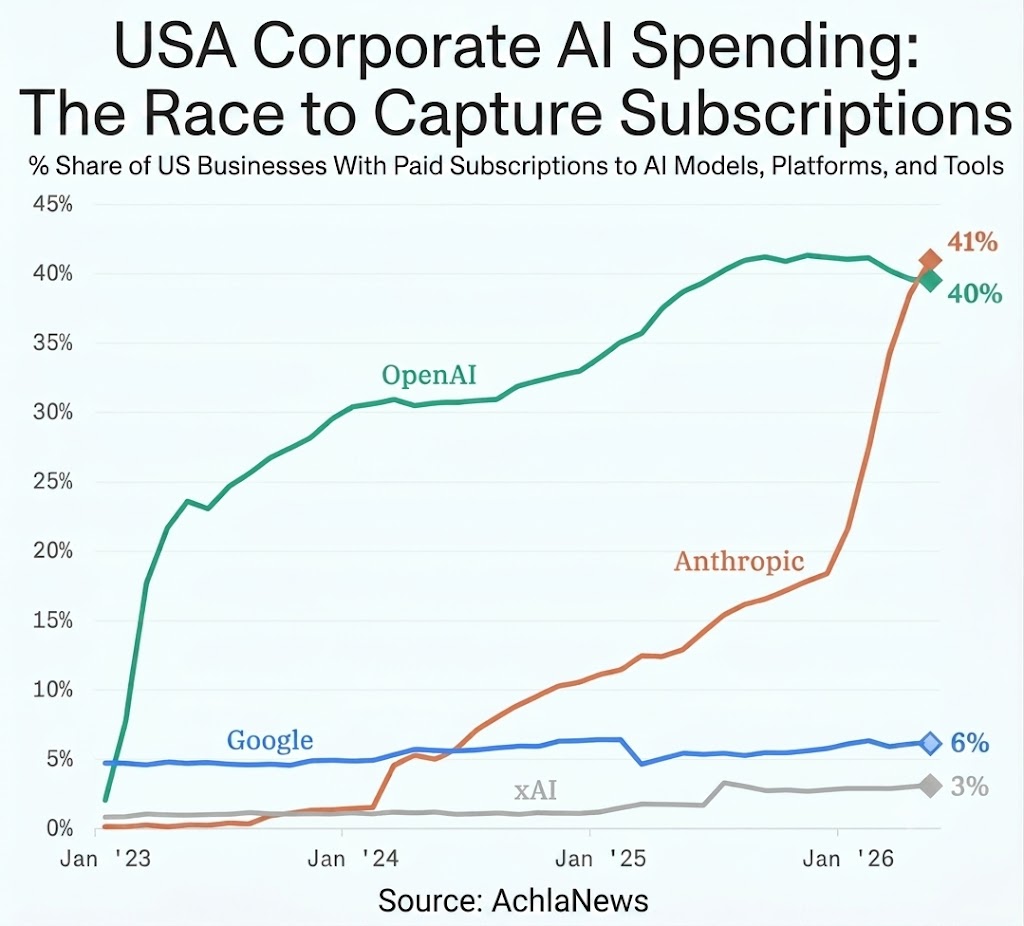
Google, OpenAI, and Anthropic are increasingly competing on price as the AI market matures. Recent subscription and token pricing cuts suggest that leading AI companies are fighting aggressively for both consumer and enterprise customers, raising questions about long-term profitability.
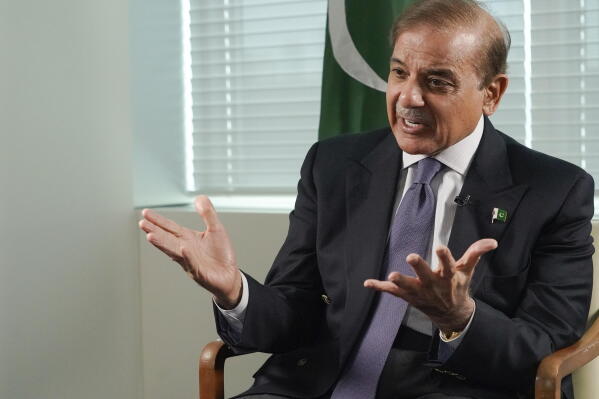
Pakistan’s Prime Minister Shehbaz Sharif says Washington and Tehran have agreed on the final text of a peace deal, with Pakistan now working with both sides on the next steps.
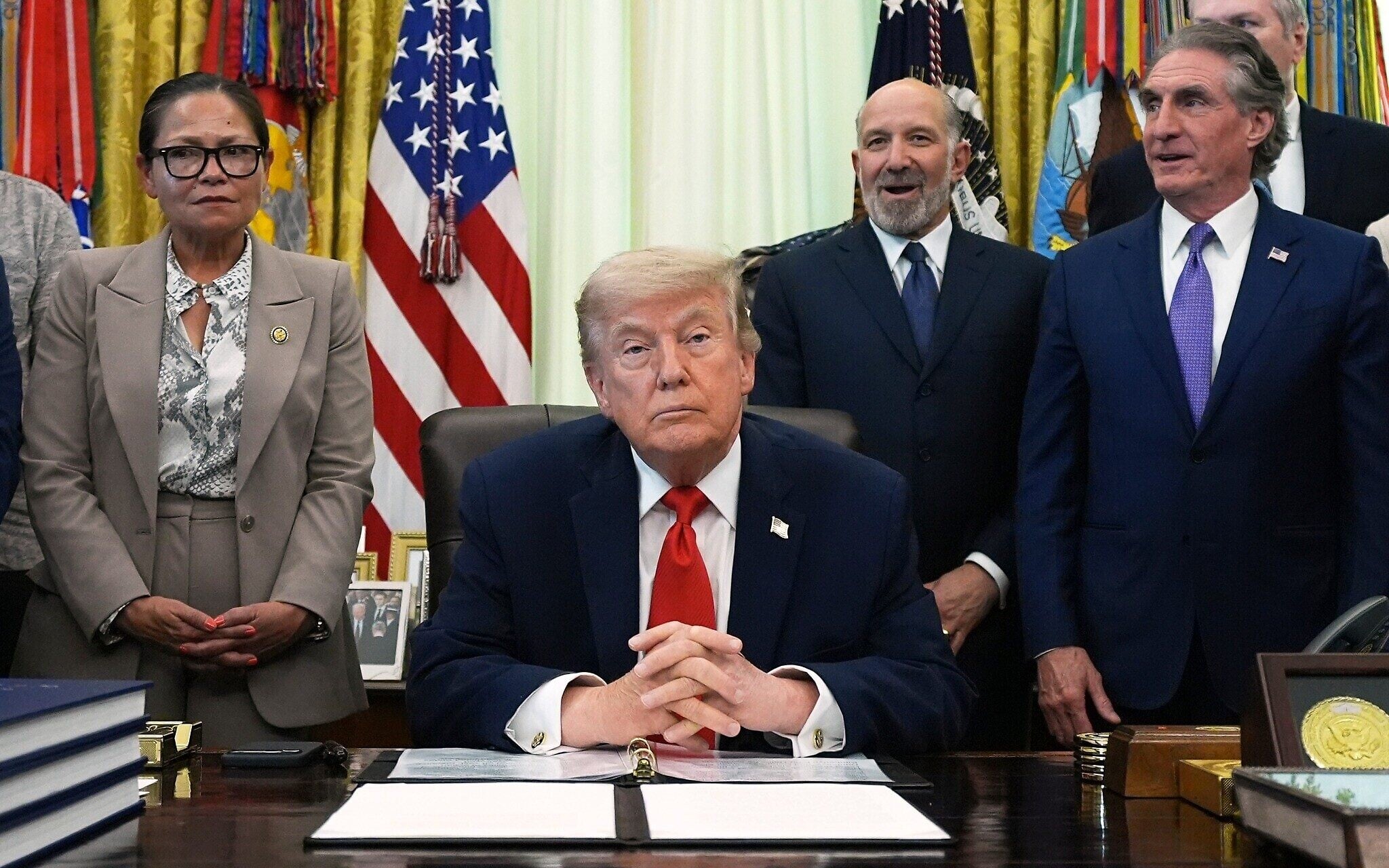
Reports of a possible U.S.-Iran memorandum to end the war are being challenged by both sides, with President Donald Trump accusing Iran of spreading false claims while Prime Minister Benjamin Netanyahu insists Iran will never be allowed to obtain nuclear weapons.
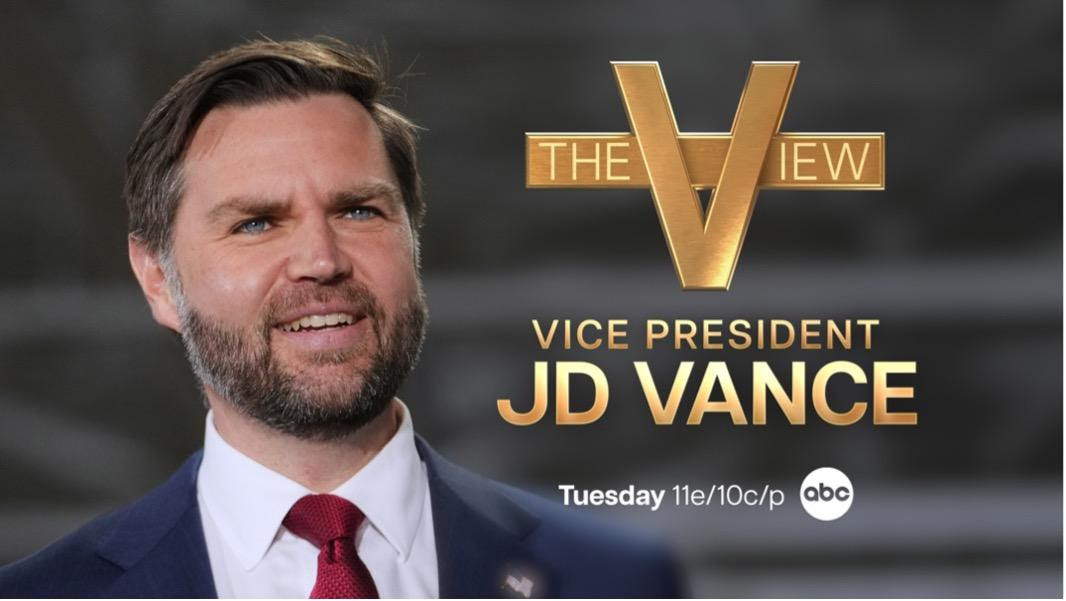
Vice President JD Vance is scheduled to appear live on ABC’s ‘The View’ on June 16, where he will discuss his new book, administration priorities, and current political issues. The appearance marks his first visit to the popular daytime talk show.

Talks between the Trump administration and OpenAI have renewed debate over whether Americans should share directly in the wealth created by artificial intelligence.
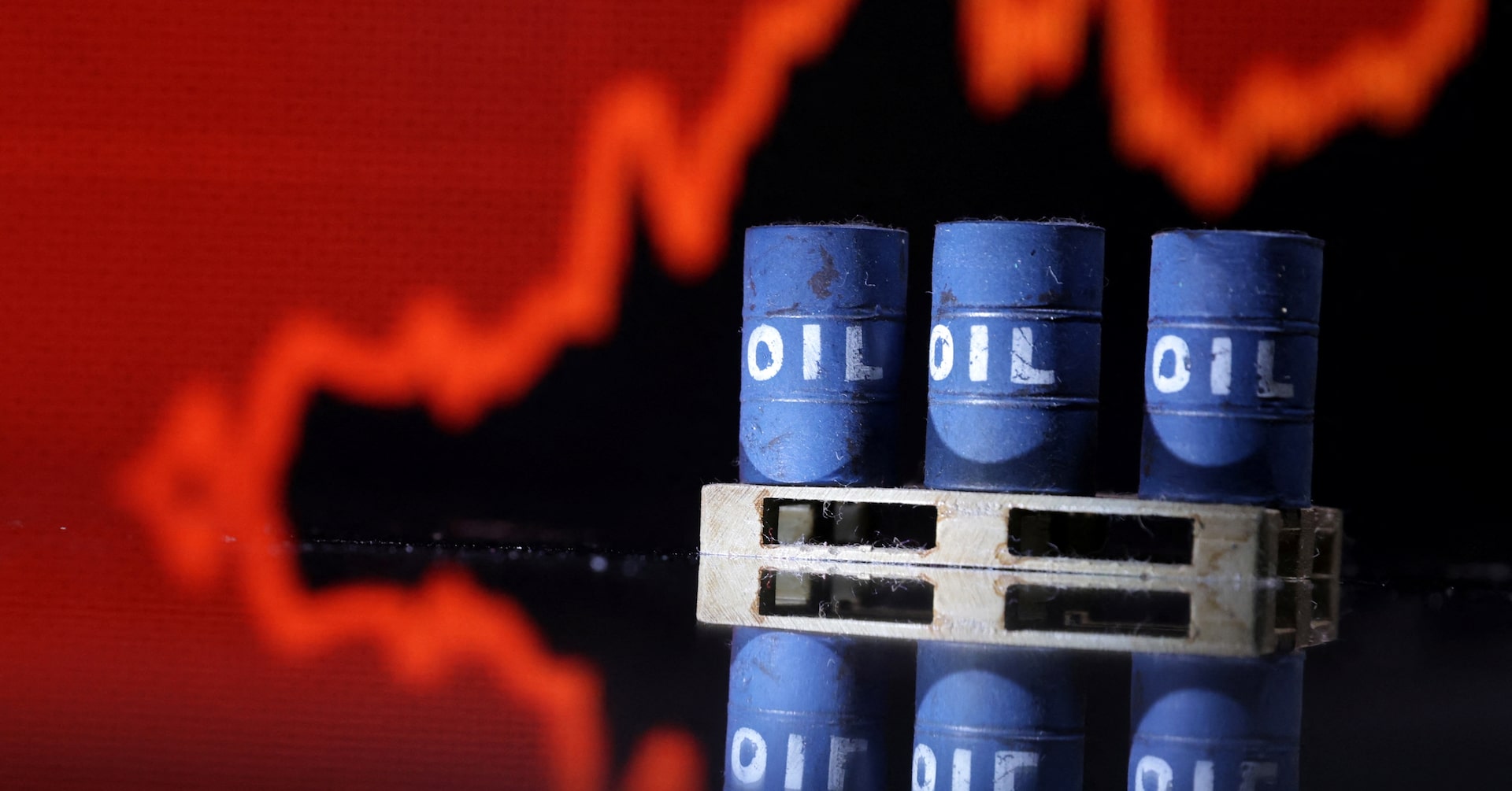
President Donald Trump says he canceled planned strikes on Iran after receiving signals that a deal to end the conflict was nearing completion. Reports say talks, mediated by Qatar, focused on a 60-day ceasefire, reopening the Strait of Hormuz, frozen Iranian funds, and Iran’s nuclear program. Oil prices fell sharply after the announcement, but Iranian media denied that any final agreement had been approved.
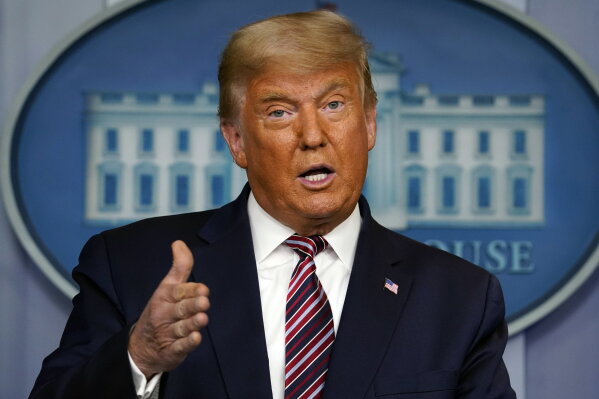
President Donald Trump announced that planned U.S. strikes on Iran have been canceled after talks reportedly received approval from Iran’s top leadership. The announcement came on the opening day of the FIFA World Cup, adding another layer of international attention as Trump claimed a major regional agreement is nearing completion.
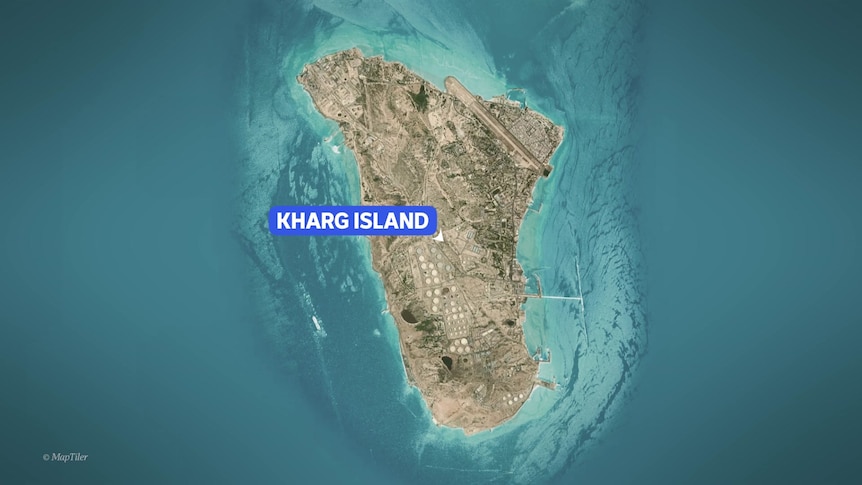
President Donald Trump signaled a major escalation in the conflict with Iran, warning of additional U.S. military strikes while threatening to seize key Iranian oil infrastructure, including Kharg Island. As fighting continues around the Persian Gulf and Strait of Hormuz, the Trump administration is also preparing economic measures targeting Iranian assets and pushing U.S. defense manufacturers to increase weapons production amid growing concerns over military stockpiles.
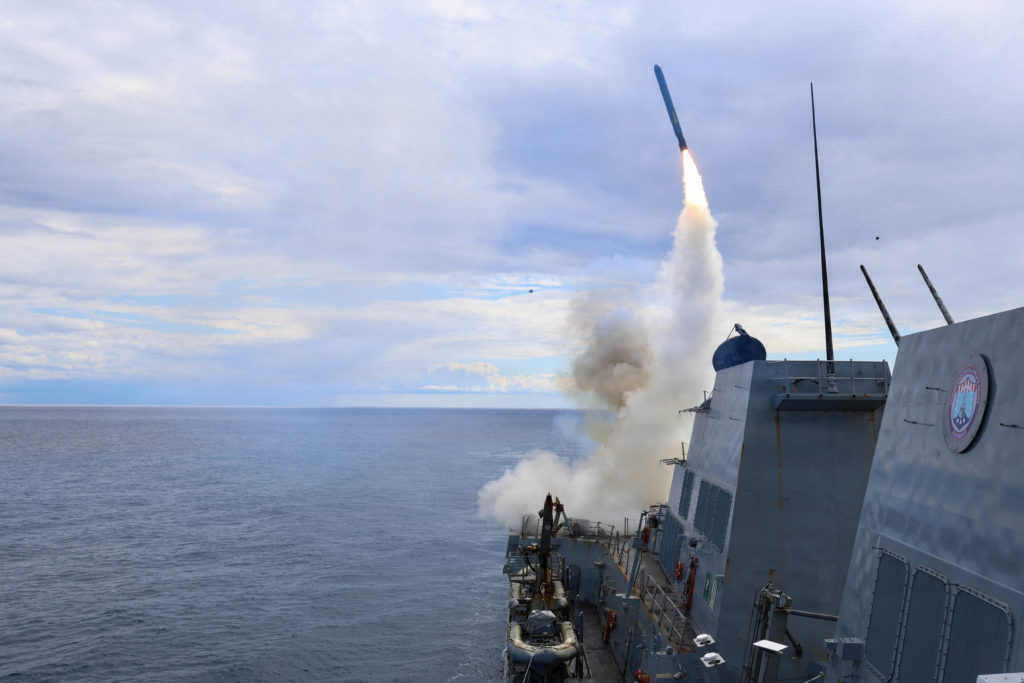
The United States and Iran exchanged major military attacks for a second consecutive day, pushing tensions in the Middle East to their highest level since the April ceasefire. President Donald Trump confirmed that U.S. forces launched dozens of Tomahawk missiles against Iranian military targets, while Iran responded with missile and drone attacks against U.S. bases across the region and announced an indefinite closure of the Strait of Hormuz. The confrontation is now raising concerns about global energy supplies, inflation, and the risk of a broader regional war.