America's latest in politics, culture, history, and national security.
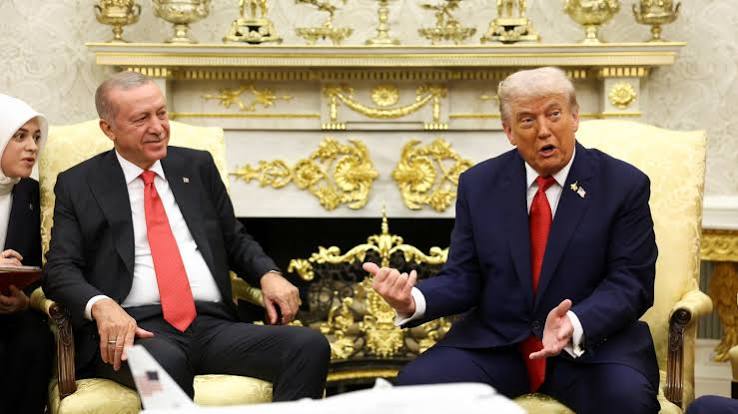
Turkish President Recep Tayyip Erdogan urged President Donald Trump to keep diplomatic channels with Iran open while criticizing Israel over intensified military operations in Gaza. The two leaders also discussed Gaza and a proposed trilateral defense arrangement involving Turkey, Saudi Arabia and Pakistan.
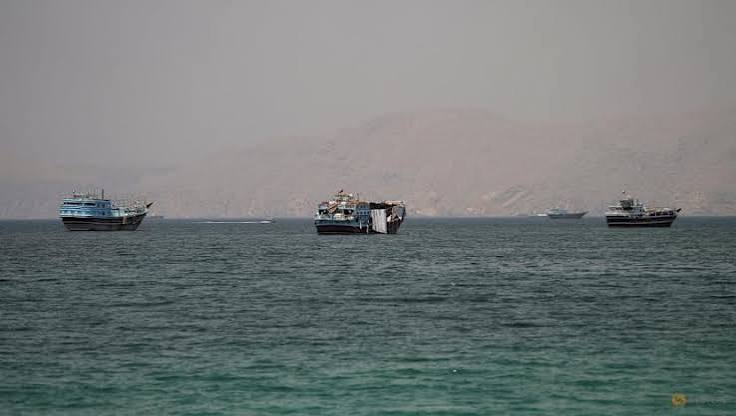
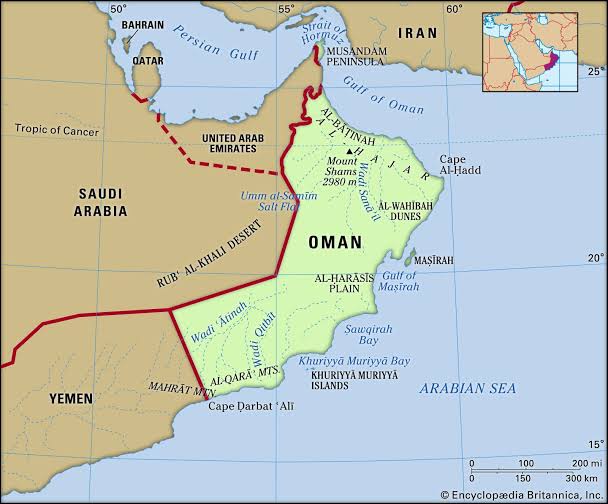
President Donald Trump says oil movement through the Strait of Hormuz has surged after his deal with Iran, while Iran and Oman are now discussing future administration of the key waterway. The agreement keeps the strait open, but U.S. forces remain positioned if Iran reverses course.
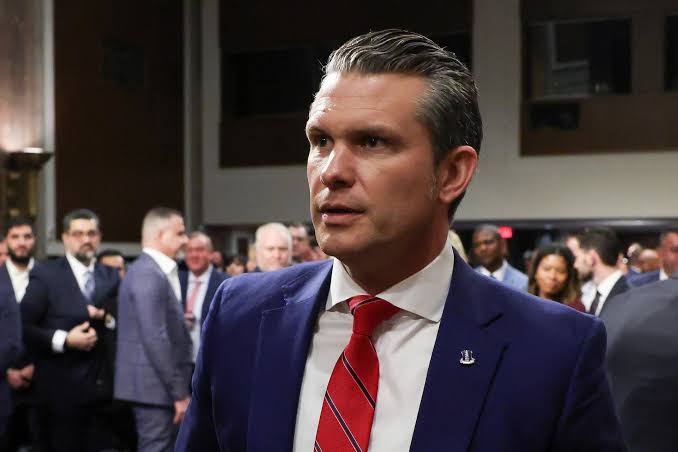
The Pentagon is seeking approximately $80 billion in supplemental funding to cover the costs of the U.S. war against Iran, significantly exceeding previous public estimates. While the Trump administration argues the money is needed to replenish depleted munitions and strengthen America's defense industrial base, the request faces resistance from lawmakers concerned about the cost of the conflict and growing federal spending.
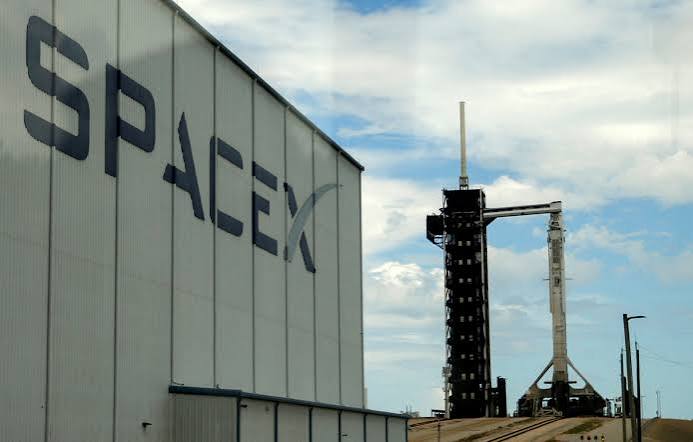
As America races China for AI dominance, Elon Musk’s SpaceX may have a bigger long-term play: building data centers in space. If the technical challenges can be solved, space-based and ocean-based data centers could help the U.S. reduce pressure on local communities, ease power demands, and strengthen its position in the AI race.

Polymarket and other prediction markets are exploding in size, but their rise raises serious concerns about insider trading, political manipulation, terrorism-related incentives, and the dangerous gambling of real-world crises.
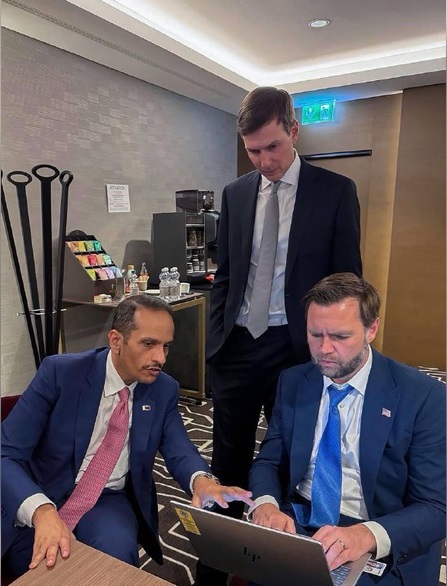
U.S. Vice President J.D. Vance said recent talks with Iran established a positive foundation for a possible future agreement. According to Vance, Iran has agreed to allow International Atomic Energy Agency (IAEA) inspectors to return, while technical negotiations will continue. Officials also reported progress on a mechanism aimed at preventing military escalation between Israel and the Hezbollah terror group in Lebanon.
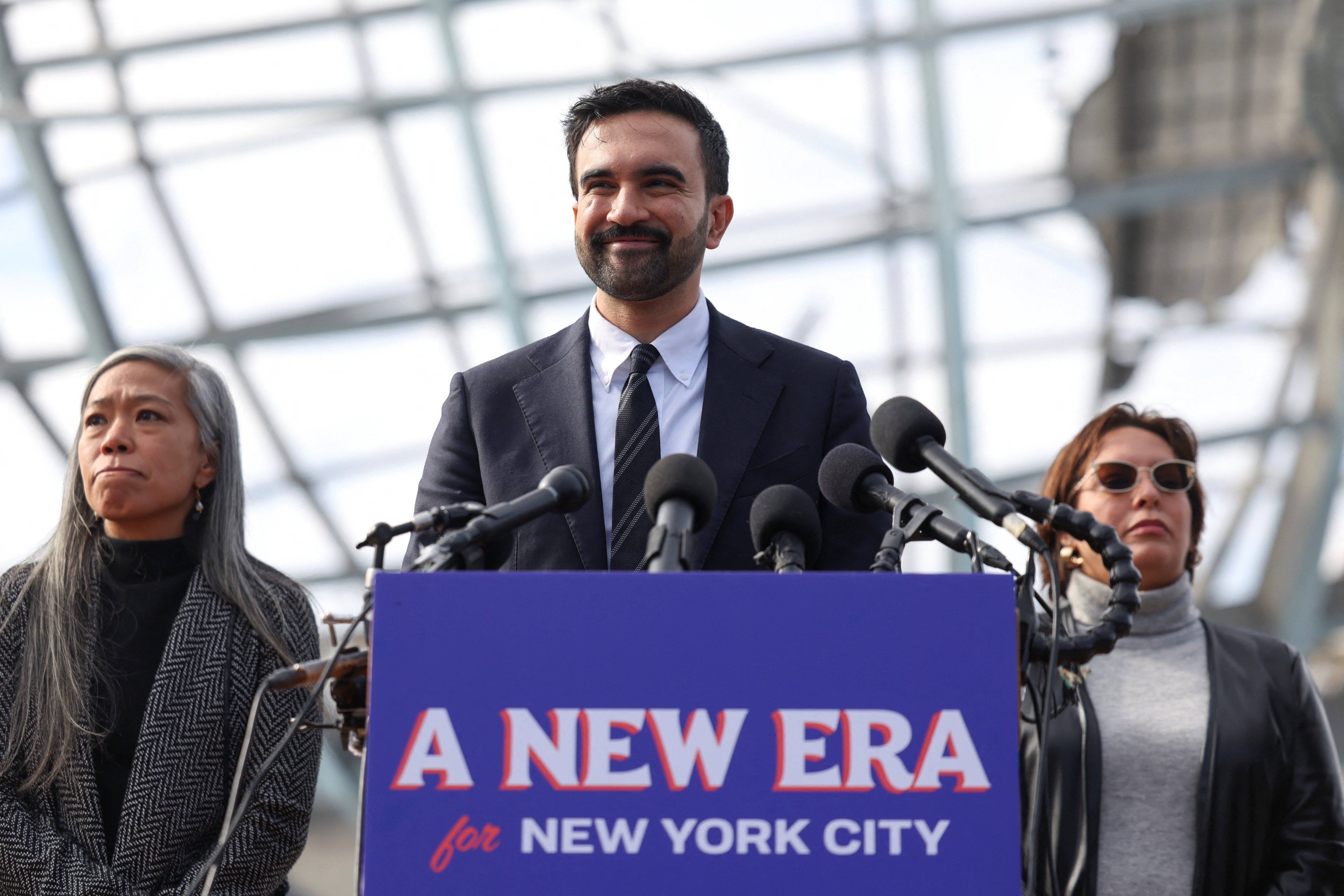
New York City Mayor Zohran Mamdani criticized after branding AIPAC and its supporters "monsters". Manhattan rabbi: “This is pure incitement."
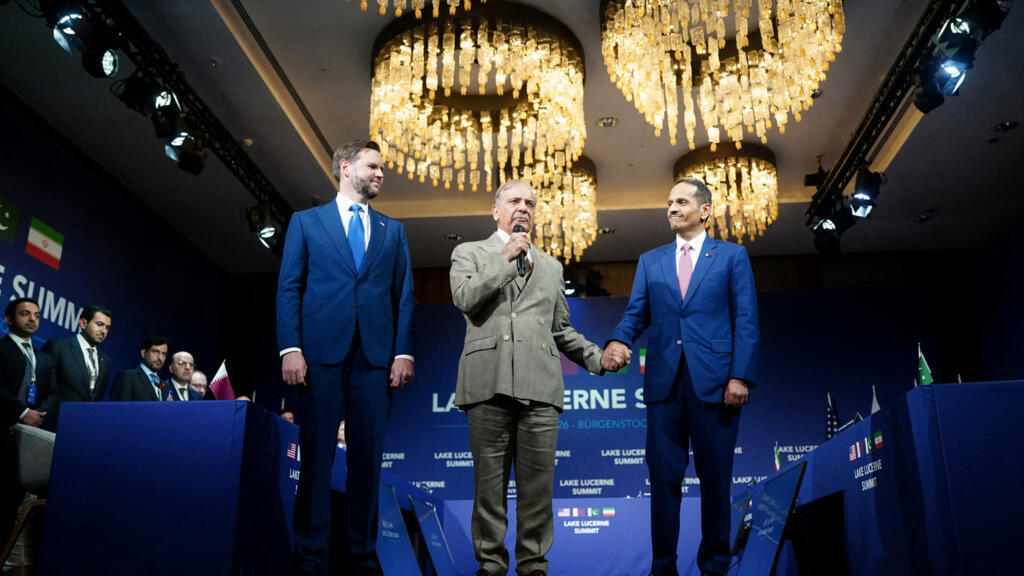
The United States and Iran concluded their first round of high-level face-to-face talks in Switzerland after an 18-hour marathon negotiating session. While the two sides reached preliminary agreements on Lebanon, the Strait of Hormuz, and future nuclear negotiations, major disagreements remain over Iran's nuclear program and Tehran's insistence that Israel's military operations in Lebanon be addressed before broader negotiations can advance.
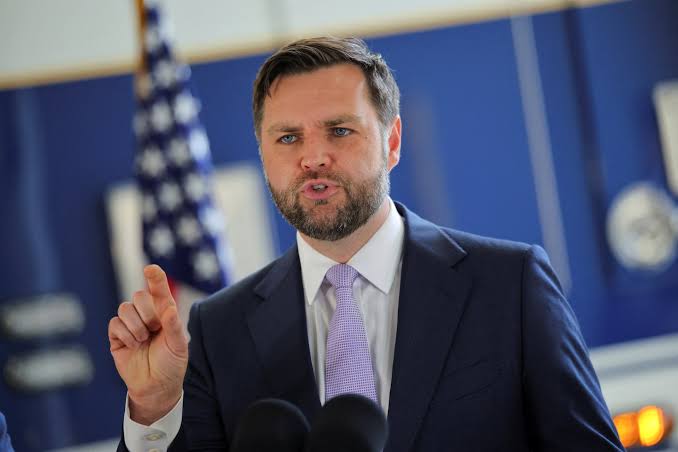
Speaking during high-level negotiations with Iran in Lucerne, Switzerland, U.S. Vice President JD Vance said the Trump administration is seeking a lasting diplomatic breakthrough that could reshape relations with Iran if Tehran abandons its nuclear ambitions and its role in destabilizing the Middle East. Vance also highlighted ongoing efforts to preserve the ceasefire in Lebanon and expressed optimism about regional stability.
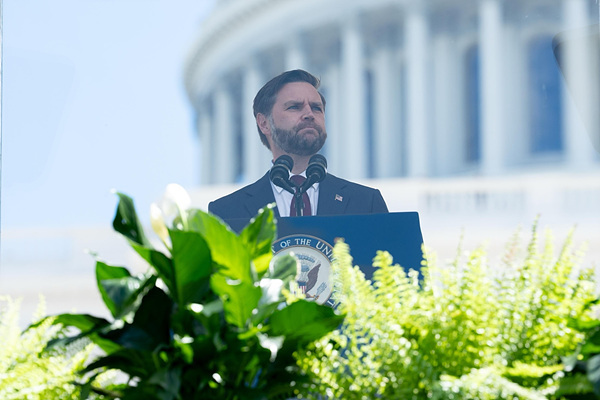
Senior U.S. and Iranian officials have begun high-level negotiations in Switzerland aimed at implementing a 60-day ceasefire framework while addressing Iran's nuclear program. The talks come amid continued Hezbollah attacks from Lebanon, Israeli military operations, Iranian threats to re-close the Strait of Hormuz, and a new warning from President Donald Trump that Iran will face even stronger U.S. strikes if it fails to restrain Hezbollah.
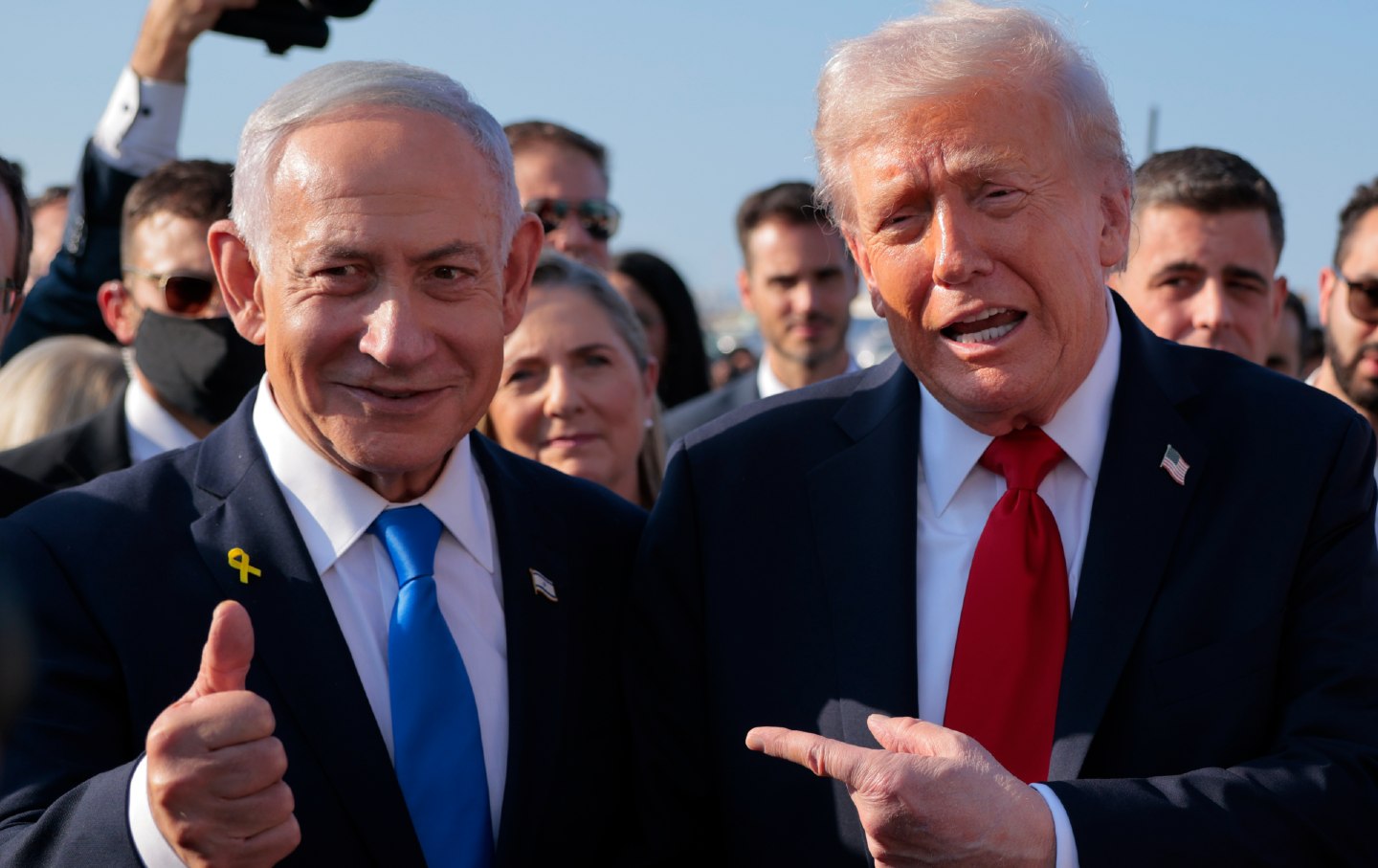
President Donald Trump praised Israeli Prime Minister Benjamin Netanyahu as a "warrior Prime Minister" while reaffirming the strong U.S.-Israel relationship. Trump also warned Iran to use the 60-day window created by the new agreement to negotiate a lasting deal with the United States or face consequences.
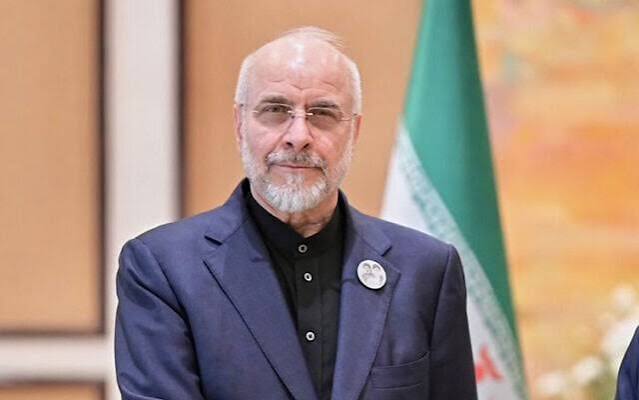
A high-level Iranian delegation, led by Parliament Speaker Mohammad Bagher Ghalibaf and including Foreign Minister Abbas Araghchi, has departed for Switzerland ahead of reported technical discussions with the United States. Pakistani officials say the talks are expected to begin Sunday, while CNN reports that U.S. Vice President JD Vance is also expected to participate.
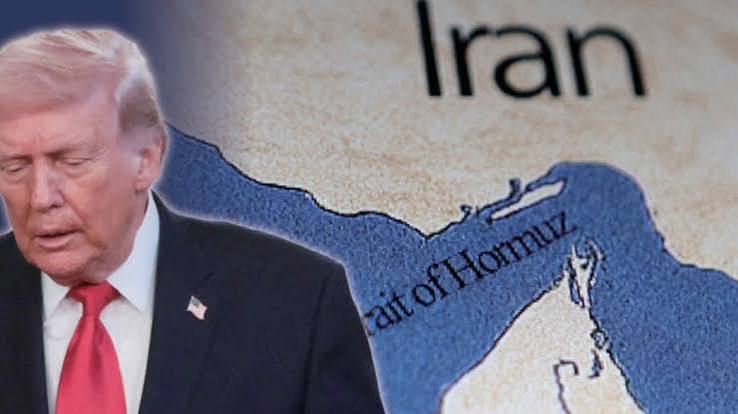
A senior U.S. administration official presented the 14-point document to reporters, outlining provisions for reopening the Strait of Hormuz, easing certain financial restrictions on Iran, and establishing a framework for future technical negotiations over Iran's nuclear program.
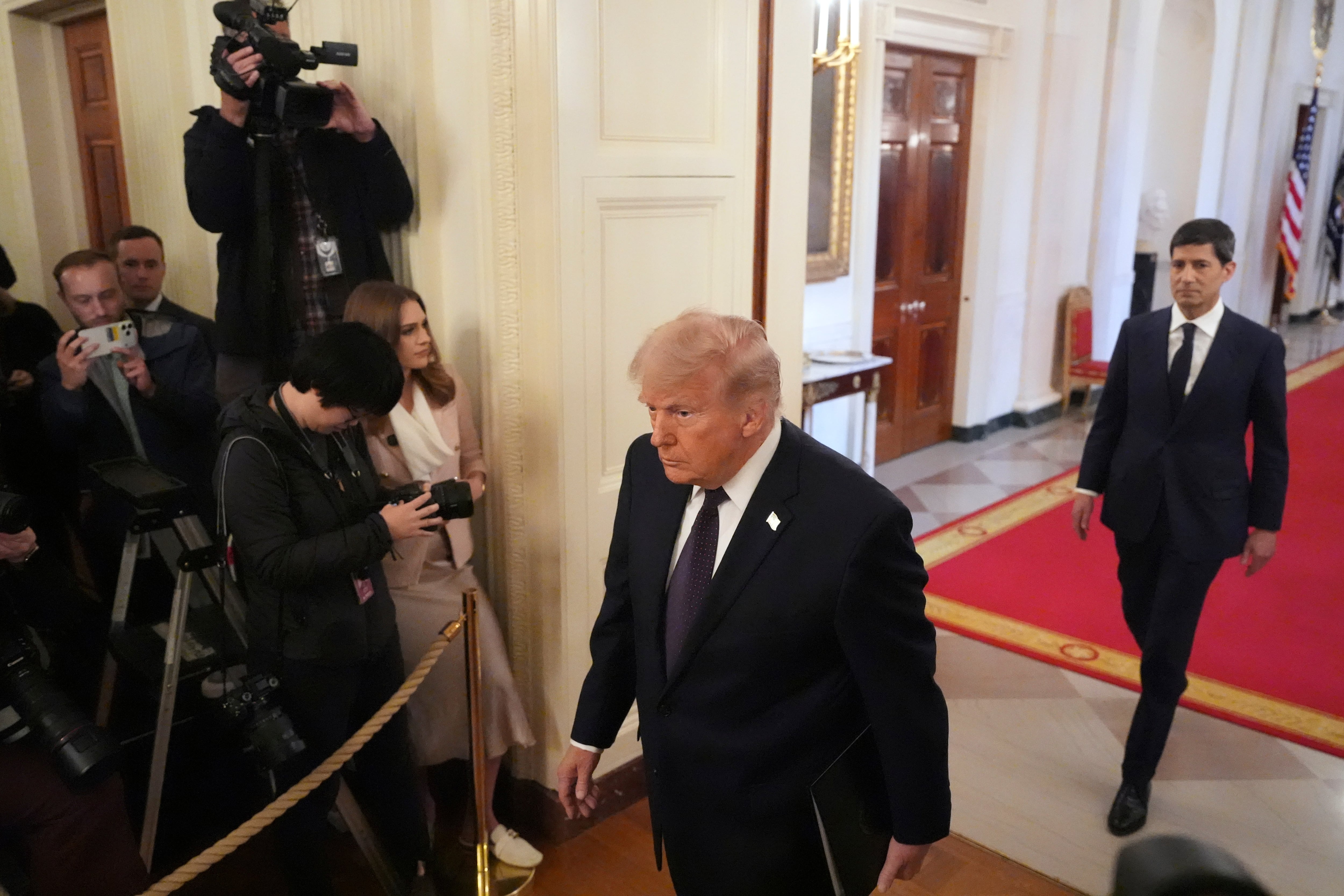
A reported leak of classified White House Situation Room discussions on Iran strategy has triggered serious questions about national security, internal discipline, and whether senior officials are allowing sensitive information to be used for political and media attacks.
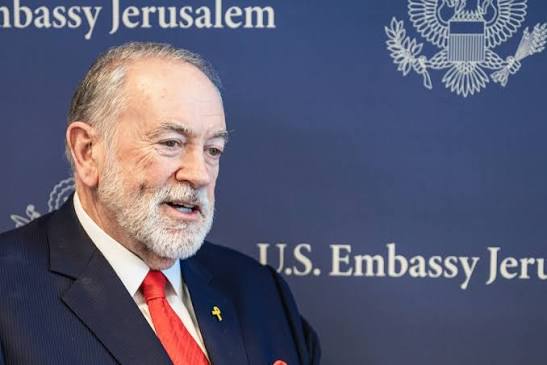
U.S. Ambassador to Israel Mike Huckabee suggested that every Hamas and Hezbollah terrorist be deported to Iran, arguing that removing Tehran's terror proxies would help bring peace to Israel and Lebanon. His remarks came as Iran accused Israel of violating the ceasefire in southern Lebanon and threatened a military response.
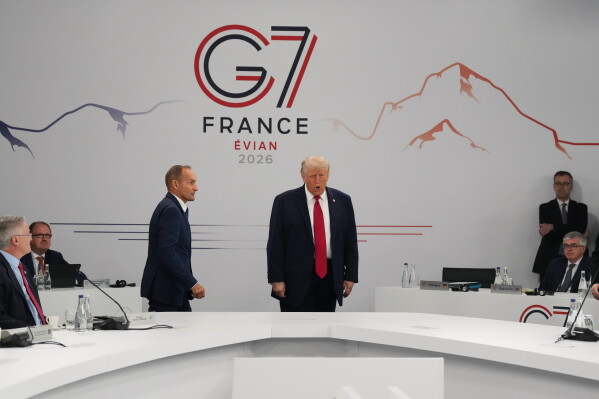
President Donald Trump said the memorandum of understanding with Iran is not a final agreement and warned that the United States could resume military strikes if Tehran fails to meet expectations. He also said the understanding does not include immediate sanctions relief.
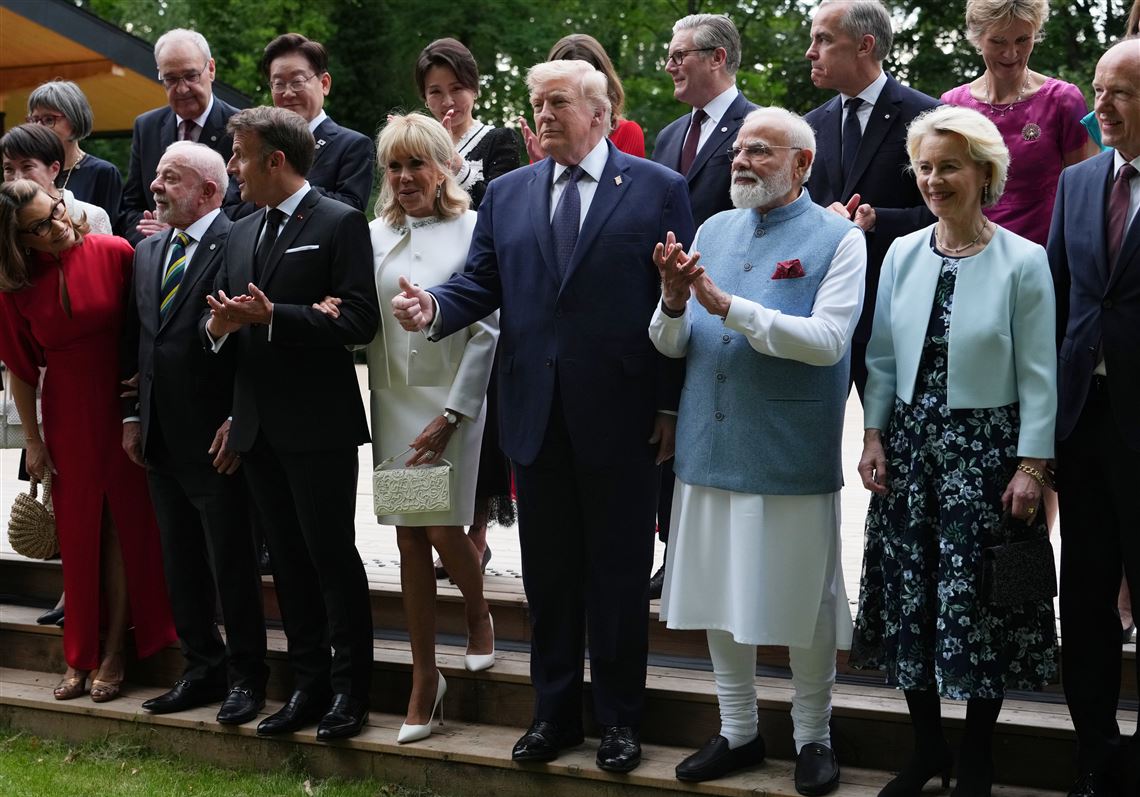
G7 leaders welcomed the reported U.S.-Iran ceasefire framework while warning that any deal must block Iran from obtaining nuclear weapons and reduce threats to regional security.
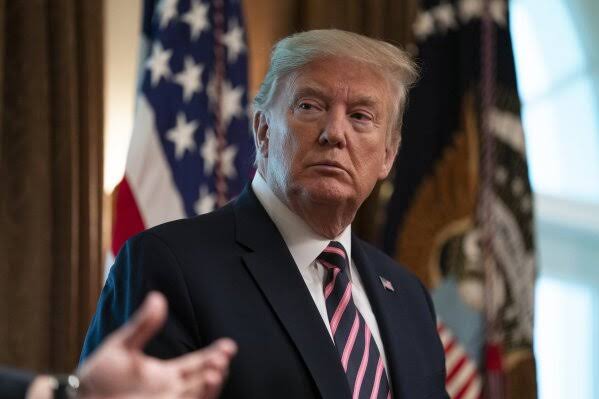
President Donald Trump says he will personally read the entire U.S.-Iran agreement "word for word" during a press conference to prevent what he calls misleading media coverage. Trump says the agreement blocks Iran from ever obtaining a nuclear weapon while offering economic benefits only if Tehran fully honors its commitments.
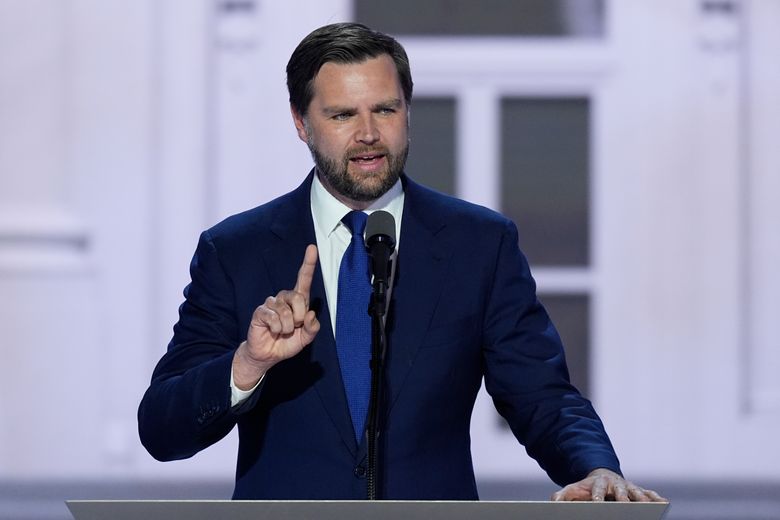
Vice President JD Vance says any future economic benefits for Iran would depend on verified behavior changes, including ending support for Hezbollah and abandoning nuclear weapons ambitions — and would not involve direct U.S. taxpayer money.
Vice President JD Vance said the United States has not released the text of its memorandum of understanding with Iran because officials are carefully sequencing the diplomatic process. At the same time, Israel's Channel 12 claimed it obtained the agreement's 12 main clauses, outlining reported provisions on Iran's nuclear program, sanctions, Lebanon, the Strait of Hormuz, and a possible final agreement.
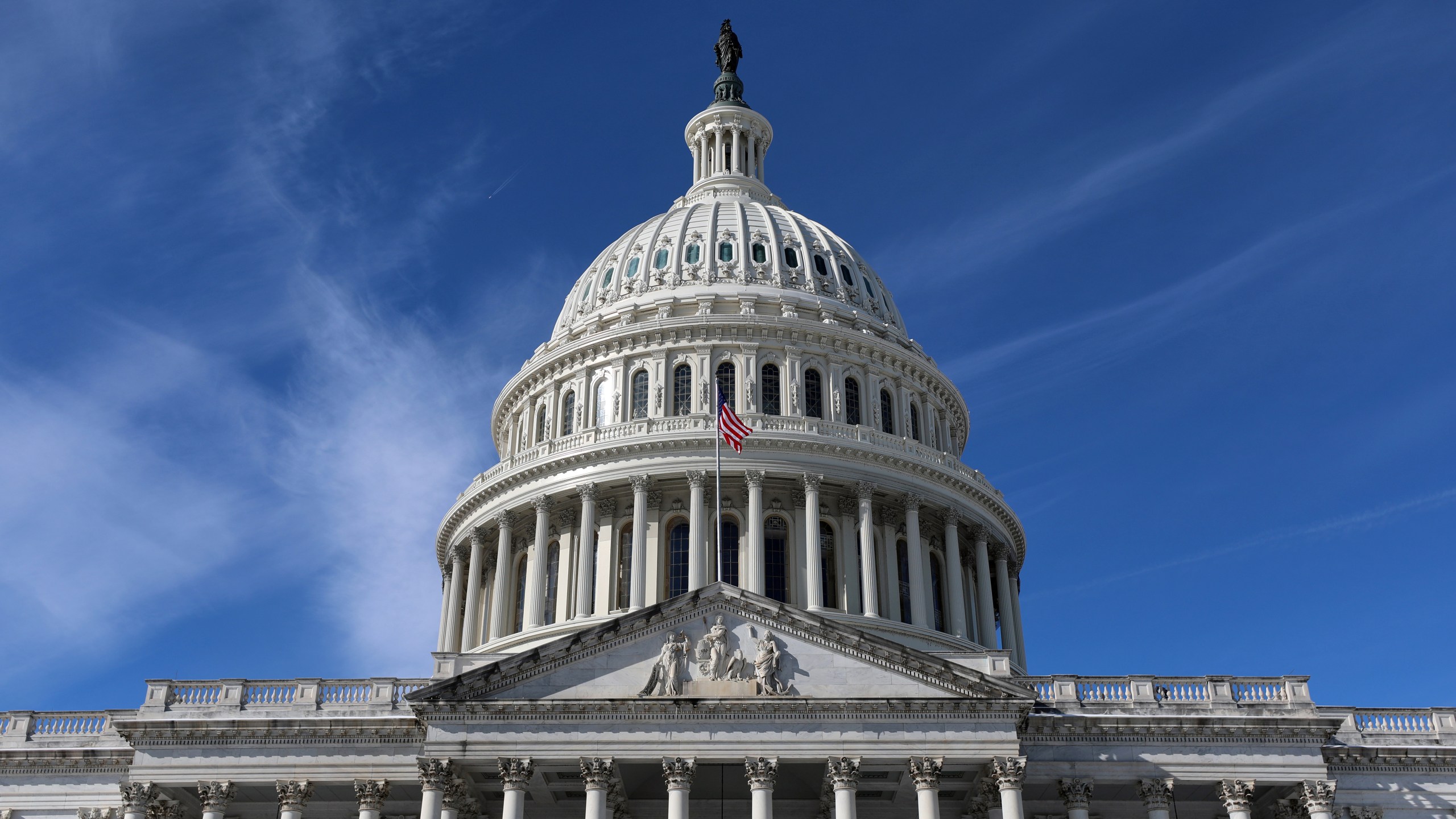
The Senate narrowly rejected a resolution that would have limited President Donald Trump’s authority to order further military action in Iran without congressional approval.
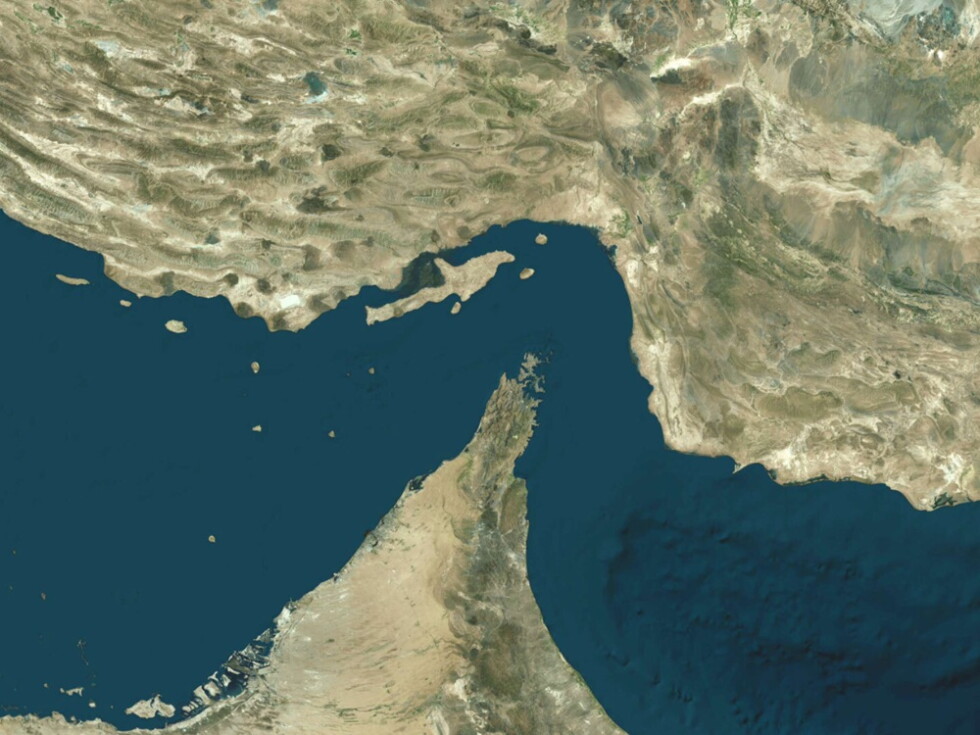
According to a CNN report citing multiple sources familiar with US intelligence assessments, Iran has demonstrated it can disrupt shipping through the Strait of Hormuz, giving Tehran significant strategic leverage over one of the world's most important maritime trade routes. US officials reportedly believe Iran could use this capability again if future negotiations collapse, while concerns are also growing over the possibility of Iran directing the Houthis to threaten the Bab el-Mandeb Strait.
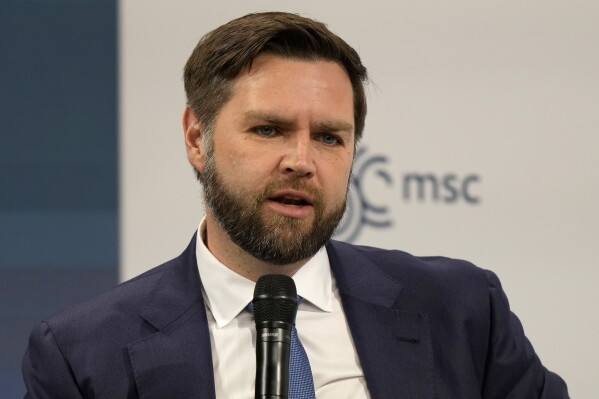
Vice President JD Vance says the Trump administration is confident Israel will eventually support a developing US-Iran agreement, even as Israel says it is not a party to the deal and has not seen the full text.
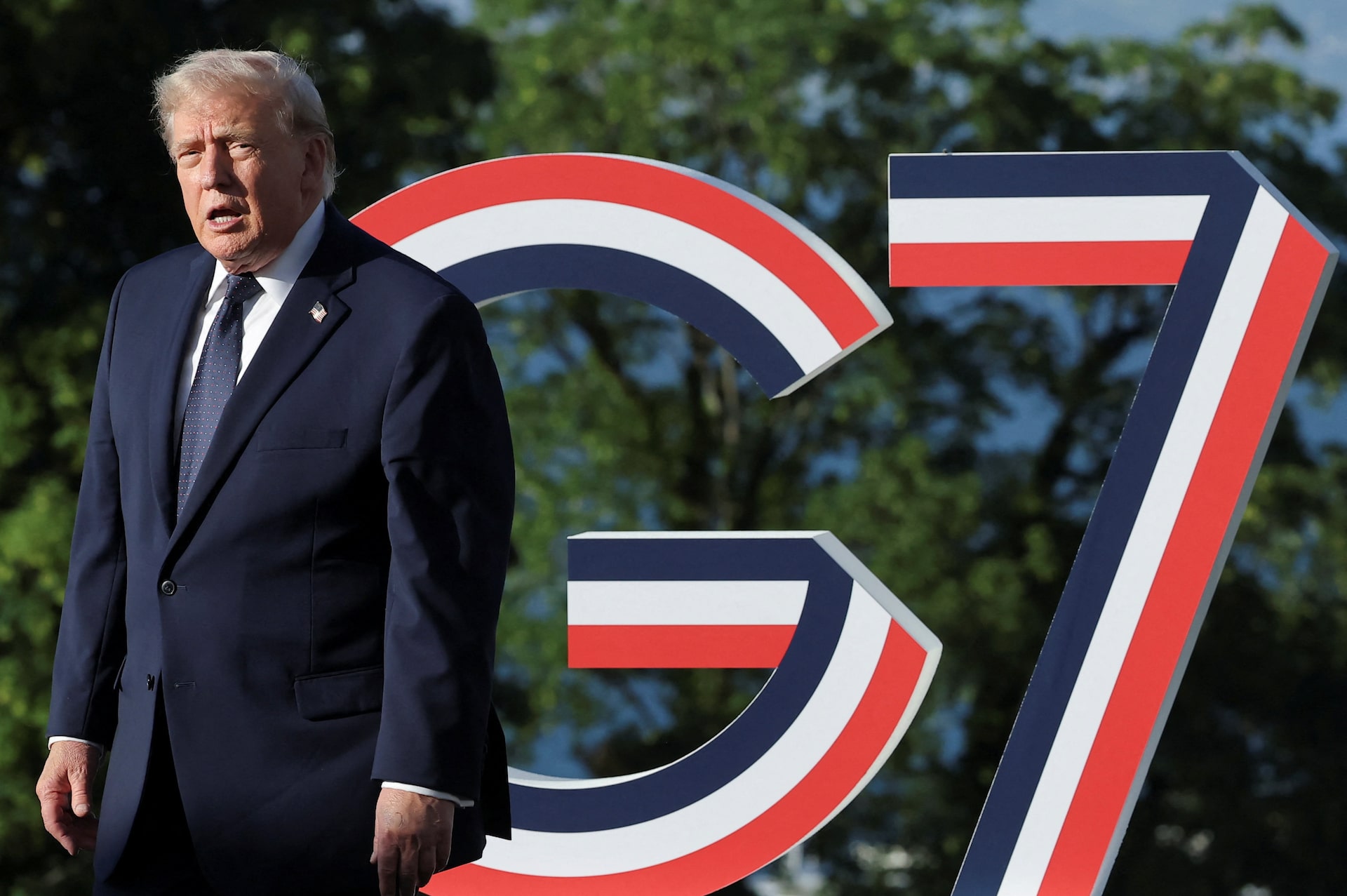
President Donald Trump reiterated that Iran will not be allowed to obtain nuclear weapons under the new memorandum of understanding, warning that any attempt to do so would bring severe consequences. He also said he does not seek regime change in Iran, expects the country’s reconstruction to take years, and voiced concerns about recent Israeli strikes in Lebanon.
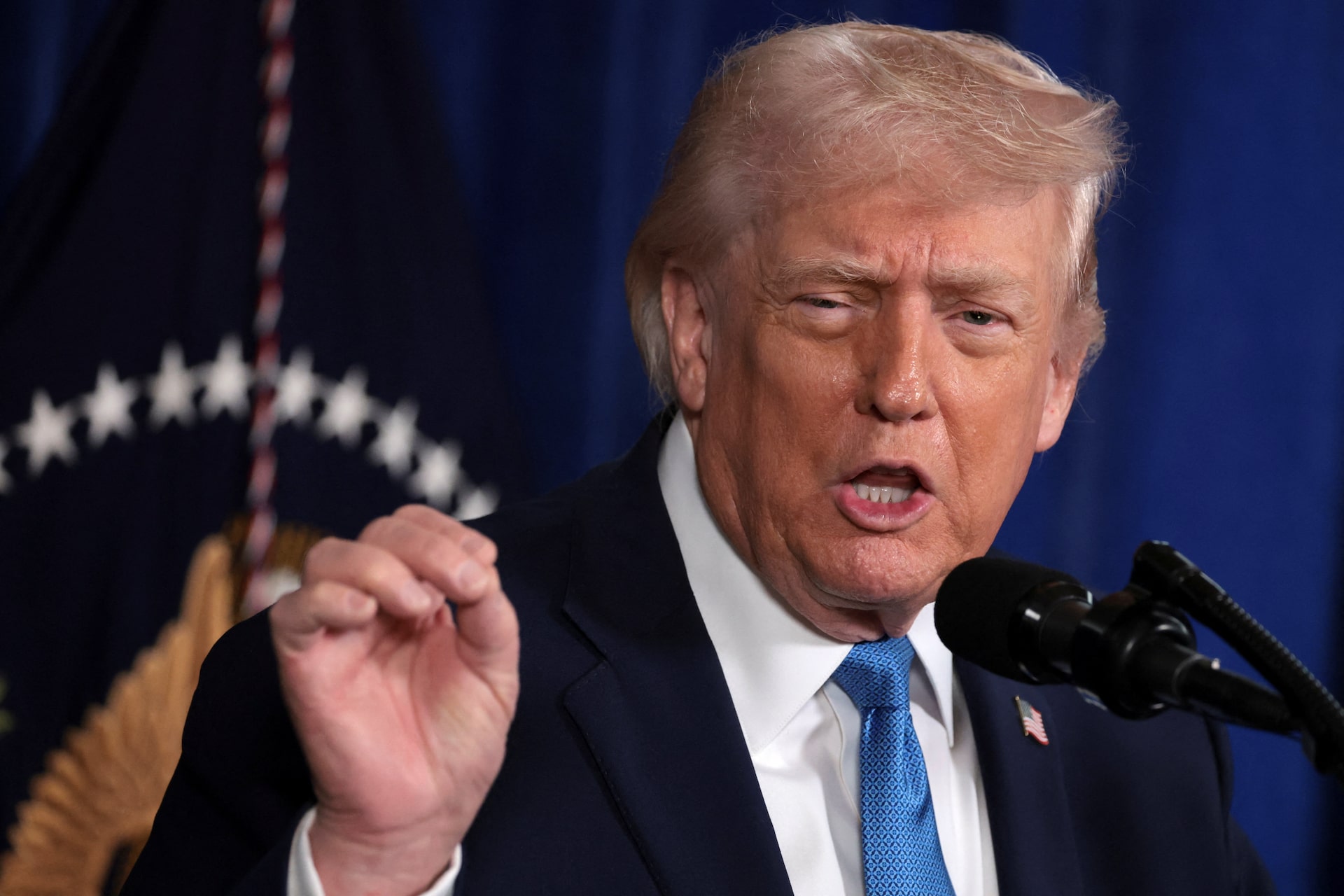
President Donald Trump rejected reports claiming the United States would provide hundreds of millions of dollars to Iran, calling the reports “fake news.” Trump also stated that Iran has agreed to never obtain nuclear weapons, while reports continue to circulate regarding possible economic support tied to Iran’s reconstruction.
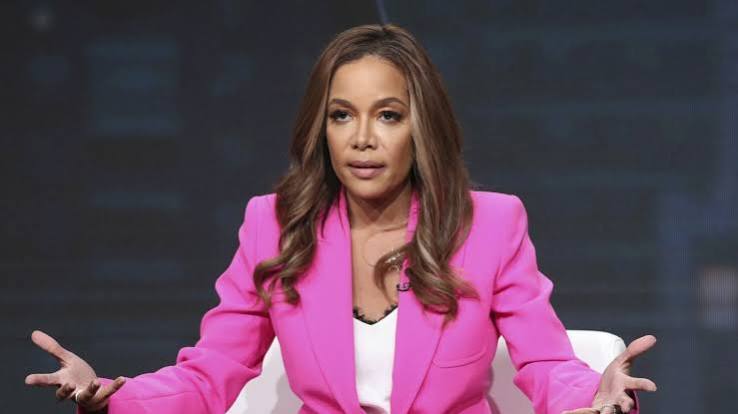
The View co-host Sunny Hostin sharply criticized President Donald Trump after a UFC fighter made a controversial remark about former First Lady Michelle Obama during the White House Freedom 250 event. Hostin accused Trump of failing to condemn the comment and argued that the incident highlighted broader issues involving race and sexism.
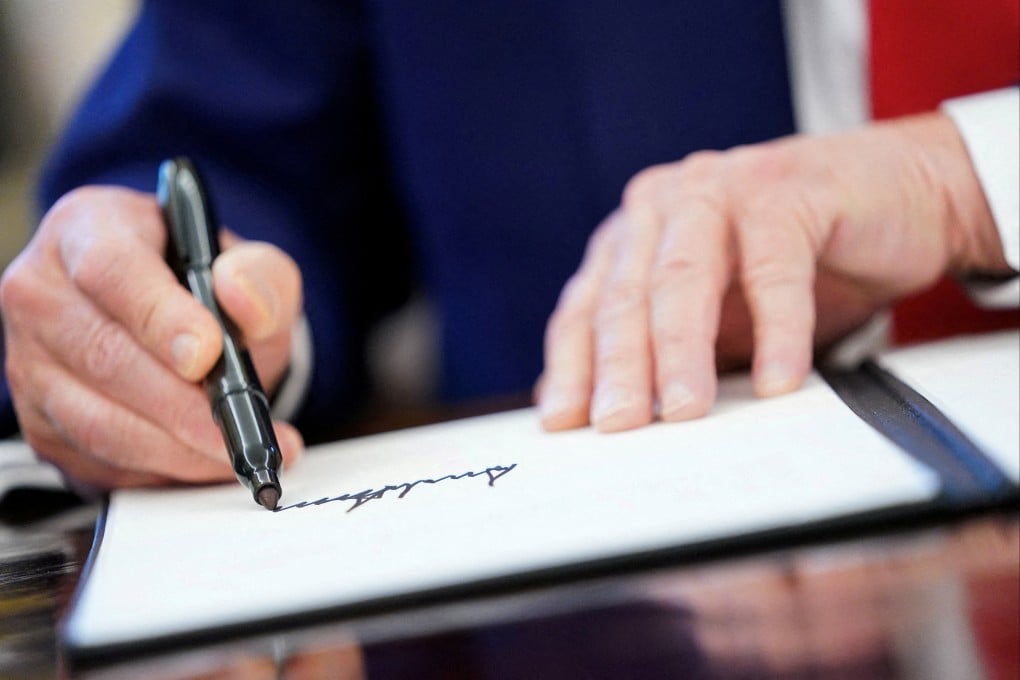
U.S. officials say President Donald Trump, Vice President JD Vance, and Iranian Parliament Speaker Mohammad Bagher Ghalibaf digitally signed a memorandum of understanding on Sunday, marking the first formal step in a new U.S.-Iran agreement. The full text remains undisclosed, while a public signing ceremony is expected in Switzerland later this week.

President Donald Trump announced that the United States and Iran have already signed a memorandum of understanding (MOU) aimed at ending the conflict and reopening the Strait of Hormuz. While financial markets rallied and oil prices fell sharply, significant disagreements remain over sanctions relief, frozen Iranian assets, Hormuz transit fees, Iran's nuclear program, and ongoing fighting involving Hezbollah and Israel. The official signing ceremony is scheduled for June 19 in Geneva, but the next 60 days of negotiations could determine whether the agreement survives.
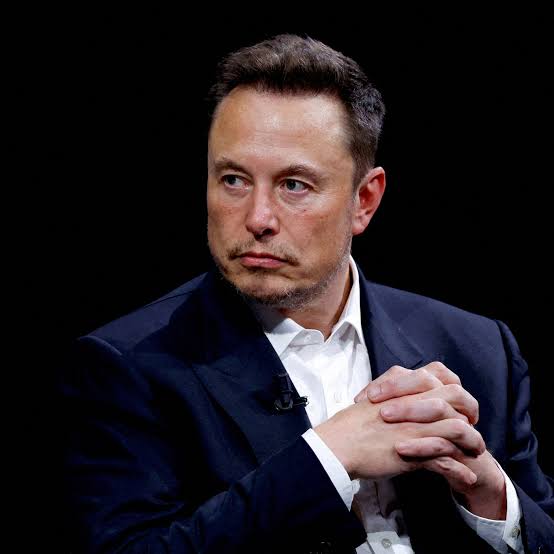
The outrage over Elon Musk’s reported path toward trillionaire status is not just a debate about money. It reflects a larger political and cultural fight over wealth creation, stock-based compensation, taxation, entrepreneurship, and whether America still respects people who build major companies.
Several governments and international officials welcomed the announced US-Iran memorandum of understanding, calling it a step toward ending the war, reopening the Strait of Hormuz, and advancing regional stability. Israel, however, is not happy with the direction, especially as concerns remain over Iran’s nuclear ambitions and its terror network across the region.
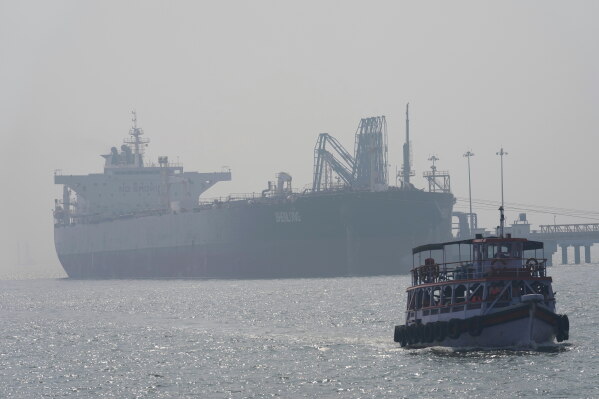
Iranian media and officials claim a proposed U.S.-Iran memorandum of understanding (MOU) includes recognition of Iran’s authority, alongside Oman, to manage maritime services in the Strait of Hormuz and eventually charge commercial vessels service fees after a 60-day grace period. The reported draft agreement also outlines a broader ceasefire framework, phased sanctions relief, future nuclear negotiations, and U.S. military withdrawals. Critics in Israel warn the arrangement could strengthen Iran while leaving major security concerns unresolved.