Breaking news, history, and security updates from Israel and the Middle East.
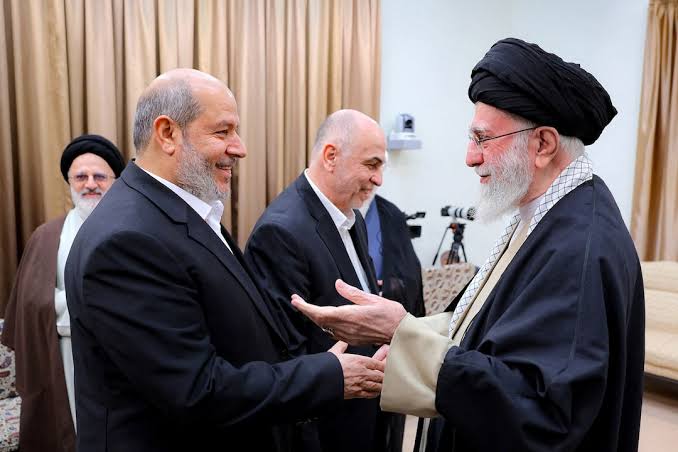
Hamas has announced the appointment of Khalil al-Hayya as the terrorist organization's new political leader, succeeding Yahya Sinwar, who was eliminated by Israeli forces in Gaza in October 2024. Al-Hayya, a longtime Hamas official, has played a central role in the group's leadership, hostage negotiations, and ceasefire talks during the war.
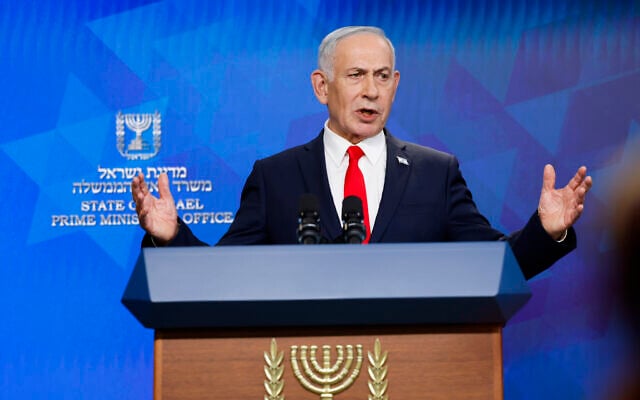
Prime Minister Benjamin Netanyahu said Israel achieved the main goals of its campaign against Iran, stressing that the nuclear and ballistic missile threats were pushed back and that Israel will not allow Tehran to obtain nuclear weapons.
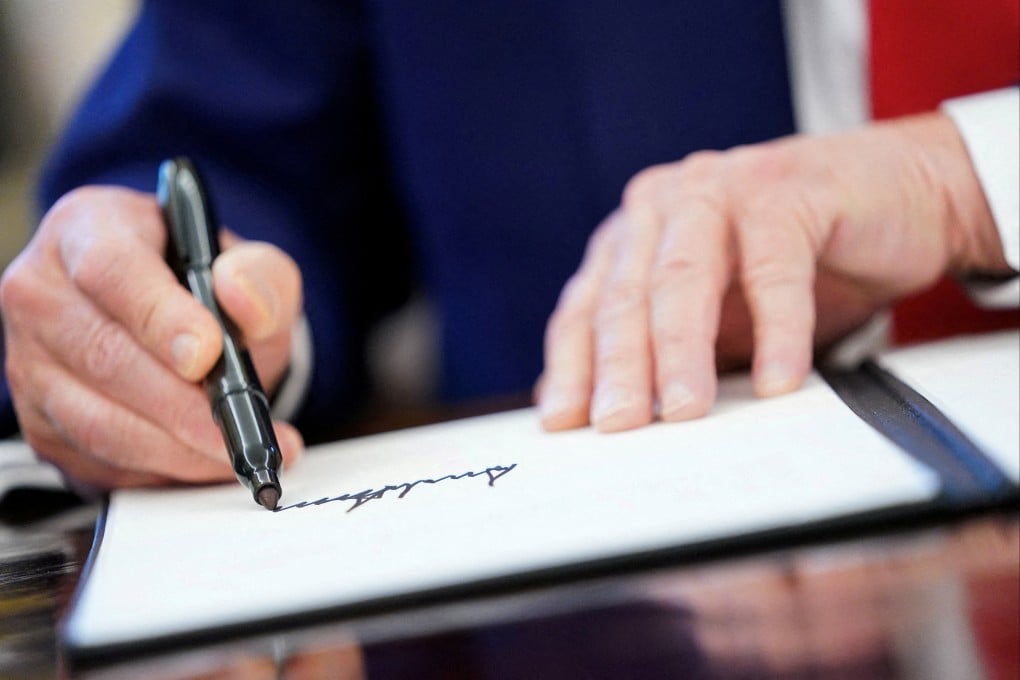
U.S. officials say President Donald Trump, Vice President JD Vance, and Iranian Parliament Speaker Mohammad Bagher Ghalibaf digitally signed a memorandum of understanding on Sunday, marking the first formal step in a new U.S.-Iran agreement. The full text remains undisclosed, while a public signing ceremony is expected in Switzerland later this week.
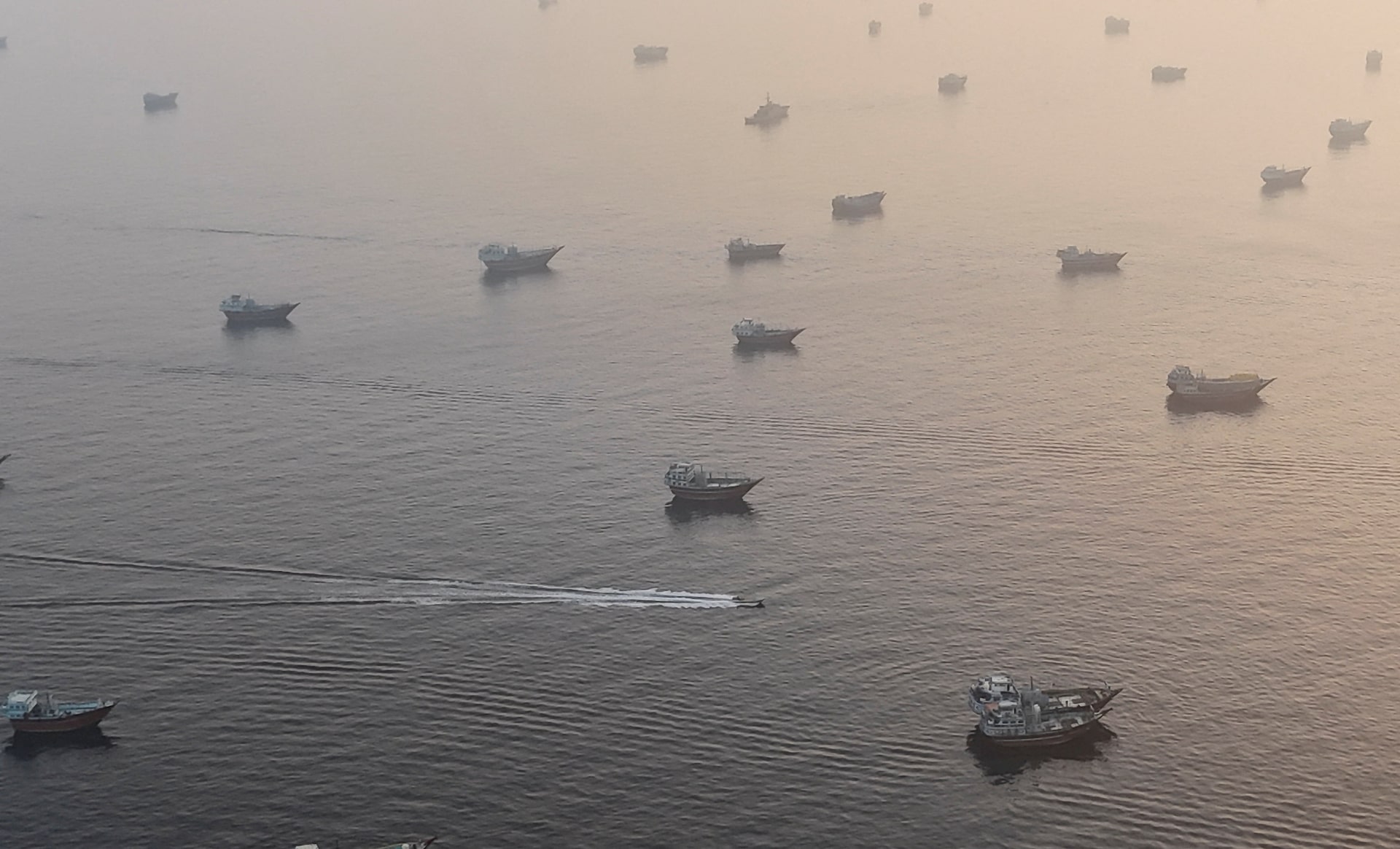
President Donald Trump announced that the United States and Iran have already signed a memorandum of understanding (MOU) aimed at ending the conflict and reopening the Strait of Hormuz. While financial markets rallied and oil prices fell sharply, significant disagreements remain over sanctions relief, frozen Iranian assets, Hormuz transit fees, Iran's nuclear program, and ongoing fighting involving Hezbollah and Israel. The official signing ceremony is scheduled for June 19 in Geneva, but the next 60 days of negotiations could determine whether the agreement survives.

A nursing student at Ben-Gurion University who previously faced backlash over statements denying or minimizing the October 7 Hamas massacre has reportedly returned to her studies and received a certificate of academic excellence, sparking renewed public debate.
Several governments and international officials welcomed the announced US-Iran memorandum of understanding, calling it a step toward ending the war, reopening the Strait of Hormuz, and advancing regional stability. Israel, however, is not happy with the direction, especially as concerns remain over Iran’s nuclear ambitions and its terror network across the region.
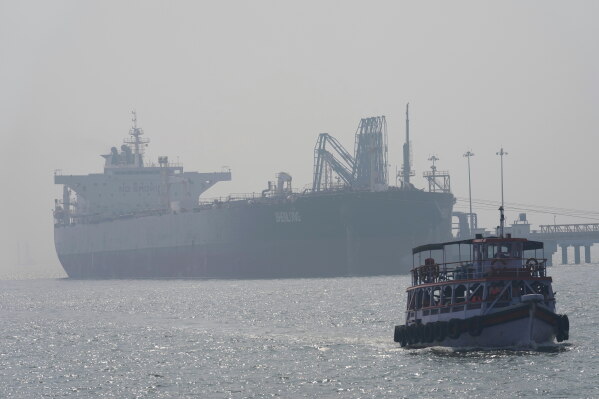
Iranian media and officials claim a proposed U.S.-Iran memorandum of understanding (MOU) includes recognition of Iran’s authority, alongside Oman, to manage maritime services in the Strait of Hormuz and eventually charge commercial vessels service fees after a 60-day grace period. The reported draft agreement also outlines a broader ceasefire framework, phased sanctions relief, future nuclear negotiations, and U.S. military withdrawals. Critics in Israel warn the arrangement could strengthen Iran while leaving major security concerns unresolved.
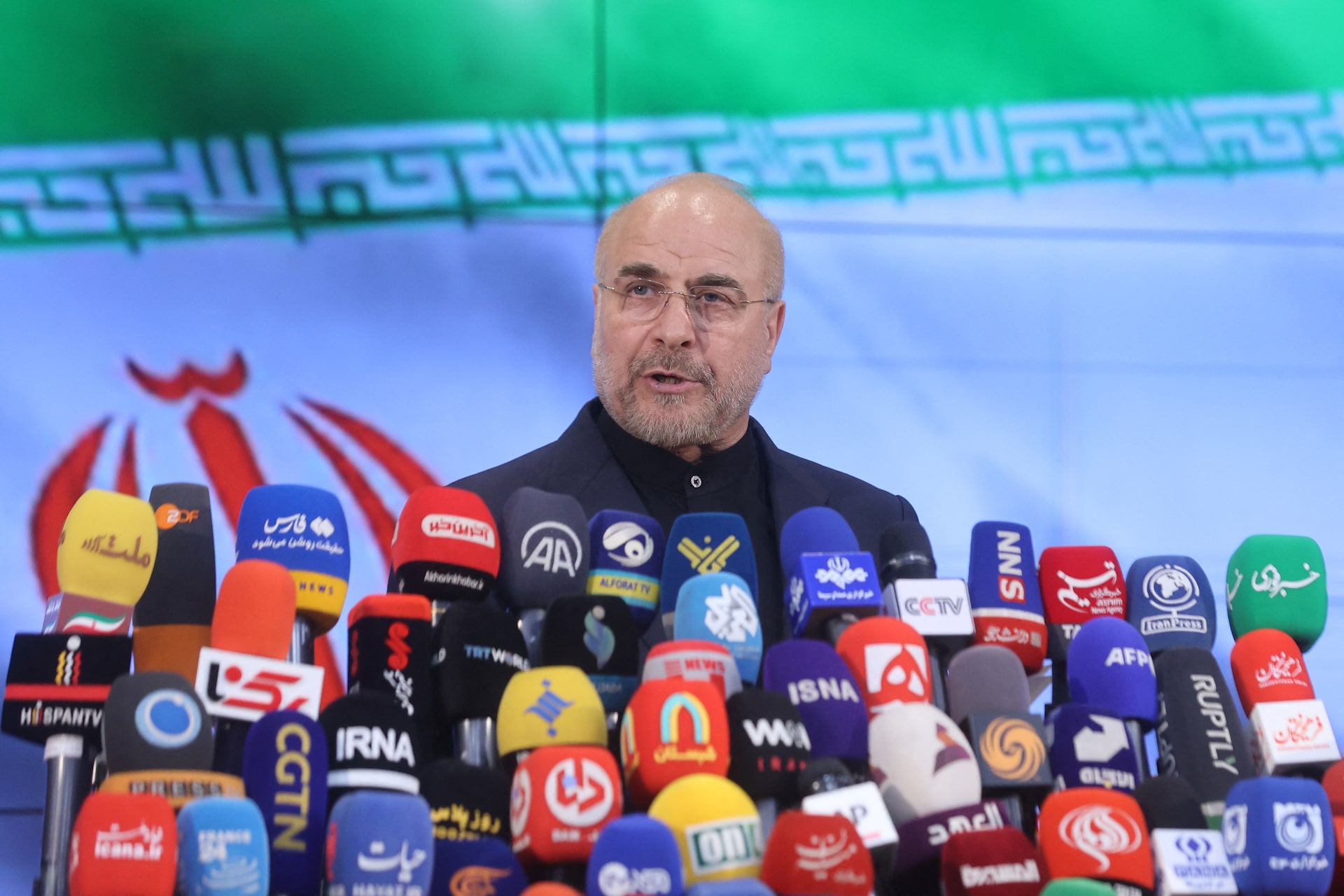
Senior American and Iranian officials are expected to attend a memorandum of understanding (MOU) signing ceremony in Geneva on June 19. U.S. Vice President J.D. Vance plans to attend, while President Donald Trump may also appear. Iran is expected to be represented by Parliament Speaker Mohammad Bagher Ghalibaf and Foreign Minister Abbas Araghchi.

The IDF announced that senior Hezbollah commander Ali Mussa Daqduq was eliminated in an Israeli airstrike in southern Lebanon. Daqduq was one of Hezbollah’s most experienced operatives and was responsible for planning terrorist attacks against Israel and was also linked to the 2007 kidnapping and murder of five American soldiers in Iraq.

If a ceasefire memorandum of understanding is signed on June 19, the most likely scenario could include the reopening of the Strait of Hormuz and renewed nuclear restrictions on Iran. However, sanctions relief and the release of frozen Iranian assets may also become part of the package. The situation remains highly unpredictable and none of the reported details have been officially finalized.
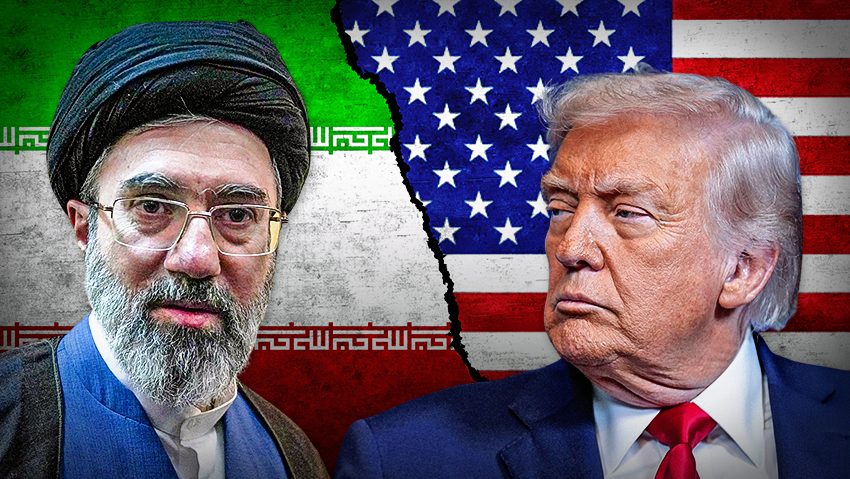
President Trump says the U.S. and Iran have reached a deal to end hostilities, reopen the Strait of Hormuz without tolls, and lift the U.S. naval blockade. Pakistan says the MOU will be signed June 19 in Switzerland, while Iran says frozen assets and sanctions relief will be negotiated over the next 60 days.
President Trump says the U.S. is close to a peace agreement with Iran, but conflicting signals remain. Iran says its security leadership supports ending the war through talks, while Iranian officials warn that Israel’s strike in Beirut could damage the process. U.S. officials say they are confident, but also warn Iran will face consequences if it violates any deal.
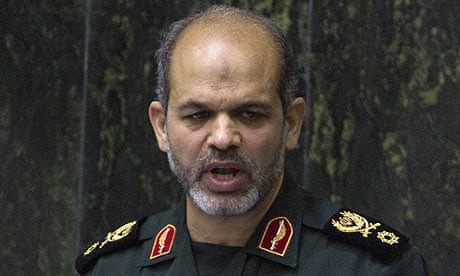
According to a Wall Street Journal report, IRGC Commander Ahmad Vahidi has become one of the leading voices opposing compromise with the United States and is reportedly playing a major role in delaying a final U.S.-Iran ceasefire agreement. Sources say Vahidi has pushed Iran’s hardline positions, including linking the conflict in Lebanon to negotiations with Washington.

Israeli forces operating beneath the Beaufort Ridge in southern Lebanon have uncovered maps inside Hezbollah tunnels that illustrate the terror group's plans targeting northern Israeli communities. The IDF says the underground network was built with support and funding from Iran and is continuing efforts to dismantle the infrastructure.
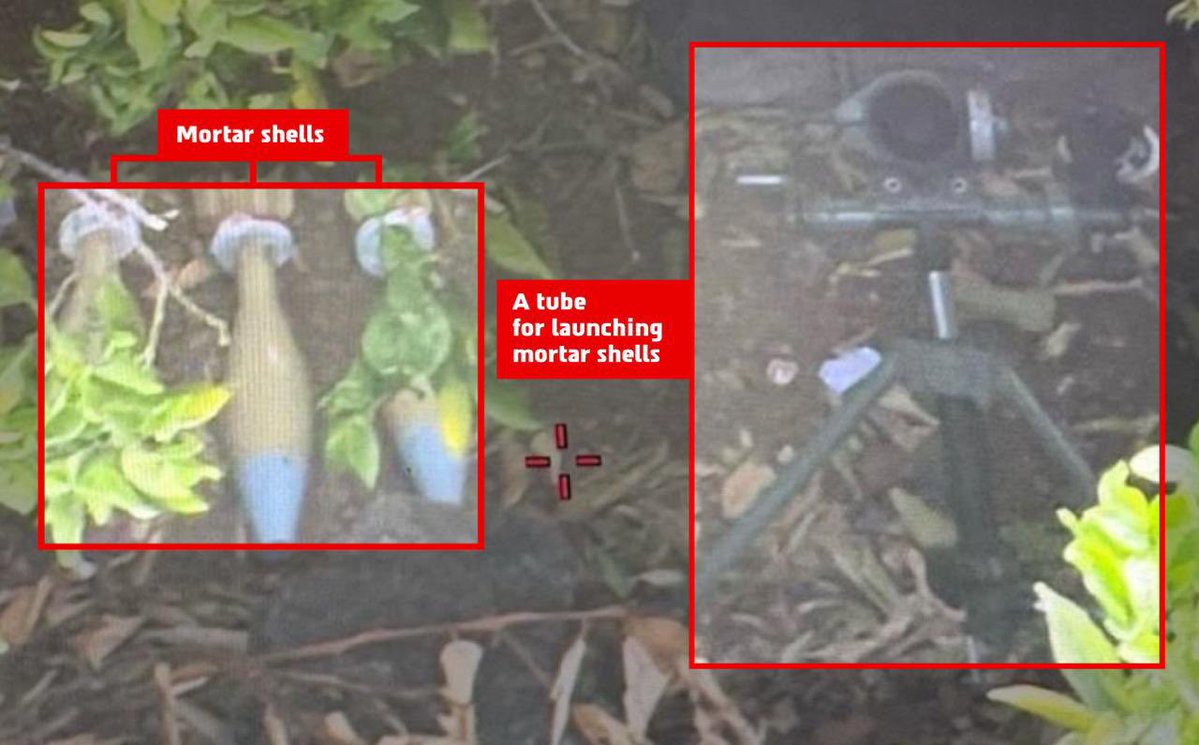
Israeli forces eliminated seven Hezbollah terrorists who were operating from an underground route in southern Lebanon. According to the IDF, the tunnel network was being used to store weapons, ammunition, mortars, and supplies intended to support attacks against Israeli troops in the area.
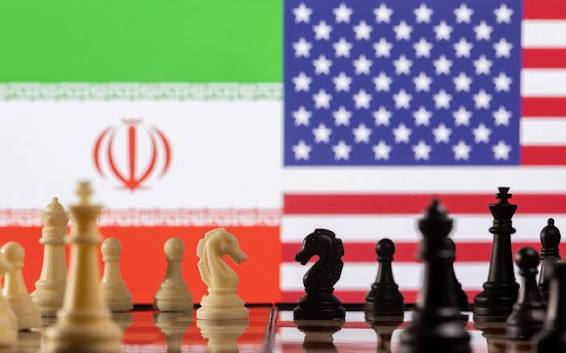
Reports of a potential U.S.-Iran agreement are raising serious concerns in Israel, especially as Hezbollah continues attacking northern communities. Supporters of President Trump hope he will take a firm line, but many fear the deal could give Iran economic relief while allowing its terror proxies to rebuild.
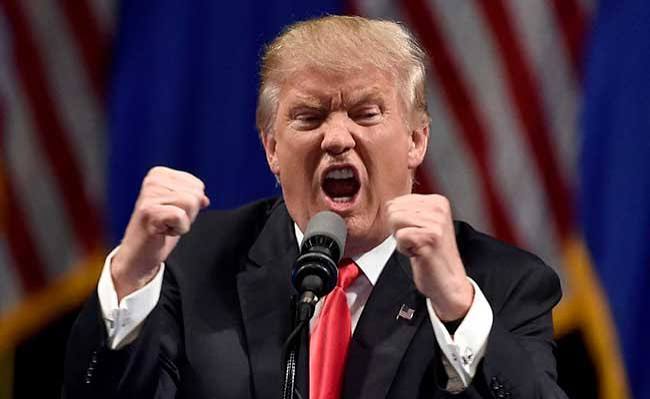
President Donald Trump reportedly reacted angrily after details from a draft U.S.-Iran agreement were leaked to the media, portraying Washington as taking a softer approach toward Tehran. According to reports, Trump ordered an immediate messaging campaign to counter claims that the deal would provide Iran with economic benefits before significant concessions on its nuclear program and regional activities.
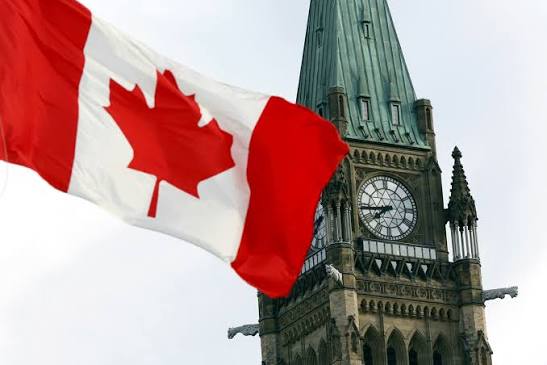
Canadian Foreign Minister Anita Anand announced an additional $100 million in humanitarian assistance for Gaza, Judea and Samaria. The funding will be distributed through international organizations including the United Nations, the International Committee of the Red Cross, the Red Crescent, and various non-governmental organizations, bringing Canada's total aid commitment to Palestinians to more than $500 million.
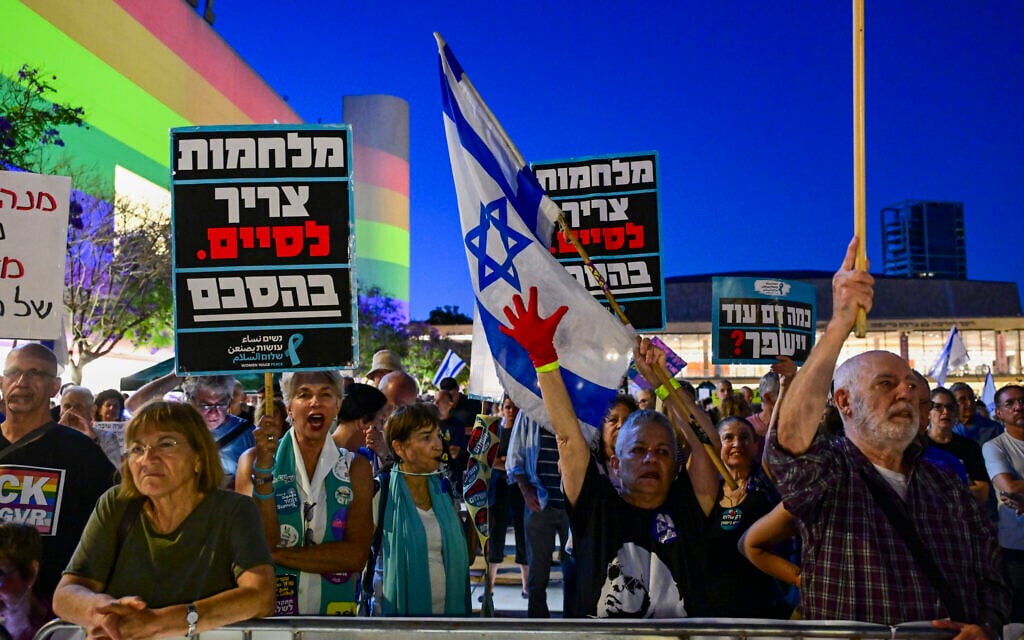
Several hundred anti-government activists gathered in Tel Aviv to criticize Prime Minister Benjamin Netanyahu and demand the creation of a state commission of inquiry into the failures surrounding the October 7 Hamas terrorist attack. Supporters of the government argue that political opponents are attempting to use the tragedy to advance partisan goals while Israel remains focused on defeating Hamas, securing the return of hostages, and confronting growing regional threats from Iran.
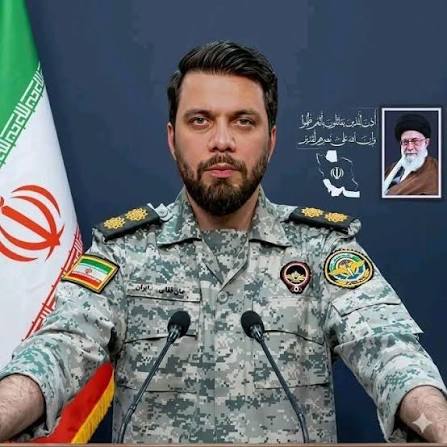
Iran’s Revolutionary Guard rejected Donald Trump’s claim that an agreement ending hostilities with Iran would be signed on June 14, accusing him of trying to turn the date into a personal publicity event tied to his birthday.
President Trump says a U.S.-Iran agreement is set to be signed and would reopen the Strait of Hormuz, but Iran and the IRGC are already walking back the timeline, denying key details, and trying to keep pressure on global shipping while avoiding real accountability on the nuclear issue.
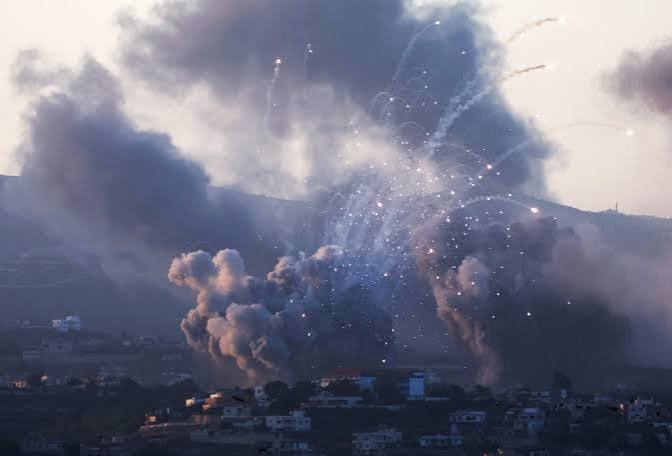
The United States and Iran appear close to signing a ceasefire Memorandum of Understanding (MOU), potentially opening the door to broader negotiations after months of conflict. However, Washington, Tehran, and Israel continue to present sharply different views on key issues, including Iran’s nuclear program, sanctions relief, the future of the Strait of Hormuz, and regional security. At the same time, Israel is maintaining military pressure against Hezbollah in southern Lebanon, signaling that major regional disputes remain unresolved despite progress toward a U.S.-Iran agreement.
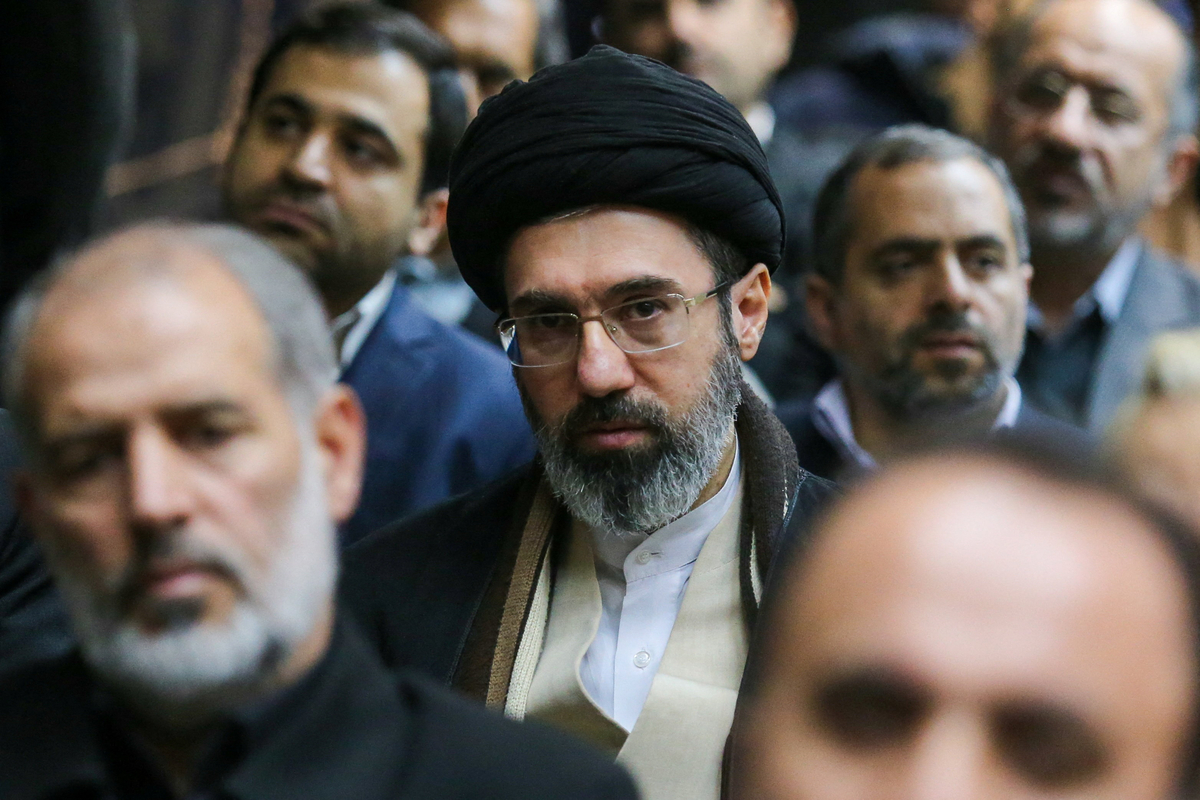
Iran’s foreign minister says Tehran’s top leadership has approved a proposed ceasefire MOU with the United States, while major disputes remain over the Strait of Hormuz, maritime control, and future nuclear talks.
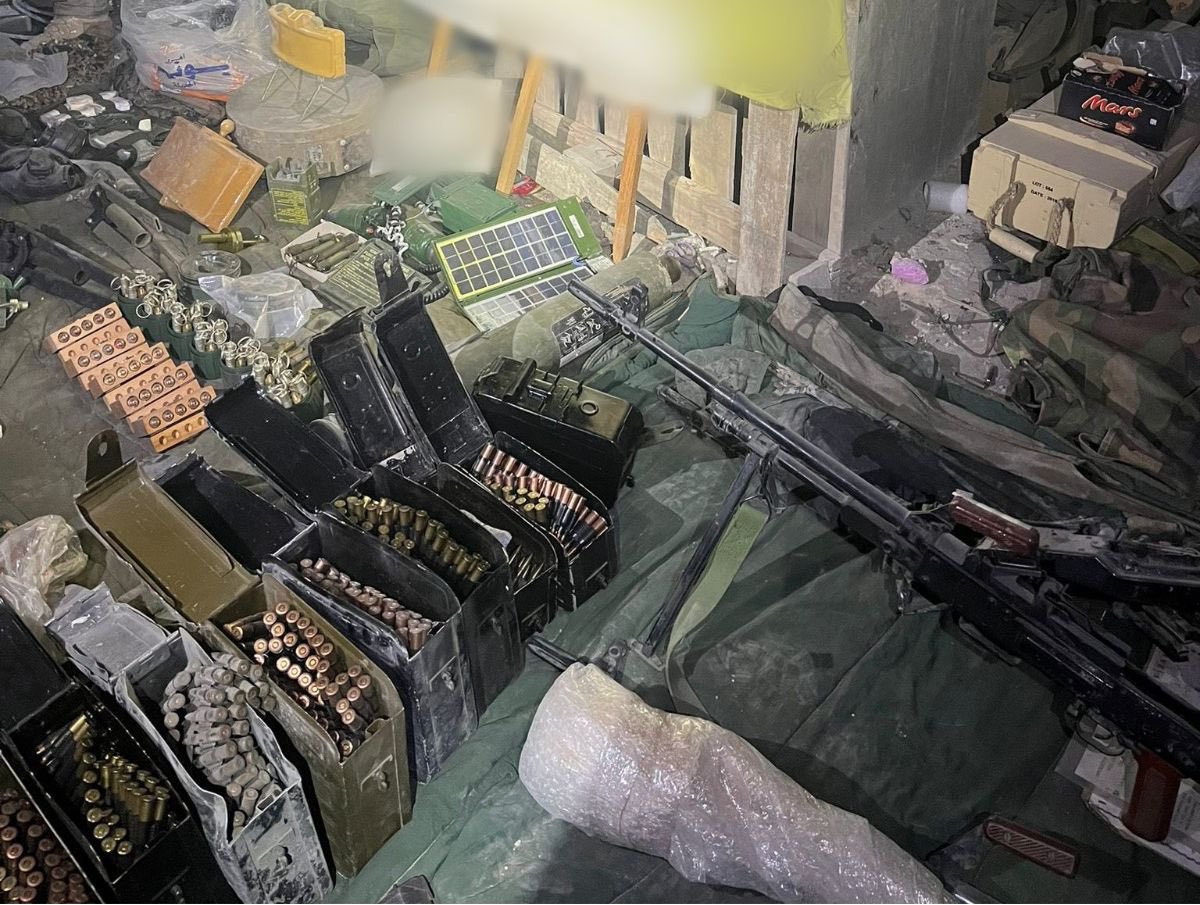
Israeli forces completed an operation in the Dabin area of southern Lebanon, targeting Hezbollah infrastructure used for planning attacks against Israeli troops and civilians. More than 50 targets were struck, weapons stockpiles were uncovered, and terrorists were eliminated during the operation.
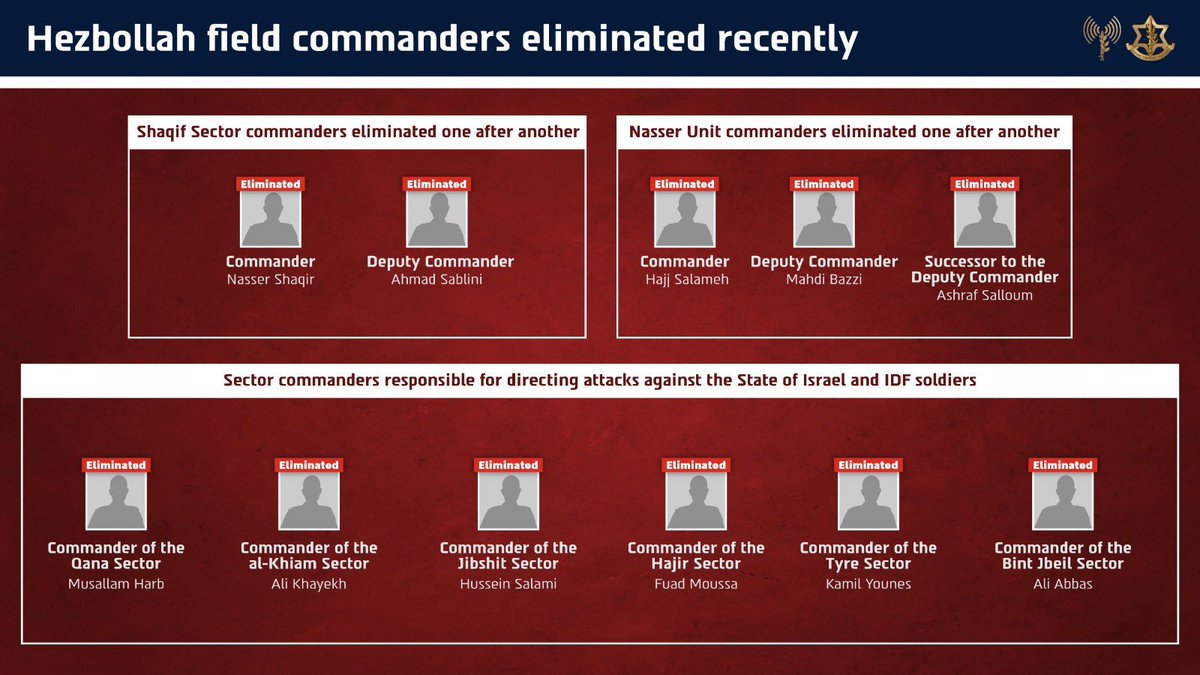
The IDF has eliminated more than 10 Hezbollah field commanders and successors, including senior figures from the Nasser Unit and Shaqif Sector.
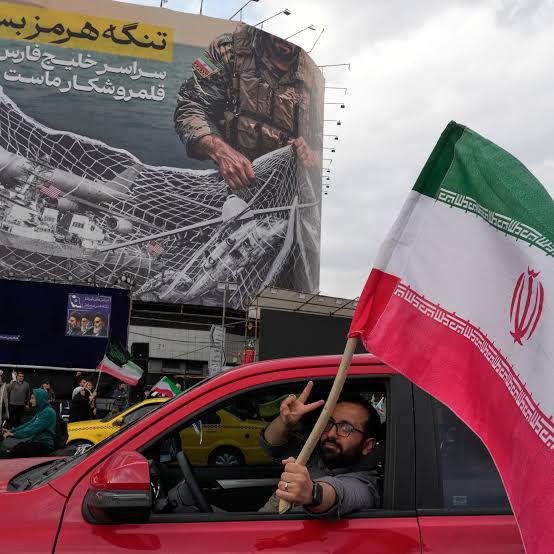
The United Arab Emirates has firmly rejected reports claiming it transferred funds to the Islamic Republic of Iran, including allegations involving $3 billion.
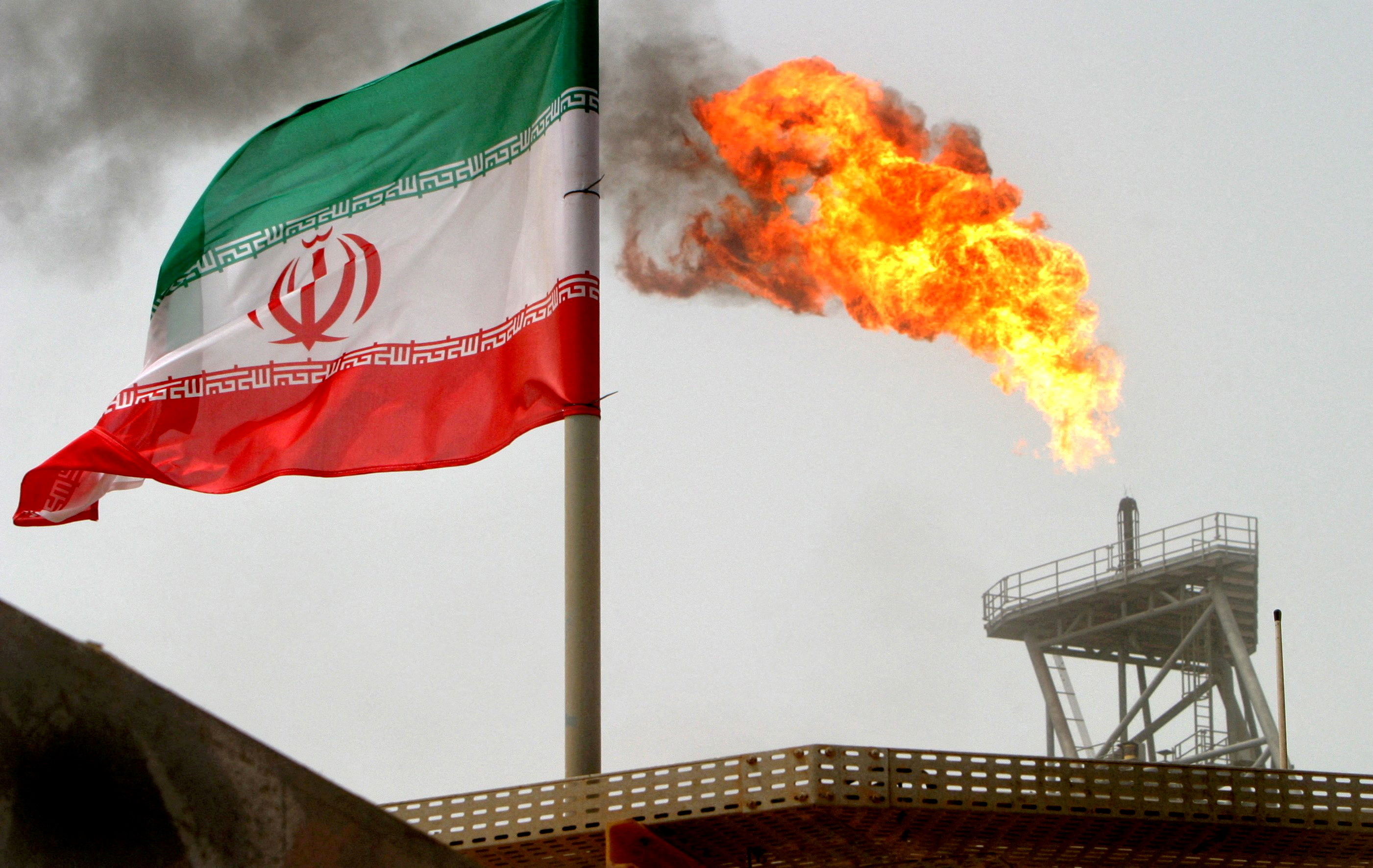
A senior US administration official says a new agreement with Iran is approximately 85% complete and could be signed within days. The proposed deal would require Iran to dismantle key parts of its nuclear program, surrender its enriched uranium stockpile, and take steps toward regional stability in exchange for phased economic relief. Technical negotiations are still needed to determine how Iran's nuclear material will be removed and destroyed.
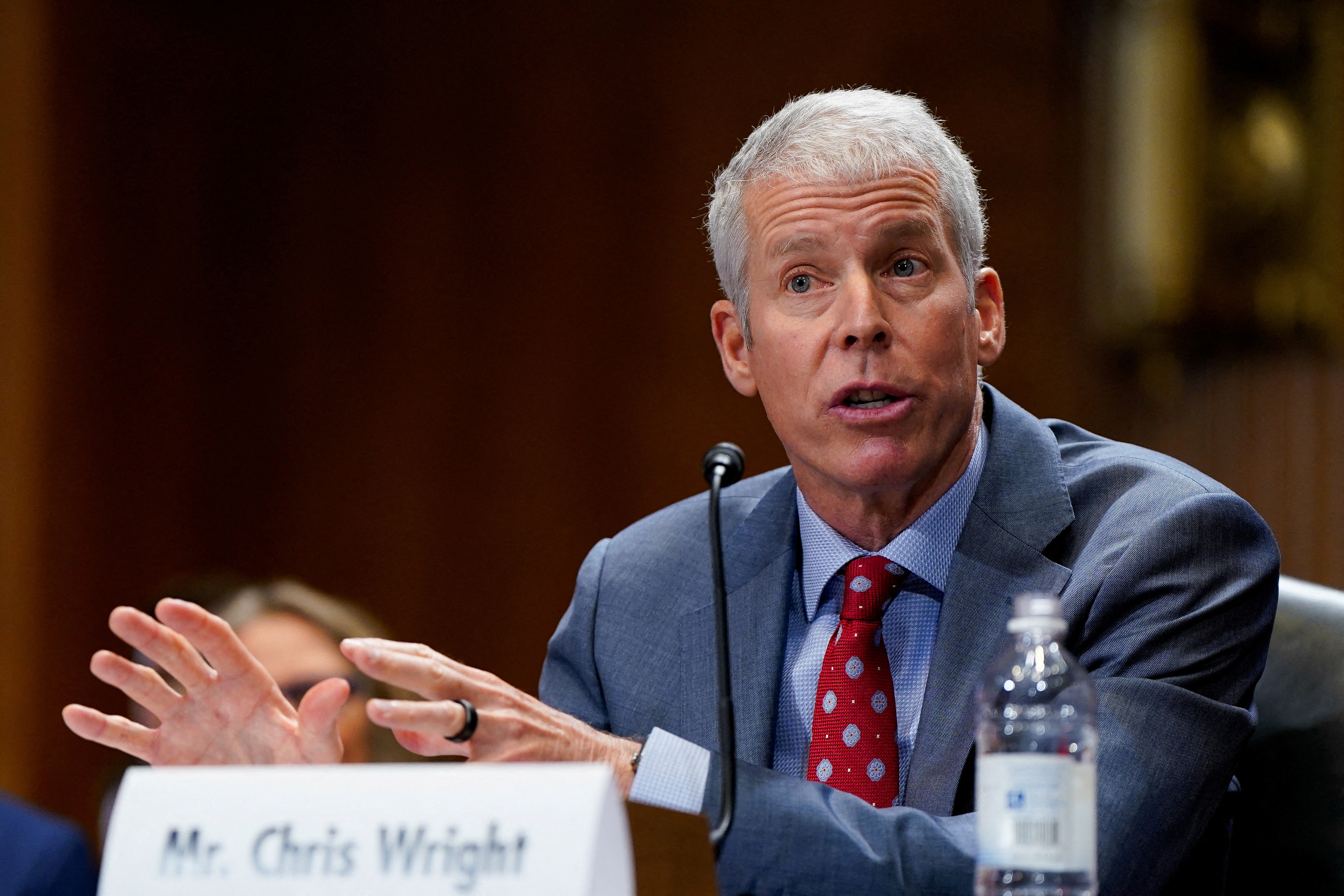
U.S. Energy Secretary Chris Wright says oil and fuel shipments through the Strait of Hormuz have partially recovered to about 7 million barrels per day. At the same time, Iran is threatening new restrictions and fees, claiming it will not return the waterway to its pre-war status.
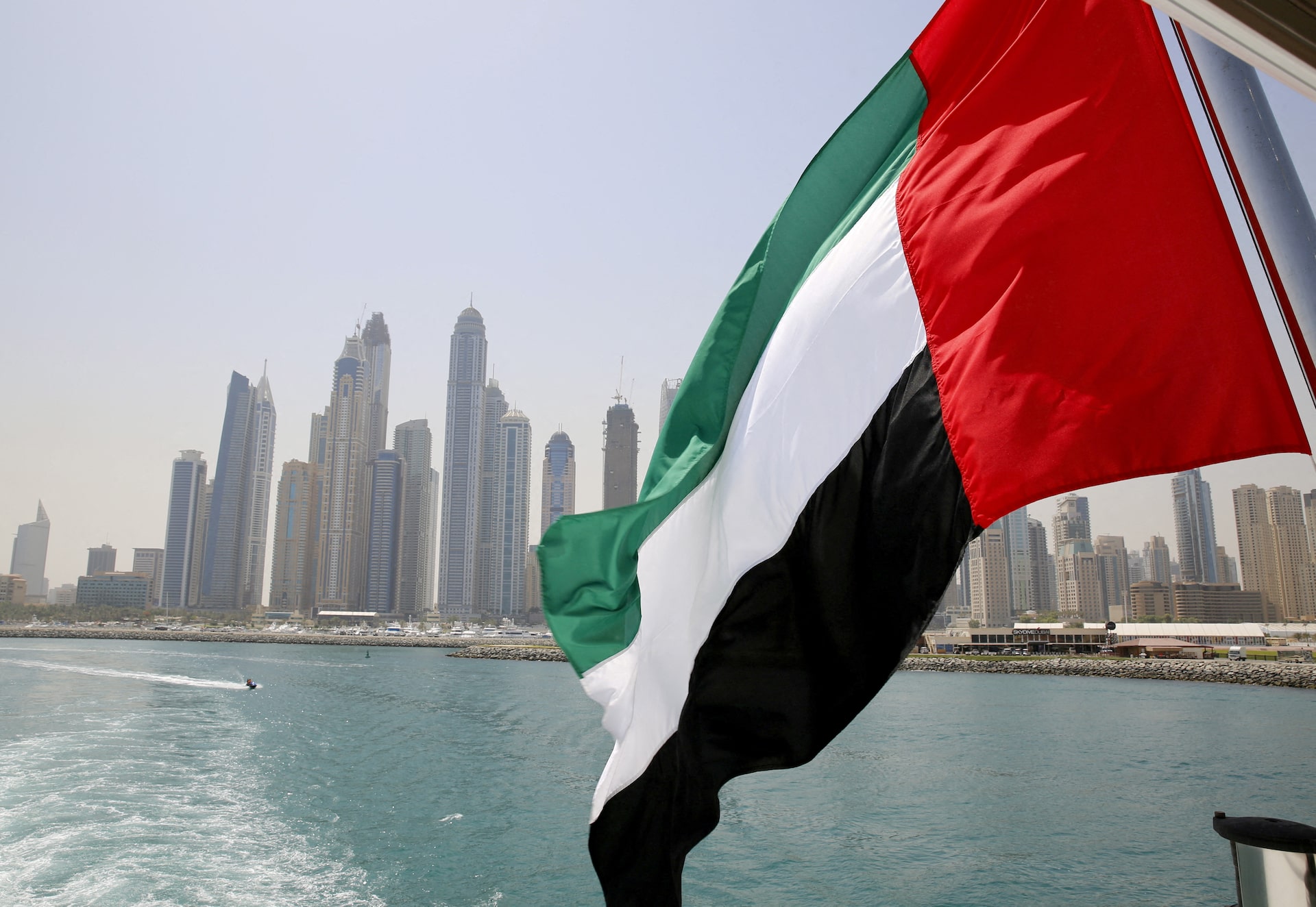
According to a Reuters report citing sources, the United Arab Emirates has agreed to release billions of dollars in frozen Iranian assets as part of an arrangement aimed at stopping Iranian missile and drone attacks against the UAE. The reported deal is also intended to support regional stability and reduce tensions between Washington and Tehran.
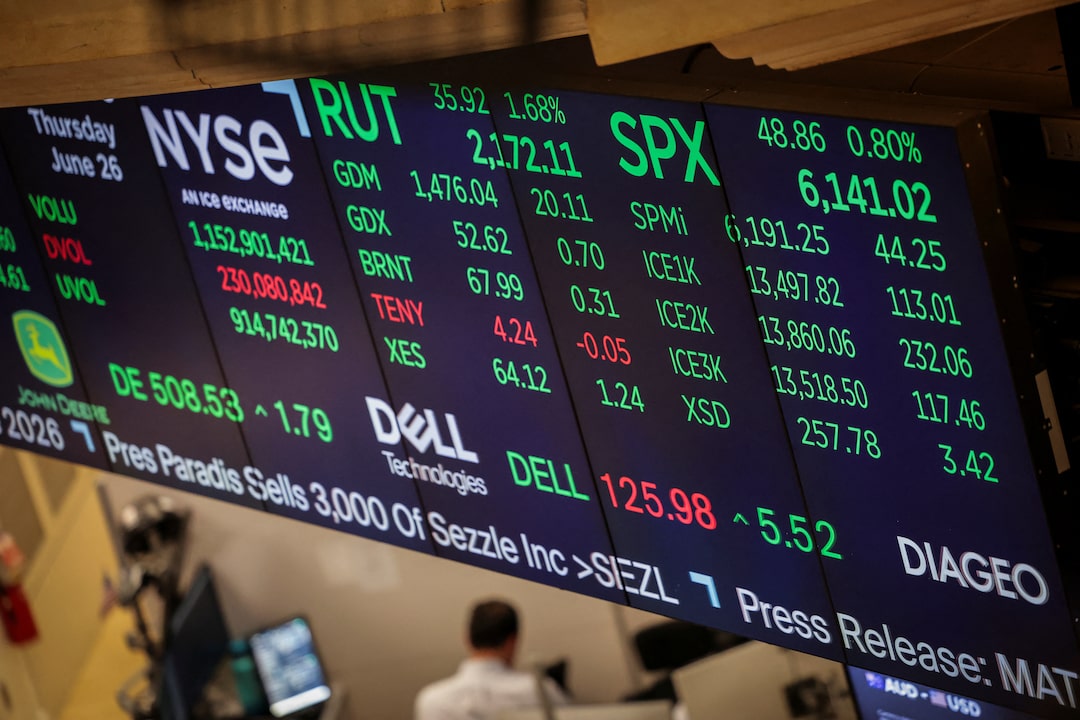
Oil prices fell sharply while U.S. stocks rose as markets reacted to reports that Washington and Tehran may be close to a short-term agreement. The proposed deal could reopen the Strait of Hormuz, address Iran’s nuclear program, and begin 60 days of technical talks, but conflicting Iranian reports and President Trump’s own warning show the deal is not final.
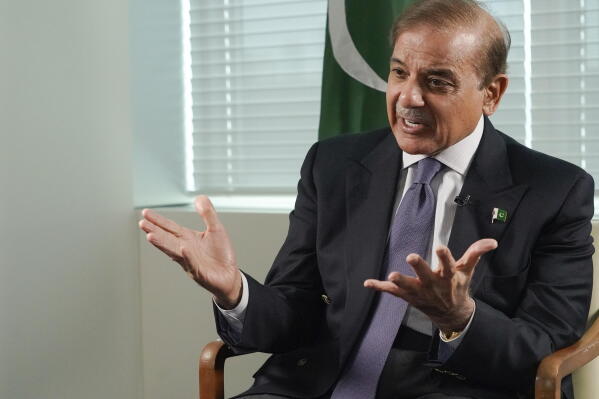
Pakistan’s Prime Minister Shehbaz Sharif says Washington and Tehran have agreed on the final text of a peace deal, with Pakistan now working with both sides on the next steps.