Breaking news, history, and security updates from Israel and the Middle East.
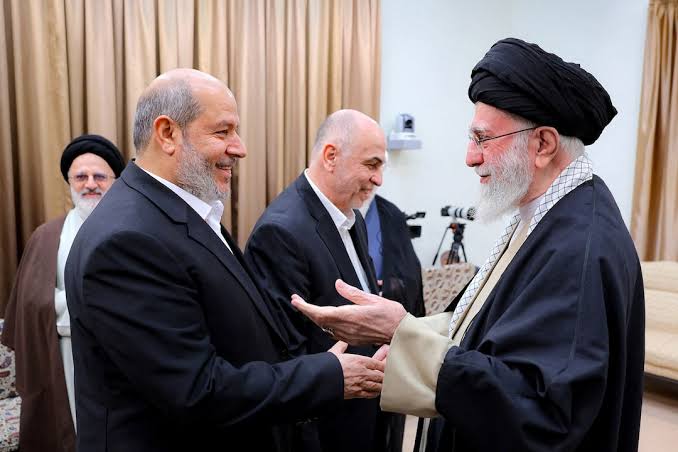
Hamas has announced the appointment of Khalil al-Hayya as the terrorist organization's new political leader, succeeding Yahya Sinwar, who was eliminated by Israeli forces in Gaza in October 2024. Al-Hayya, a longtime Hamas official, has played a central role in the group's leadership, hostage negotiations, and ceasefire talks during the war.

Hezbollah accused Israel of violating the ceasefire after the IDF opened fire on individuals in southern Lebanon. The Israeli military said the targets were armed Hezbollah operatives posing a threat to Israeli forces, while Hezbollah claimed they were civilians clearing roads and recovering bodies.
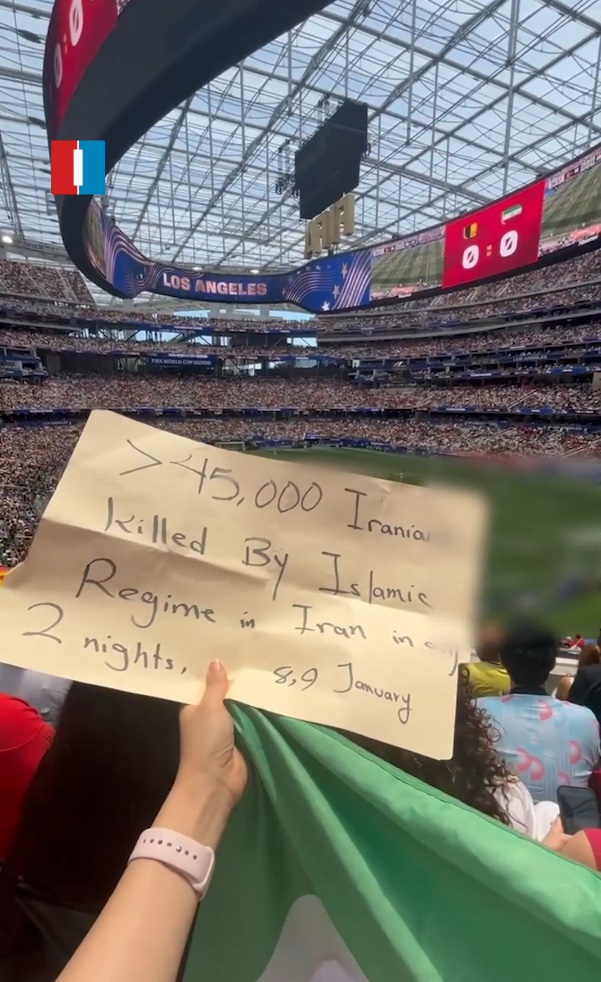
Iranian spectators used the Iran-Belgium World Cup match in Los Angeles to protest the Islamic Republic, displaying placards about mass killings and missing citizens after the nationwide anti-government uprising.
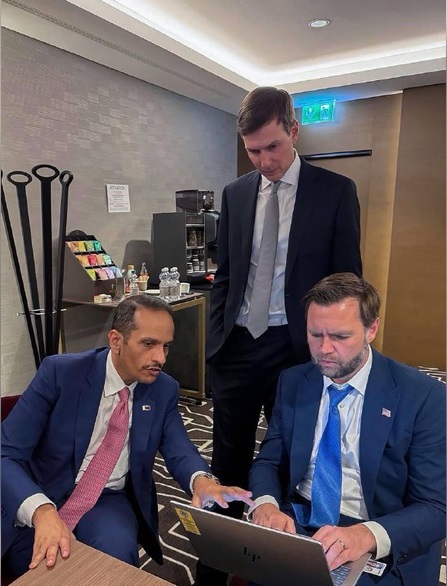
U.S. Vice President J.D. Vance said recent talks with Iran established a positive foundation for a possible future agreement. According to Vance, Iran has agreed to allow International Atomic Energy Agency (IAEA) inspectors to return, while technical negotiations will continue. Officials also reported progress on a mechanism aimed at preventing military escalation between Israel and the Hezbollah terror group in Lebanon.
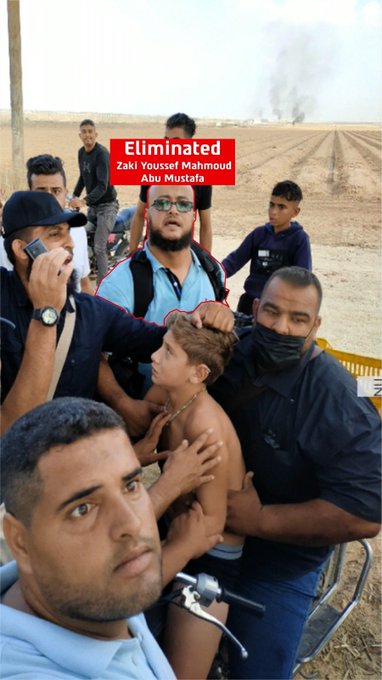
Israeli forces eliminated Zaki Youssef Mahmoud Abu Mustafa, an Islamic Jihad Nukhba commander involved in the October 7 massacre and the abduction of Yagil Yaakov.
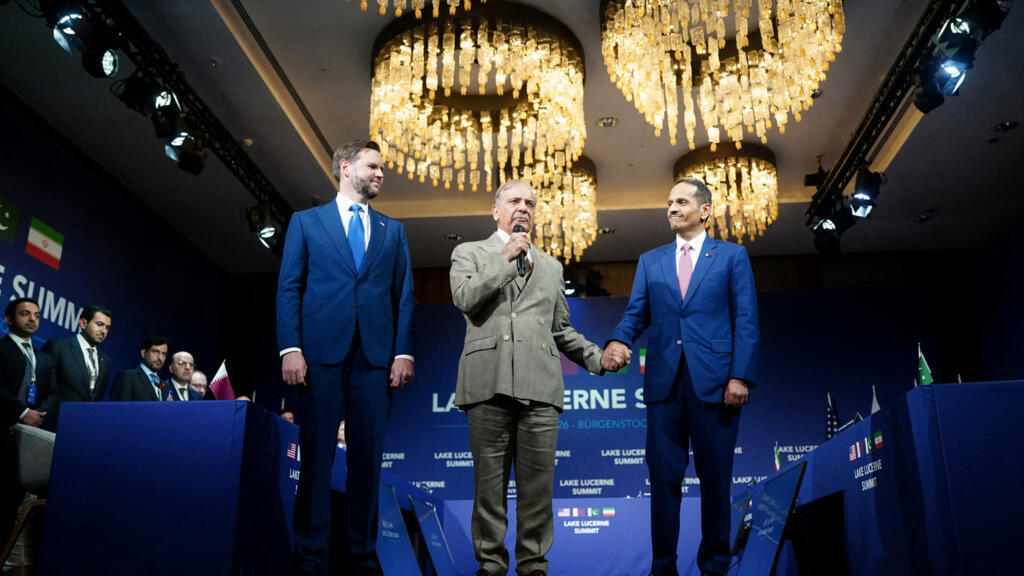
The United States and Iran concluded their first round of high-level face-to-face talks in Switzerland after an 18-hour marathon negotiating session. While the two sides reached preliminary agreements on Lebanon, the Strait of Hormuz, and future nuclear negotiations, major disagreements remain over Iran's nuclear program and Tehran's insistence that Israel's military operations in Lebanon be addressed before broader negotiations can advance.
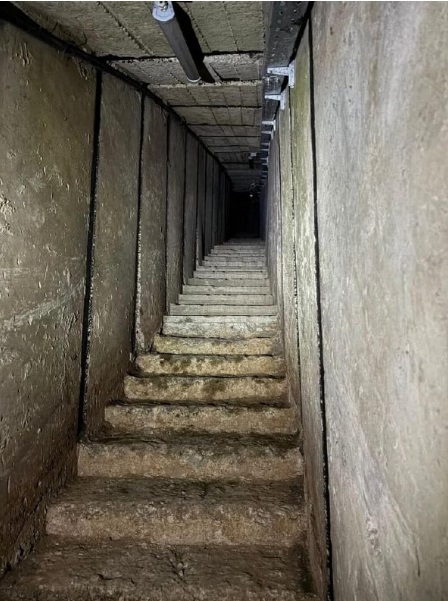
According to reports, Israel has told the United States it discovered dozens of large Hezbollah tunnels containing advanced Iranian-made military equipment, including sites allegedly used for command-and-control operations against Israel.
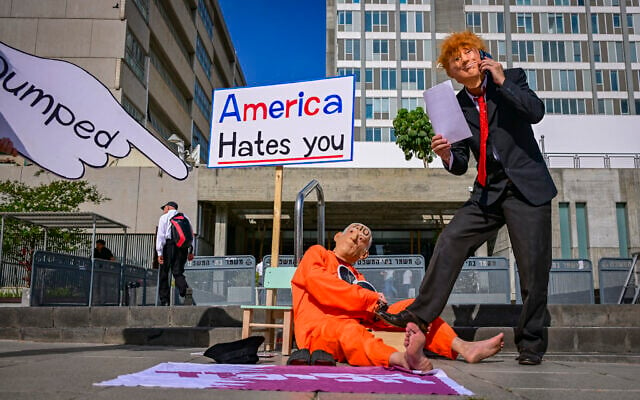
A new survey conducted by the Hebrew University of Jerusalem and the Agam Institute found widespread public dissatisfaction with the outcome of Israel's war against Iran and the subsequent US-Iran agreement. The poll indicates declining confidence in Prime Minister Benjamin Netanyahu's handling of the conflict while showing continued public support for strong military action against Hezbollah.
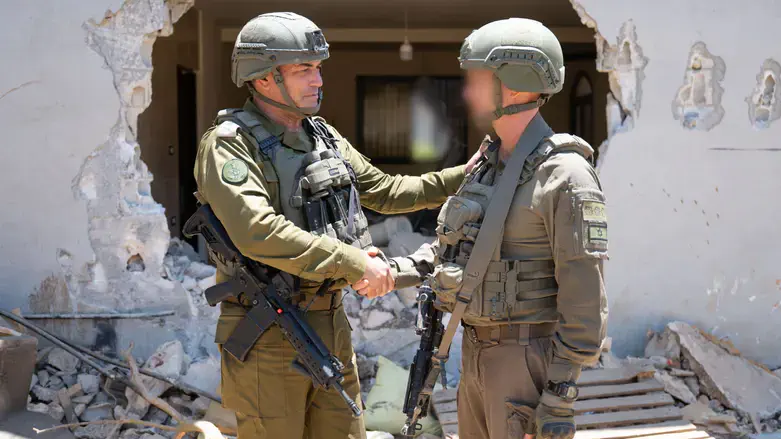
IDF Chief of Staff Lt. Gen. Eyal Zamir said Israel remains fully prepared to resume military operations in southern Lebanon if necessary, warning that the current ceasefire is fragile. During a visit to frontline forces, Zamir stressed that Israel's mission remains protecting northern communities while preventing Hezbollah from rebuilding its military infrastructure.
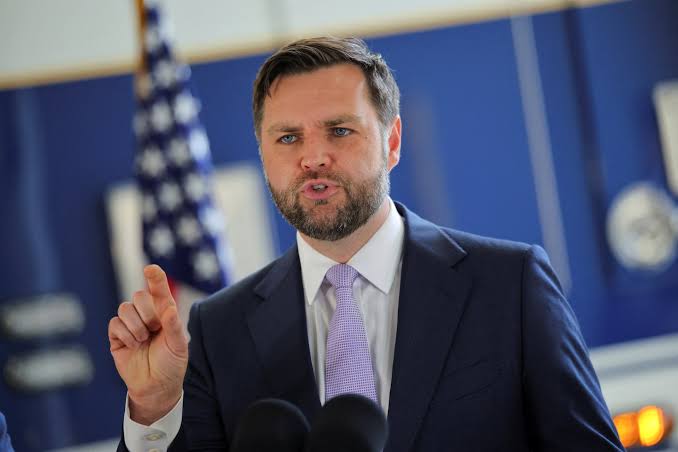
Speaking during high-level negotiations with Iran in Lucerne, Switzerland, U.S. Vice President JD Vance said the Trump administration is seeking a lasting diplomatic breakthrough that could reshape relations with Iran if Tehran abandons its nuclear ambitions and its role in destabilizing the Middle East. Vance also highlighted ongoing efforts to preserve the ceasefire in Lebanon and expressed optimism about regional stability.
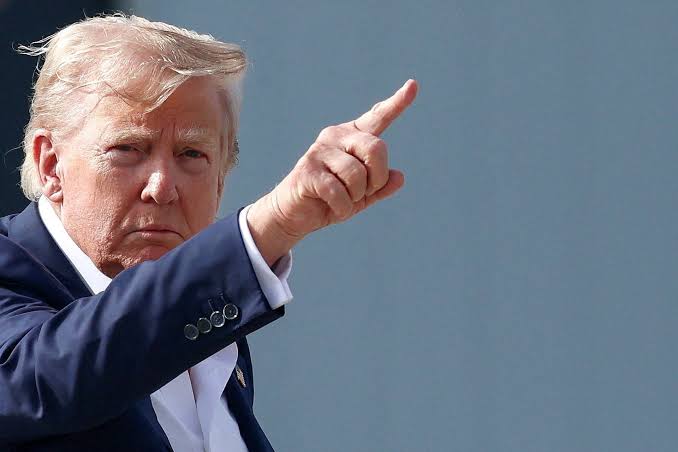
President Donald Trump issued sharp warnings to Iran during ongoing U.S.-Iran negotiations, threatening stronger military action if Tehran refuses to reach an agreement. He also demanded that Iran rein in Hezbollah, warning of severe consequences if its proxy forces continue to provoke instability.
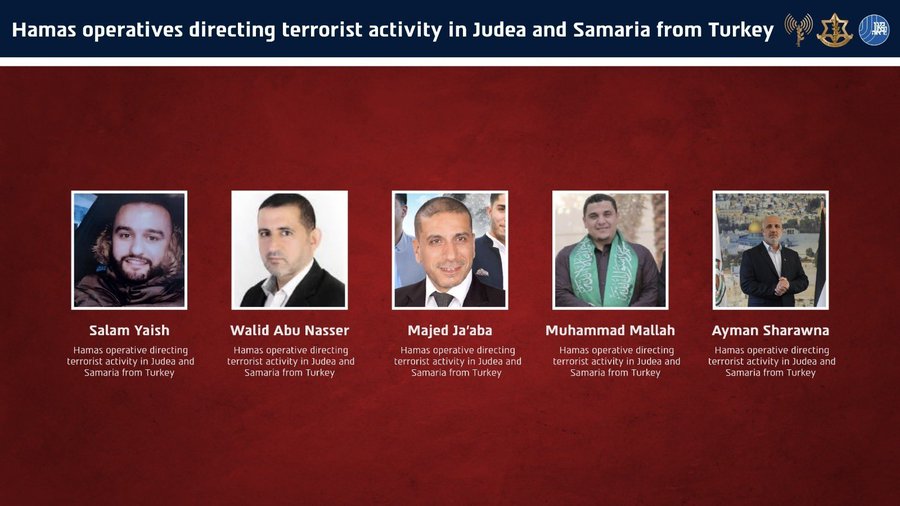
The IDF and ISA revealed that Hamas operatives based in Turkey have been directing terror activity in Judea & Samaria and across Israel, including recruitment, weapons transfers, and funding for attacks.
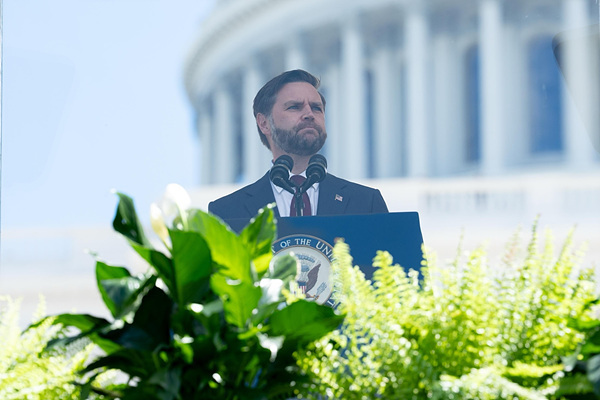
Senior U.S. and Iranian officials have begun high-level negotiations in Switzerland aimed at implementing a 60-day ceasefire framework while addressing Iran's nuclear program. The talks come amid continued Hezbollah attacks from Lebanon, Israeli military operations, Iranian threats to re-close the Strait of Hormuz, and a new warning from President Donald Trump that Iran will face even stronger U.S. strikes if it fails to restrain Hezbollah.
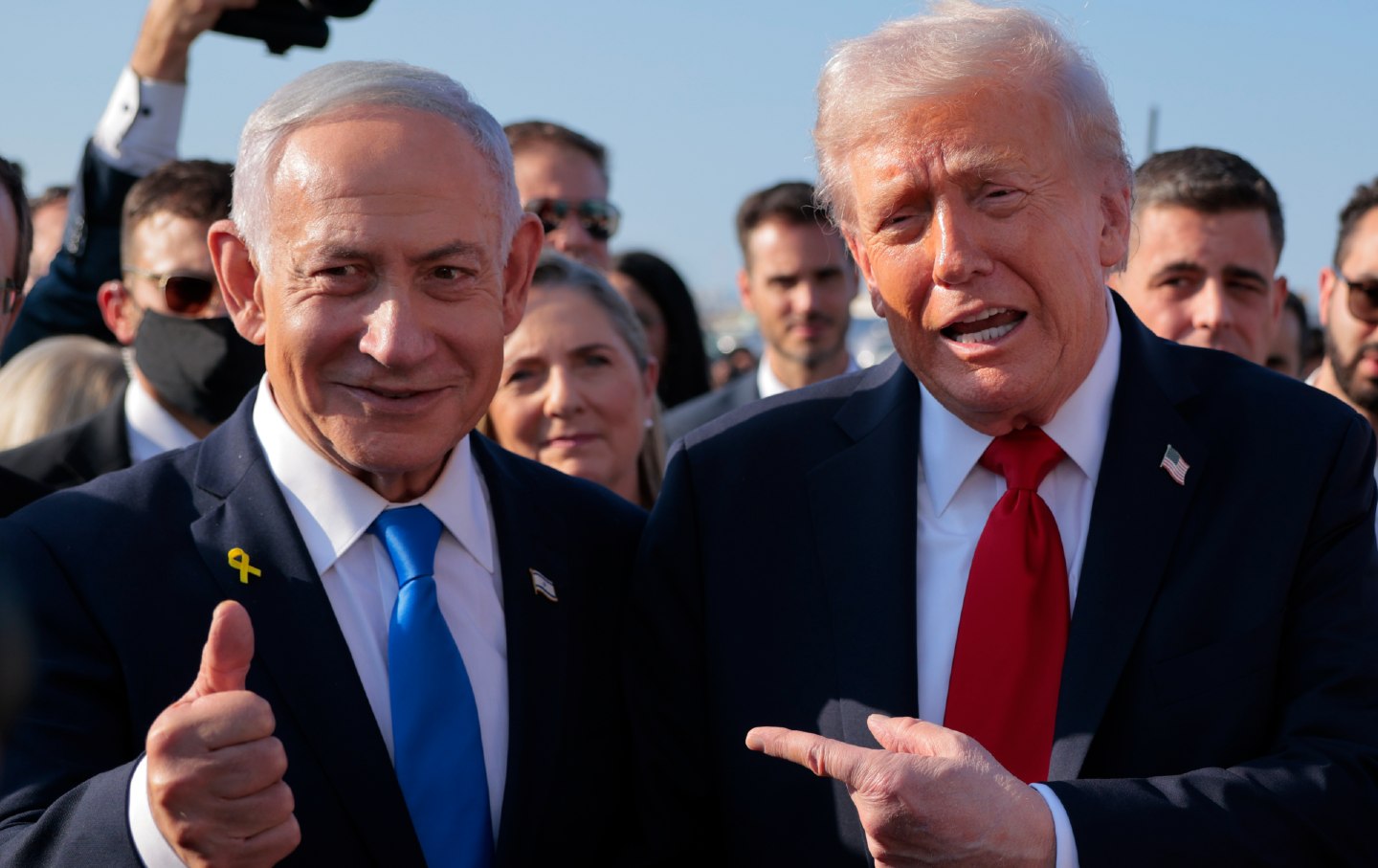
President Donald Trump praised Israeli Prime Minister Benjamin Netanyahu as a "warrior Prime Minister" while reaffirming the strong U.S.-Israel relationship. Trump also warned Iran to use the 60-day window created by the new agreement to negotiate a lasting deal with the United States or face consequences.
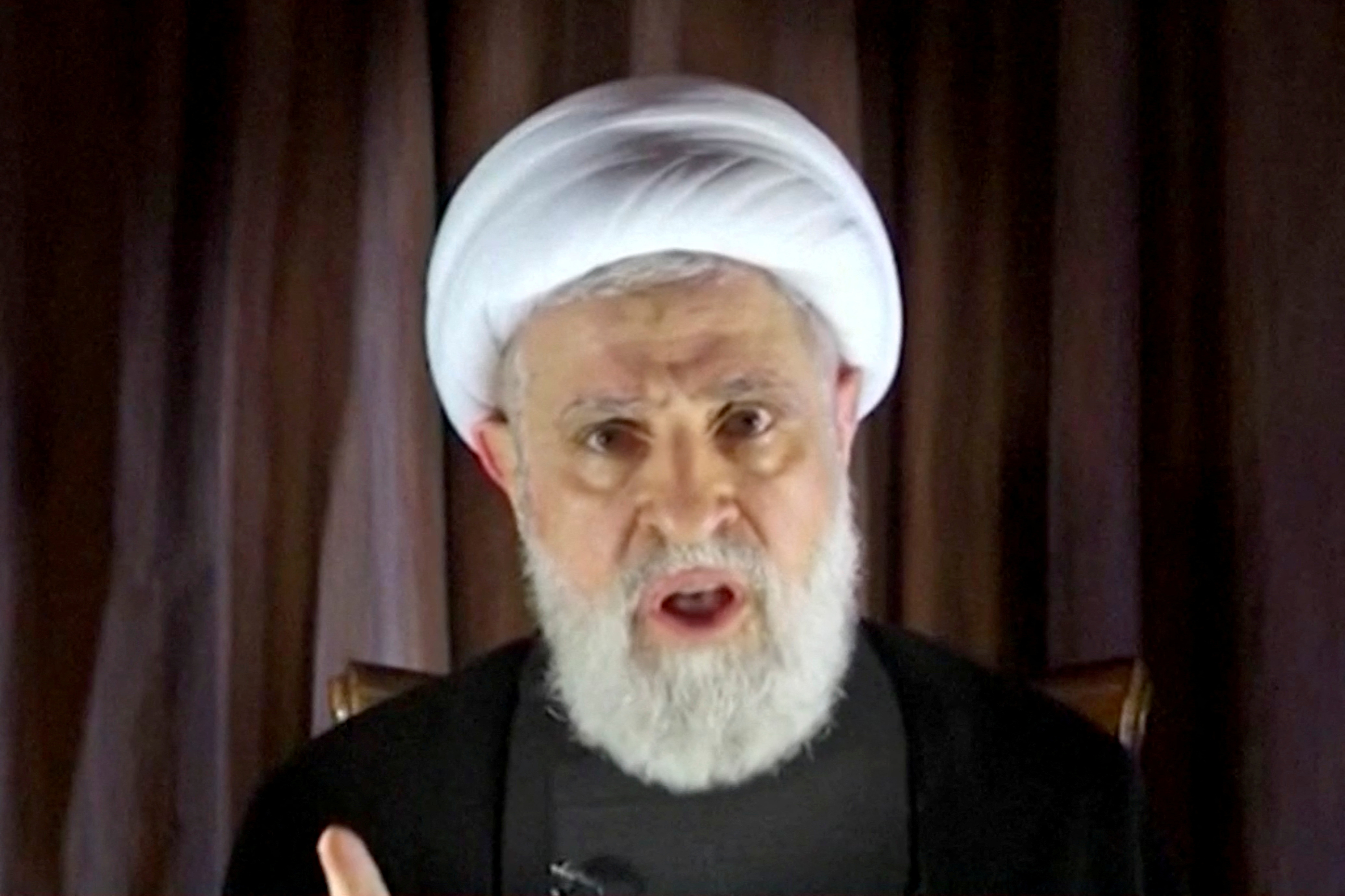
Hezbollah Secretary-General Naim Qassem used a televised address to escalate threats against Israel, claiming the Iran-backed terror group will continue its campaign until Israeli forces are removed from Lebanese territory.
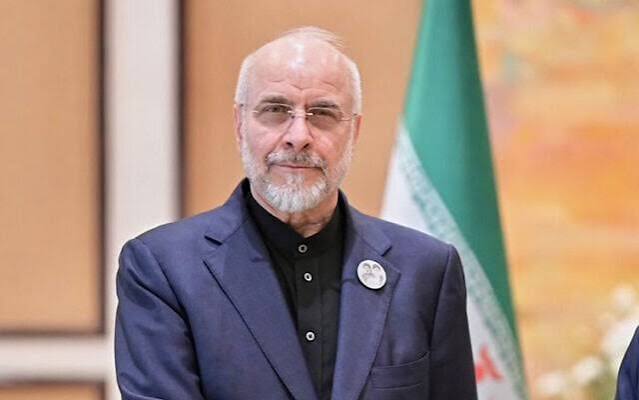
A high-level Iranian delegation, led by Parliament Speaker Mohammad Bagher Ghalibaf and including Foreign Minister Abbas Araghchi, has departed for Switzerland ahead of reported technical discussions with the United States. Pakistani officials say the talks are expected to begin Sunday, while CNN reports that U.S. Vice President JD Vance is also expected to participate.
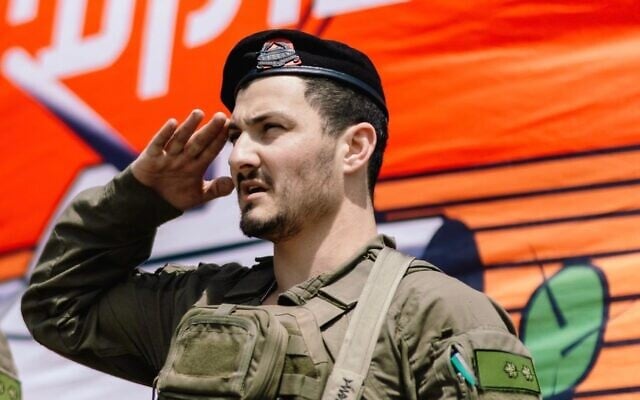
Four IDF soldiers were killed in southern Lebanon after Hezbollah struck an Israeli tank, including Lt. Col. Dor Gedalia Ben Shimon, commander of the 52nd Battalion in the 401st Armored Brigade.
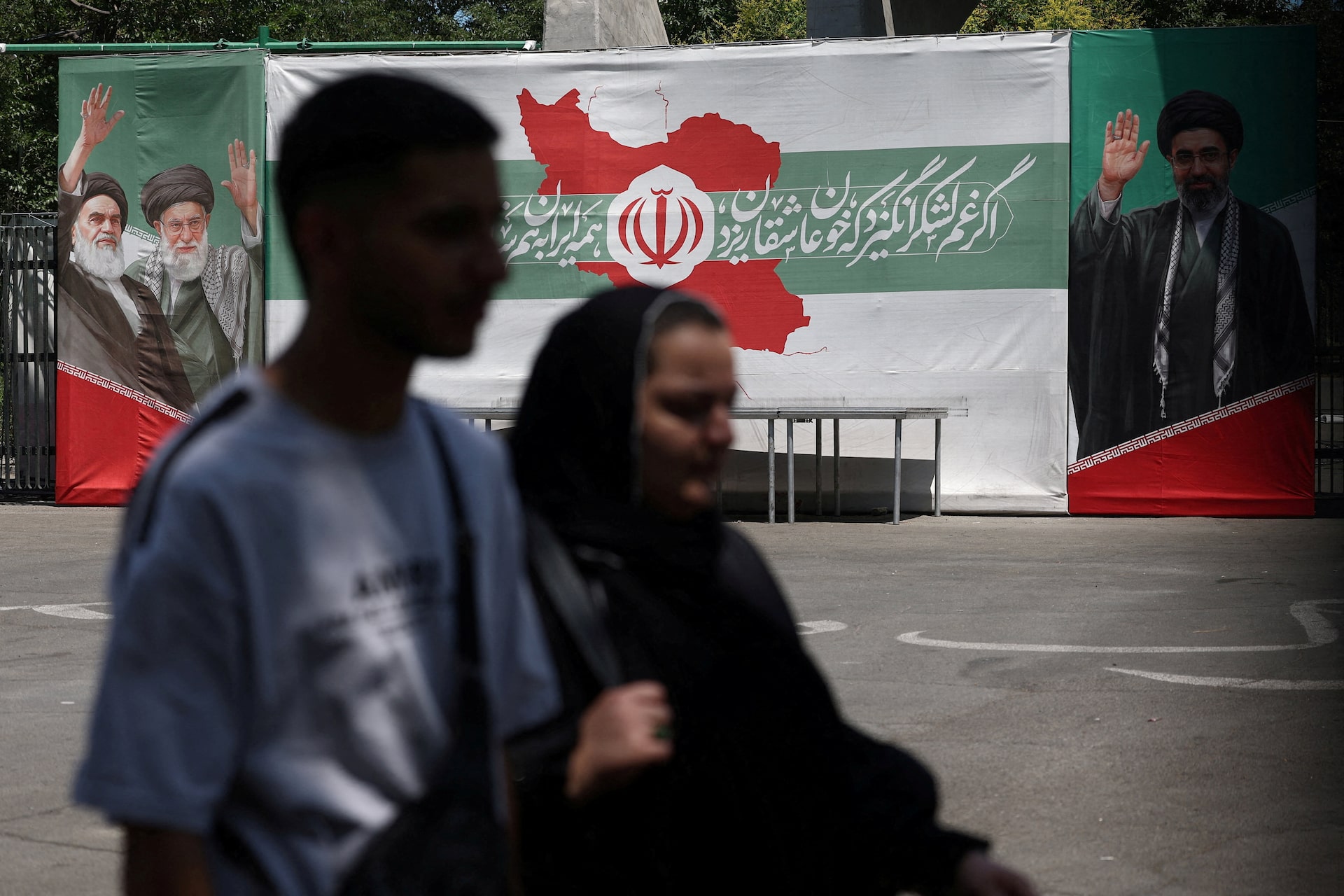
Despite heavy Israeli and American strikes against its leadership and key infrastructure, Iran’s regime has not collapsed. A major reason, according to the report, is not popular support but a deep economic loyalty system built around the IRGC, religious foundations, the Basij militia, jobs, university access, loans, and state-linked privileges.
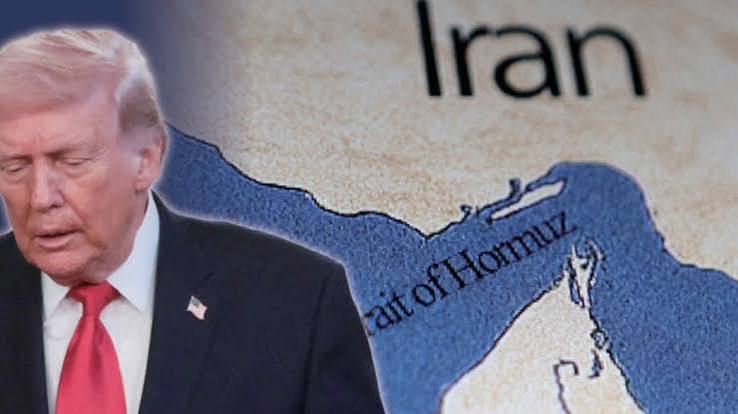
A senior U.S. administration official presented the 14-point document to reporters, outlining provisions for reopening the Strait of Hormuz, easing certain financial restrictions on Iran, and establishing a framework for future technical negotiations over Iran's nuclear program.
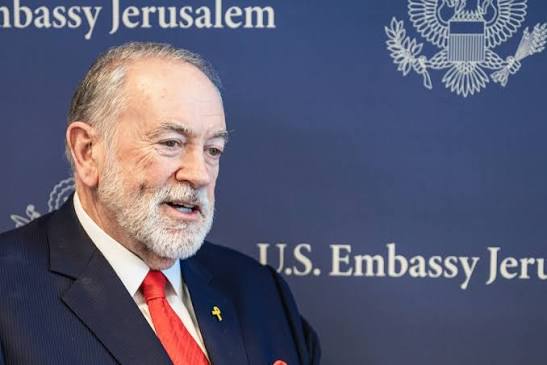
U.S. Ambassador to Israel Mike Huckabee suggested that every Hamas and Hezbollah terrorist be deported to Iran, arguing that removing Tehran's terror proxies would help bring peace to Israel and Lebanon. His remarks came as Iran accused Israel of violating the ceasefire in southern Lebanon and threatened a military response.
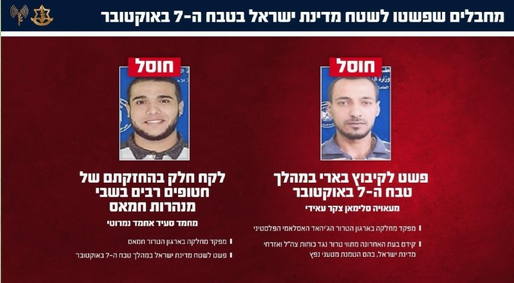
One of them, Muhammad Said Ahmed Nimroti, was a Hamas platoon commander who invaded Israel on October 7 and later took part in holding multiple hostages inside Hamas tunnel captivity.
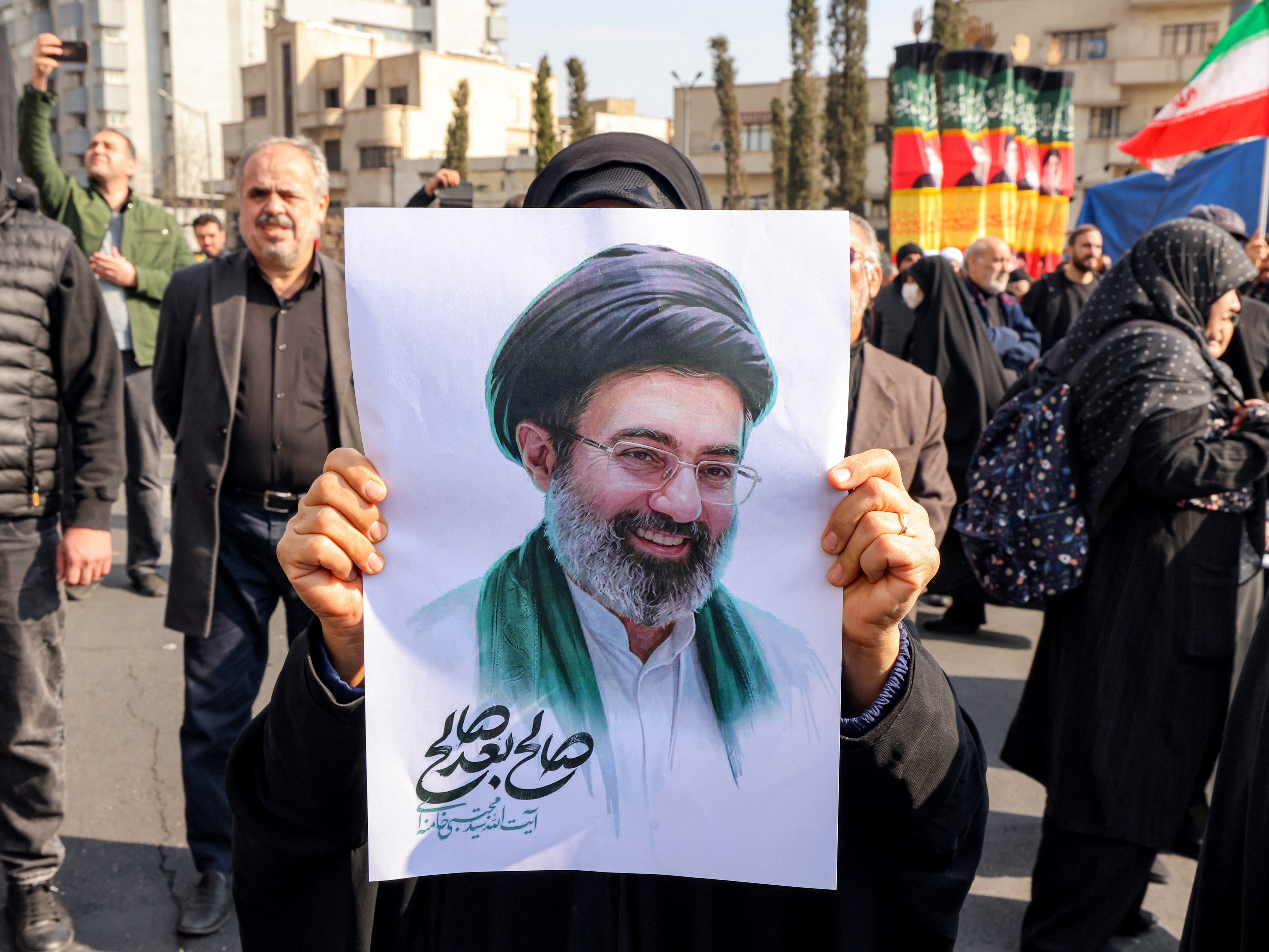
Iran’s regime is using religious symbolism, social media messaging, and revolutionary imagery to frame Mojtaba Khamenei’s rise as a sacred transfer of power. Experts say the campaign exposes the regime’s fear of instability, opposition, and public distrust.
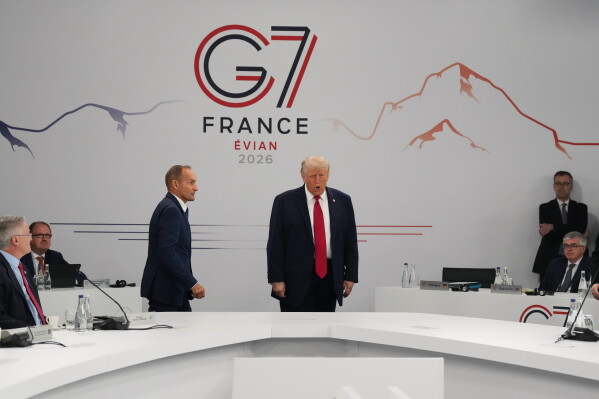
President Donald Trump said the memorandum of understanding with Iran is not a final agreement and warned that the United States could resume military strikes if Tehran fails to meet expectations. He also said the understanding does not include immediate sanctions relief.
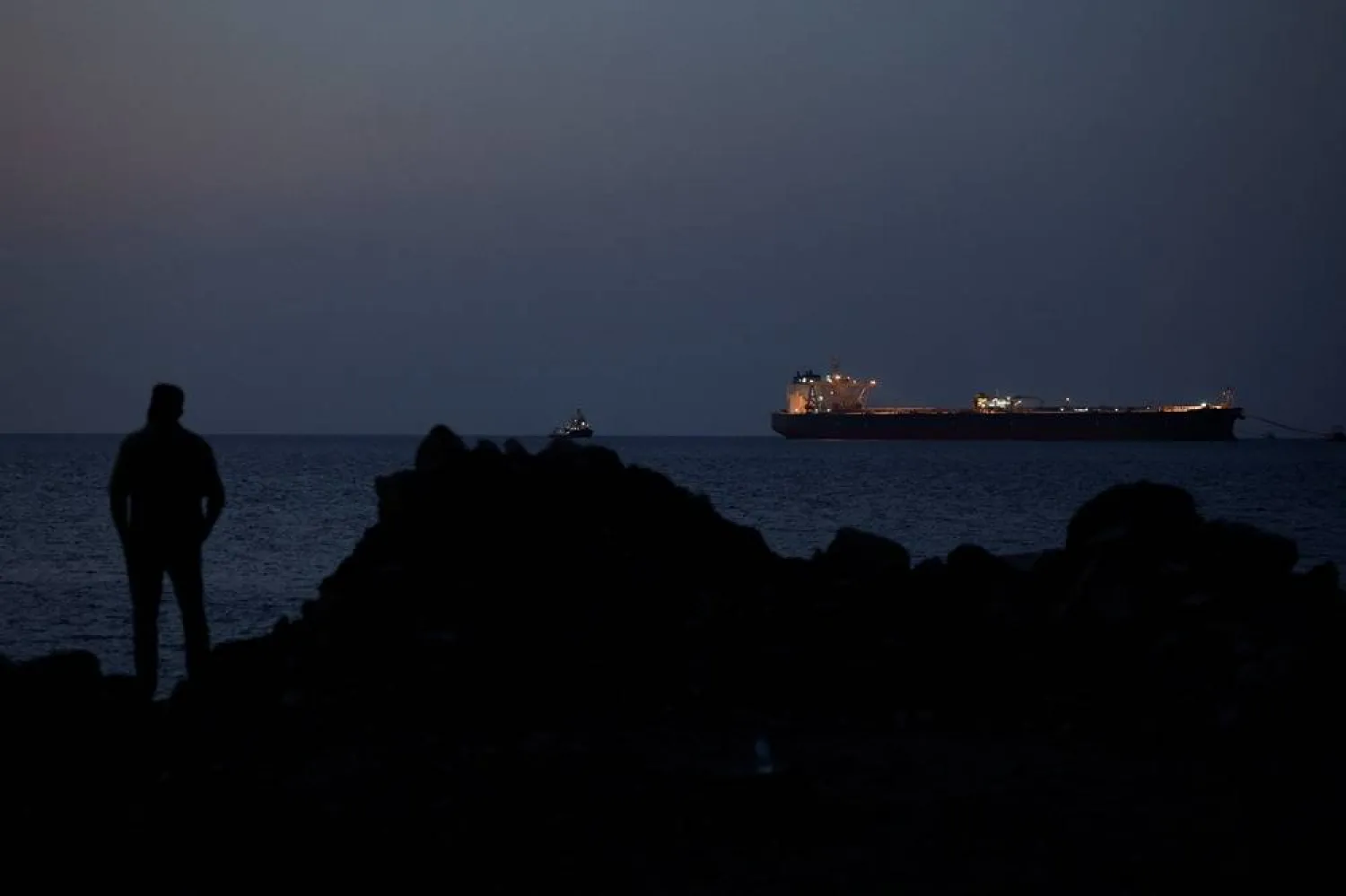
According to an NBC News report citing a U.S. official, Iran's Islamic Revolutionary Guard Corps (IRGC) has launched drones toward the Strait of Hormuz every night since a memorandum of understanding with the United States was electronically signed on Sunday. U.S. forces reportedly intercepted the drones before they could threaten commercial shipping or military personnel.
Vice President JD Vance said the United States has not released the text of its memorandum of understanding with Iran because officials are carefully sequencing the diplomatic process. At the same time, Israel's Channel 12 claimed it obtained the agreement's 12 main clauses, outlining reported provisions on Iran's nuclear program, sanctions, Lebanon, the Strait of Hormuz, and a possible final agreement.
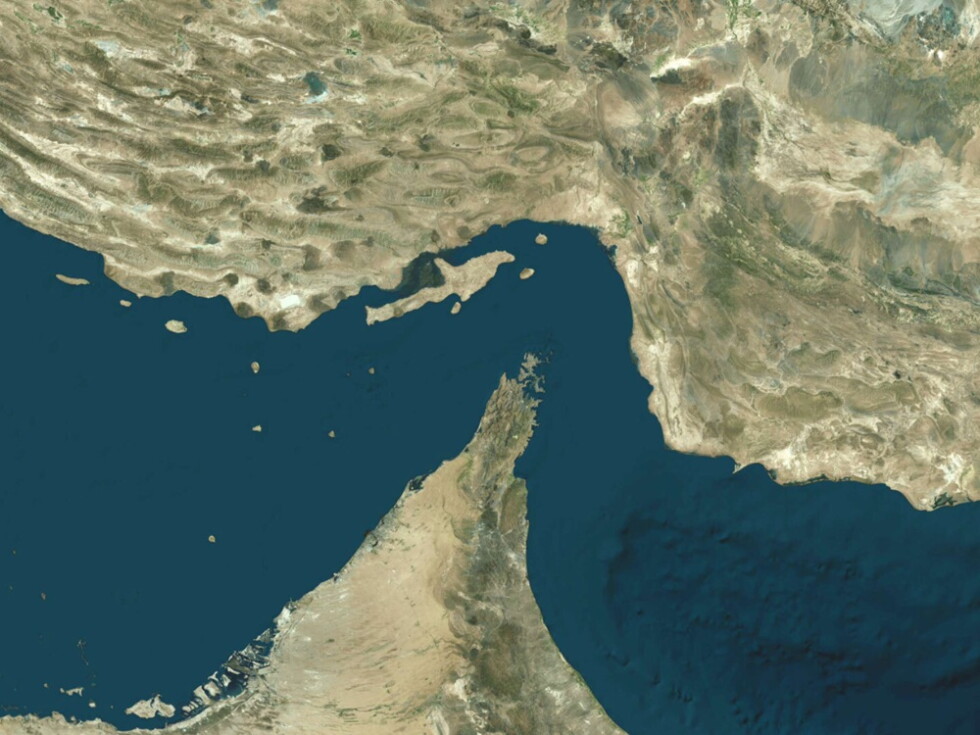
According to a CNN report citing multiple sources familiar with US intelligence assessments, Iran has demonstrated it can disrupt shipping through the Strait of Hormuz, giving Tehran significant strategic leverage over one of the world's most important maritime trade routes. US officials reportedly believe Iran could use this capability again if future negotiations collapse, while concerns are also growing over the possibility of Iran directing the Houthis to threaten the Bab el-Mandeb Strait.
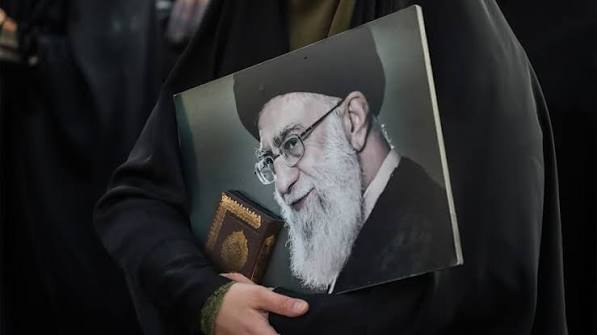
An Iranian parliament member claimed Tehran will seek revenge against the United States over the reported death of Supreme Leader Ali Khamenei in U.S.-Israeli strikes in February.
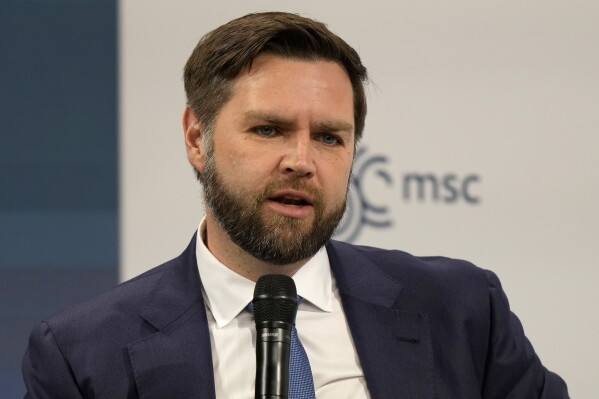
Vice President JD Vance says the Trump administration is confident Israel will eventually support a developing US-Iran agreement, even as Israel says it is not a party to the deal and has not seen the full text.
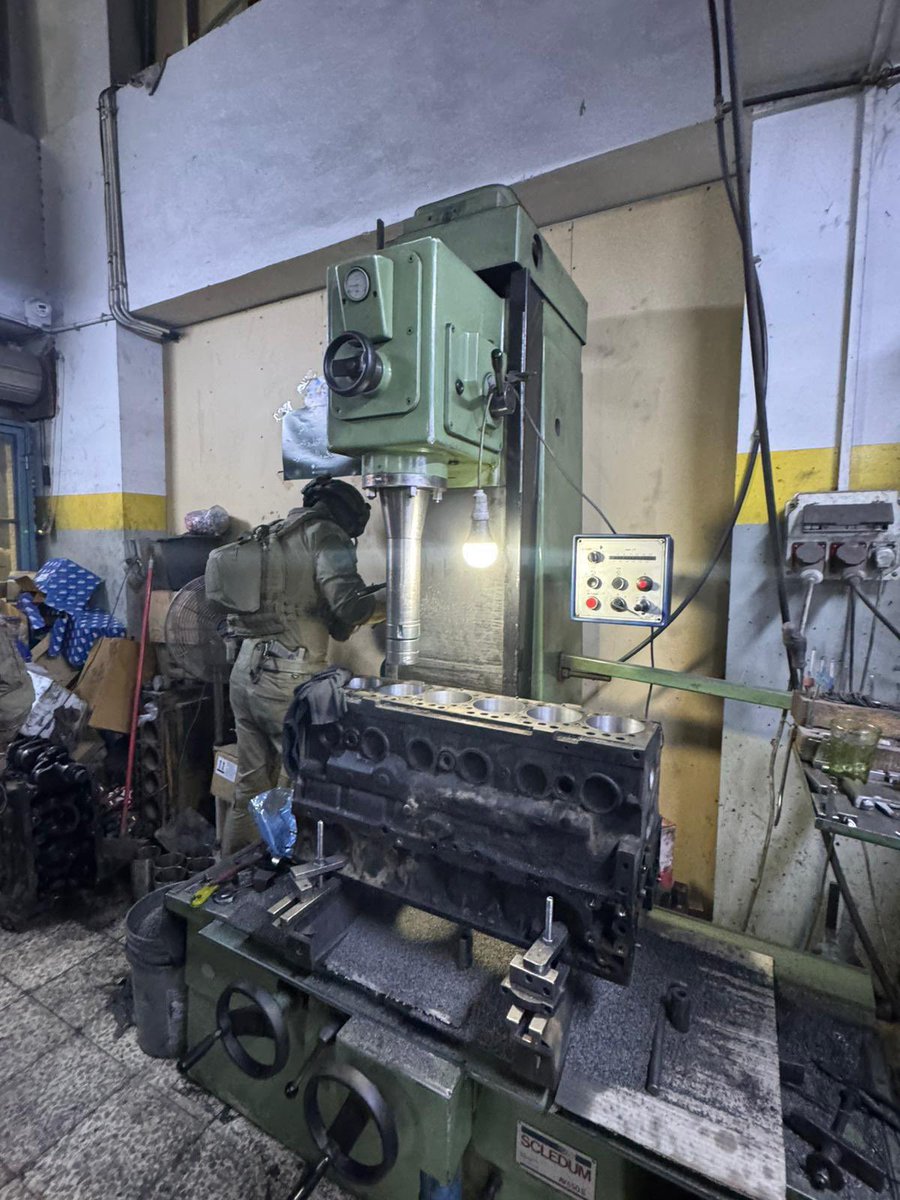
Israeli forces located and dismantled 18 weapon-manufacturing machines in Nablus, confiscating additional weapon components found inside a civilian area.
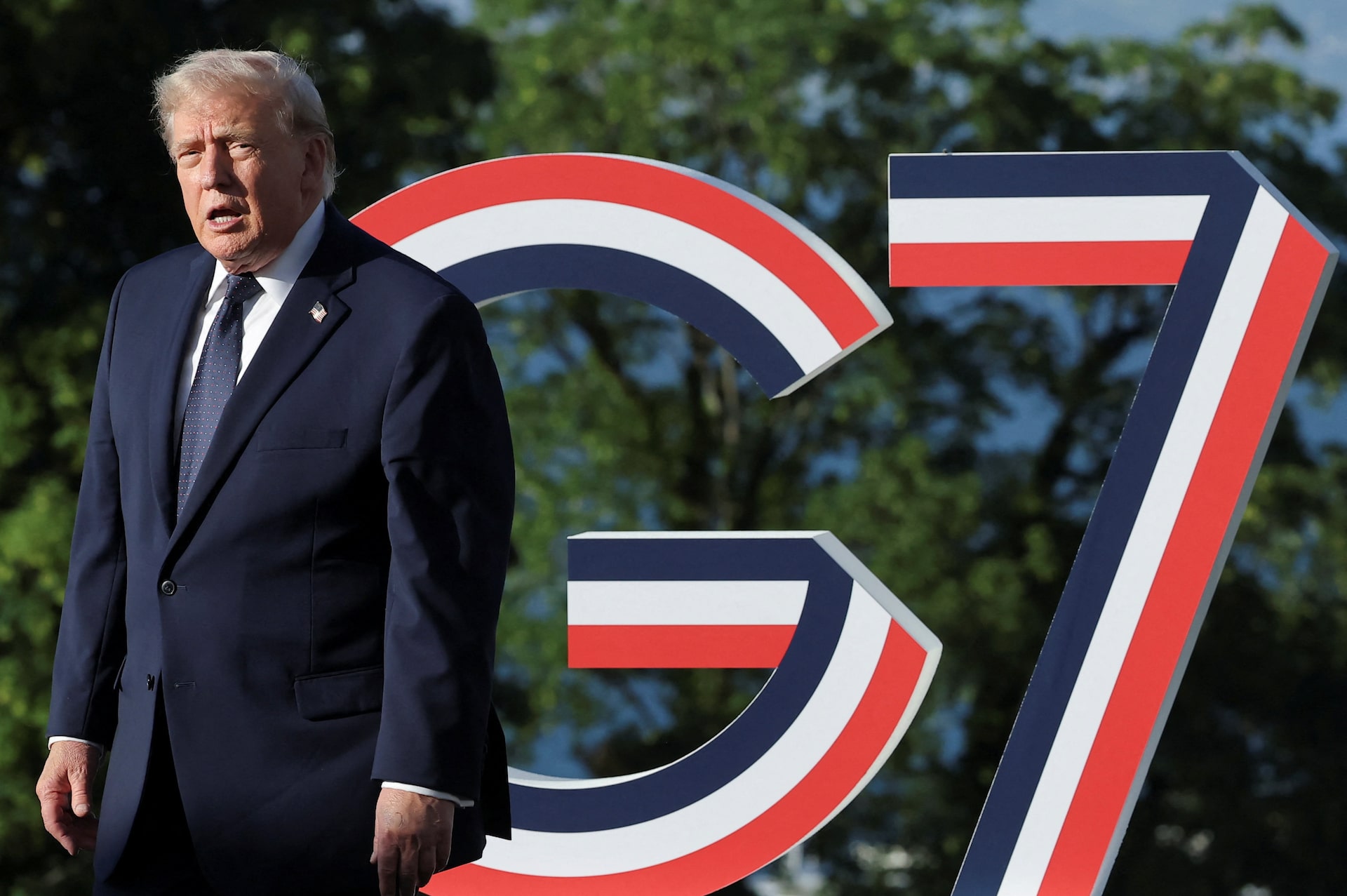
President Donald Trump reiterated that Iran will not be allowed to obtain nuclear weapons under the new memorandum of understanding, warning that any attempt to do so would bring severe consequences. He also said he does not seek regime change in Iran, expects the country’s reconstruction to take years, and voiced concerns about recent Israeli strikes in Lebanon.
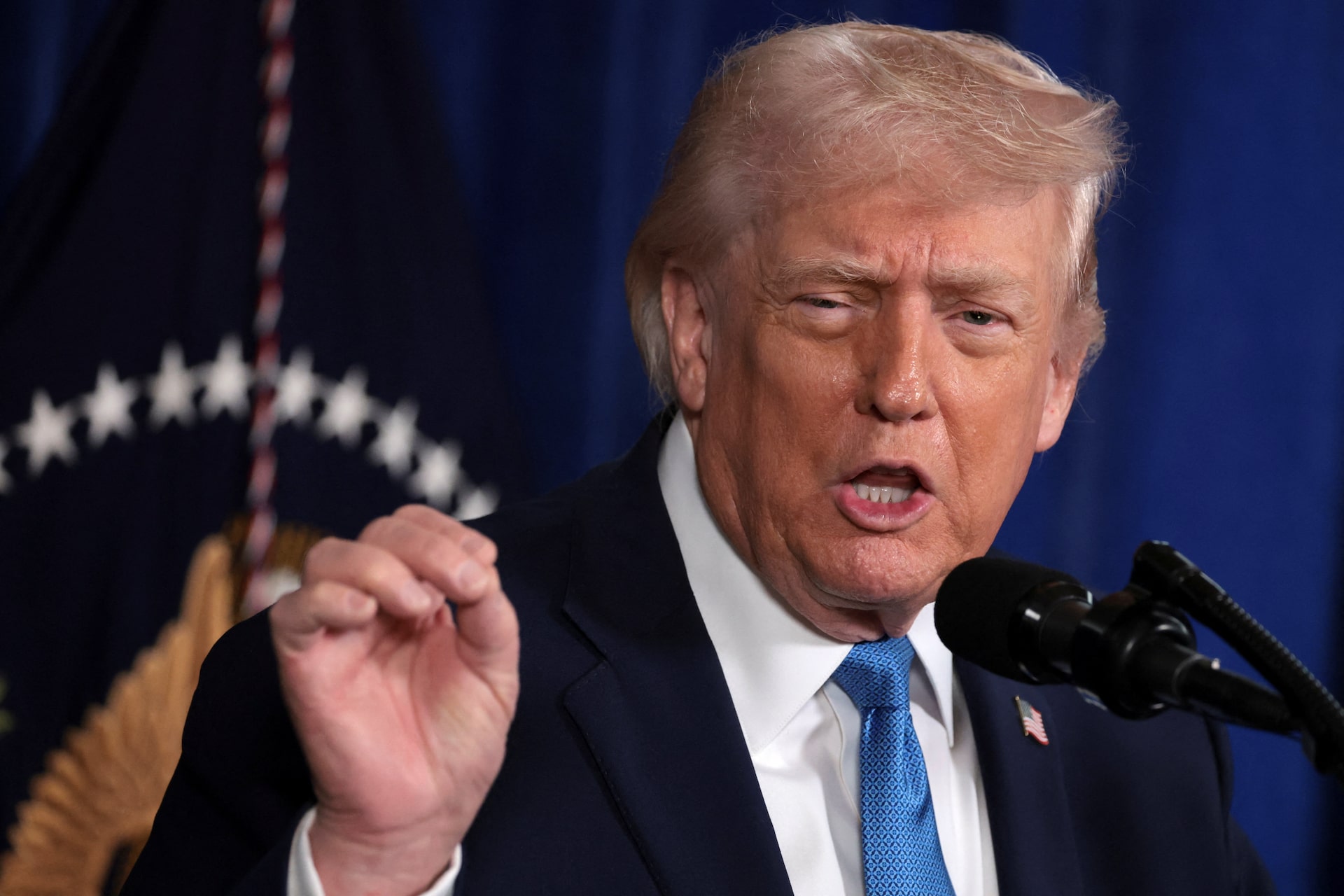
President Donald Trump rejected reports claiming the United States would provide hundreds of millions of dollars to Iran, calling the reports “fake news.” Trump also stated that Iran has agreed to never obtain nuclear weapons, while reports continue to circulate regarding possible economic support tied to Iran’s reconstruction.