Breaking news, history, and security updates from Israel and the Middle East.
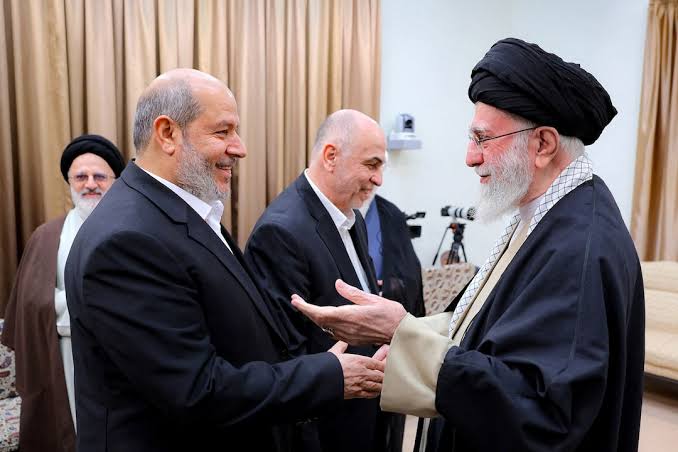
Hamas has announced the appointment of Khalil al-Hayya as the terrorist organization's new political leader, succeeding Yahya Sinwar, who was eliminated by Israeli forces in Gaza in October 2024. Al-Hayya, a longtime Hamas official, has played a central role in the group's leadership, hostage negotiations, and ceasefire talks during the war.
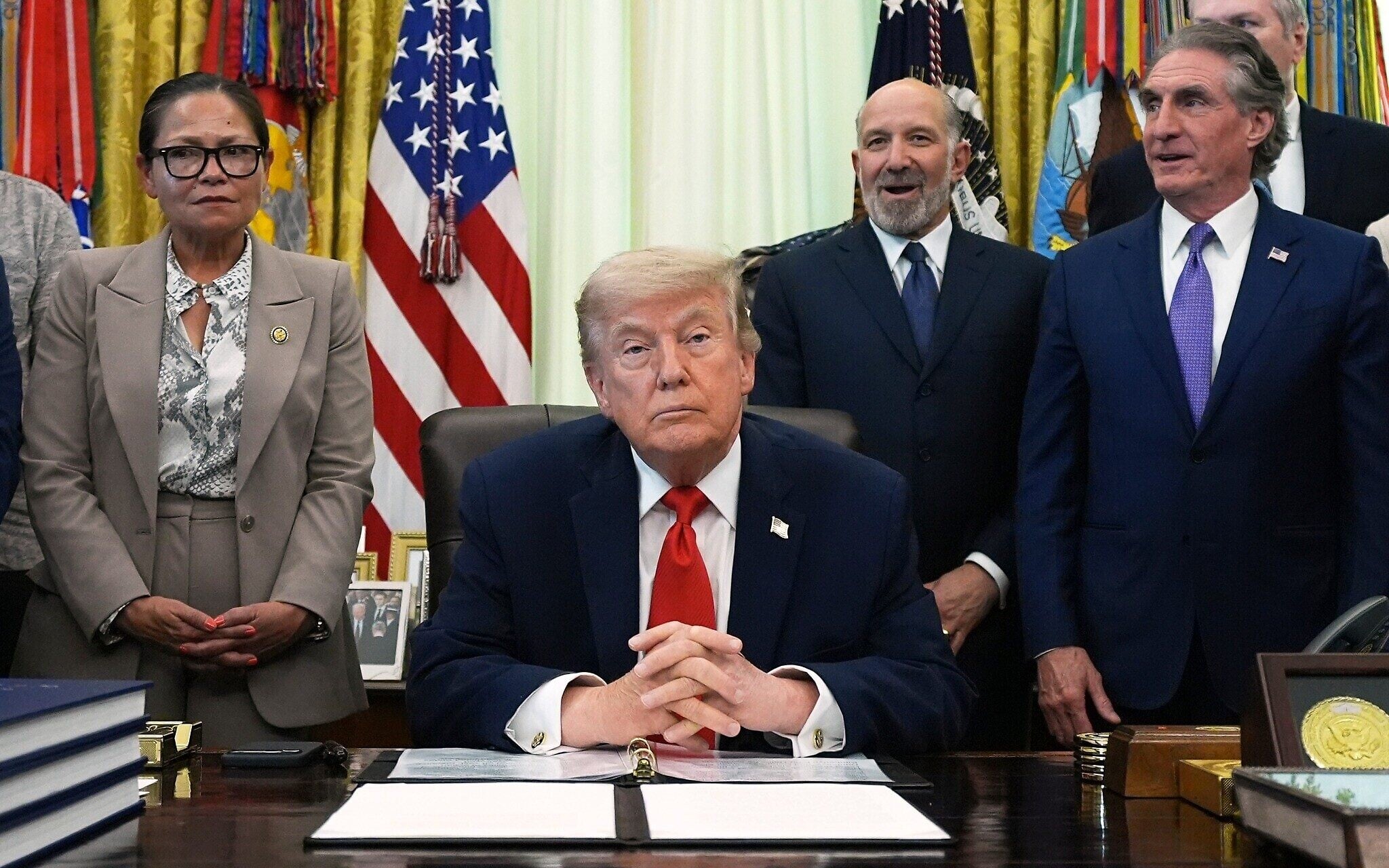
Reports of a possible U.S.-Iran memorandum to end the war are being challenged by both sides, with President Donald Trump accusing Iran of spreading false claims while Prime Minister Benjamin Netanyahu insists Iran will never be allowed to obtain nuclear weapons.
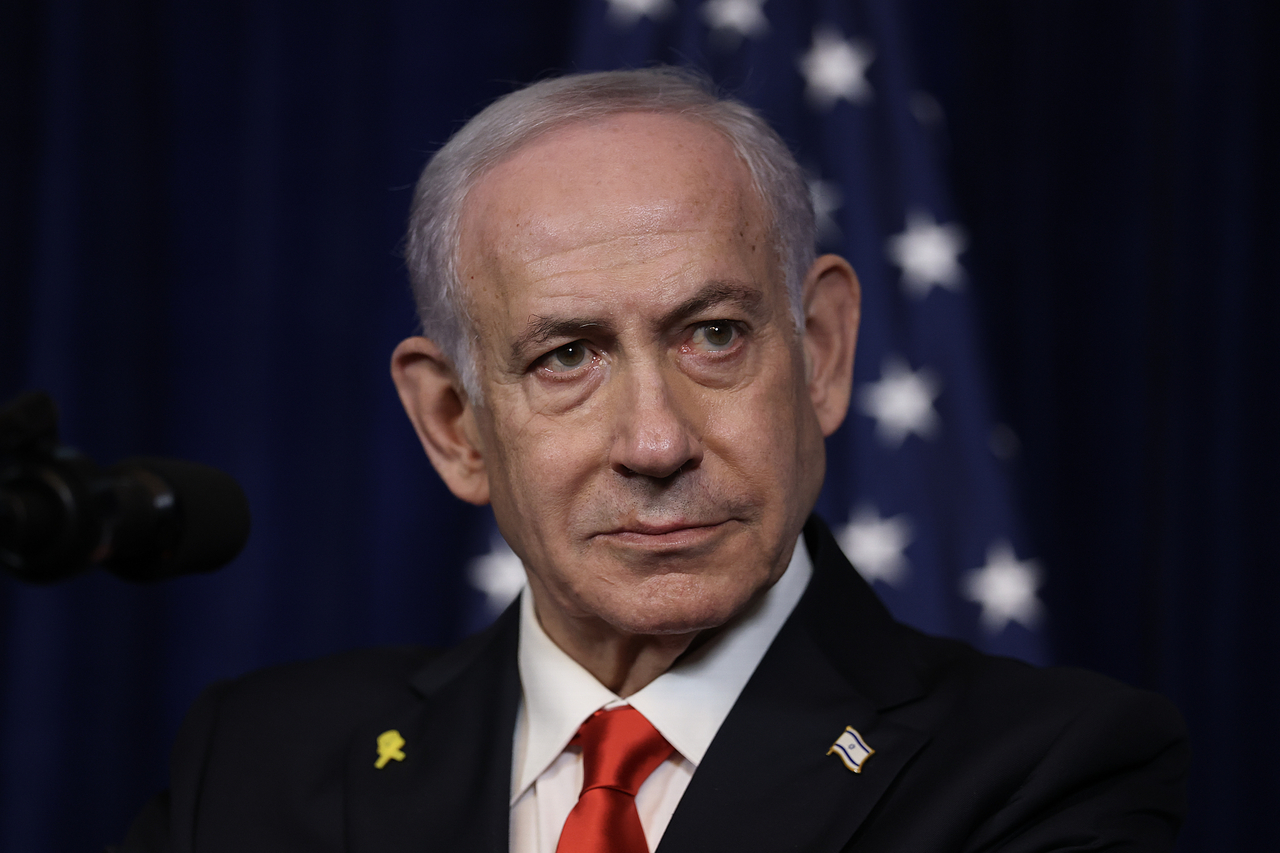
President Donald Trump says the U.S. is close to finalizing a war-ending understanding with Iran, while Prime Minister Benjamin Netanyahu thanked Trump for demanding that any final deal remove enriched uranium, dismantle enrichment infrastructure, restrict missile production, and end Iran’s support for regional terror proxies.
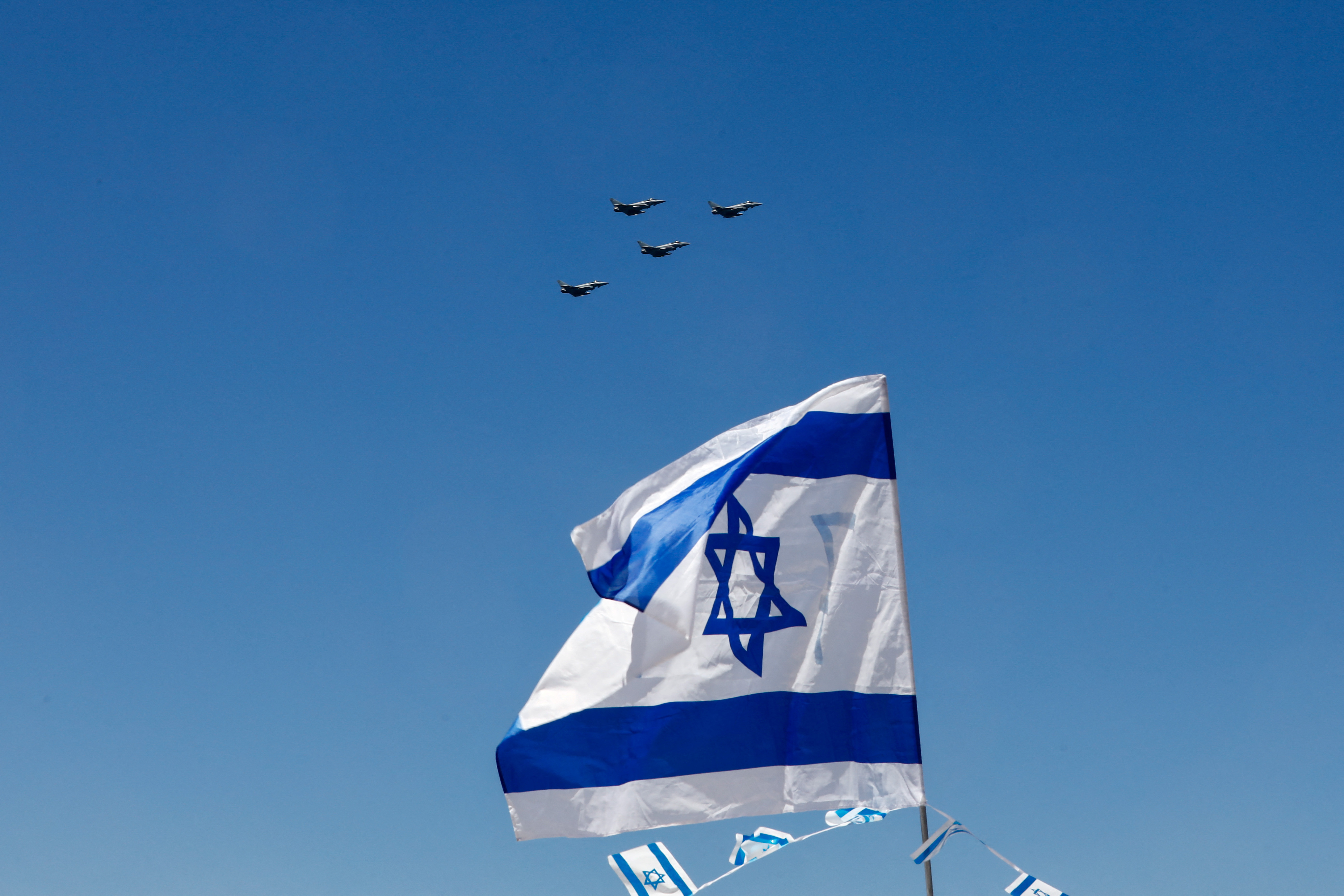
Israel reached its 68th year with a population of about 8.5 million, nearly ten times its size in 1948. Despite being surrounded by much larger populations and oil-rich states, Israel has repeatedly survived because its enemies suffer from weak political systems, divided societies, outsourced security, and armies built more for regime protection than real war.

President Donald Trump says he canceled planned strikes on Iran after receiving signals that a deal to end the conflict was nearing completion. Reports say talks, mediated by Qatar, focused on a 60-day ceasefire, reopening the Strait of Hormuz, frozen Iranian funds, and Iran’s nuclear program. Oil prices fell sharply after the announcement, but Iranian media denied that any final agreement had been approved.
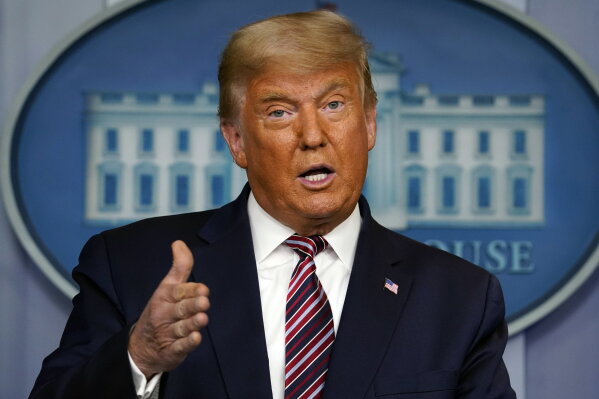
President Donald Trump announced that planned U.S. strikes on Iran have been canceled after talks reportedly received approval from Iran’s top leadership. The announcement came on the opening day of the FIFA World Cup, adding another layer of international attention as Trump claimed a major regional agreement is nearing completion.
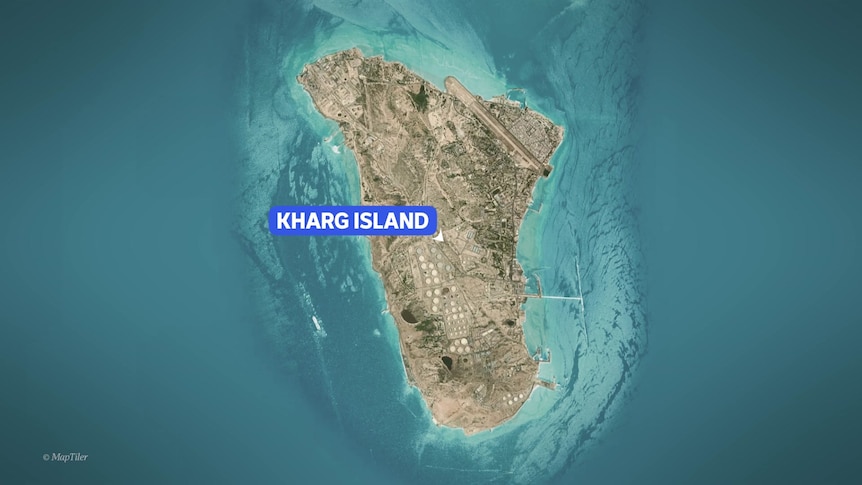
President Donald Trump signaled a major escalation in the conflict with Iran, warning of additional U.S. military strikes while threatening to seize key Iranian oil infrastructure, including Kharg Island. As fighting continues around the Persian Gulf and Strait of Hormuz, the Trump administration is also preparing economic measures targeting Iranian assets and pushing U.S. defense manufacturers to increase weapons production amid growing concerns over military stockpiles.
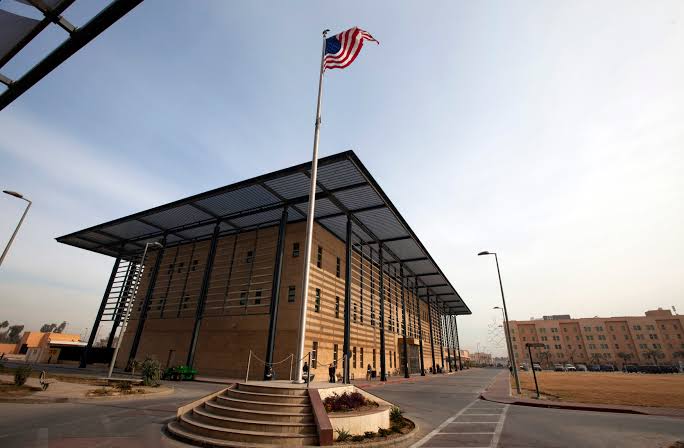
The U.S. Embassy in Baghdad issued a security alert urging American citizens in Iraq to leave immediately, warning that travel disruptions and airspace closures could happen without notice amid rising regional tensions.
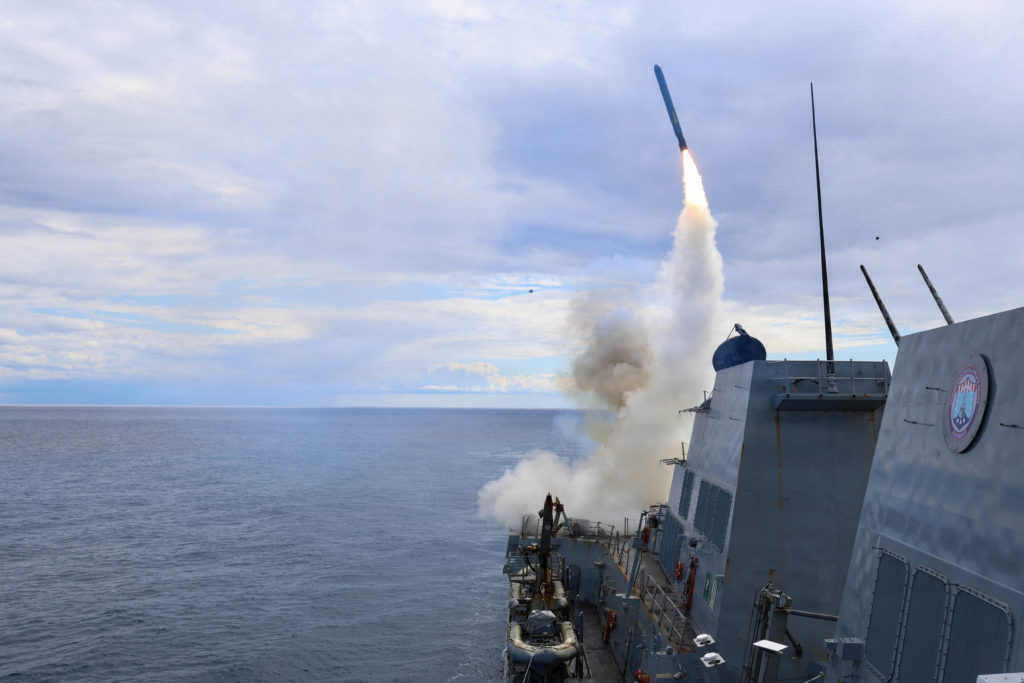
The United States and Iran exchanged major military attacks for a second consecutive day, pushing tensions in the Middle East to their highest level since the April ceasefire. President Donald Trump confirmed that U.S. forces launched dozens of Tomahawk missiles against Iranian military targets, while Iran responded with missile and drone attacks against U.S. bases across the region and announced an indefinite closure of the Strait of Hormuz. The confrontation is now raising concerns about global energy supplies, inflation, and the risk of a broader regional war.
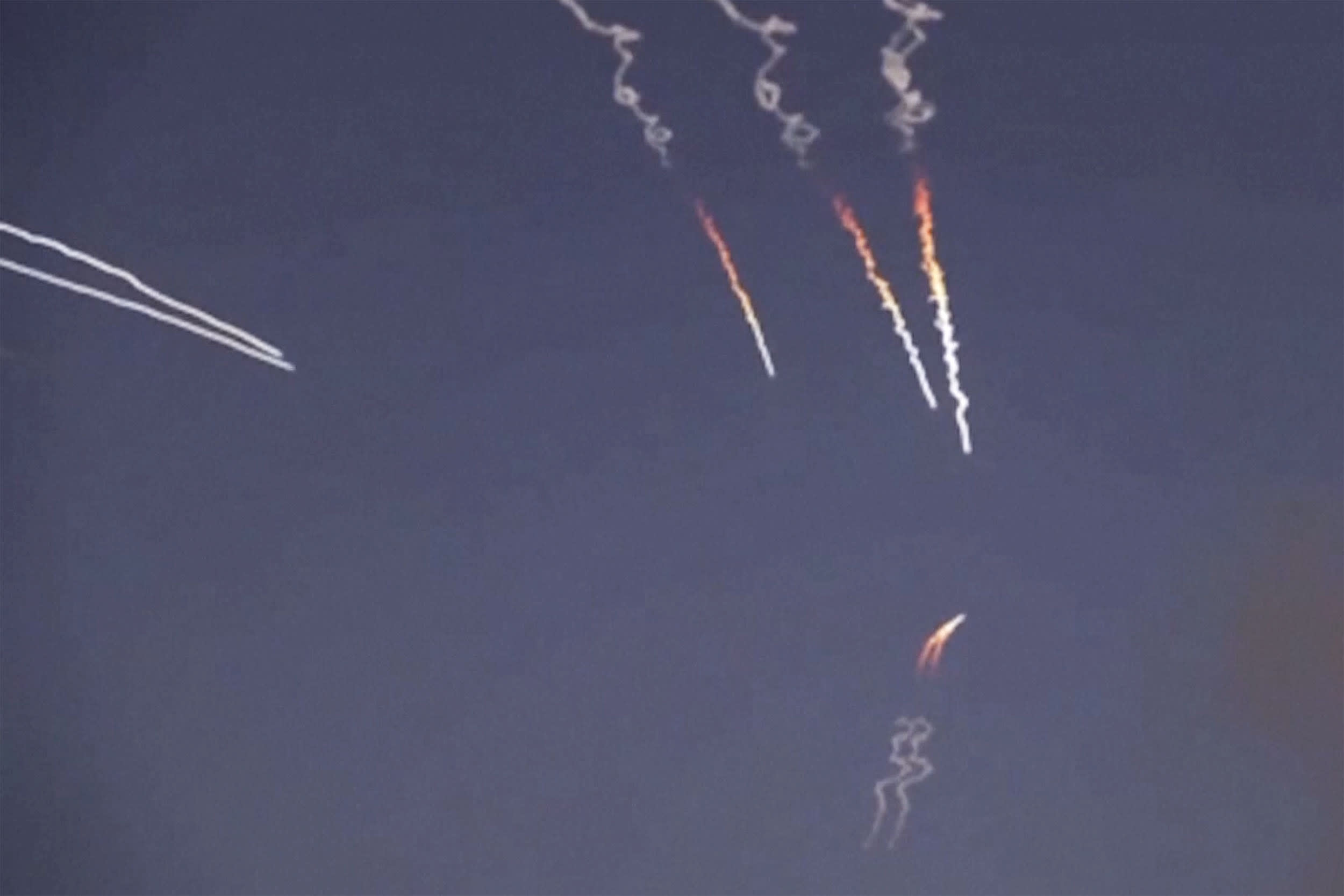
The United States launched a new round of military strikes against targets in Iran on Wednesday after diplomatic efforts to end the conflict stalled. President Donald Trump warned that additional attacks could follow, while Iran rejected American pressure and regional tensions continued to rise across the Middle East.
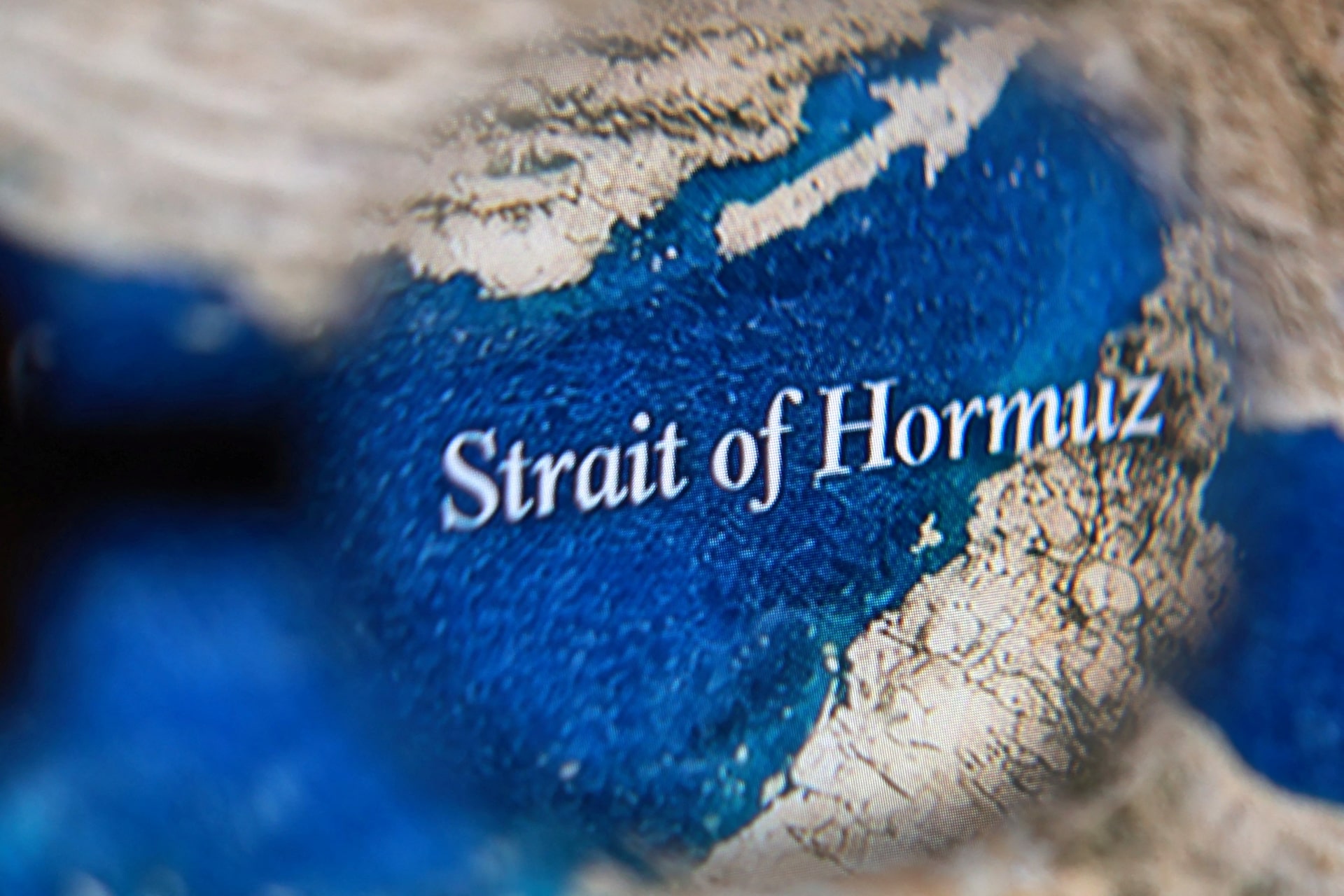
Iran announced to shut down the Strait of Hormuz and fire on ships. This is not “resistance.” It is terror blackmail against the world.
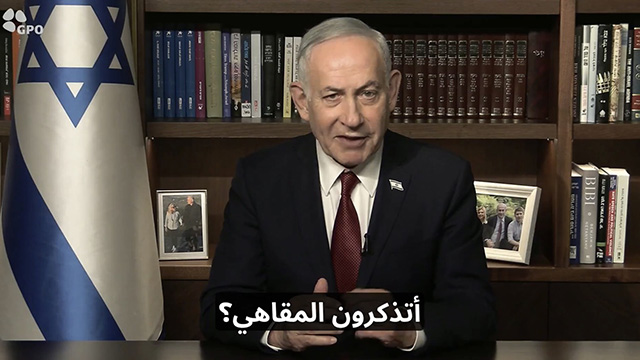
Israeli Prime Minister Benjamin Netanyahu called on the Lebanese people to reject Hezbollah and Iran’s control, saying Israel’s war is against the terror group — not Lebanon.
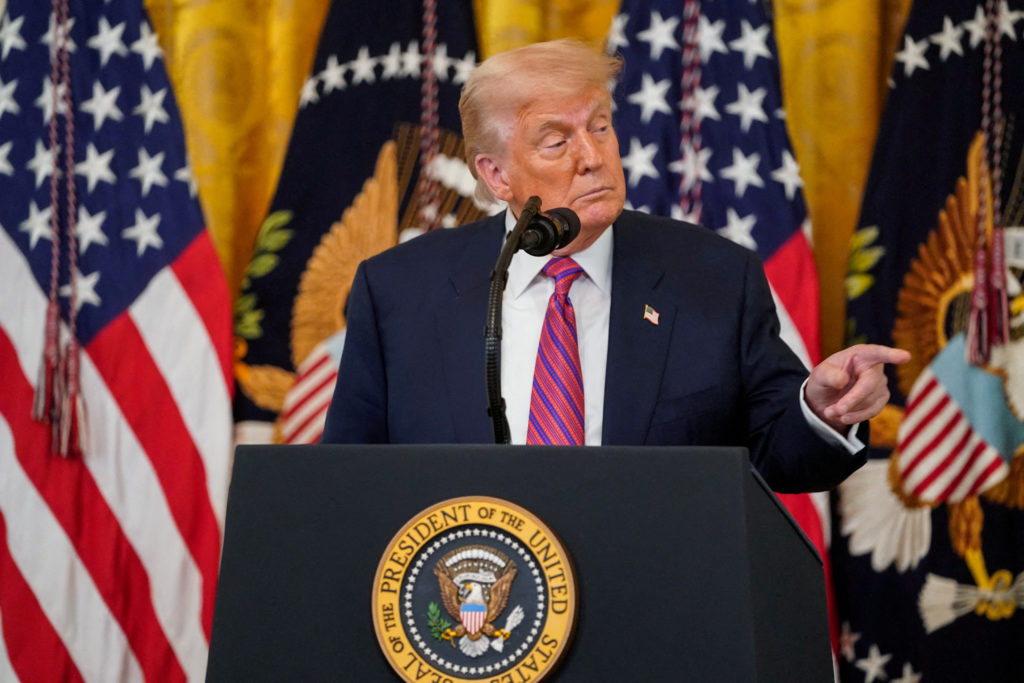
President Donald Trump warned that the United States will hit Iran “very hard” after Tehran allegedly fired on a U.S. helicopter. At the same time, 22 Western countries condemned Iran’s intelligence services and IRGC-linked networks for alleged terror plots targeting dissidents, journalists, Jews, and Israeli communities abroad.
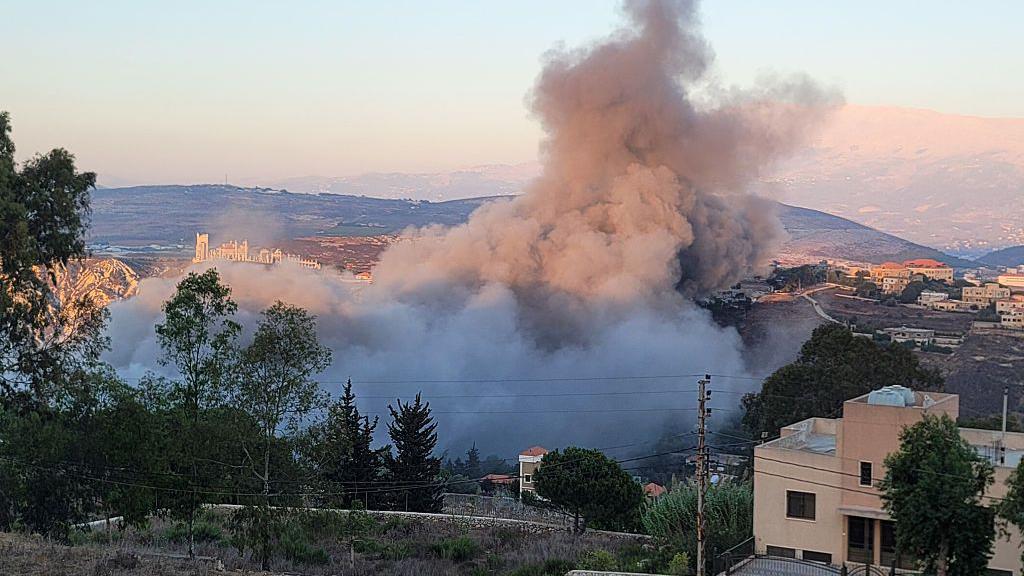
Israel carried out a major airstrike in southern Lebanon one day after announcing a halt in direct fighting with Iran. The strike targeted Hezbollah infrastructure according to the IDF, while Hezbollah responded with attacks on military positions in northern Israel. The renewed violence has raised concerns that the Lebanon front could become the biggest challenge to maintaining any broader regional ceasefire.
Iran’s Islamic Revolutionary Guard Corps claimed responsibility for missile and drone attacks against U.S. military facilities in Jordan, Kuwait, and Bahrain after recent American strikes on Iranian military targets. Most of the projectiles were reportedly intercepted, with no U.S. casualties reported so far. The exchange marks one of the most serious escalations since the April ceasefire.
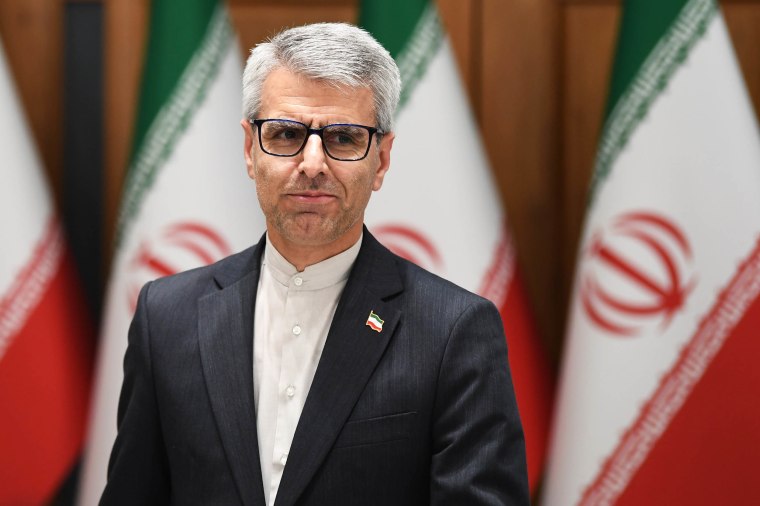
Iran claims that repeated ceasefire violations by the United States and Israel are damaging diplomatic efforts aimed at ending the current conflict. Tehran says military action and diplomacy are being pursued simultaneously, insisting that Iran will continue defending itself while remaining engaged in negotiations.
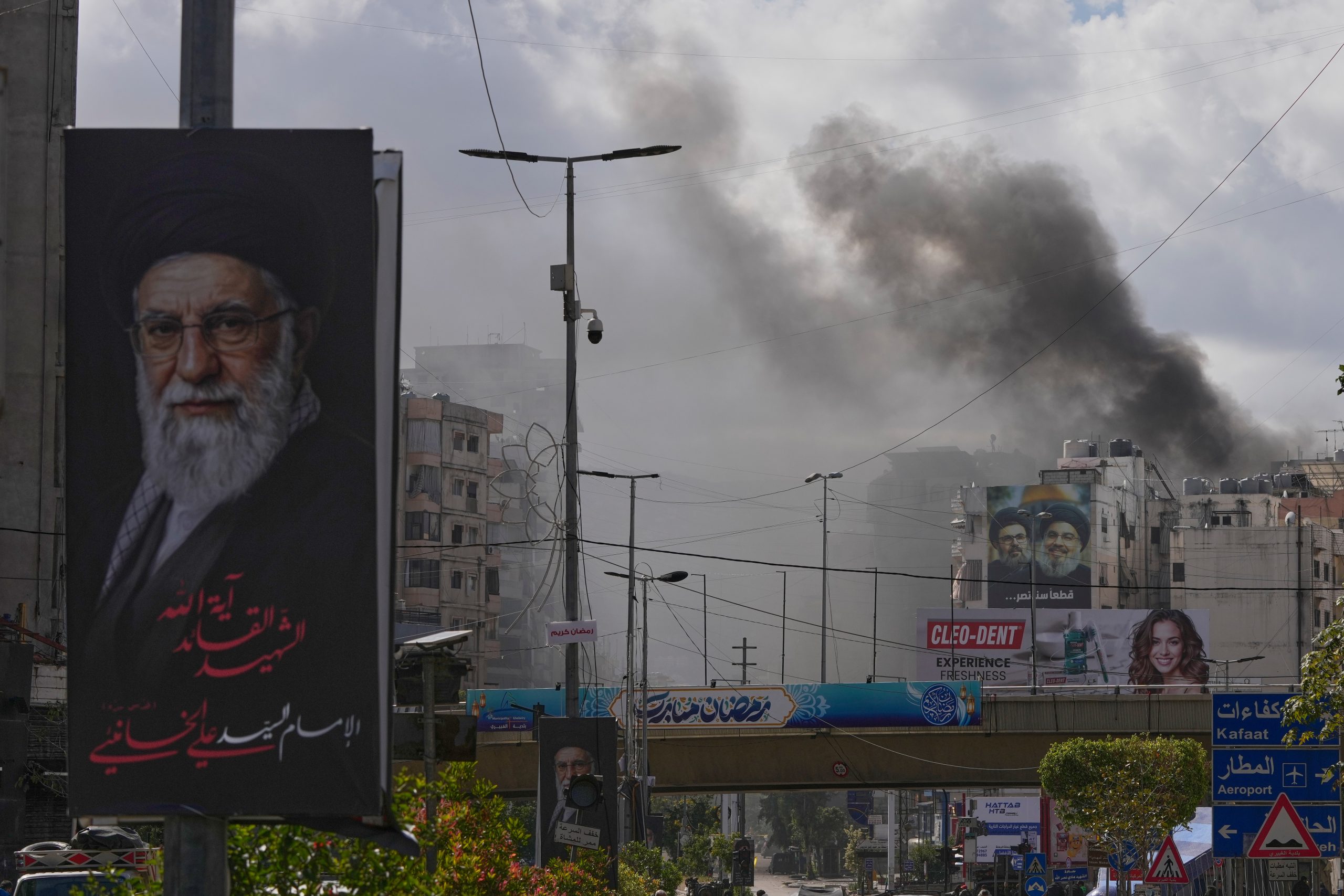
Iran’s latest direct attack on Israel signals a more aggressive strategy, with Tehran showing it is now willing to use force on behalf of its terror proxies across the region.
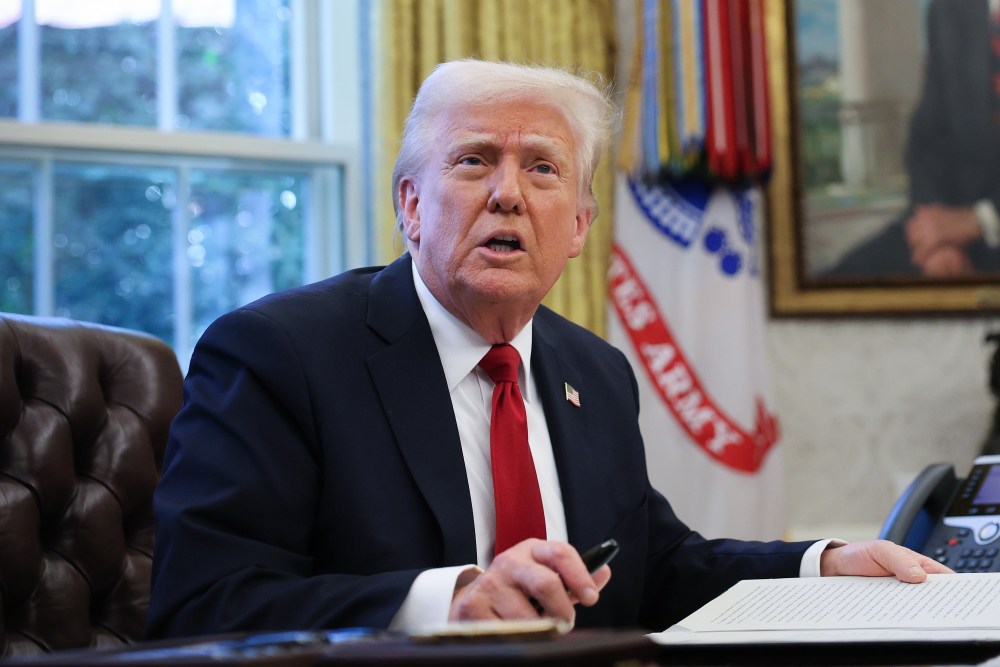
President Donald Trump says Iran has taken too long to reach a deal and claims the U.S. naval blockade is severely damaging the regime’s ability to operate.
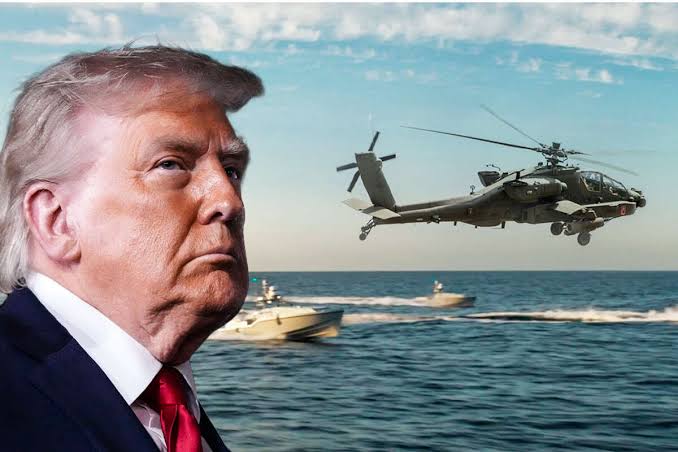
The United States launched what it called a proportional self-defense strike on Iran after President Donald Trump said an American Apache helicopter was shot down near the Strait of Hormuz. The key question now is how Iran responds.
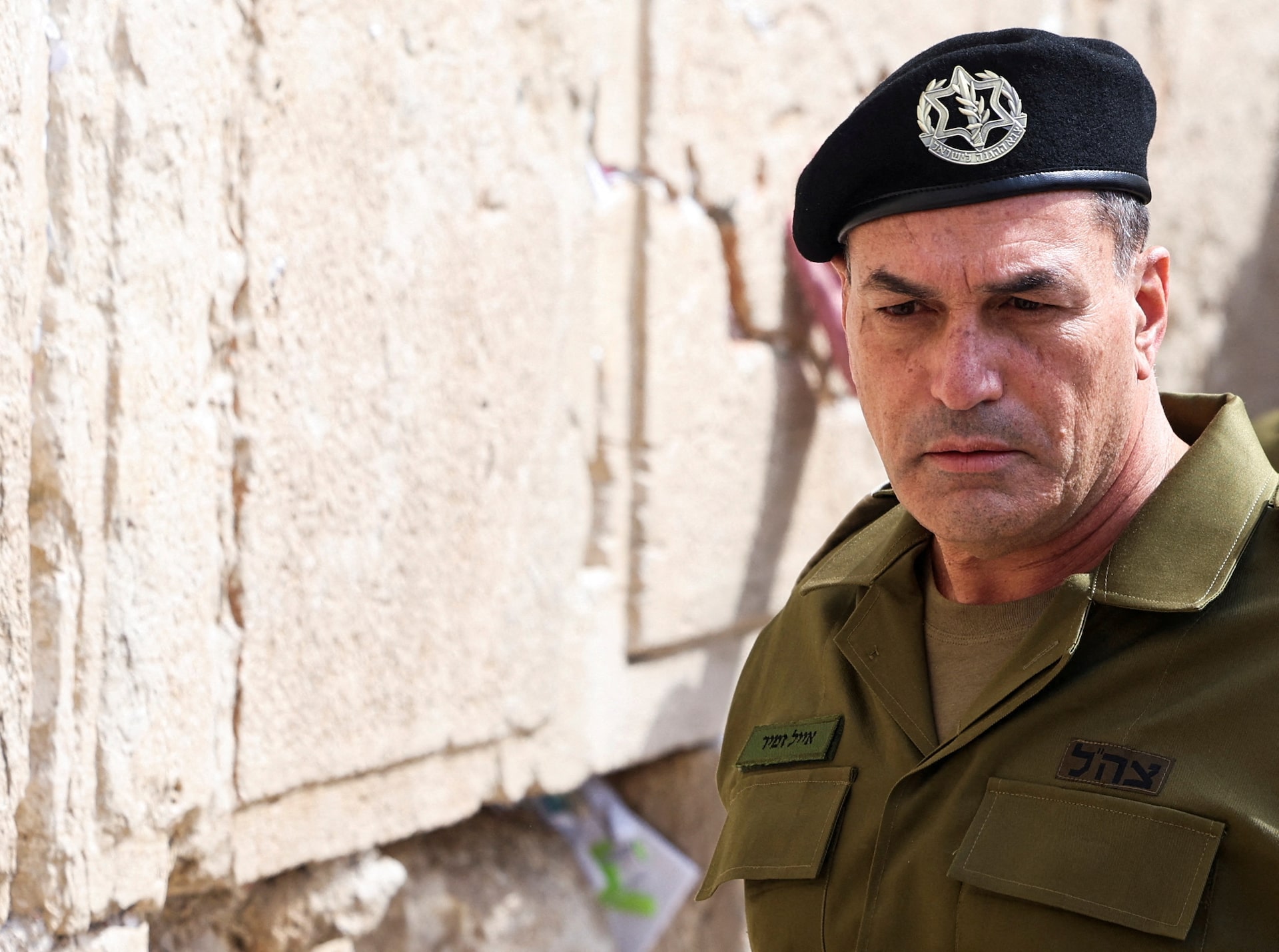
IDF Chief of Staff Lt. Gen. Eyal Zamir said Israel remains prepared to renew military action against Iran if necessary while continuing operations against the Hezbollah terrorist organization in Lebanon, emphasizing Israel’s commitment to confronting threats from Iran and its regional terror network.
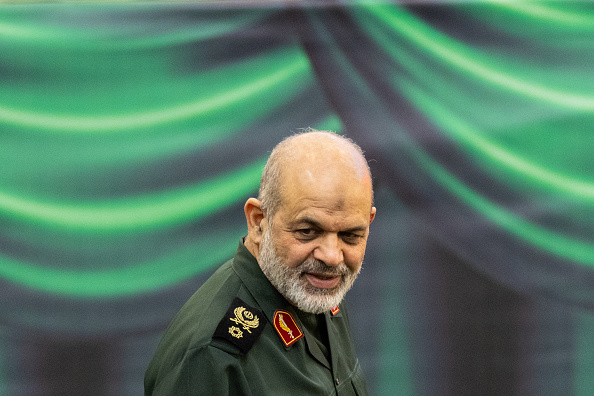
Unconfirmed reports say IRGC chief Ahmad Vahidi may have been killed in Tehran during a recent Israeli strike, though neither Israel nor Iran has confirmed the claim.
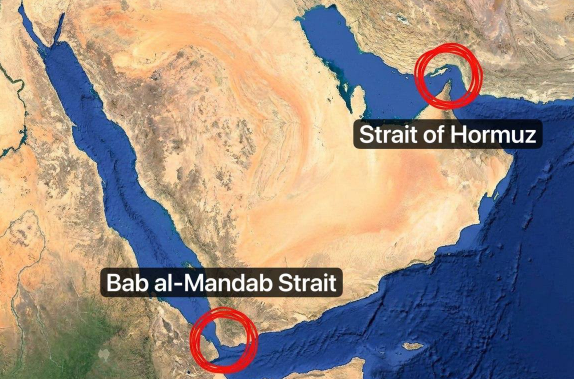
Iran is signaling a wider pressure campaign at sea, pointing to a new Iran-backed “resistance” belt stretching from the Strait of Hormuz to the Bab el-Mandeb Strait, with the Houthis playing a key role.
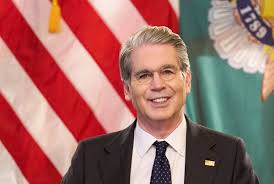
Iranian Foreign Ministry spokesperson Esmaeil Baqaei mocked U.S. Treasury Secretary Scott Bessent after he claimed the United States had seized approximately $1 billion in Iranian cryptocurrency assets.
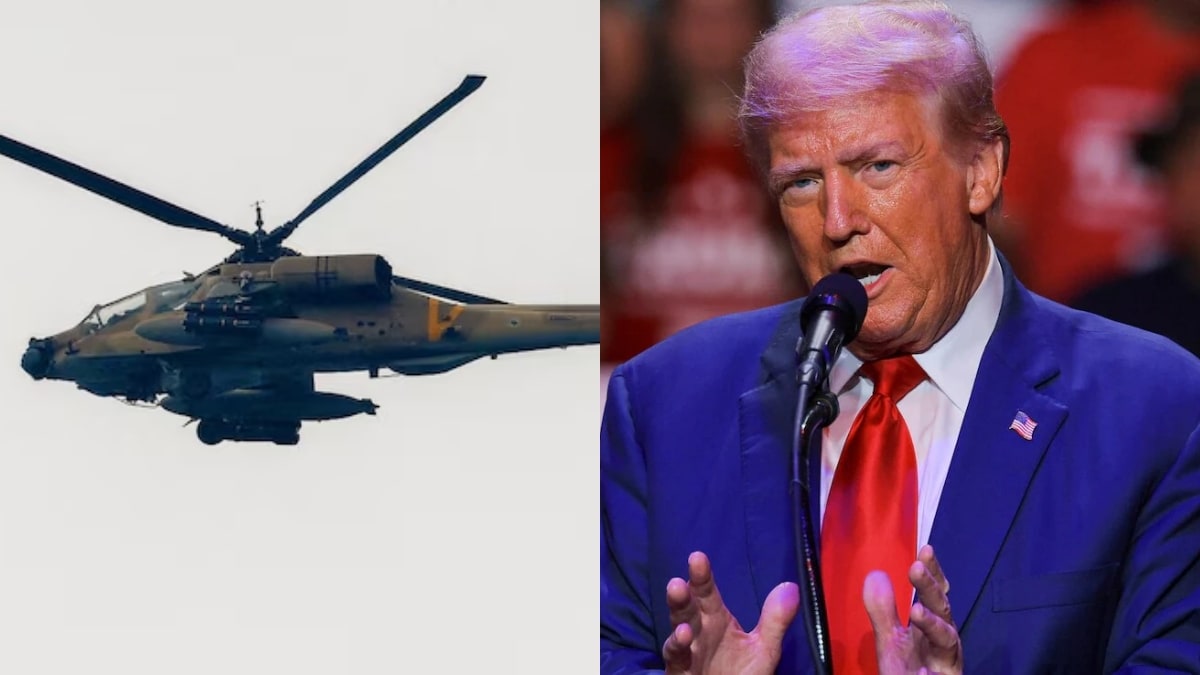
President Donald Trump said the United States cannot ignore an incident involving an American AH-64 Apache helicopter near the Strait of Hormuz. The helicopter was reportedly brought down during a patrol mission, though military officials say the investigation is still ongoing and the exact cause has not been confirmed.
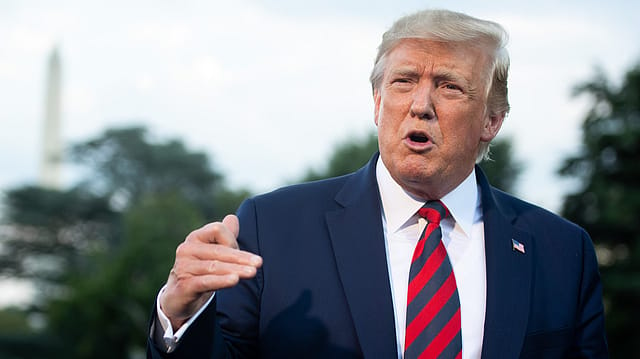
President Donald Trump says a strong agreement with Iran could be reached within two or three days, adding that the Strait of Hormuz would reopen immediately if a deal is signed.
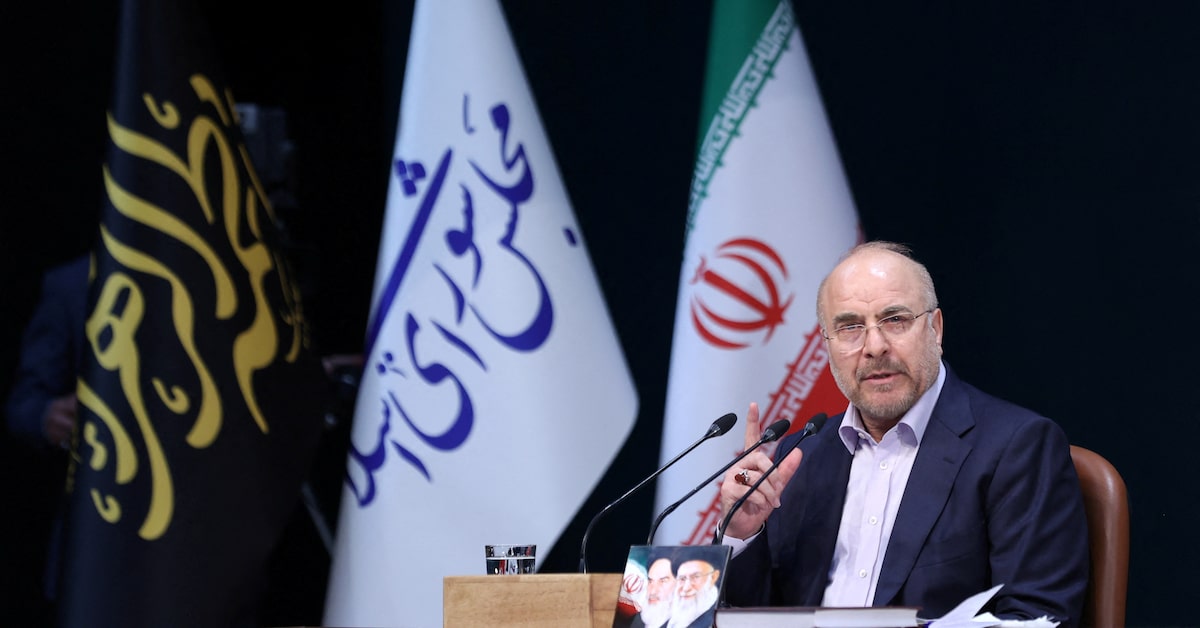
Iran’s parliament speaker Mohammad Bagher Ghalibaf warned that Tehran will respond again if Israel and the United States do not show what he called real commitment to the ceasefire.
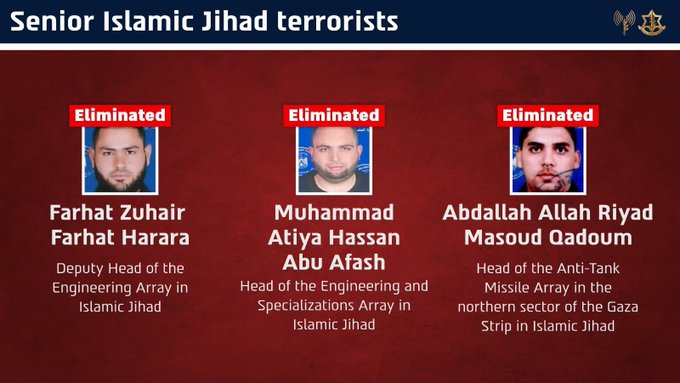
The IDF says the three Islamic Jihad terrorists were senior operatives involved in engineering, anti-tank attacks, and renewed terror activity against Israel despite the ceasefire.
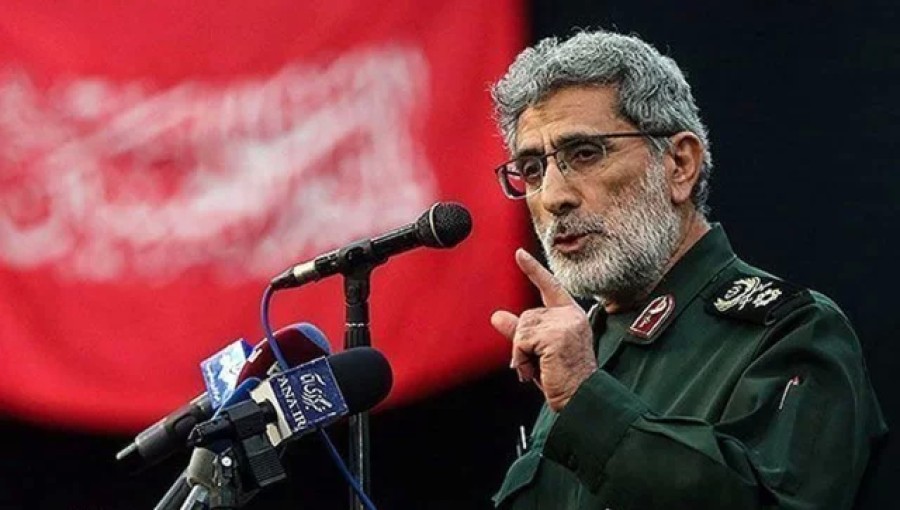
IRGC Qods Force commander Esmail Qaani issued a defiant warning that Iran’s "resistance front" remains prepared to act across the region, from the Persian Gulf to the Red Sea. Praising the Houthis' recent operations and suggesting other Iran-backed groups could follow, Qaani emphasized that Israel and the United States remain under observation by Tehran’s proxy network. The remarks indicate that while a ceasefire may have reduced direct confrontation, Iran is signaling that its regional influence and deterrence strategy remain fully intact.

Israel’s Mossad intelligence agency has announced the launch of a new Arabic-language Telegram channel, adding to its existing Farsi-language outreach efforts.
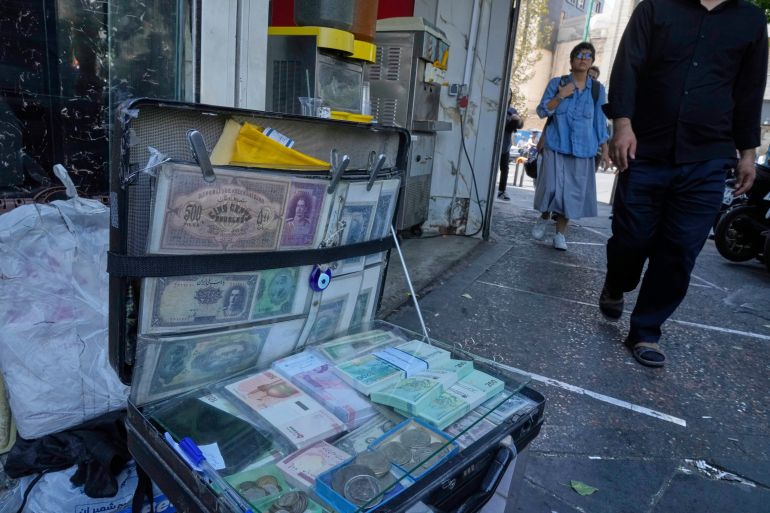
Reports suggest President Trump believes Iran can be pushed toward economic collapse without immediate air strikes, using pressure from maritime restrictions, lost oil revenue, and internal financial breakdown to weaken the regime from the inside.
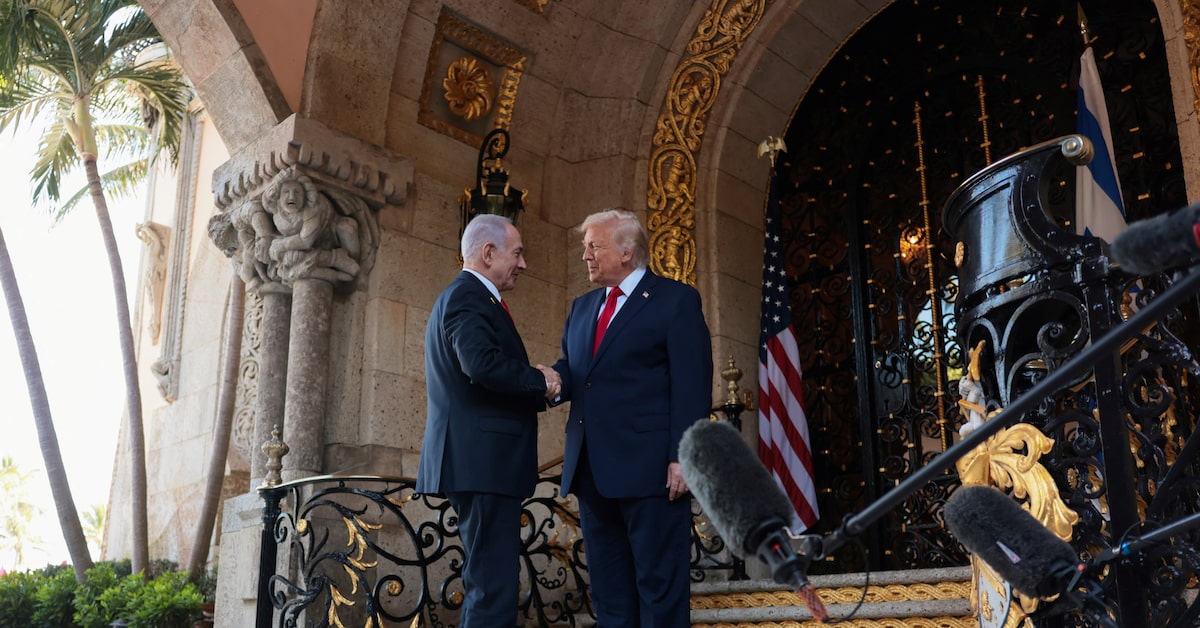
President Donald Trump disclosed new details about a tense behind-the-scenes diplomatic effort during the Israel-Iran confrontation, claiming he urged Prime Minister Netanyahu to avoid further escalation while Iranian officials quietly reached out to Washington seeking help to halt Israeli operations.